Institute of Cellular Biology and Pathology "Nicolae Simionescu" of the Romanian Academy, 050568 Bucharest, Romania.
Department of Pharmacology and Chemical Biology, University of Pittsburgh, Pittsburgh, PA 15219, USA.
Cells. 2021 Aug 24;10(9):2181. doi: 10.3390/cells10092181.
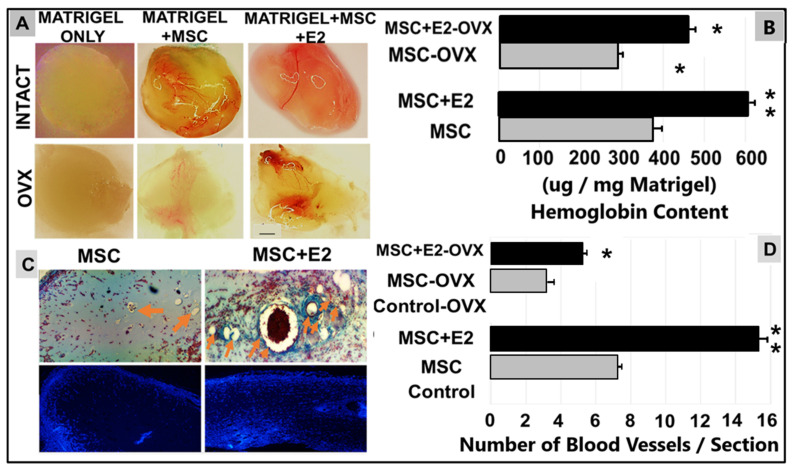
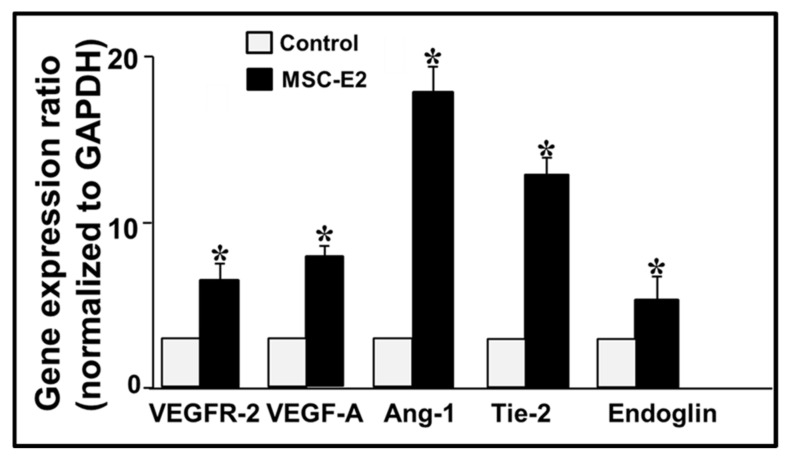
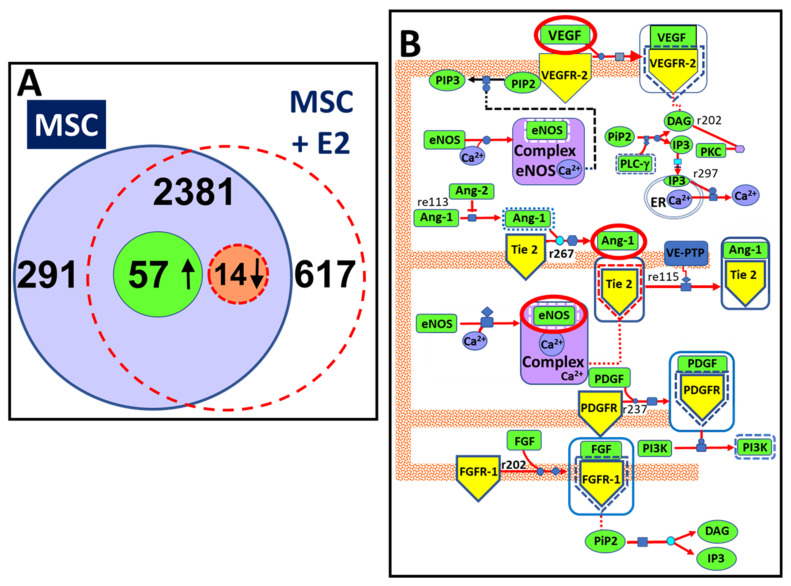
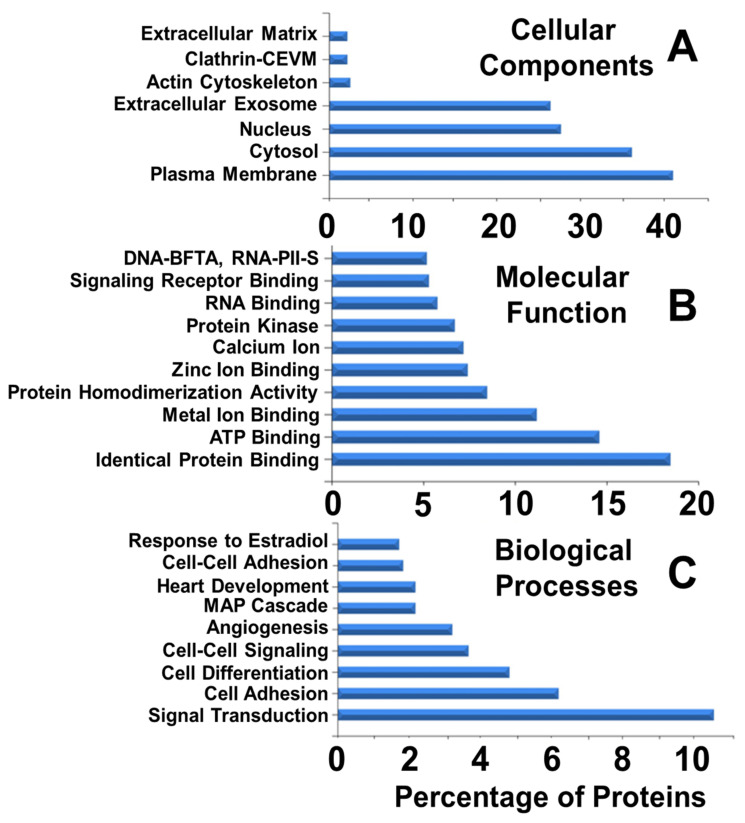
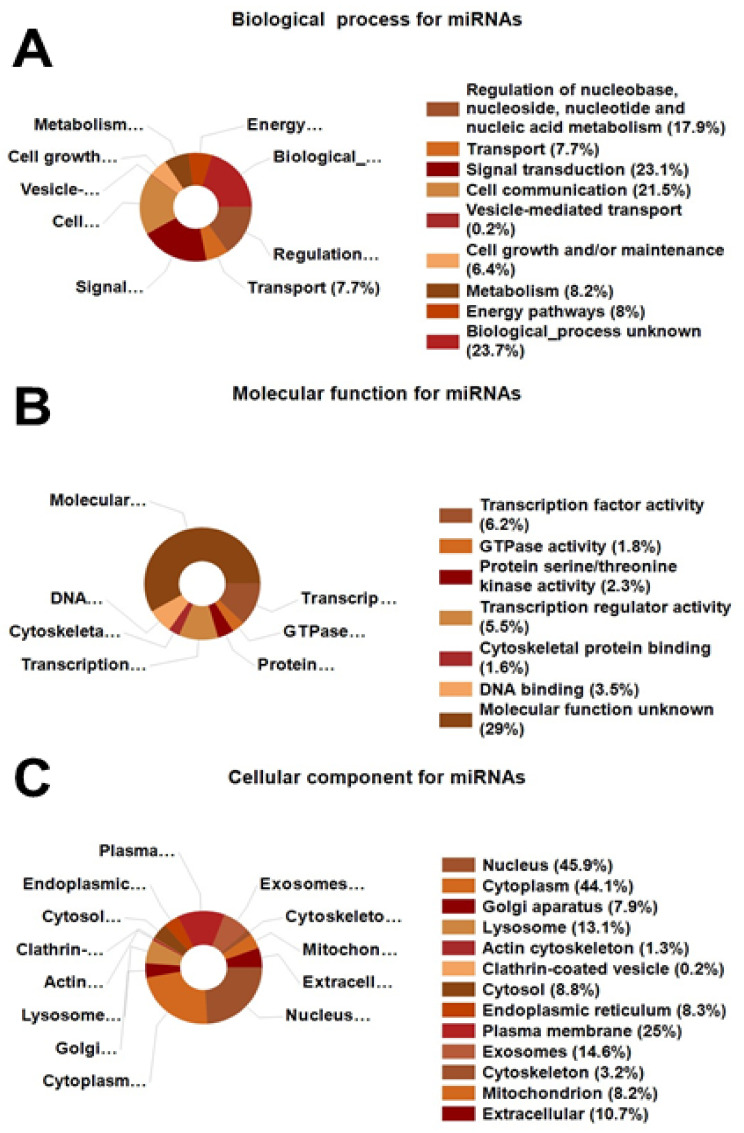
Therapeutic use of mesenchymal stem cells (MSCs) for tissue repair has great potential. MSCs from multiple sources, including those derived from human umbilical matrix, namely Wharton's jelly, may serve as a resource for obtaining MSCs. However, low in vivo engraftment efficacy of MSCs remains a challenging limitation. To improve clinical outcomes using MSCs, an in-depth understanding of the mechanisms and factors involved in successful engraftment is required. We recently demonstrated that 17β-estradiol (E2) improves MSCs in vitro proliferation, directed migration and engraftment in murine heart slices. Here, using a proteomics approach, we investigated the angiogenic potential of MSCs in vivo and the modulatory actions of E2 on mechanisms involved in tissue repair. Specifically, using a Matrigel plug assay, we evaluated the effects of E2 on MSCs-induced angiogenesis in ovariectomized (OVX) mice. Moreover, using proteomics we investigated the potential pro-repair processes, pathways, and co-mechanisms possibly modified by the treatment of MSCs with E2. Using RT-qPCR, we evaluated mRNA expression of pro-angiogenic molecules, including endoglin, Tie-2, ANG, and VEGF. Hemoglobin levels, a marker for blood vessel formation, were increased in plugs treated with E2 + MSCs, suggesting increased capillary formation. This conclusion was confirmed by the histological analysis of capillary numbers in the Matrigel plugs treated with E2 + MSC. The LC-MS screening of proteins obtained from the excised Matrigel plugs revealed 71 proteins that were significantly altered following E2 exposure, 57 up-regulated proteins and 14 down-regulated proteins. A major result was the association of over 100 microRNA molecules (miRNAs) involved in cellular communication, vesicle transport, and metabolic and energy processes, and the high percentage of approximately 25% of genes involved in unknown biological processes. Together, these data provide evidence for increased angiogenesis by MSCs treated with the sex hormone E2. In conclusion, E2 treatment may increase the engraftment and repair potential of MSCs into tissue, and may promote MSC-induced angiogenesis after tissue injury.
间充质干细胞(MSCs)在组织修复中的治疗用途具有巨大的潜力。来自多种来源的 MSCs,包括源自人脐带基质的 Wharton 胶,可能是获得 MSCs 的资源。然而,MSCs 的体内植入效率低仍然是一个具有挑战性的限制。为了提高使用 MSCs 的临床效果,需要深入了解成功植入所涉及的机制和因素。我们最近证明,17β-雌二醇(E2)可提高 MSC 在体外的增殖、定向迁移和植入到小鼠心脏切片中的能力。在这里,我们使用蛋白质组学方法研究了 MSCs 在体内的血管生成潜力以及 E2 对组织修复相关机制的调节作用。具体来说,我们使用 Matrigel plugs assay 评估了 E2 对去卵巢(OVX)小鼠中 MSC 诱导的血管生成的影响。此外,我们使用蛋白质组学研究了 E2 处理可能修饰的潜在修复过程、途径和共同机制。使用 RT-qPCR,我们评估了促血管生成分子,包括内胚层蛋白、Tie-2、ANG 和 VEGF 的 mRNA 表达。载有 E2 + MSC 的 plugs 中的血红蛋白水平升高,这是血管形成的标志物,表明毛细血管形成增加。这一结论得到了 E2 + MSC 处理的 Matrigel plugs 中毛细血管数量的组织学分析的证实。从取出的 Matrigel plugs 中获得的蛋白质的 LC-MS 筛选显示,有 71 种蛋白质在暴露于 E2 后发生显著改变,其中上调的蛋白质有 57 种,下调的蛋白质有 14 种。一个主要的结果是与细胞通讯、囊泡运输以及代谢和能量过程相关的 100 多个 microRNA 分子(miRNAs)的关联,以及大约 25%的基因参与未知的生物过程。这些数据共同证明了经过性荷尔蒙 E2 处理的 MSC 可促进血管生成。总之,E2 治疗可能会增加 MSCs 植入组织的能力和修复潜力,并可能促进组织损伤后 MSC 诱导的血管生成。