Department of Zoology, Shivaji College, University of Delhi, New Delhi 110027, India.
Department of Pharmacology, All India Institute of Medical Sciences (AIIMS), Rishikesh 249201, India.
Cells. 2021 Sep 15;10(9):2427. doi: 10.3390/cells10092427.
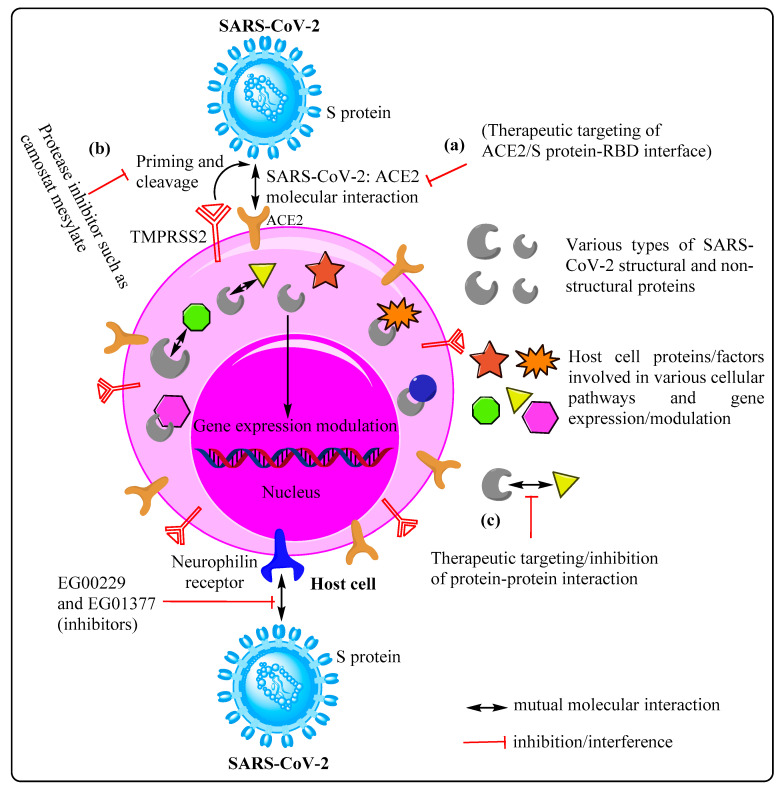
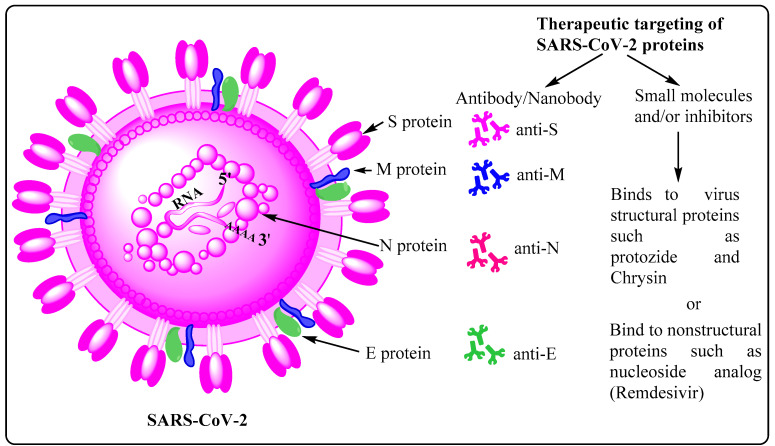
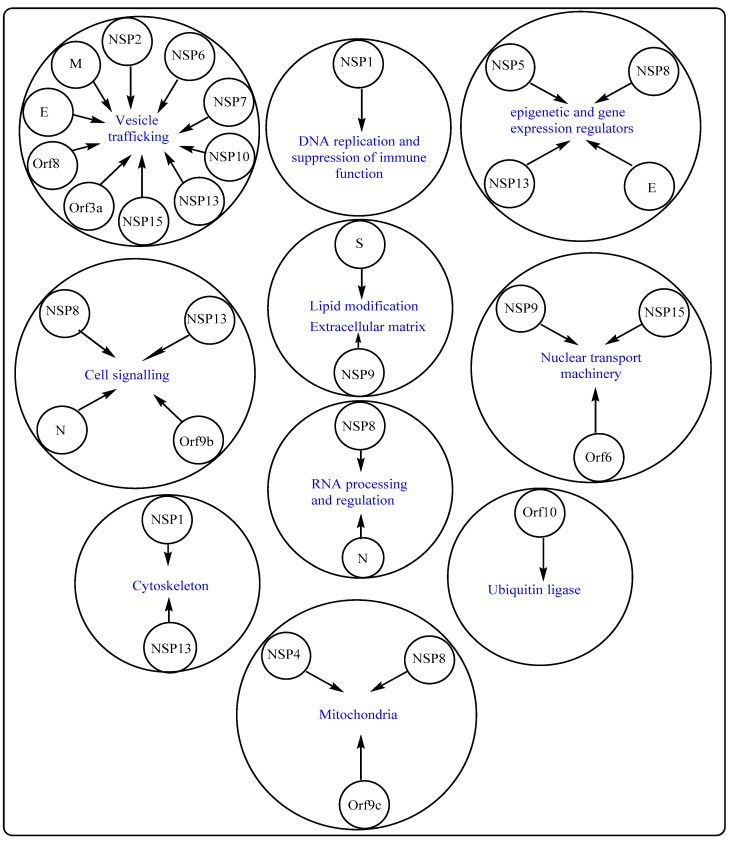
Coronavirus disease 19 (COVID-19) is caused by an enveloped, positive-sense, single-stranded RNA virus, referred to as severe acute respiratory syndrome coronavirus 2 (SARS-CoV-2), which belongs to the realm , order , family , genus and the species . This viral disease is characterized by a myriad of varying symptoms, such as pyrexia, cough, hemoptysis, dyspnoea, diarrhea, muscle soreness, dysosmia, lymphopenia and dysgeusia amongst others. The virus mainly infects humans, various other mammals, avian species and some other companion livestock. SARS-CoV-2 cellular entry is primarily accomplished by molecular interaction between the virus's spike (S) protein and the host cell surface receptor, angiotensin-converting enzyme 2 (ACE2), although other host cell-associated receptors/factors, such as neuropilin 1 (NRP-1) and neuropilin 2 (NRP-2), C-type lectin receptors (CLRs), as well as proteases such as TMPRSS2 (transmembrane serine protease 2) and furin, might also play a crucial role in infection, tropism, pathogenesis and clinical outcome. Furthermore, several structural and non-structural proteins of the virus themselves are very critical in determining the clinical outcome following infection. Considering such critical role(s) of the abovementioned host cell receptors, associated proteases/factors and virus structural/non-structural proteins (NSPs), it may be quite prudent to therapeutically target them through a multipronged clinical regimen to combat the disease.
新型冠状病毒病(COVID-19)由包膜、正链、单链 RNA 病毒引起,称为严重急性呼吸系统综合征冠状病毒 2(SARS-CoV-2),属于目、科、属、种。这种病毒性疾病的特征是有许多不同的症状,如发热、咳嗽、咯血、呼吸困难、腹泻、肌肉酸痛、嗅觉丧失、淋巴细胞减少和味觉障碍等。该病毒主要感染人类、其他各种哺乳动物、禽类以及其他一些伴侣牲畜。SARS-CoV-2 细胞进入主要通过病毒的刺突(S)蛋白与宿主细胞表面受体血管紧张素转换酶 2(ACE2)之间的分子相互作用来完成,尽管其他宿主细胞相关受体/因子,如神经纤毛蛋白 1(NRP-1)和神经纤毛蛋白 2(NRP-2)、C 型凝集素受体(CLRs)以及跨膜丝氨酸蛋白酶 2(TMPRSS2)和弗林等蛋白酶,在感染、嗜性、发病机制和临床结局中也可能发挥关键作用。此外,病毒自身的一些结构蛋白和非结构蛋白在确定感染后的临床结局方面也非常关键。鉴于上述宿主细胞受体、相关蛋白酶/因子和病毒结构/非结构蛋白(NSPs)的重要作用,通过多管齐下的临床方案针对它们进行治疗可能是非常明智的,以对抗这种疾病。