Xiong Tao, Zeng Yating, Wang Wen, Li Pudong, Gai Yunpeng, Jiao Chen, Zhu Zengrong, Xu Jianping, Li Hongye
Ministry of Agricultural and Rural Affairs Key Laboratory of Molecular Biology of Crop Pathogens and Insect Pests, Institute of Biotechnology, Zhejiang University, Hangzhou 310058, China.
Hainan Institute, Zhejiang University, Sanya 572000, China.
J Fungi (Basel). 2021 Sep 13;7(9):749. doi: 10.3390/jof7090749.
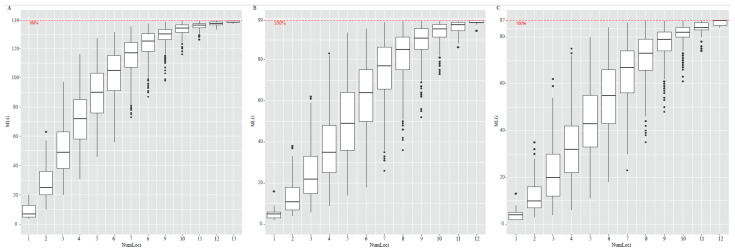
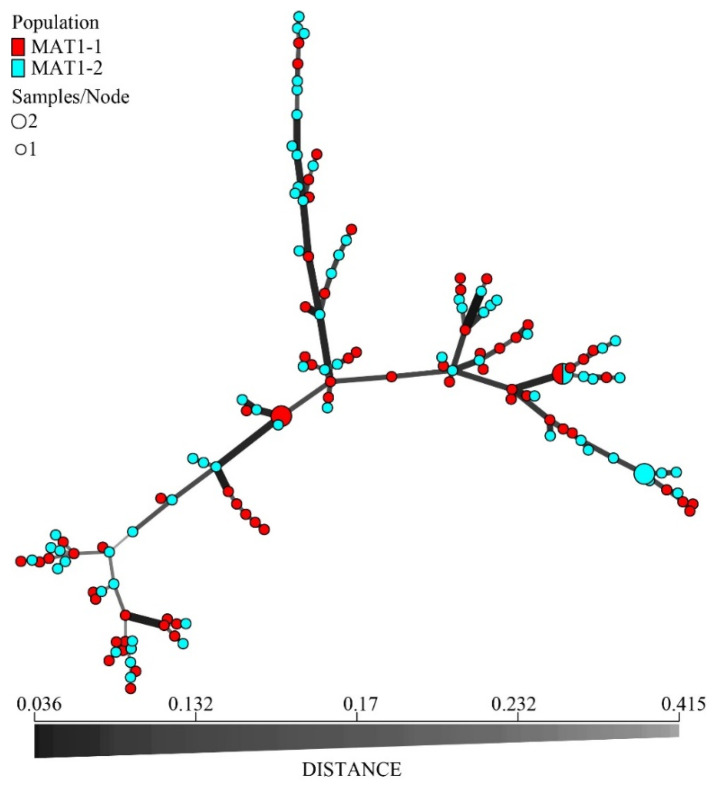
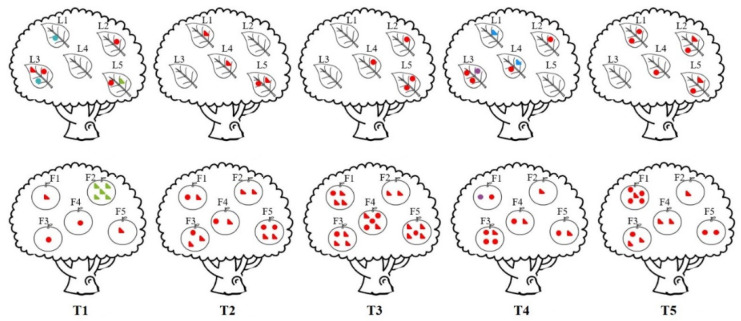
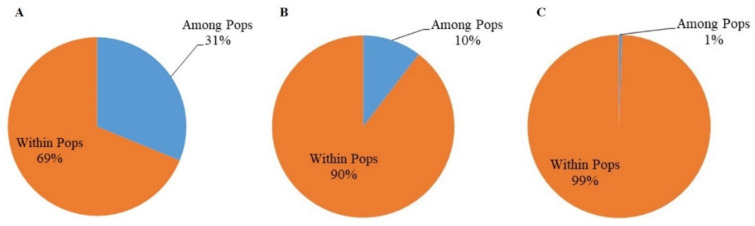
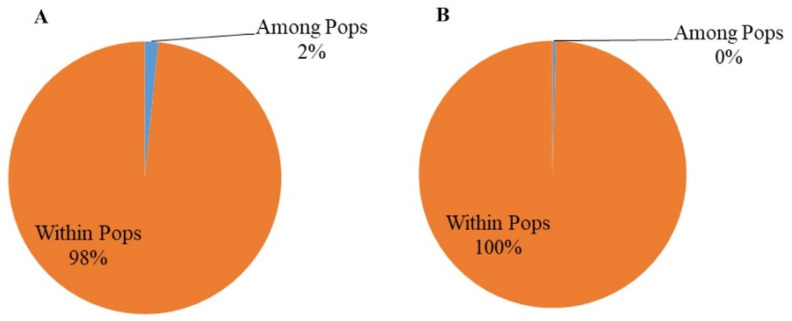
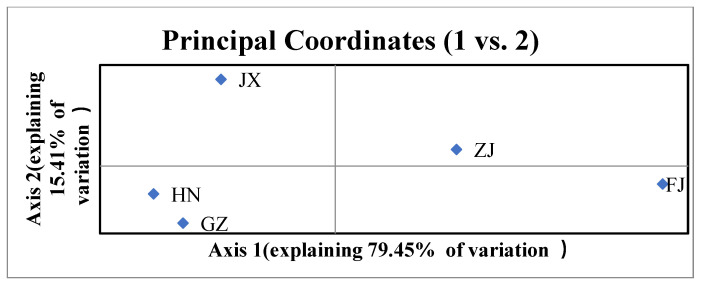
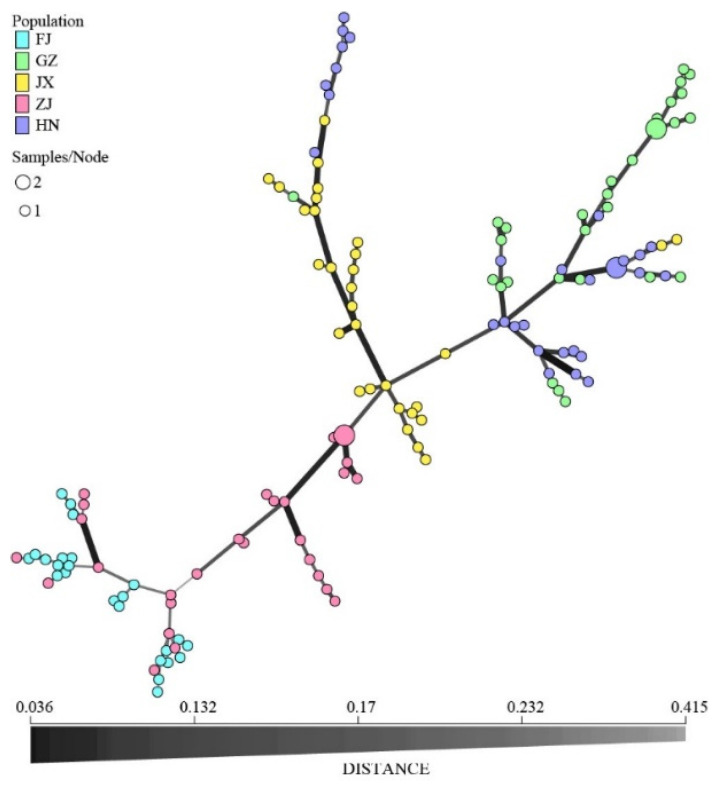
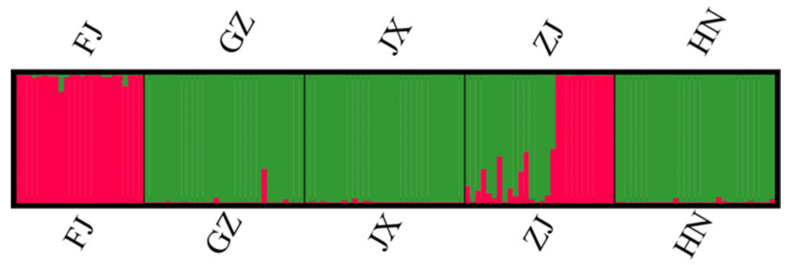
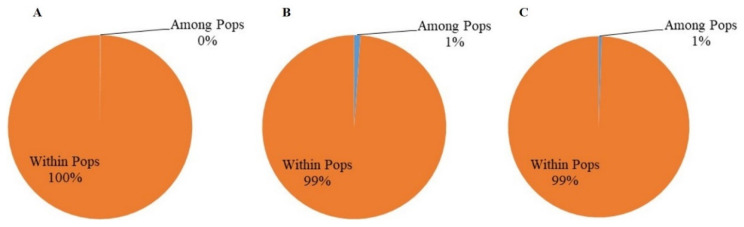
The fungal pathogen is a major cause of diseases in citrus. One common disease is melanose, responsible for large economic losses to the citrus fruit industry. However, very little is known about the epidemiology and genetic structure of . In this study, we analyzed 339 isolates from leaves and fruits with melanose symptoms from five provinces in southern China at 14 polymorphic simple sequence repeat (SSR) loci and the mating type idiomorphs. The genetic variations were analyzed at three levels with separate samples: among provinces, among orchards within one county, and among trees within one orchard. The five provincial populations from Fujian, Zhejiang, Jiangxi, Hunan, and Guizhou were significantly differentiated, while limited differences were found among orchards from the same county or among trees from the same orchard. STRUCTURE analysis detected two genetic clusters in the total sample, with different provincial subpopulations showing different frequencies of isolates in these two clusters. Mantel analysis showed significant positive correlation between genetic and geographic distances, consistent with geographic separation as a significant barrier to gene flow in in China. High levels of genetic diversity were found within individual subpopulations at all three spatial scales of analyses. Interestingly, most subpopulations at all three spatial scales had the two mating types in similar frequencies and with alleles at the 14 SSR loci not significantly different from linkage equilibrium. Indeed, strains with different mating types and different multilocus genotypes were frequently isolated from the same leaves and fruits. The results indicate that sexual reproduction plays an important role in natural populations of in southern China and that its ascospores likely represent an important contributor to citrus disease.
这种真菌病原体是柑橘类疾病的主要病因。一种常见疾病是黑星病,给柑橘水果产业造成了巨大经济损失。然而,对于该病原体的流行病学和遗传结构却知之甚少。在本研究中,我们分析了来自中国南方五个省份有黑星病症状的叶片和果实上的339个分离株,检测了14个多态性简单序列重复(SSR)位点以及交配型特异性序列。在三个层面分别对样本进行遗传变异分析:省份之间、同一县内的果园之间以及同一果园内的树之间。来自福建、浙江、江西、湖南和贵州的五个省级群体有显著分化,而同一县内果园之间或同一果园内树木之间差异有限。STRUCTURE分析在总样本中检测到两个遗传簇,不同省级亚群体在这两个簇中的分离株频率不同。Mantel分析表明遗传距离和地理距离之间存在显著正相关,这与地理隔离是中国该病原体基因流动的重要障碍相一致。在所有三个空间尺度的分析中,各个亚群体内均发现了高水平的遗传多样性。有趣的是,在所有三个空间尺度上,大多数亚群体中两种交配型的频率相似,且14个SSR位点的等位基因与连锁平衡无显著差异。实际上,经常从同一叶片和果实中分离出具有不同交配型和不同多位点基因型的菌株。结果表明,有性生殖在中国南方该病原体的自然种群中发挥着重要作用,其子囊孢子可能是柑橘病害的重要来源。