Munhoz-Alves Natália, Mimura Luiza Ayumi Nishiyama, Viero Rosa Marlene, Bagagli Eduardo, Peron Jean Pierre Schatzmann, Sartori Alexandrina, Fraga-Silva Thais Fernanda de Campos
Department of Chemistry and Biological Sciences, Institute of Biosciences, São Paulo State University (UNESP), Botucatu 18618-689, Brazil.
Department of Pathology, Botucatu Medical School, São Paulo State University (UNESP), Botucatu 18618-687, Brazil.
J Fungi (Basel). 2021 Sep 14;7(9):757. doi: 10.3390/jof7090757.
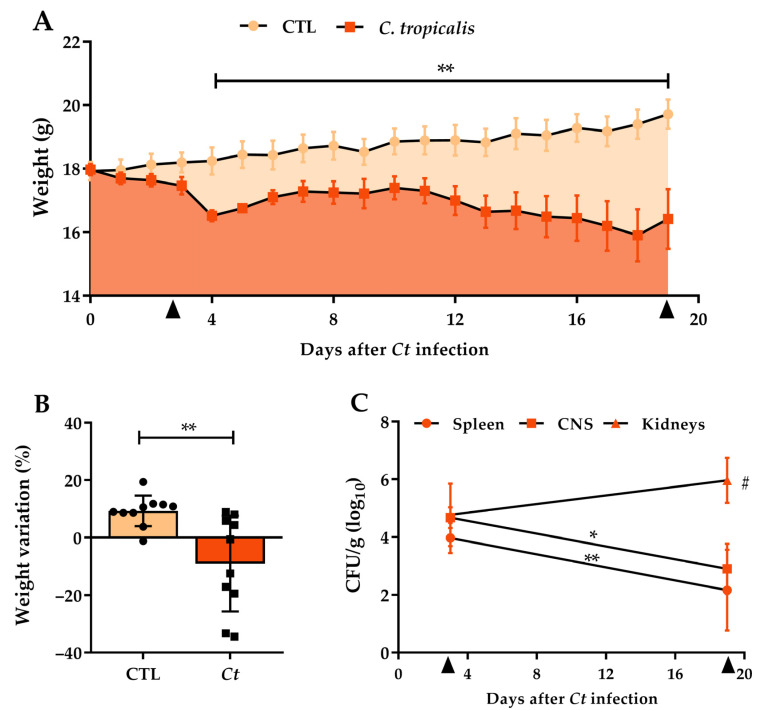
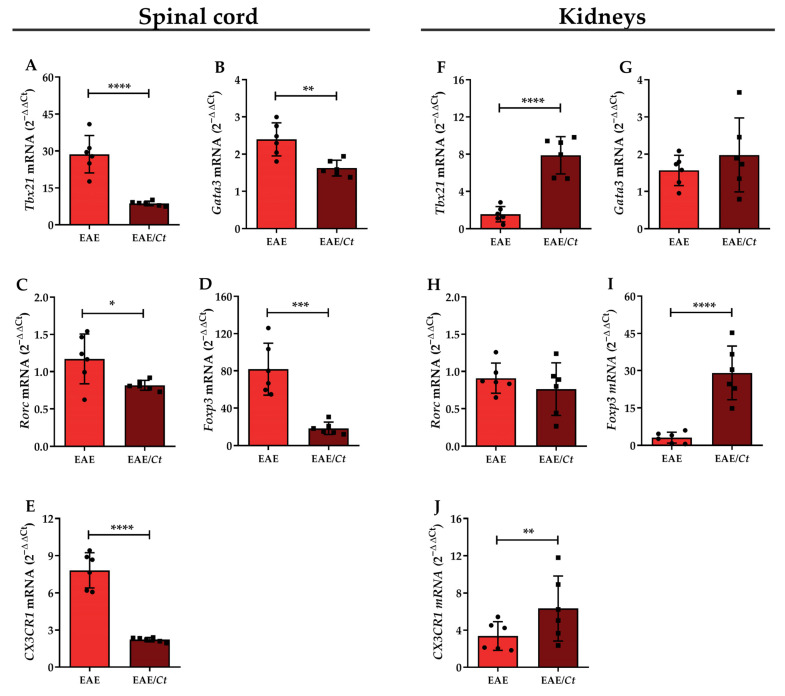
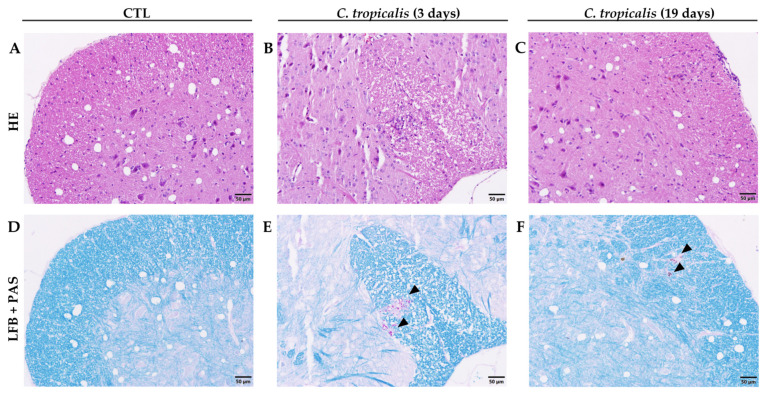
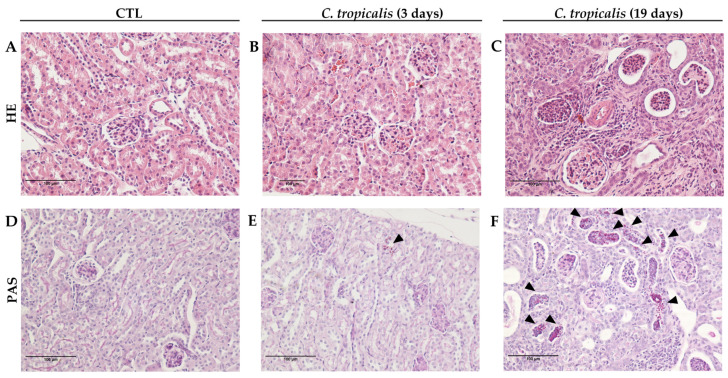
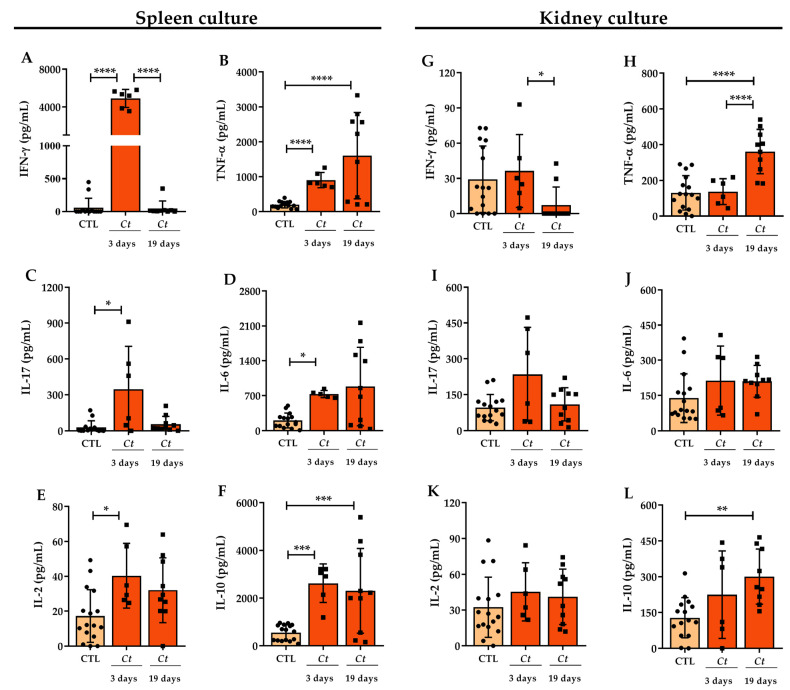
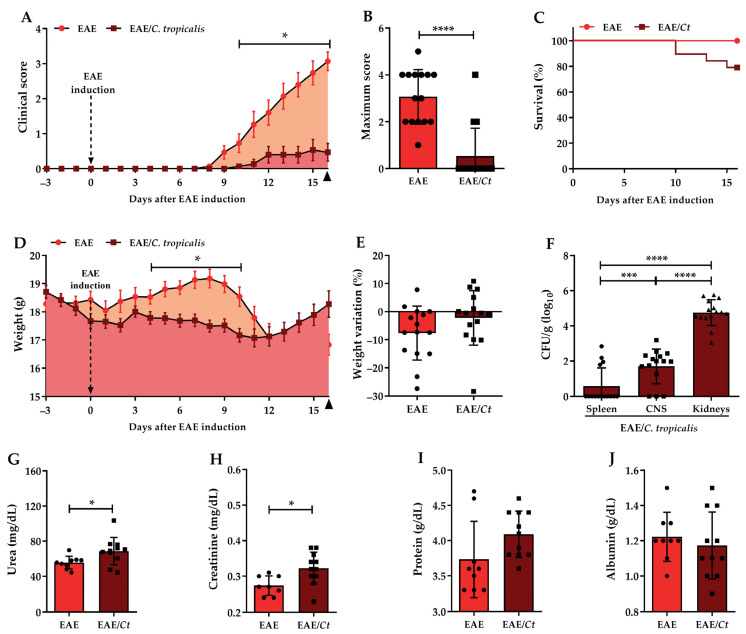
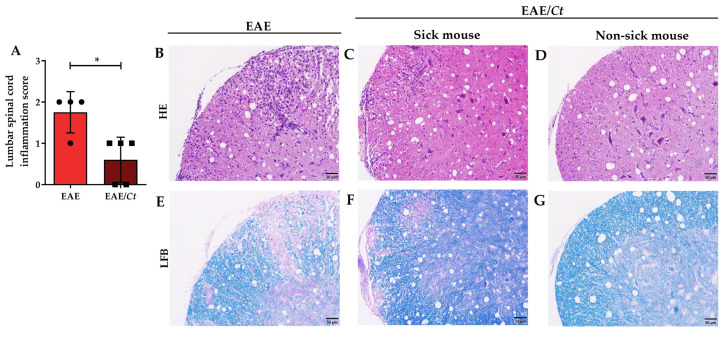
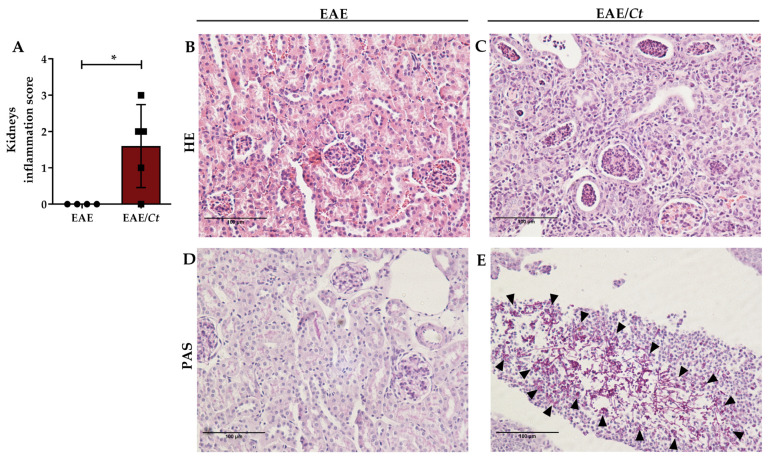
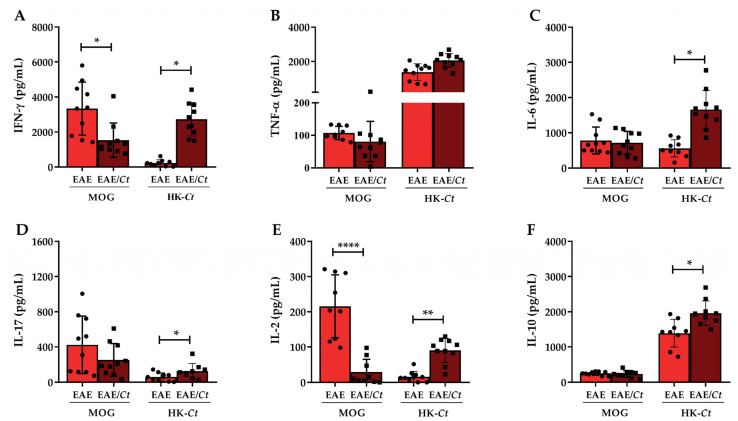
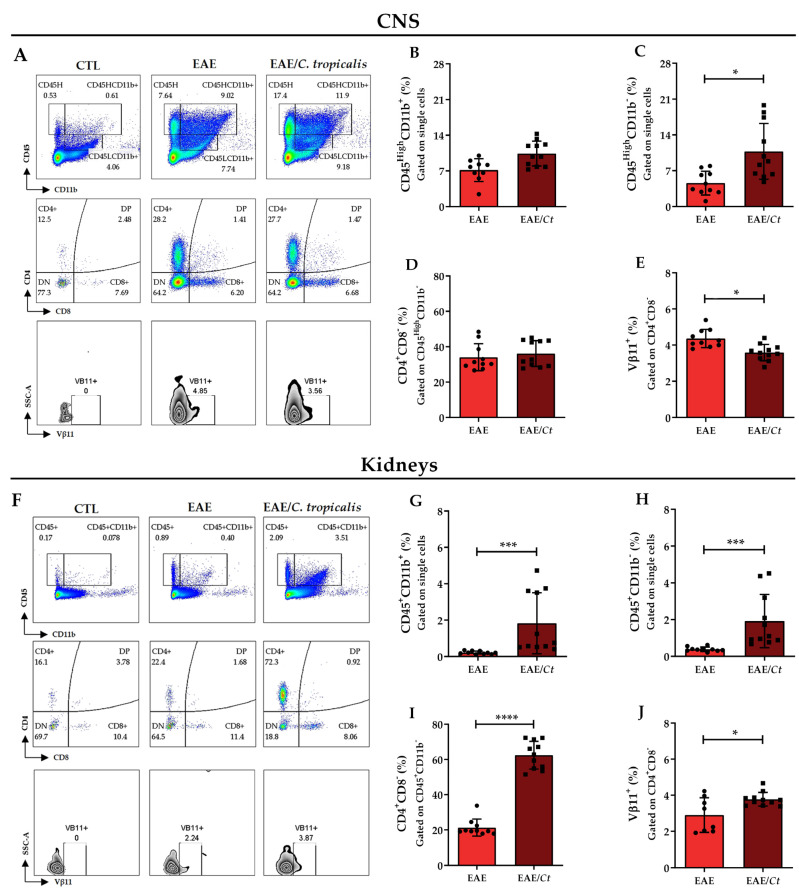
Environmental factors, including infections, are strongly associated with the pathogenesis of multiple sclerosis (MS), which is an autoimmune and demyelinating disease of the central nervous system (CNS). Although classically associated with bacterial and viral agents, fungal species have also been suspected to affect the course of the disease. is an opportunistic fungus that affects immunocompromised individuals and is also able to spread to vital organs. As has been increasingly isolated from systemic infections, we aimed to evaluate the effect of this fungus on experimental autoimmune encephalomyelitis (EAE), a murine model to study MS. For this, EAE was induced in female C57BL/6 mice 3 days after infection with 10 viable yeasts. The infection decreased EAE prevalence and severity, confirmed by the less inflammatory infiltrate and less demyelization in the lumbar spinal cord. Despite this, infection associated with EAE results in the death of some animals and increased urea and creatinine serum levels. The kidneys of EAE-infected mice showed higher fungal load associated with increased leukocyte infiltration (CD45 cells) and higher expression of T-box transcription factor () and forkhead box P3 (). Altogether, our results demonstrate that although infection reduces the prevalence and severity of EAE, partially due to the sequestration of leukocytes by the inflamed renal tissue, this effect is associated with a poor disease outcome.
环境因素,包括感染,与多发性硬化症(MS)的发病机制密切相关,多发性硬化症是一种中枢神经系统(CNS)的自身免疫性脱髓鞘疾病。虽然传统上认为与细菌和病毒病原体有关,但真菌物种也被怀疑会影响疾病的进程。白色念珠菌是一种机会性真菌,可影响免疫功能低下的个体,并且还能够扩散到重要器官。由于白色念珠菌越来越多地从全身感染中分离出来,我们旨在评估这种真菌对实验性自身免疫性脑脊髓炎(EAE)的影响,EAE是一种用于研究MS的小鼠模型。为此,在感染10个活的白色念珠菌酵母3天后,在雌性C57BL / 6小鼠中诱导EAE。感染降低了EAE的患病率和严重程度,腰椎脊髓中炎症浸润较少和脱髓鞘较少证实了这一点。尽管如此,与EAE相关的白色念珠菌感染导致一些动物死亡,并增加了血清尿素和肌酐水平。EAE感染小鼠的肾脏显示出较高的真菌负荷,这与白细胞浸润增加(CD45细胞)以及T盒转录因子(T-bet)和叉头盒P3(Foxp3)的表达增加有关。总之,我们的结果表明,虽然白色念珠菌感染降低了EAE的患病率和严重程度,部分原因是炎症性肾组织隔离了白细胞,但这种作用与不良的疾病结局有关。