Zhila Natalia O, Sapozhnikova Kristina Yu, Kiselev Evgeniy G, Vasiliev Alexander D, Nemtsev Ivan V, Shishatskaya Ekaterina I, Volova Tatiana G
Basic Department of Biotechnology, School of Fundamental Biology and Biotechnology, Siberian Federal University, 79 Svobodnyi Av., 660041 Krasnoyarsk, Russia.
Federal Research Center "Krasnoyarsk Science Center SB RAS", Institute of Biophysics SB RAS, 50/50 Akademgorodok, 660036 Krasnoyarsk, Russia.
Polymers (Basel). 2021 Sep 17;13(18):3142. doi: 10.3390/polym13183142.
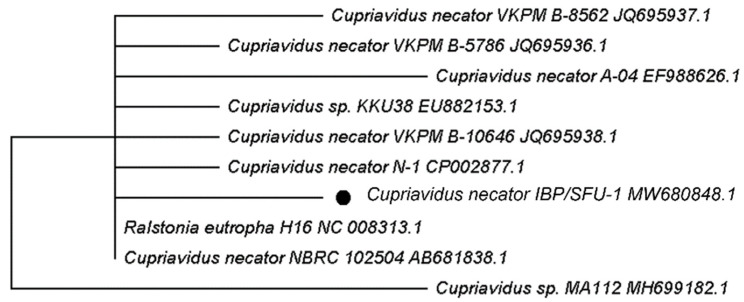
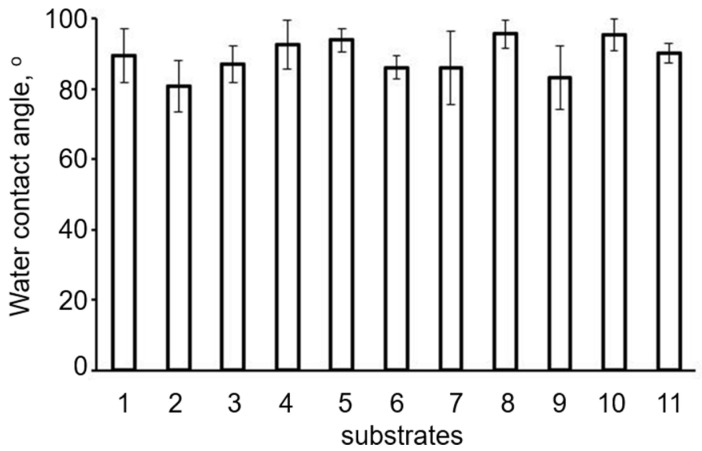
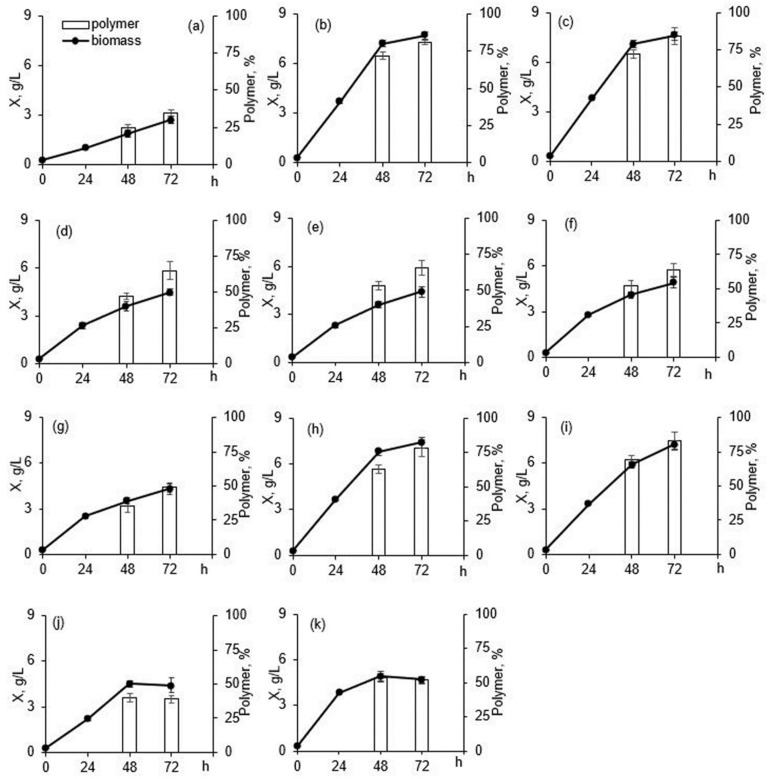
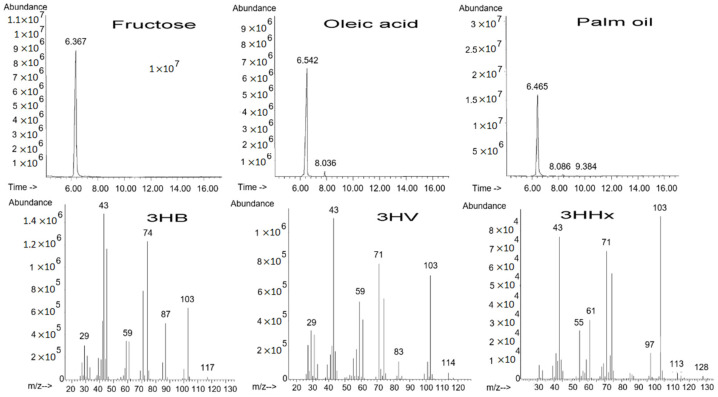
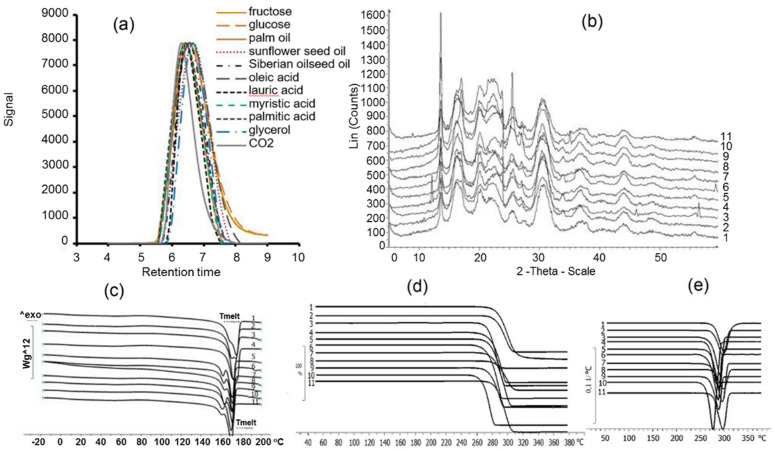
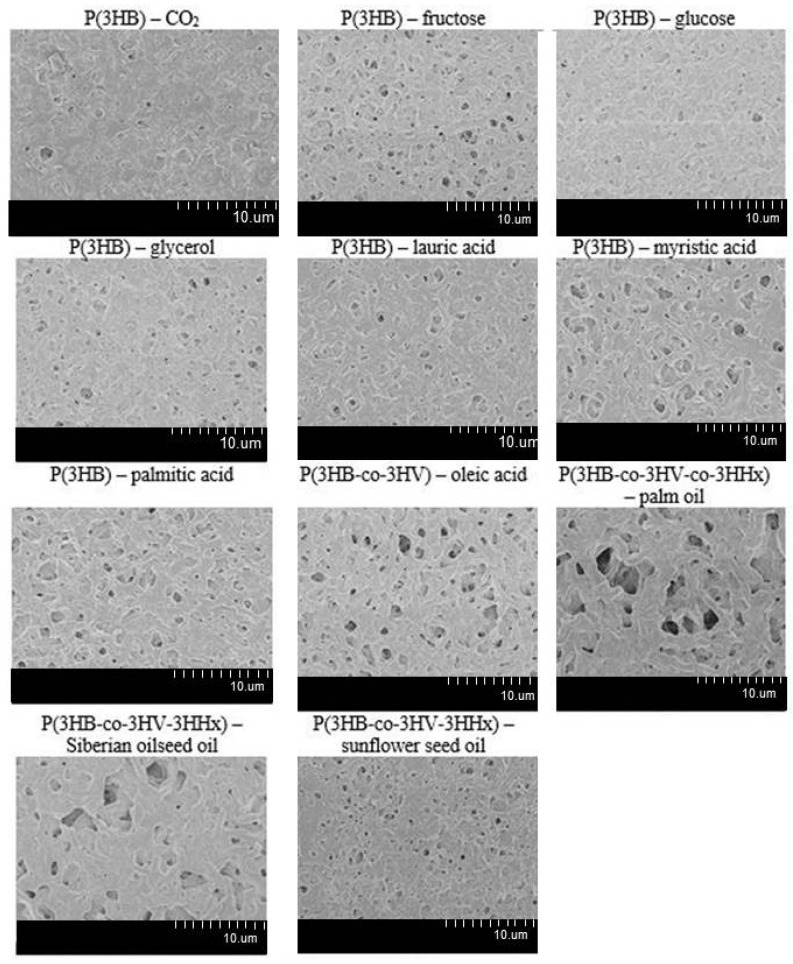
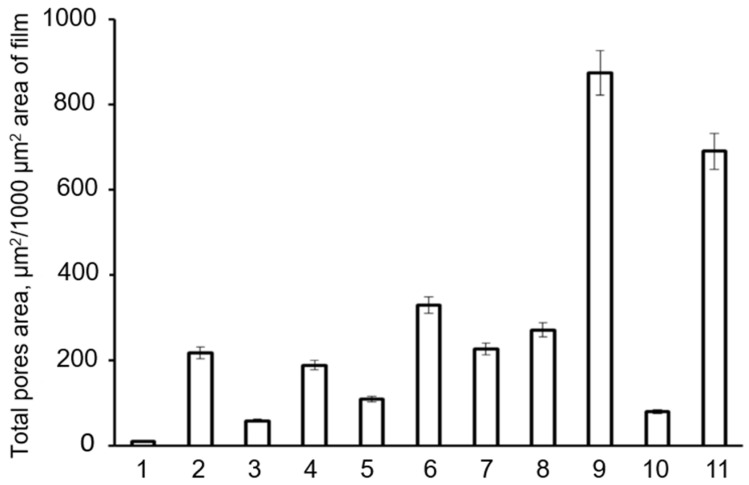
The bacterial strain isolated from soil was identified as IBP/SFU-1 and investigated as a PHA producer. The strain was found to be able to grow and synthesize PHAs under autotrophic conditions and showed a broad organotrophic potential towards different carbon sources: sugars, glycerol, fatty acids, and plant oils. The highest cell concentrations (7-8 g/L) and PHA contents were produced from oleic acid (78%), fructose, glucose, and palm oil (over 80%). The type of the carbon source influenced the PHA chemical composition and properties: when grown on oleic acid, the strain synthesized the P(3HB-co-3HV) copolymer; on plant oils, the P(3HB-co-3HV-co-3HHx) terpolymer, and on the other substrates, the P(3HB) homopolymer. The type of the carbon source influenced molecular-weight properties of PHAs: P(3HB) synthesized under autotrophic growth conditions, from CO, had the highest number-average (290 ± 15 kDa) and weight-average (850 ± 25 kDa) molecular weights and the lowest polydispersity (2.9 ± 0.2); polymers synthesized from organic carbon sources showed increased polydispersity and reduced molecular weight. The carbon source was not found to affect the degree of crystallinity and thermal properties of the PHAs. The type of the carbon source determined not only PHA composition and molecular weight but also surface microstructure and porosity of the polymer films. The new strain can be recommended as a promising P(3HB) producer from palm oil, oleic acid, and sugars (fructose and glucose) and as a producer of P(3HB-co-3HV) from oleic acid and P(3HB-co-3HV-co-3HHx) from palm oil.
从土壤中分离出的细菌菌株被鉴定为IBP/SFU-1,并作为聚羟基脂肪酸酯(PHA)生产者进行了研究。该菌株被发现能够在自养条件下生长并合成PHA,并且对不同碳源(糖、甘油、脂肪酸和植物油)表现出广泛的有机营养潜力。从油酸(78%)、果糖、葡萄糖和棕榈油(超过80%)中产生了最高的细胞浓度(7-8 g/L)和PHA含量。碳源的类型影响了PHA的化学组成和性质:当在油酸上生长时,该菌株合成了P(3HB-co-3HV)共聚物;在植物油上,合成了P(3HB-co-3HV-co-3HHx)三元共聚物,而在其他底物上,合成了P(3HB)均聚物。碳源的类型影响了PHA的分子量性质:在自养生长条件下由CO合成的P(3HB)具有最高的数均分子量(290±15 kDa)和重均分子量(850±25 kDa)以及最低的多分散性(2.9±0.2);由有机碳源合成的聚合物表现出多分散性增加和分子量降低。未发现碳源会影响PHA的结晶度和热性能。碳源的类型不仅决定了PHA的组成和分子量,还决定了聚合物薄膜的表面微观结构和孔隙率。该新菌株可被推荐为从棕榈油、油酸和糖(果糖和葡萄糖)中生产有前景的P(3HB)的生产者,以及从油酸中生产P(3HB-co-3HV)和从棕榈油中生产P(3HB-co-3HV-co-3HHx)的生产者。