Rasool Mahmood, Natesan Pushparaj Peter, Buhmeida Abdelbaset, Karim Sajjad
Center of Excellence in Genomic Medicine Research, Faculty of Applied Medical Sciences, King Abdulaziz University, Jeddah, Saudi Arabia.
Department of Medical Laboratory Technology, Faculty of Applied Medical Sciences, King Abdulaziz University, Jeddah, Saudi Arabia.
Saudi J Biol Sci. 2021 Oct;28(10):5906-5912. doi: 10.1016/j.sjbs.2021.06.048. Epub 2021 Jun 20.
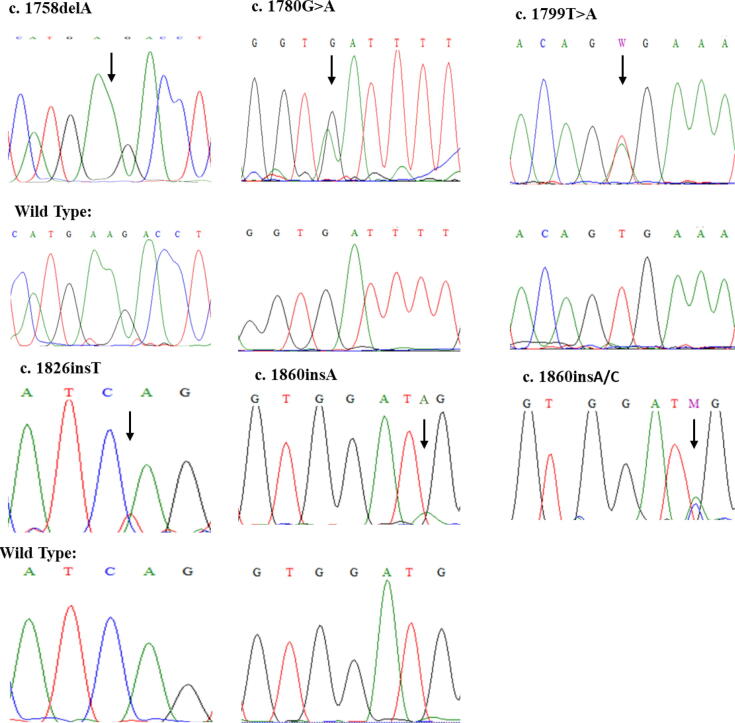
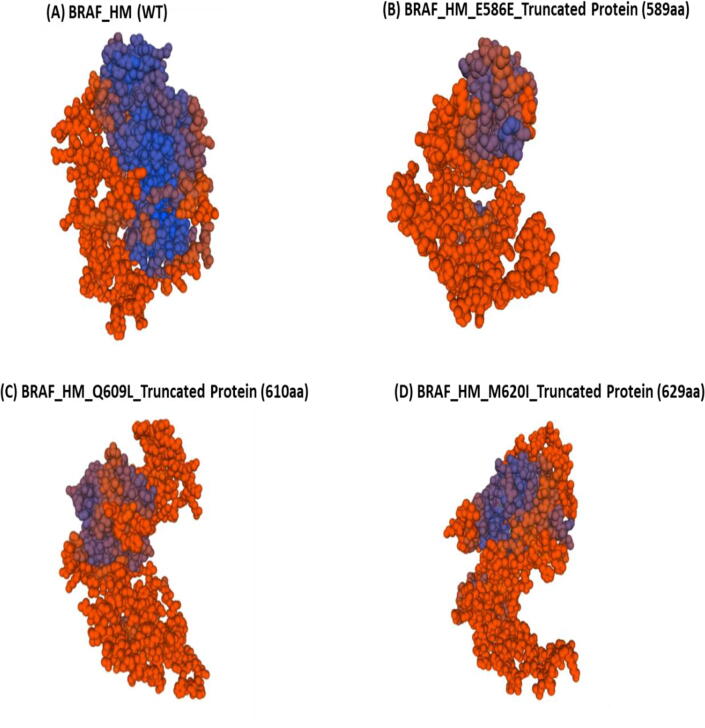
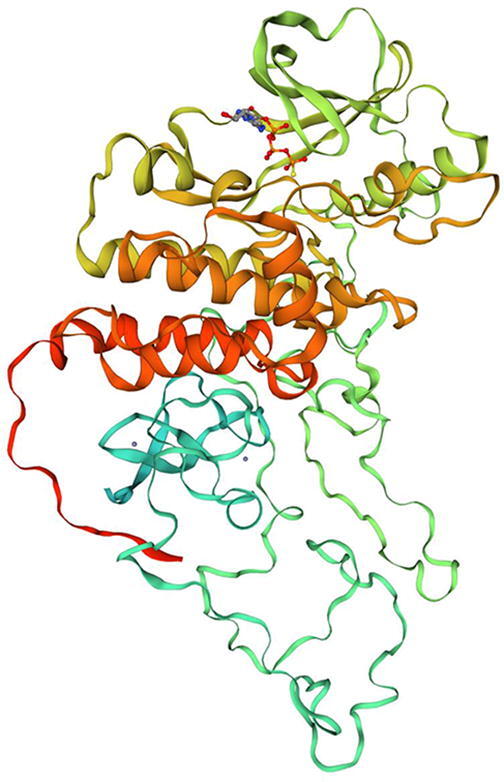
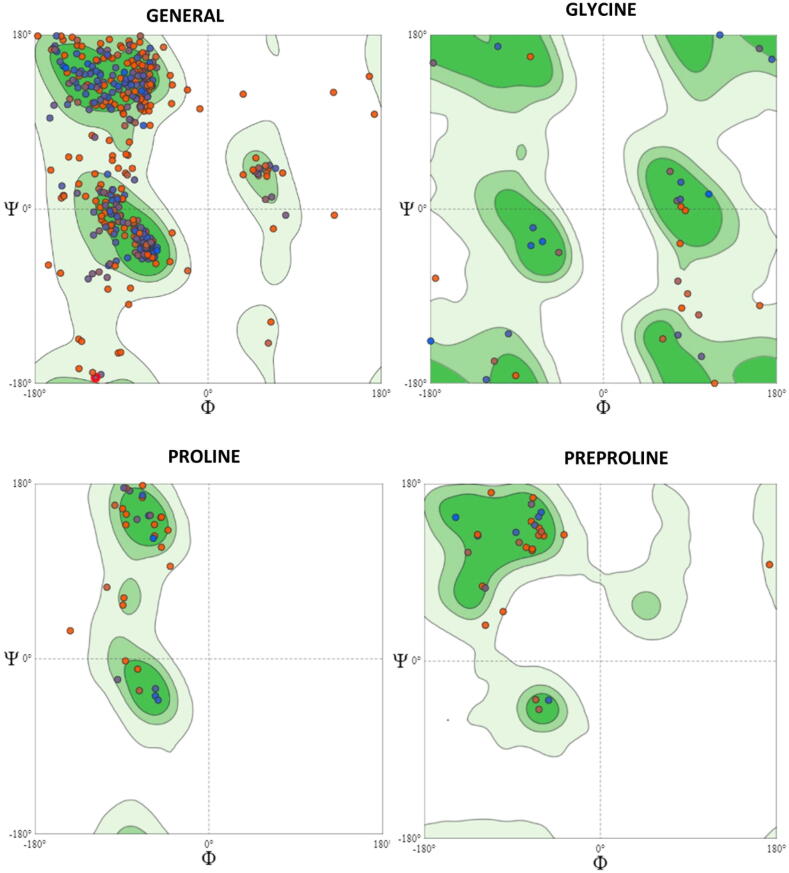
Colorectal cancer (CRC) is one of the topmost causes of death in males in Saudi Arabia. In females, it was also within the top five cancer types. CRC is heterogeneous in terms of pathogenicity and molecular genetic pathways. It is very important to determine the genetic causes of CRC in the Saudi population. BRAF is one of the major genes involved in cancers, it participates in transmitting chemical signals from outside the cells into the nucleus of the cells and it is also shown to participate in cell growth. In this study, we mapped the spectrum of BRAF mutations in 100 Saudi patients with CRC. We collected tissue samples from colorectal cancer patients, sequenced the BRAF gene to identify gene alterations, and analyzed the data using different bioinformatics tools. We designed a three-dimensional (3D) homology model of the BRAF protein using the Swiss Model automated homology modeling platform to study the structural impact of these mutations using the Missense3D algorithm. We found six mutations in 14 patients with CRC. Four of these mutations are being reported for the first time. The novel frameshift mutations observed in CRC patients, such as c.1758delA (E586E), c.1826insT (Q609L), c.1860insA and c.1860insA/C (M620I), led to truncated proteins of 589, 610, and 629 amino acids, respectively, and potentially affected the structure and the normal functions of BRAF. These findings provide insights into the molecular etiology of CRC in general and to the Saudi population. BRAF genetic testing may also guide treatment modalities, and the treatment may be optimized based on personalized gene variations.
结直肠癌(CRC)是沙特阿拉伯男性最主要的死因之一。在女性中,它也位列五大癌症类型之内。CRC在致病性和分子遗传途径方面具有异质性。确定沙特人群中CRC的遗传病因非常重要。BRAF是参与癌症的主要基因之一,它参与将细胞外的化学信号传递到细胞核中,并且还显示参与细胞生长。在本研究中,我们绘制了100名沙特CRC患者中BRAF突变的图谱。我们从结直肠癌患者中收集组织样本,对BRAF基因进行测序以识别基因改变,并使用不同的生物信息学工具分析数据。我们使用瑞士模型自动同源建模平台设计了BRAF蛋白的三维(3D)同源模型,以使用错义3D算法研究这些突变的结构影响。我们在14名CRC患者中发现了6种突变。其中4种突变是首次报道。在CRC患者中观察到的新型移码突变,如c.1758delA(E586E)、c.1826insT(Q609L)、c.1860insA和c.1860insA/C(M620I),分别导致了589、610和629个氨基酸的截短蛋白,并可能影响BRAF的结构和正常功能。这些发现为一般CRC以及沙特人群的分子病因学提供了见解。BRAF基因检测也可能指导治疗方式,并且可以根据个性化的基因变异优化治疗。