O'Reilly Eimear, Zeinabad Hojjat Alizadeh, Nolan Caoimhe, Sefy Jamileh, Williams Thomas, Tarunina Marina, Hernandez Diana, Choo Yen, Szegezdi Eva
Apoptosis Research Centre, Department of Biochemistry, School of Natural Sciences, National University of Ireland Galway, Galway, Ireland.
Plasticell Ltd., Stevenage Bioscience Catalyst, Stevenage, United Kingdom.
Front Cell Dev Biol. 2021 Sep 13;9:662868. doi: 10.3389/fcell.2021.662868. eCollection 2021.
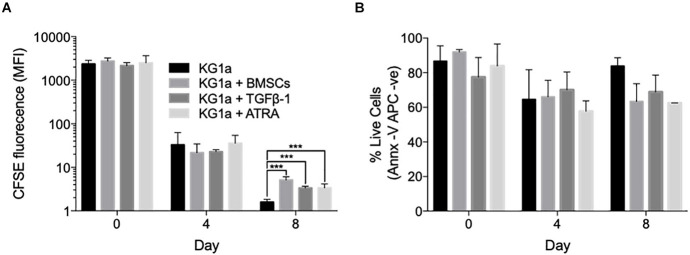
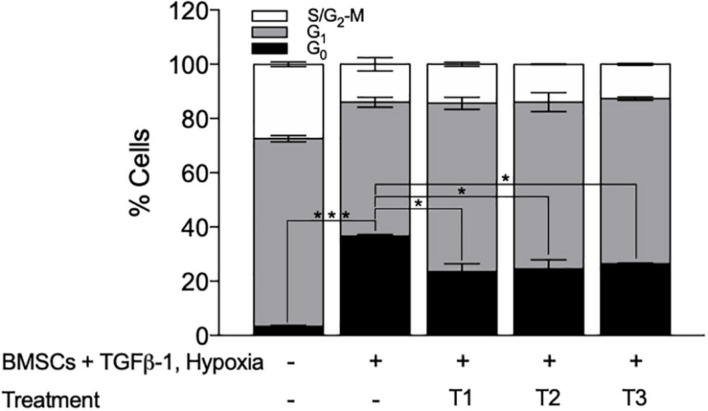
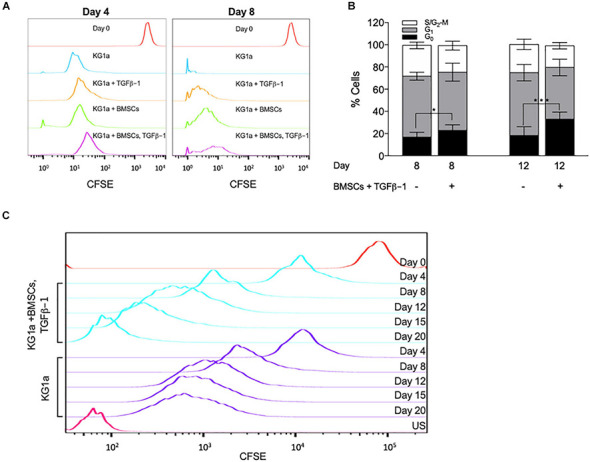
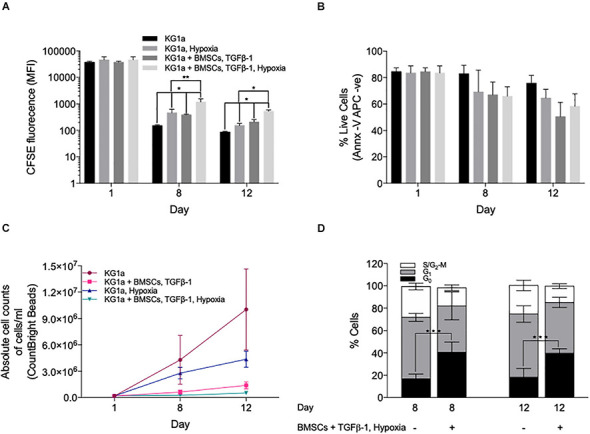
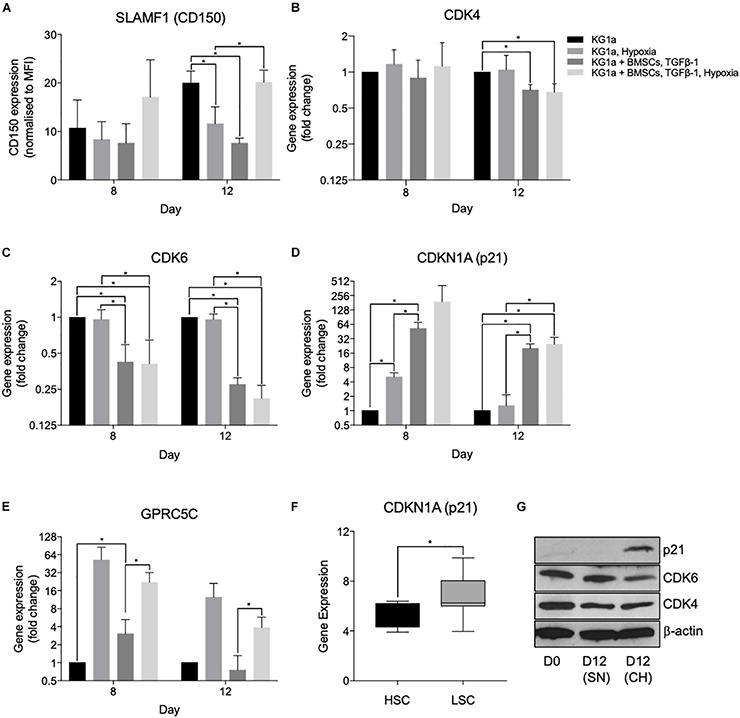
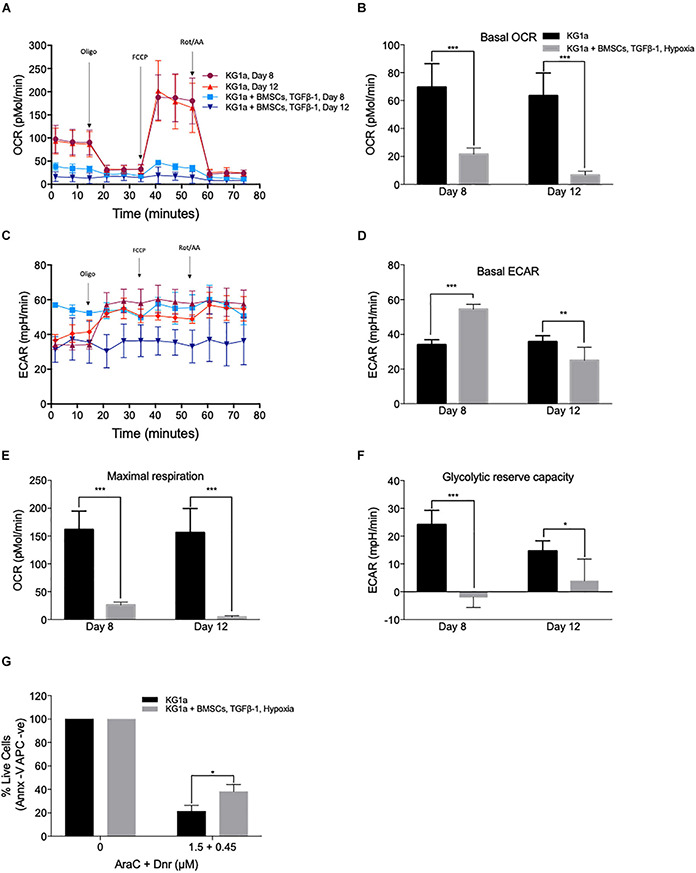
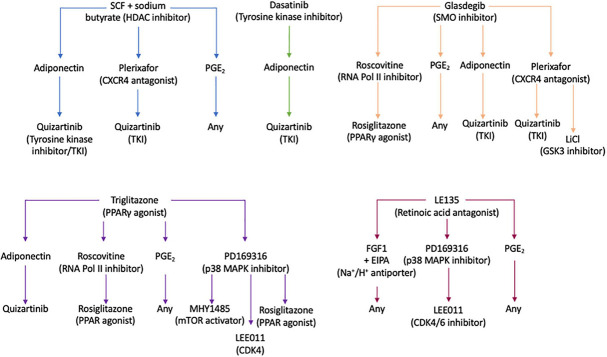
The main challenge in the treatment of acute myeloid leukemia (AML) is relapse, as it has no good treatment options and 90% of relapsed patients die as a result. It is now well accepted that relapse is due to a persisting subset of AML cells known as leukemia-initiating cells or leukemic stem cells (LSCs). Hematopoietic stem cells (HSCs) reside in the bone marrow microenvironment (BMM), a specialized niche that coordinates HSC self-renewal, proliferation, and differentiation. HSCs are divided into two types: long-term HSCs (LT-HSCs) and short-term HSCs, where LT-HSCs are typically quiescent and act as a reserve of HSCs. Like LT-HSCs, a quiescent population of LSCs also exist. Like LT-HSCs, quiescent LSCs have low metabolic activity and receive pro-survival signals from the BMM, making them resistant to drugs, and upon discontinuation of therapy, they can become activated and re-establish the disease. Several studies have shown that the activation of quiescent LSCs may sensitize them to cytotoxic drugs. However, it is very difficult to experimentally model the quiescence-inducing BMM. Here we report that culturing AML cells with bone marrow stromal cells, transforming growth factor beta-1 and hypoxia in a three-dimensional system can replicate the quiescence-driving BMM. A quiescent-like state of the AML cells was confirmed by reduced cell proliferation, increased percentage of cells in the G cell cycle phase and a decrease in absolute cell numbers, expression of markers of quiescence, and reduced metabolic activity. Furthermore, the culture could be established as co-axial microbeads, enabling high-throughput screening, which has been used to identify combination drug treatments that could break BMM-mediated LSC quiescence, enabling the eradication of quiescent LSCs.
急性髓系白血病(AML)治疗中的主要挑战是复发,因为目前尚无良好的治疗方案,90%的复发患者最终死亡。现在人们普遍认为,复发是由于存在一小部分持续存在的AML细胞,即白血病起始细胞或白血病干细胞(LSCs)。造血干细胞(HSCs)存在于骨髓微环境(BMM)中,这是一个专门的生态位,可协调HSC的自我更新、增殖和分化。HSCs分为两种类型:长期HSCs(LT-HSCs)和短期HSCs,其中LT-HSCs通常处于静止状态,作为HSCs的储备。与LT-HSCs一样,也存在静止状态的LSCs群体。与LT-HSCs一样,静止的LSCs代谢活性低,并从BMM接收促生存信号,使其对药物具有抗性,并且在治疗中断后,它们可以被激活并重新引发疾病。多项研究表明,静止LSCs的激活可能会使其对细胞毒性药物敏感。然而,通过实验模拟诱导静止的BMM非常困难。在此我们报告,在三维系统中用骨髓基质细胞、转化生长因子β-1和缺氧培养AML细胞可以复制驱动静止的BMM。通过细胞增殖减少、G细胞周期阶段细胞百分比增加、绝对细胞数减少、静止标志物表达以及代谢活性降低,证实了AML细胞处于类似静止的状态。此外,该培养物可以建立为同轴微珠,实现高通量筛选,已用于鉴定能够打破BMM介导的LSC静止状态、从而根除静止LSCs的联合药物治疗。