Department of Translational Neuroscience, Michigan State University, Grand Rapids, Michigan 49503
Department of Translational Neuroscience, Michigan State University, Grand Rapids, Michigan 49503.
J Neurosci. 2021 Nov 10;41(45):9431-9451. doi: 10.1523/JNEUROSCI.1914-20.2021. Epub 2021 Oct 4.
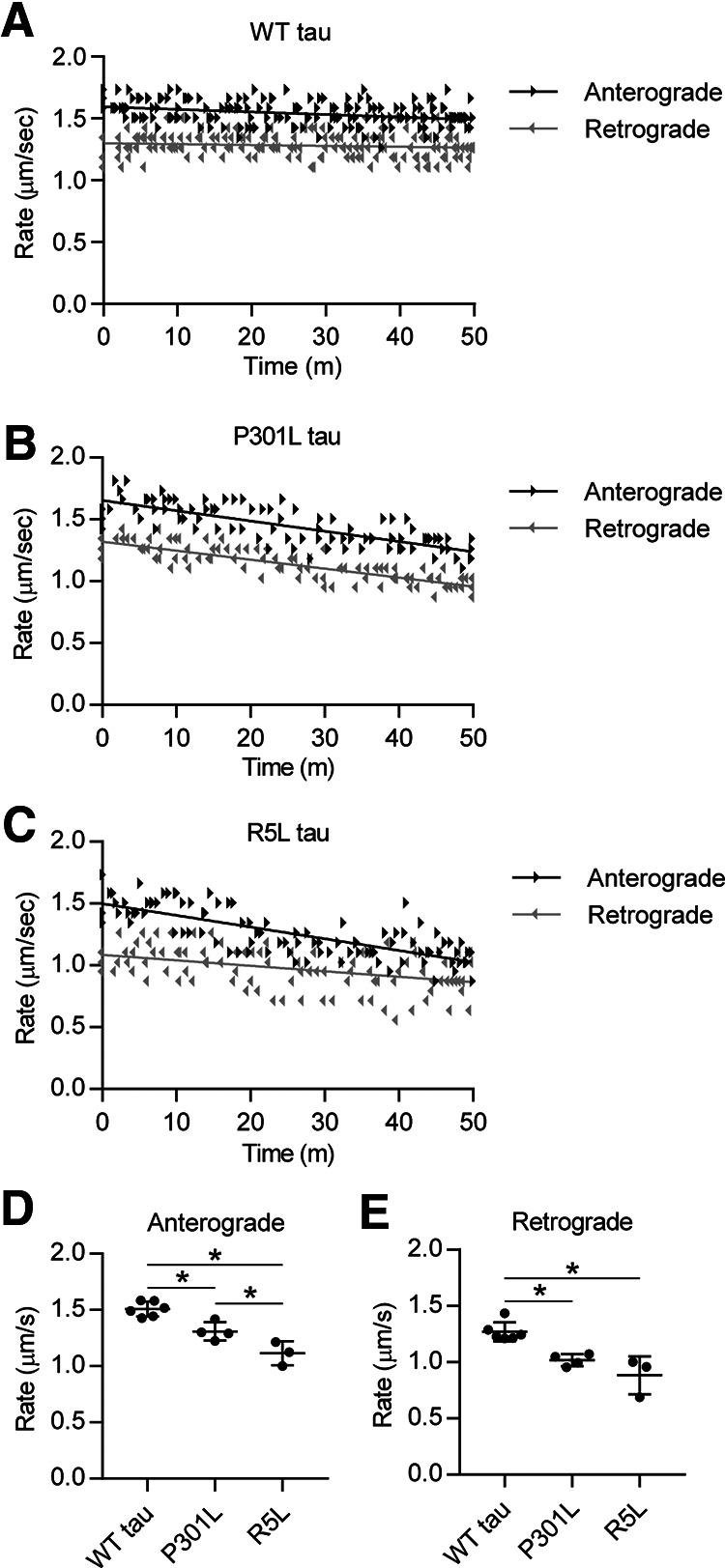
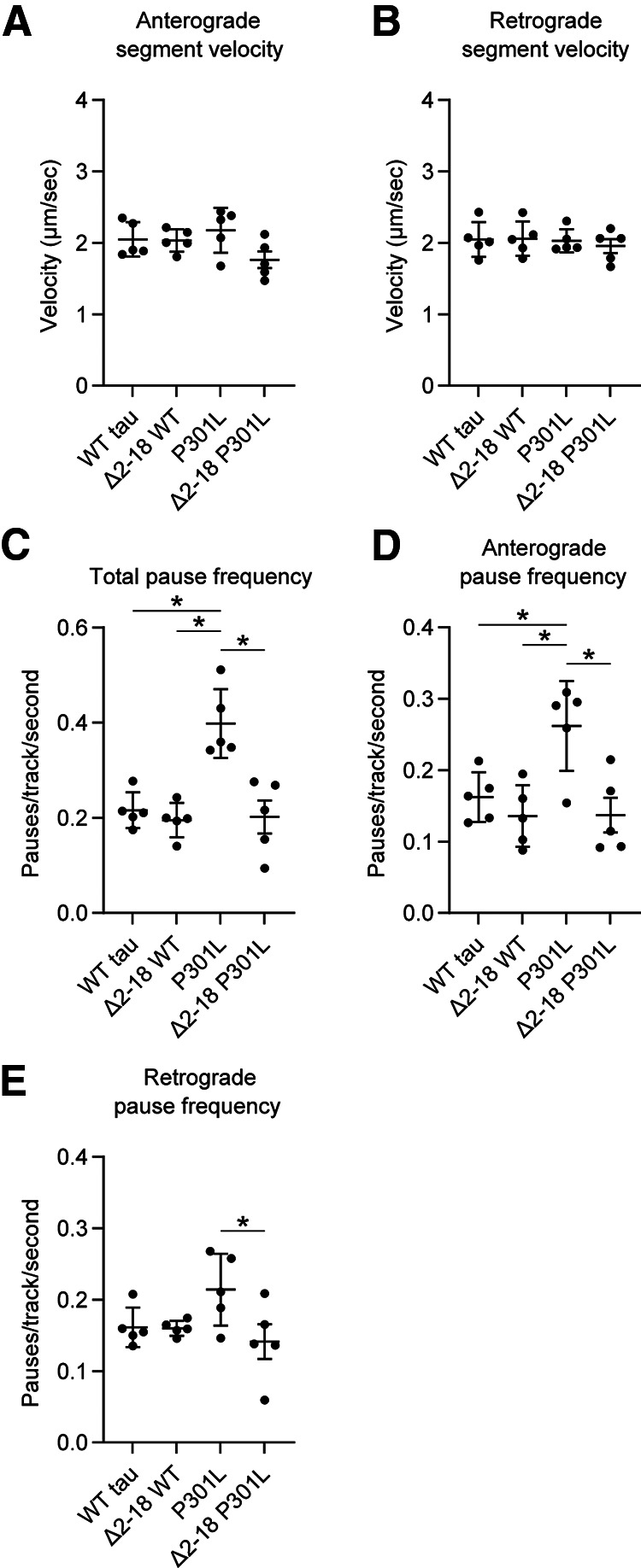
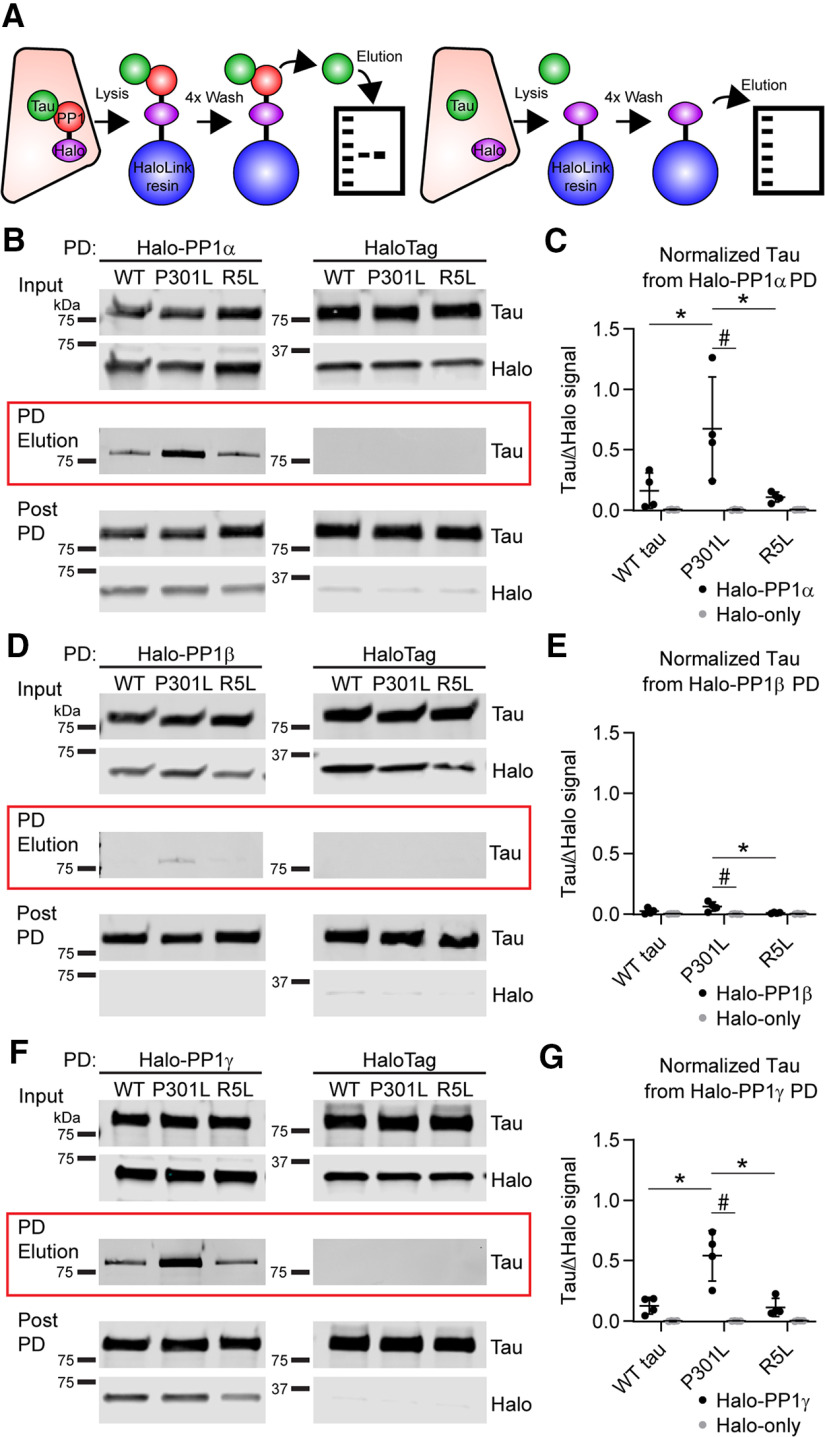
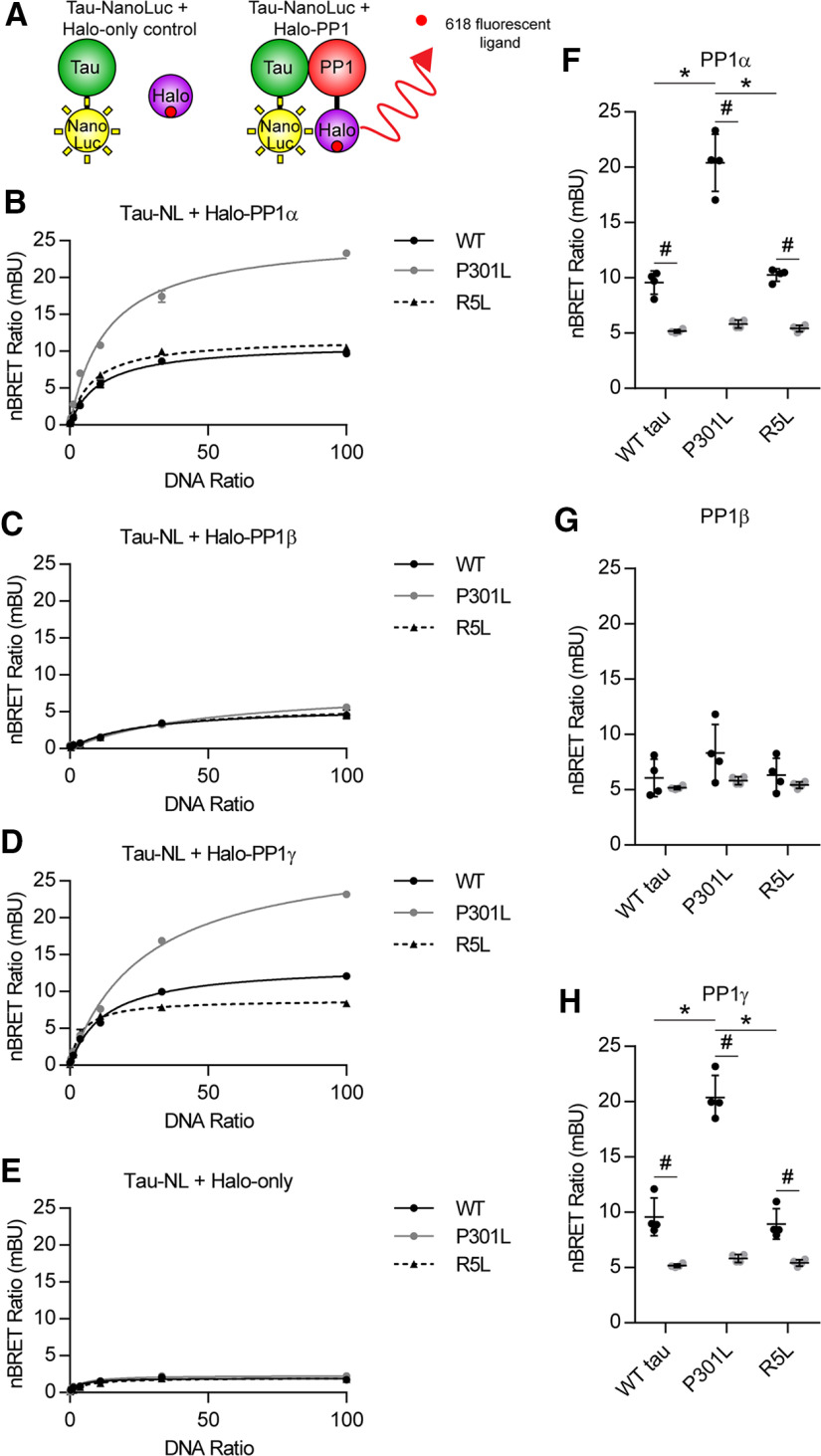
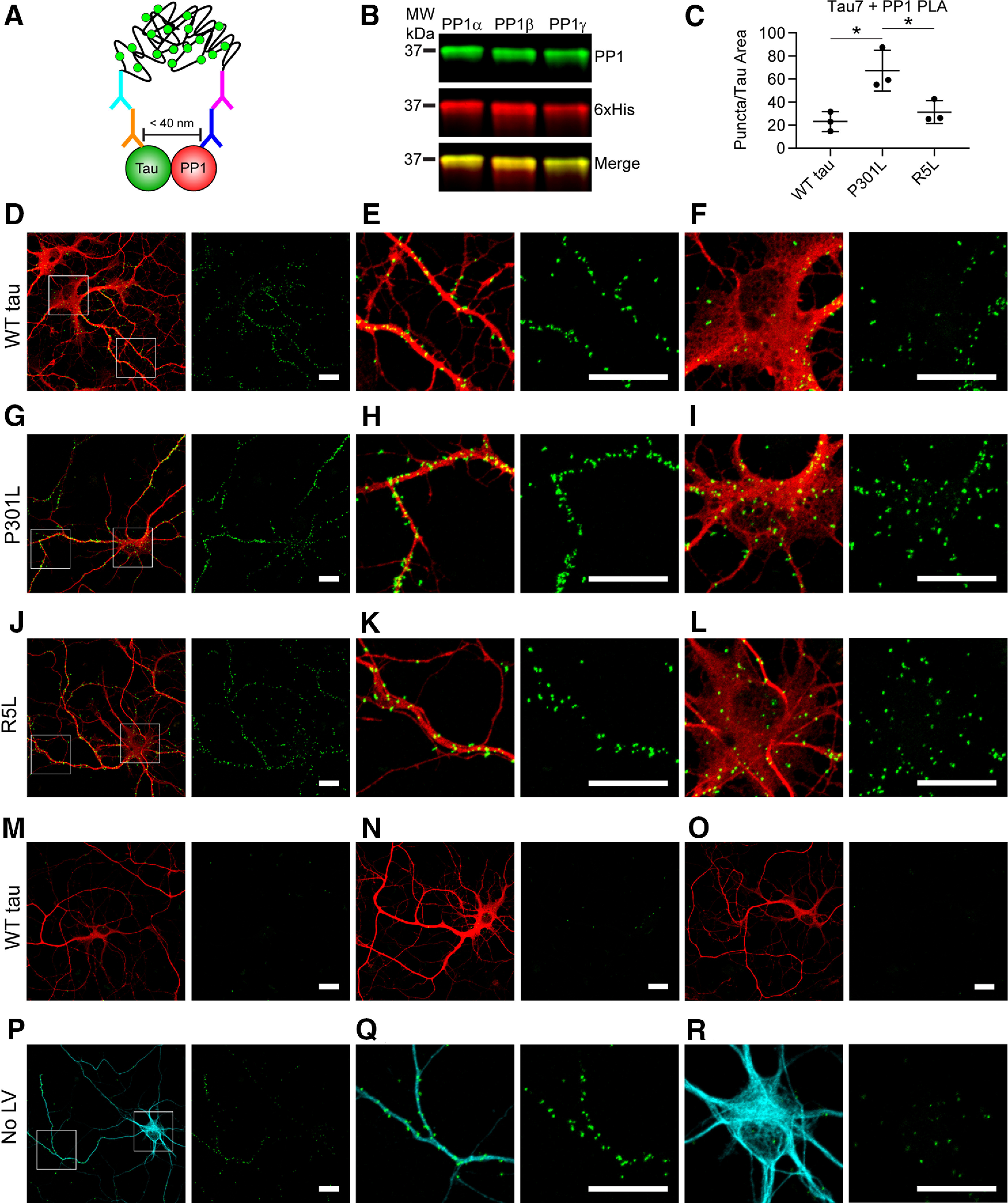
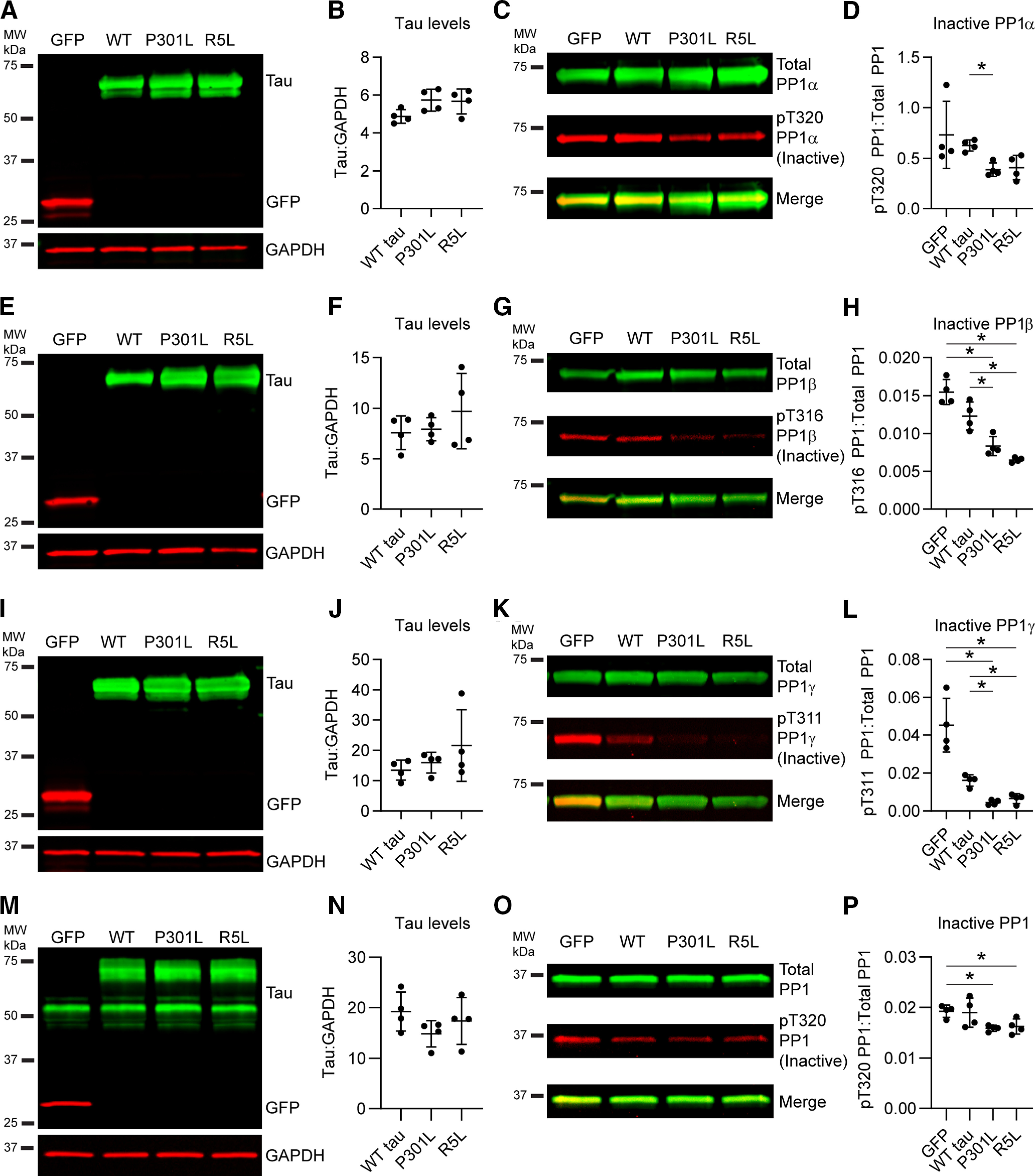
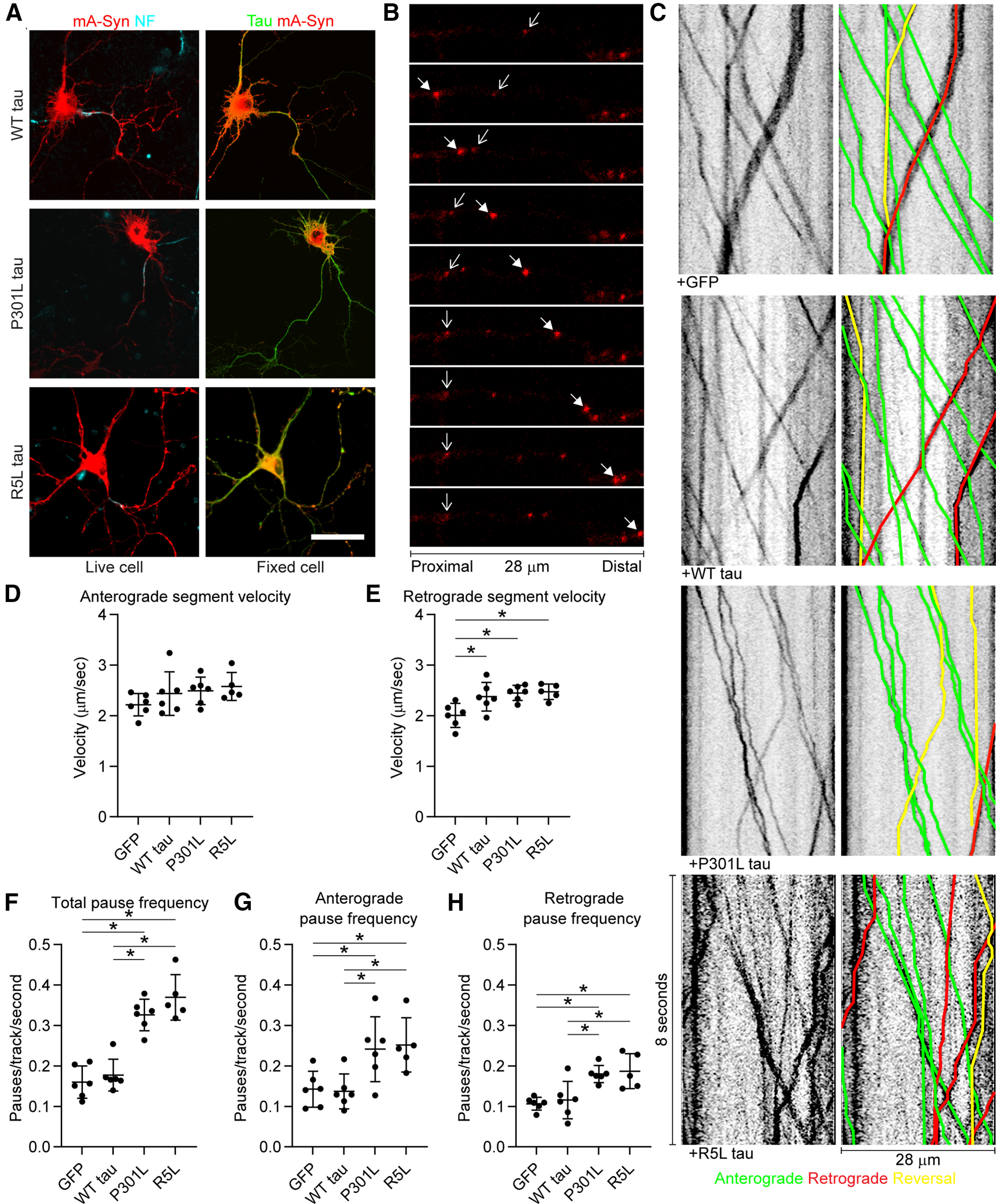
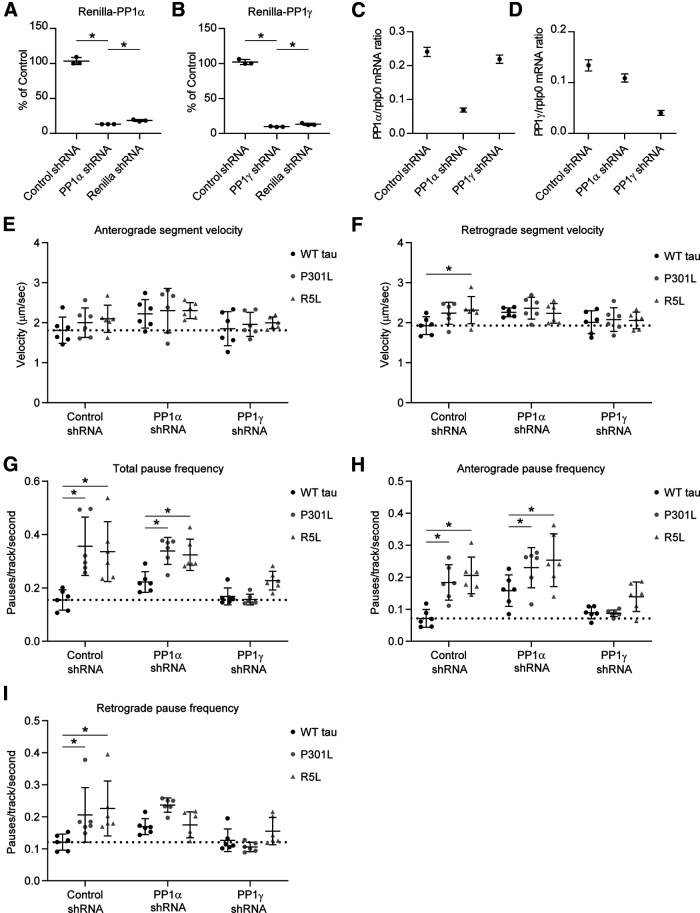
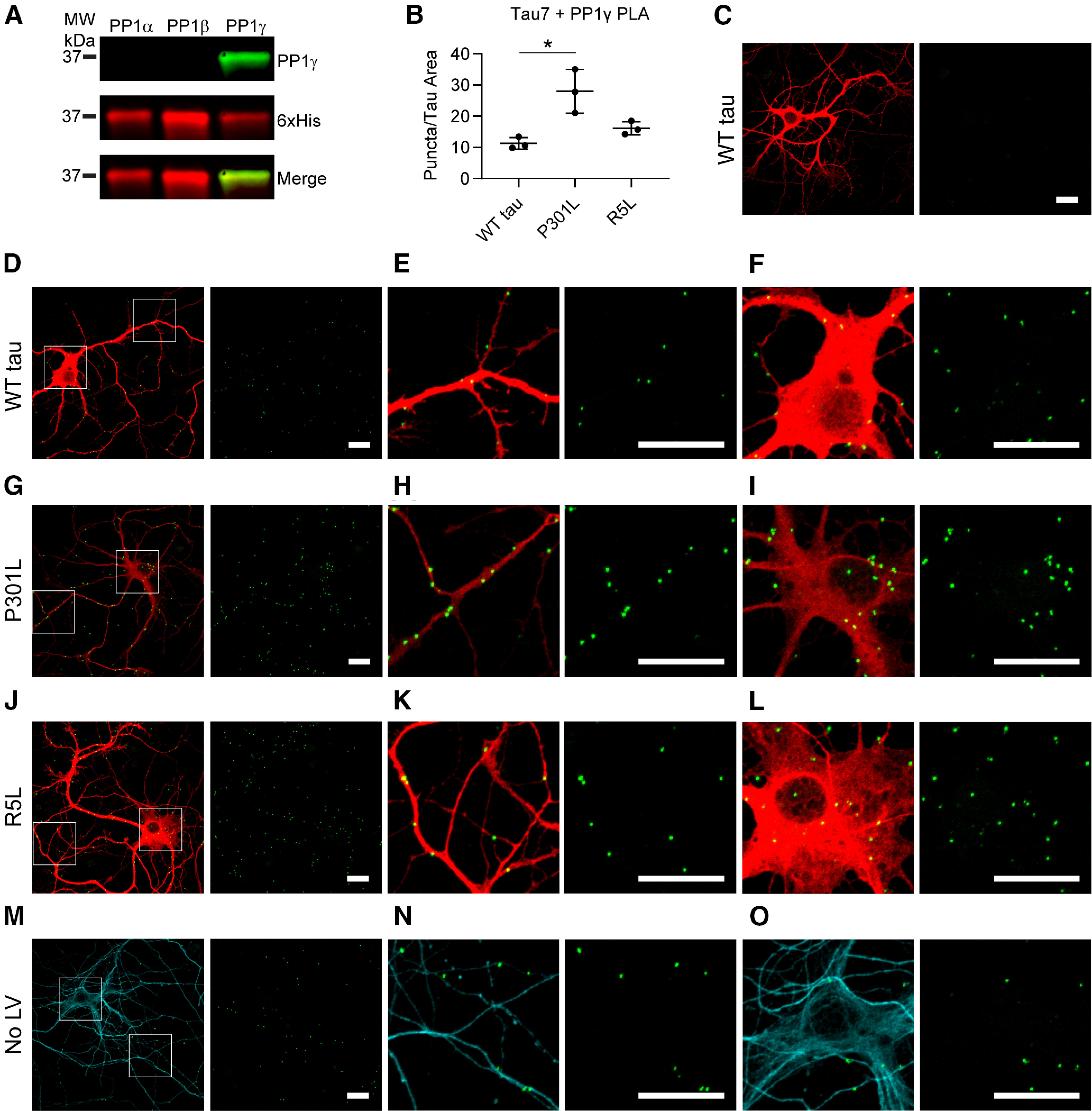
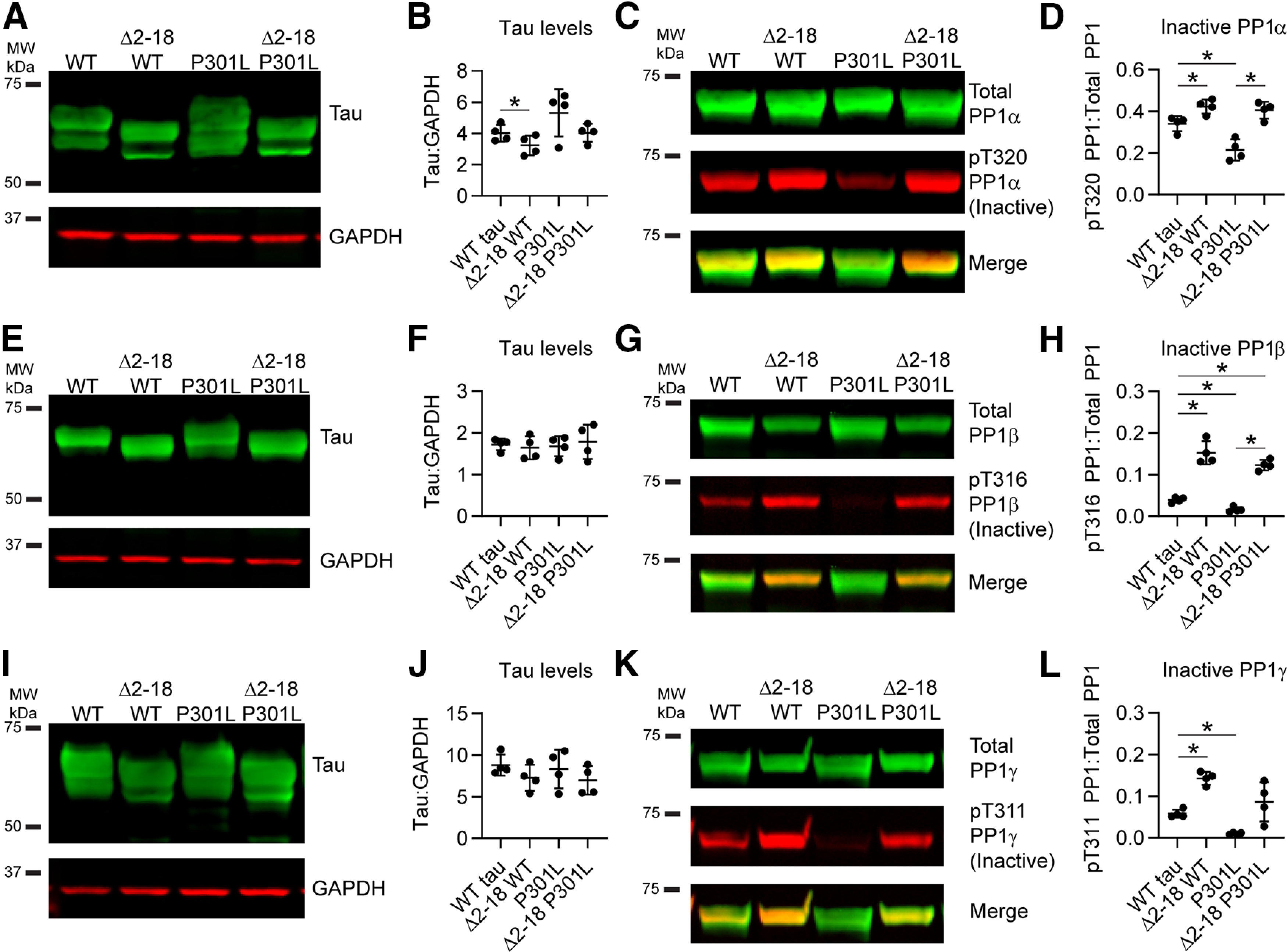
Pathologic tau modifications are characteristic of Alzheimer's disease and related dementias, but mechanisms of tau toxicity continue to be debated. Inherited mutations in tau cause early onset frontotemporal lobar dementias (FTLD-tau) and are commonly used to model mechanisms of tau toxicity in tauopathies. Previous work in the isolated squid axoplasm model demonstrated that several pathogenic forms of tau inhibit axonal transport through a mechanism involving activation of protein phosphatase 1 (PP1). Here, we determined that P301L and R5L FTLD mutant tau proteins elicit a toxic effect on axonal transport as monomeric proteins. We evaluated interactions of wild-type or mutant tau with specific PP1 isoforms (α, β, and γ) to examine how the interaction contributes to this toxic effect using primary rat hippocampal neurons from both sexes. Pull-down and bioluminescence resonance energy transfer experiments revealed selective interactions of wild-type tau with PP1α and PP1γ isoforms, but not PP1β, which were significantly increased by the P301L tau mutation. The results from proximity ligation assays confirmed the interaction in primary hippocampal neurons. Moreover, expression of FTLD-linked mutant tau in these neurons enhanced levels of active PP1, also increasing the pausing frequency of fluorescently labeled vesicles in both anterograde and retrograde directions. Knockdown of PP1γ, but not PP1α, rescued the cargo-pausing effects of P301L and R5L tau, a result replicated by deleting a phosphatase-activating domain in the amino terminus of P301L tau. These findings support a model of tau toxicity involving aberrant activation of a specific PP1γ-dependent pathway that disrupts axonal transport in neurons. Tau pathology is closely associated with neurodegeneration in Alzheimer's disease and other tauopathies, but the toxic mechanisms remain a debated topic. We previously proposed that pathologic tau forms induce dysfunction and degeneration through aberrant activation of a PP1-dependent pathway that disrupts axonal transport. Here, we show that tau directly interacts with specific PP1 isoforms, increasing levels of active PP1. Pathogenic tau mutations enhance this interaction, further increasing active PP1 levels and impairing axonal transport in isolated squid axoplasm and primary hippocampal neurons. Mutant-tau-mediated impairment of axonal transport was mediated by PP1γ and a phosphatase-activating domain located at the amino terminus of tau. This work has important implications for understanding and potentially mitigating tau-mediated neurotoxicity in tauopathies.
病理性 tau 修饰是阿尔茨海默病和相关痴呆的特征,但 tau 毒性的机制仍存在争议。tau 中的遗传突变导致早发性额颞叶痴呆(FTLD-tau),并常用于模拟 tau 病中的 tau 毒性机制。在分离的鱿鱼轴浆模型中的先前工作表明,几种致病性 tau 形式通过涉及蛋白磷酸酶 1(PP1)激活的机制抑制轴突运输。在这里,我们确定 P301L 和 R5L FTLD 突变 tau 蛋白作为单体蛋白对轴突运输产生毒性作用。我们评估了野生型或突变型 tau 与特定 PP1 同工型(α、β 和 γ)的相互作用,以使用来自两性的原代大鼠海马神经元来检查这种相互作用如何导致这种毒性作用。下拉和生物发光共振能量转移实验表明,野生型 tau 与 PP1α 和 PP1γ 同工型选择性相互作用,但与 PP1β 不相互作用,P301L tau 突变显著增加了这种相互作用。原代海马神经元中的接近连接测定结果证实了这种相互作用。此外,这些神经元中 FTLD 相关突变 tau 的表达增强了活性 PP1 的水平,也增加了顺行和逆行荧光标记囊泡的暂停频率。PP1γ 的敲低,但不是 PP1α 的敲低,挽救了 P301L 和 R5L tau 的货物暂停效应,通过删除 P301L tau 氨基末端的磷酸酶激活结构域可以复制该结果。这些发现支持一种 tau 毒性模型,涉及异常激活特定的 PP1γ 依赖性途径,从而破坏神经元中的轴突运输。tau 病理学与阿尔茨海默病和其他 tau 病中的神经退行性变密切相关,但毒性机制仍是一个有争议的话题。我们之前提出,病理性 tau 形式通过异常激活破坏轴突运输的 PP1 依赖性途径导致功能障碍和退化。在这里,我们表明 tau 直接与特定的 PP1 同工型相互作用,增加活性 PP1 的水平。致病性 tau 突变增强了这种相互作用,进一步增加了活性 PP1 的水平,并损害了鱿鱼轴浆分离物和原代海马神经元中的轴突运输。突变 tau 介导的轴突运输障碍是由 PP1γ 和位于 tau 氨基末端的磷酸酶激活结构域介导的。这项工作对于理解和潜在减轻 tau 病中的 tau 介导的神经毒性具有重要意义。