Graduate School of Biological Science, Nara Institute of Science and Technology, 8916-5, Takayama-cho, Ikoma, Nara, 630-0192, Japan.
Department of Applied Biology, Kyoto Institute of Technology, Saga Ippongi-cho 1, Ukyo-ku, Kyoto, 616-8354, Japan.
Sci Rep. 2021 Oct 7;11(1):19991. doi: 10.1038/s41598-021-99528-x.
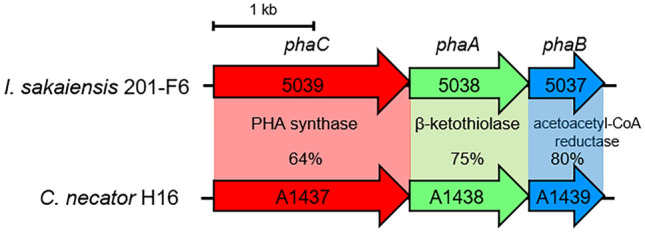
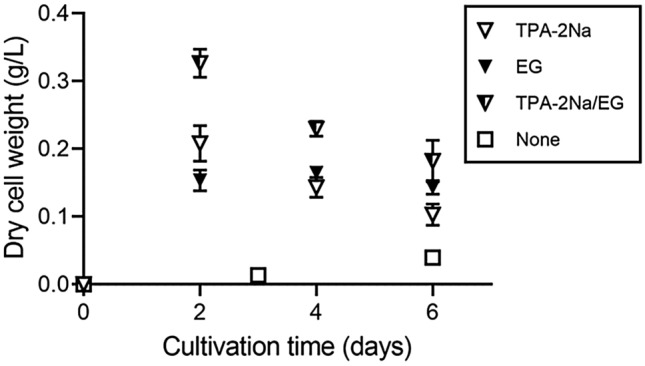
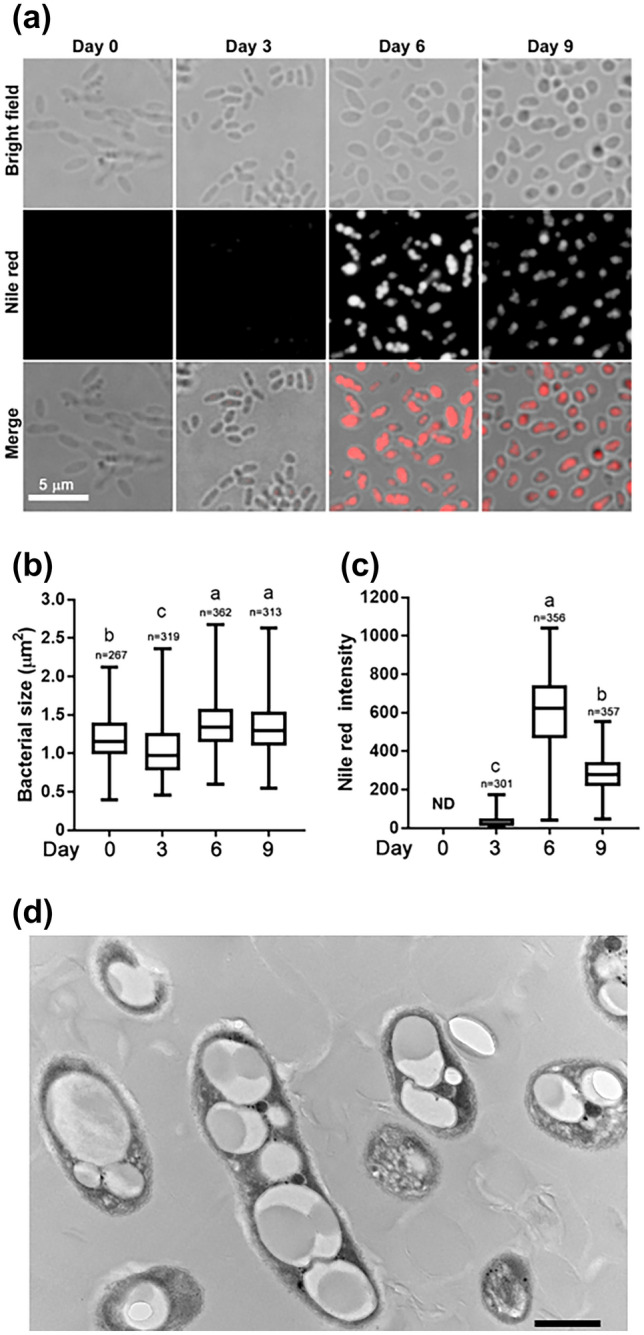
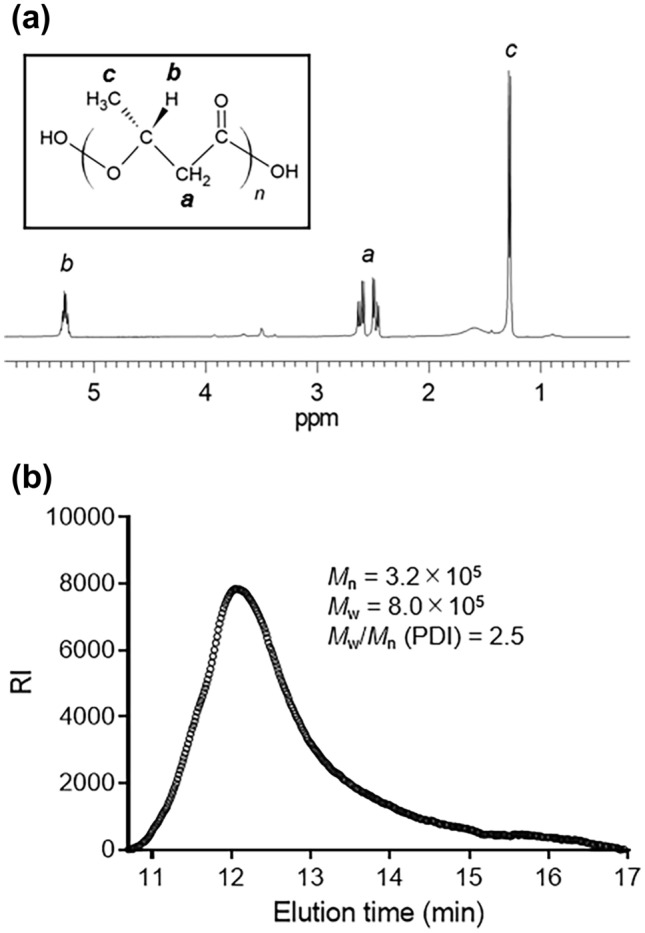
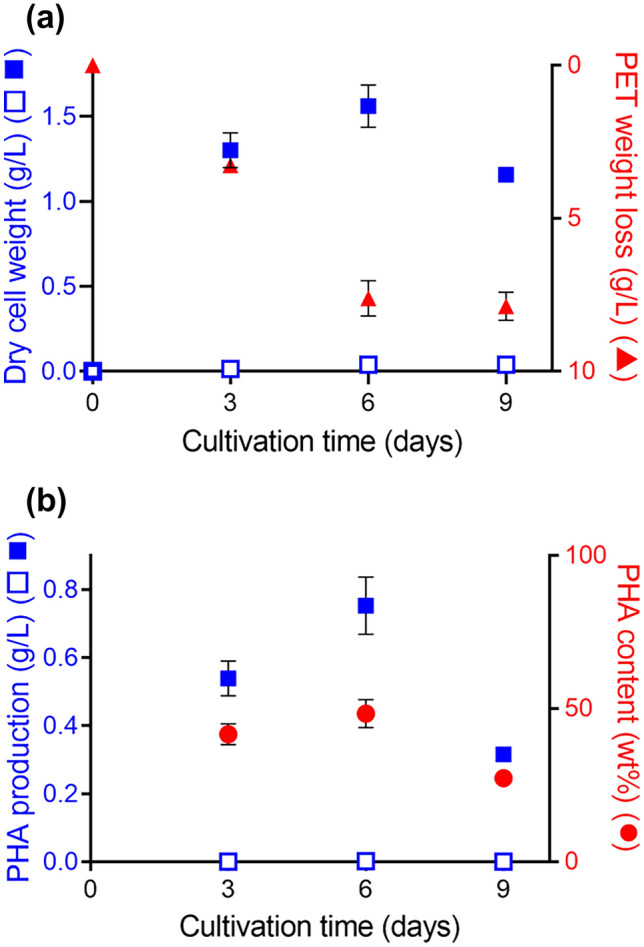
Poly(ethylene terephthalate) (PET) is a widely used plastic in bottles and fibers; its waste products pollute the environment owing to its remarkable durability. Recently, Ideonella sakaiensis 201-F6 was isolated as a unique bacterium that can degrade and assimilate PET, thus paving the way for the bioremediation and bioconversion of PET waste. We found that this strain harbors a poly(hydroxyalkanoate) (PHA) synthesis gene cluster, which is highly homologous with that of Cupriavidus necator, an efficient PHA producer. Cells grown on PET accumulated intracellular PHA at high levels. Collectively, our findings in this study demonstrate that I. sakaiensis can mediate the direct conversion of non-biodegradable PET into environment-friendly plastic, providing a new approach for PET recycling.
聚对苯二甲酸乙二醇酯(PET)是一种广泛用于瓶和纤维的塑料;其废弃物由于其显著的耐用性而污染环境。最近,从土壤中分离出一种独特的可以降解和同化 PET 的细菌 Ideonella sakaiensis 201-F6,为 PET 废物的生物修复和生物转化铺平了道路。我们发现该菌株含有一个多(羟)烷烃(PHA)合成基因簇,与高效 PHA 生产菌 Cupriavidus necator 的基因簇高度同源。在 PET 上生长的细胞可以高水平地积累细胞内 PHA。总的来说,我们在这项研究中的发现表明,I. sakaiensis 可以介导不可生物降解的 PET 直接转化为环保塑料,为 PET 回收提供了一种新方法。