Association Innocence In Danger Colombia (IIDC), 33 Avenue Saint Charles, 34090 Montpellier, France.
Universidad de Santander, Facultad de Ciencias Médicas y Salud, Instituto de Investigación Masira, Bucaramanga, Colombia.
Child Abuse Negl. 2021 Dec;122:105349. doi: 10.1016/j.chiabu.2021.105349. Epub 2021 Oct 7.
Adverse childhood experiences (ACEs) are associated with a wide range of diseases, unsafe behavior and shorter life expectancy. However, there is scarce evidence on effective interventions for children or adolescents who report multiple ACEs, including abuse, neglect and household dysfunction.
The aim of this study was to evaluate the mental health outcomes of a multimodal program designed for adolescents with multiple ACEs.
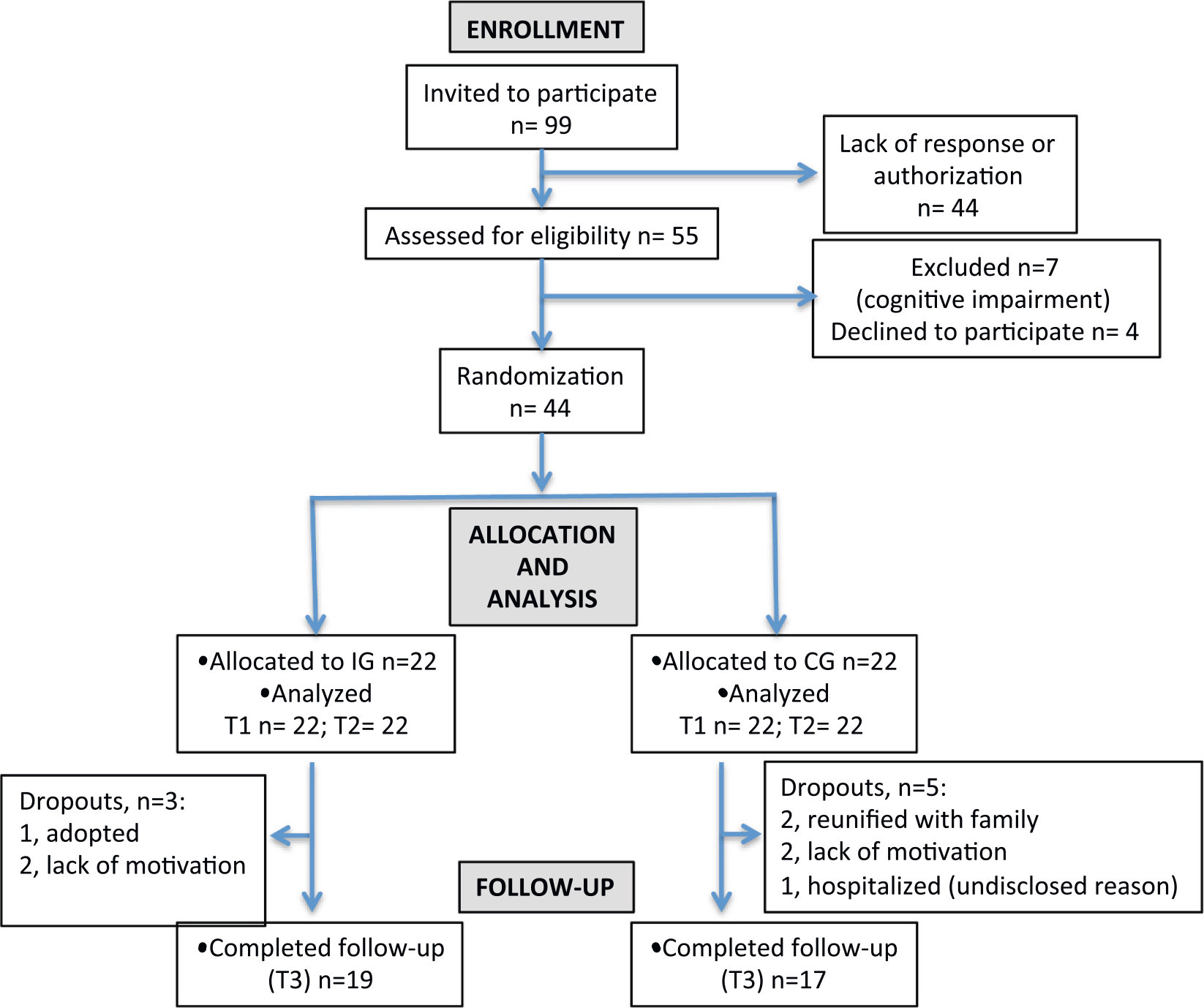
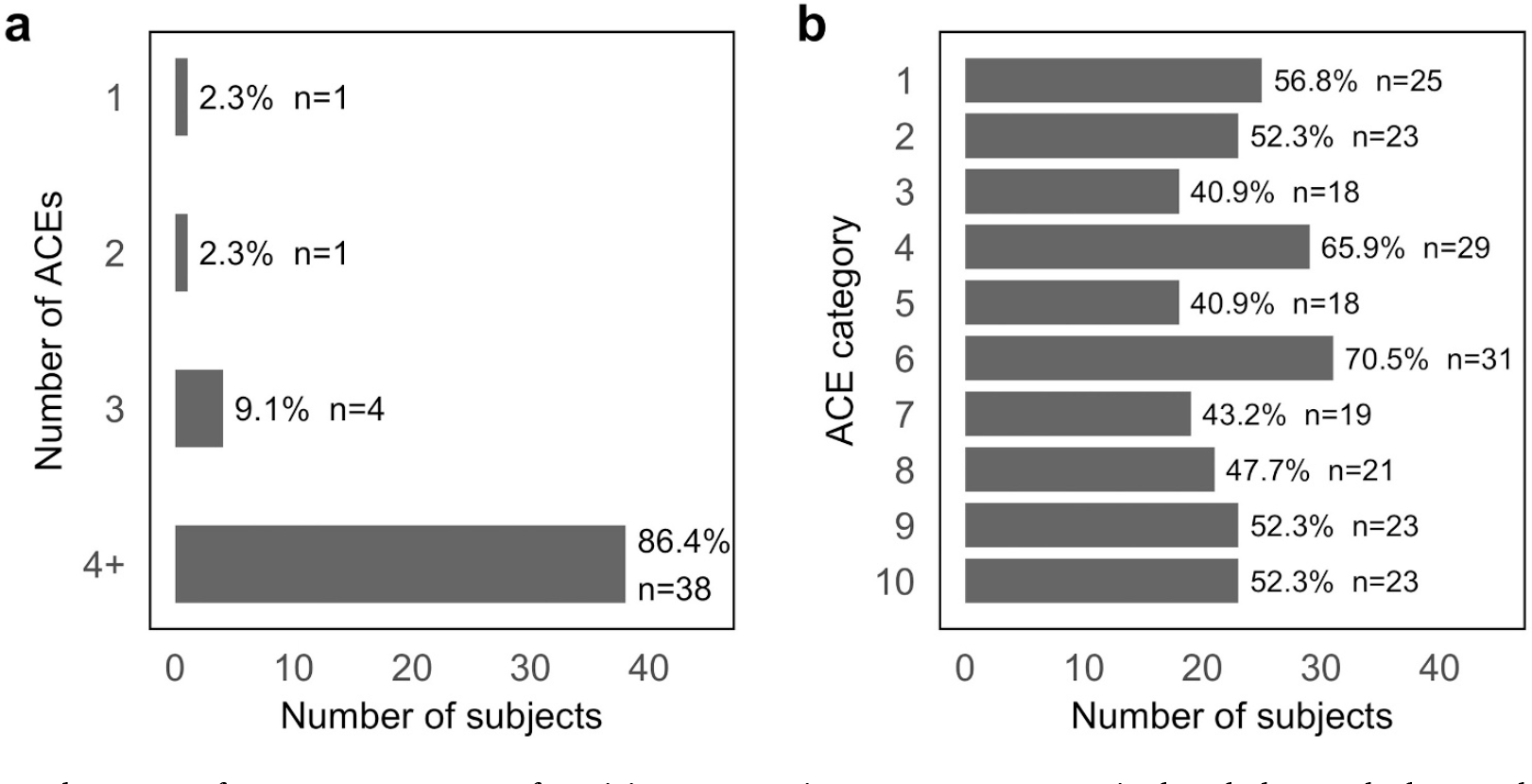
Forty-four girls (aged 13-16 years, mean ACE score > 5) were randomized to an intervention group or a care-as-usual control group.
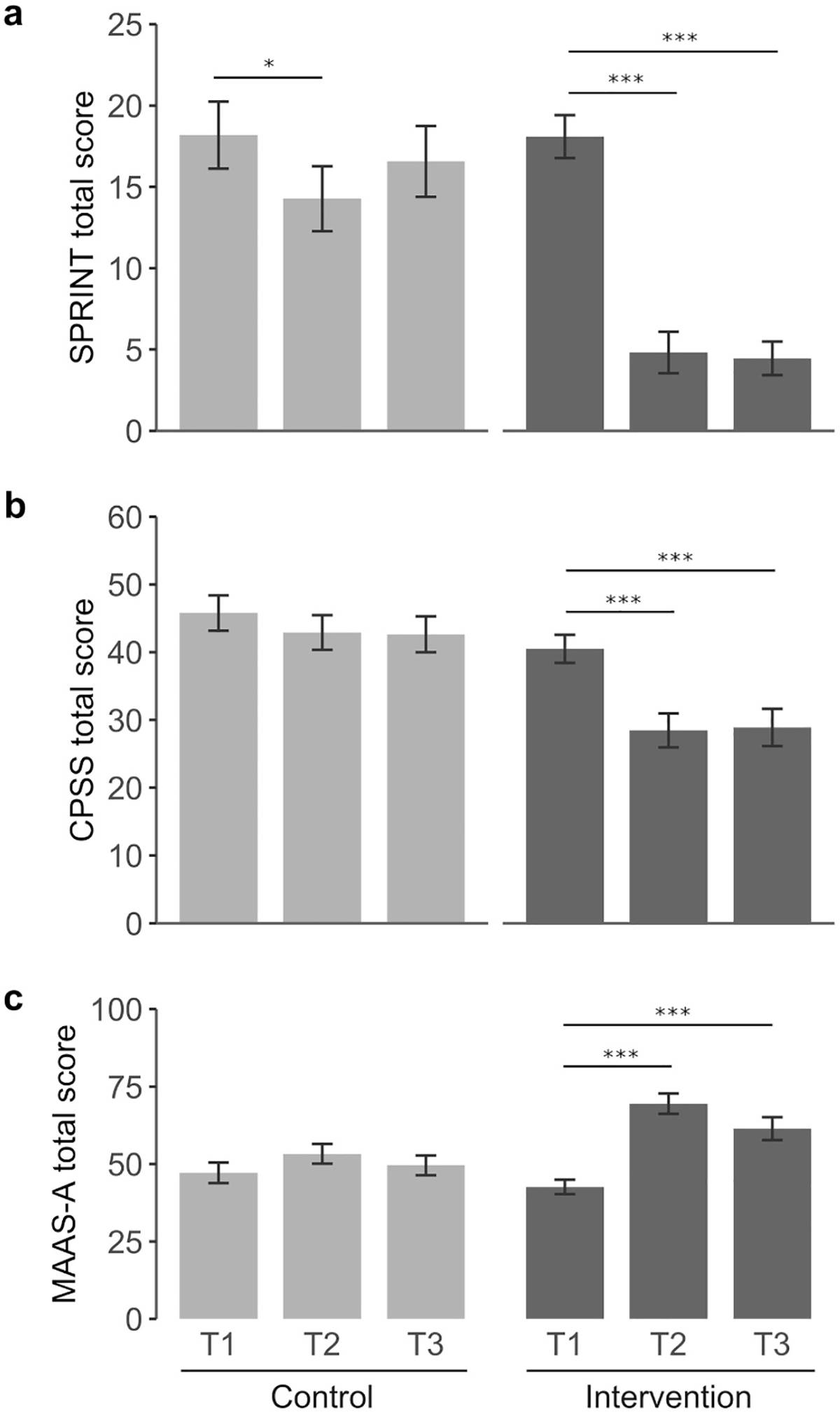
The intervention included mindfulness-based practices, expressive arts and EMDR (Eye Movement Desensitization and Reprocessing Integrative) group treatment. We used questionnaires for adolescents to assess trauma (SPRINT, CPSS) and attention/awareness-related outcomes (MAAS-A) at baseline (T1), post-intervention (T2) and two-months post-discharge (T3).
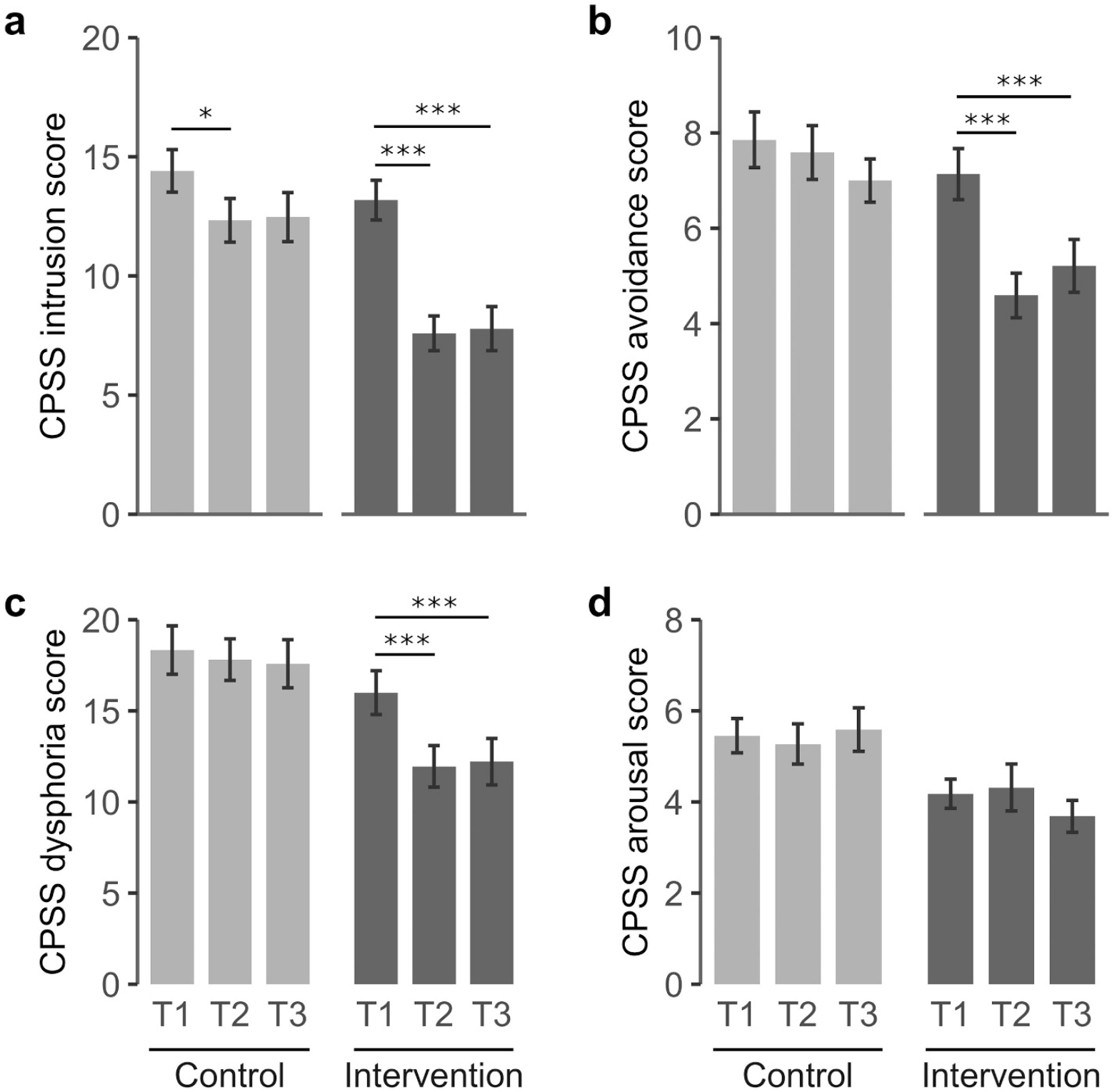
Linear mixed effects model analyses showed significant Group by Time interactions on all the scales (F = 11.0, p = 0.015; F = 12.5 p < 0.001; and F = 6.4, p = 0.001, for SPRINT, CPSS and MAAS-A, respectively). After completing the program, the intervention group showed significant reduction in trauma-related outcomes (SPRINT, Δ% = -73%, p < 0.001; CPSS, Δ% = -26%, p < 0.001) while attention/awareness-related outcomes were improved by 57% (p < 0.001). These changes remained stable two months after discharge. SPRINT and CPSS scales were highly correlated (r = 0.833, p < 0.001) and outcomes from both trauma-related scales negatively correlated with mindfulness scores (MAAS-A/SPRINT, r = -0.515, p = 0.007; MAAS-A/CPSS, r = -0.553, p < 0.001).
Results presented here support this multimodal group intervention as a feasible and promising program for reducing the psychological burden in adolescents with a history of multiple ACEs.
不良的童年经历(ACEs)与多种疾病、不安全行为和预期寿命缩短有关。然而,对于报告遭受多种 ACEs(包括虐待、忽视和家庭功能障碍)的儿童或青少年,有效的干预措施证据有限。
本研究旨在评估针对遭受多种 ACEs 的青少年设计的多模式方案的心理健康结果。
44 名女孩(年龄 13-16 岁,平均 ACE 评分>5)被随机分配到干预组或常规护理对照组。
干预包括正念实践、表达艺术和 EMDR(眼动脱敏再处理整合)小组治疗。我们使用青少年问卷评估创伤(SPRINT、CPSS)和注意力/意识相关结果(MAAS-A),基线(T1)、干预后(T2)和出院后两个月(T3)。
线性混合效应模型分析显示,所有量表的组间时间交互均有显著差异(F=11.0,p=0.015;F=12.5,p<0.001;F=6.4,p=0.001,分别用于 SPRINT、CPSS 和 MAAS-A)。完成方案后,干预组创伤相关结局显著降低(SPRINT,%变化=-73%,p<0.001;CPSS,%变化=-26%,p<0.001),而注意力/意识相关结局提高了 57%(p<0.001)。这些变化在出院后两个月仍保持稳定。SPRINT 和 CPSS 量表高度相关(r=0.833,p<0.001),创伤相关量表的结果与正念得分呈负相关(MAAS-A/SPRINT,r=-0.515,p=0.007;MAAS-A/CPSS,r=-0.553,p<0.001)。
这里呈现的结果支持这种多模式小组干预,作为一种减少有多种 ACEs 史的青少年心理负担的可行且有前途的方案。