Zhu Yue, Wang Linlin, Cui Chang, Qin Huiyuan, Chen Hongwu, Chen Shaojie, Lin Yongping, Cheng Hongyi, Jiang Xiaohong, Chen Minglong
Department of Cardiology, the First Affiliated Hospital of Nanjing Medical University, Nanjing, Jiangsu 210029, China.
Department of Cardiology, the Affiliated Brain Hospital of Nanjing Medical University, Nanjing Chest Hospital, Nanjing, Jiangsu 210029, China.
J Biomed Res. 2021 Jul 22;35(5):395-407. doi: 10.7555/JBR.35.20210045.
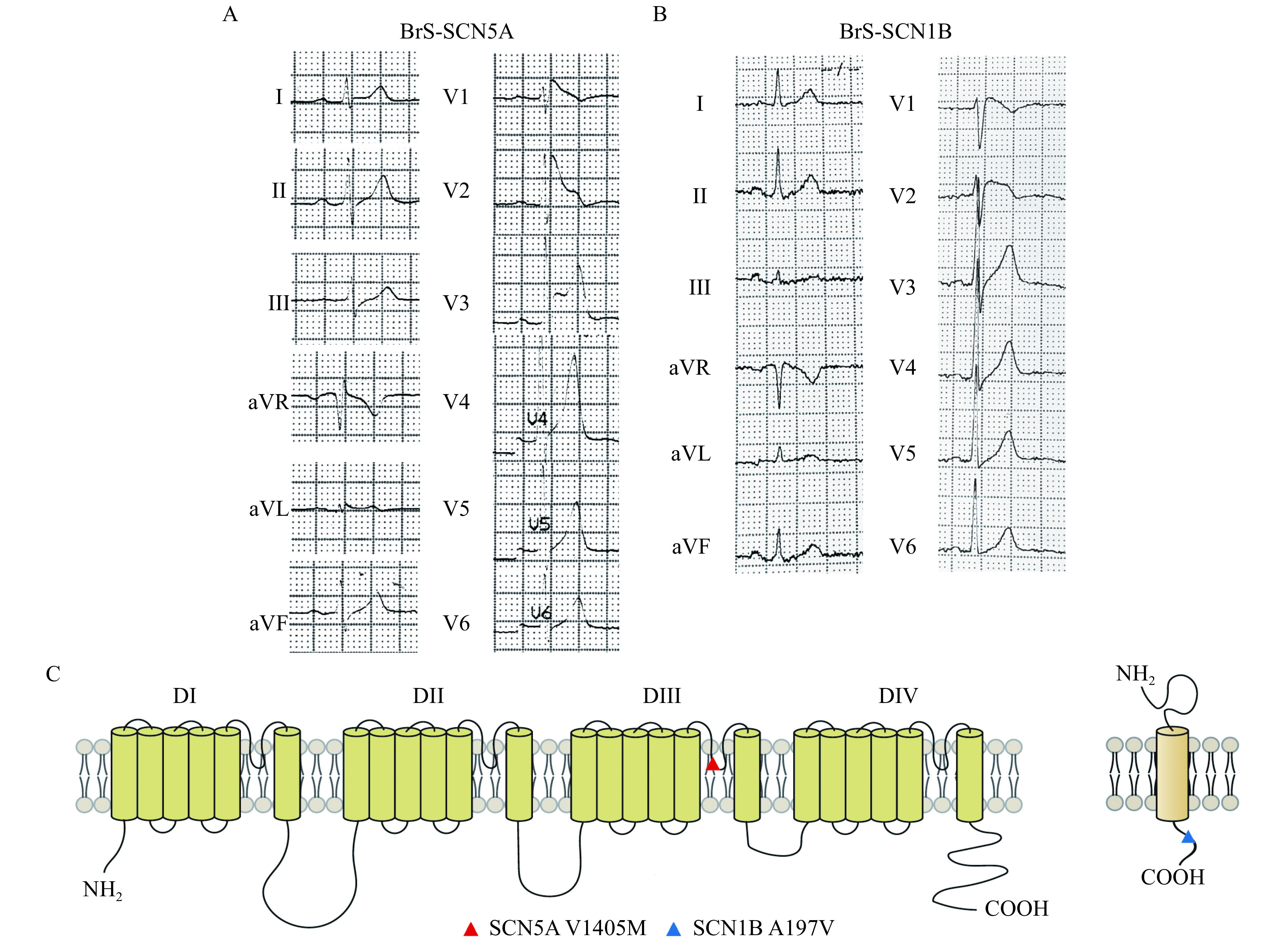
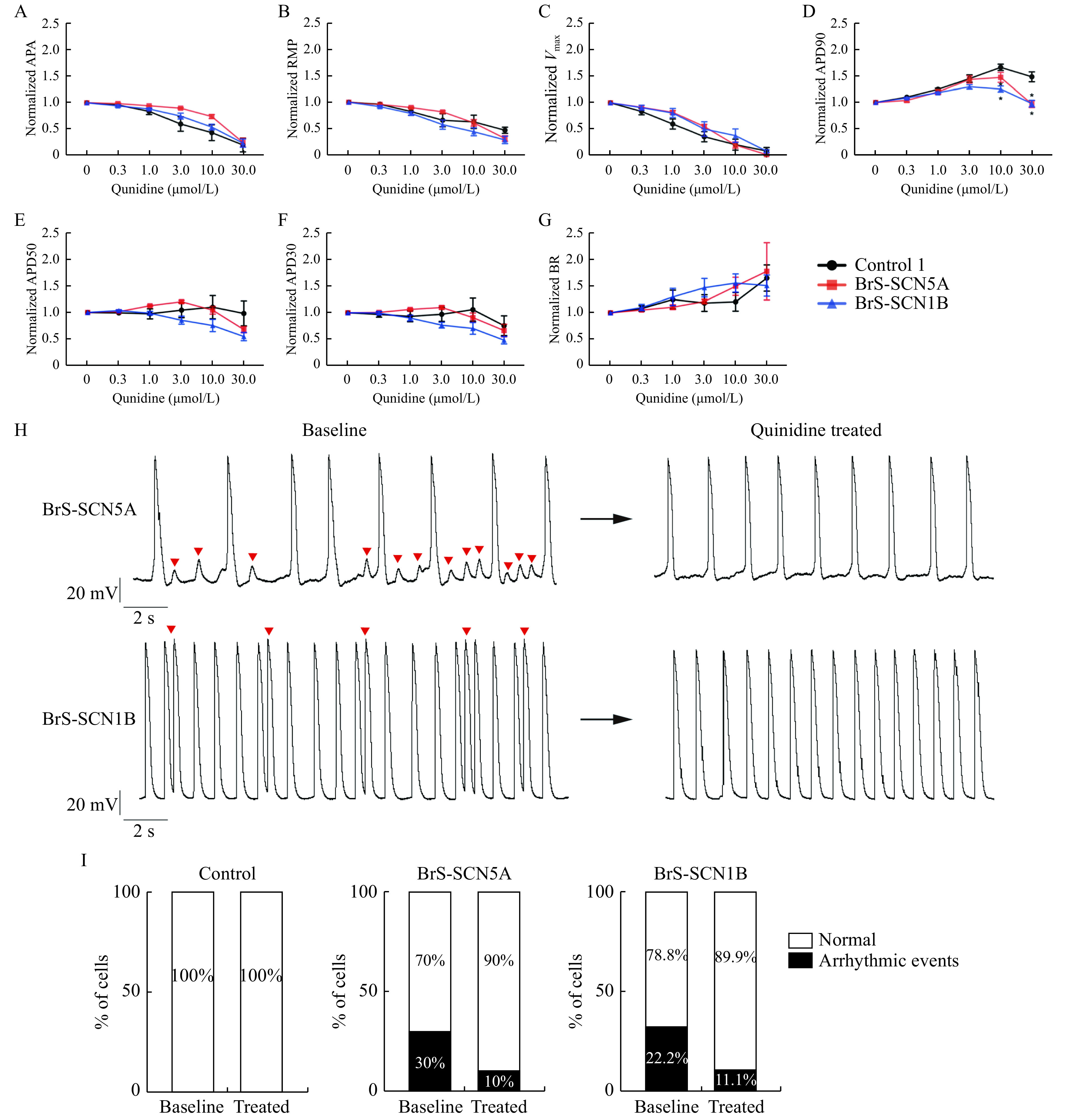
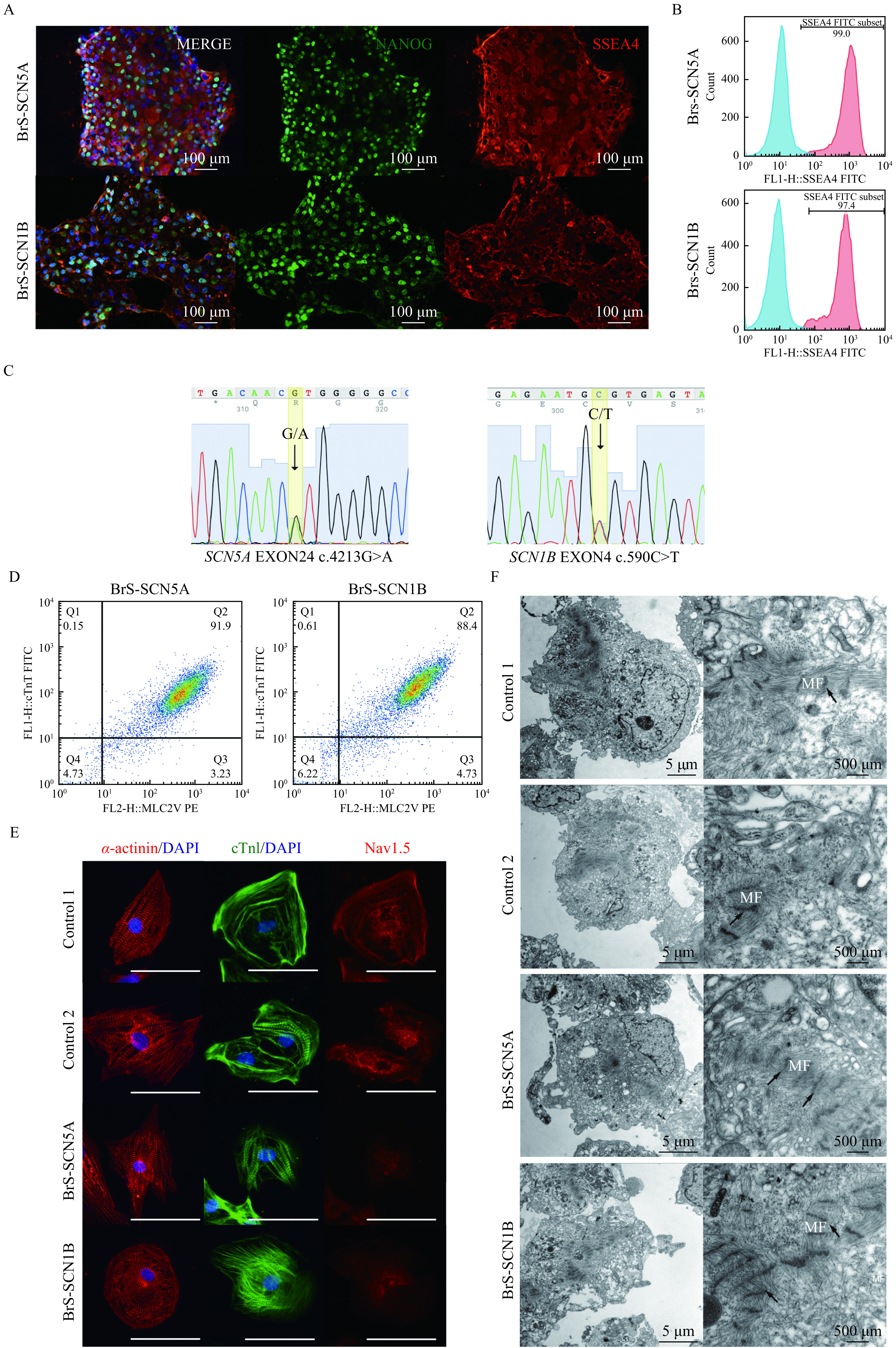
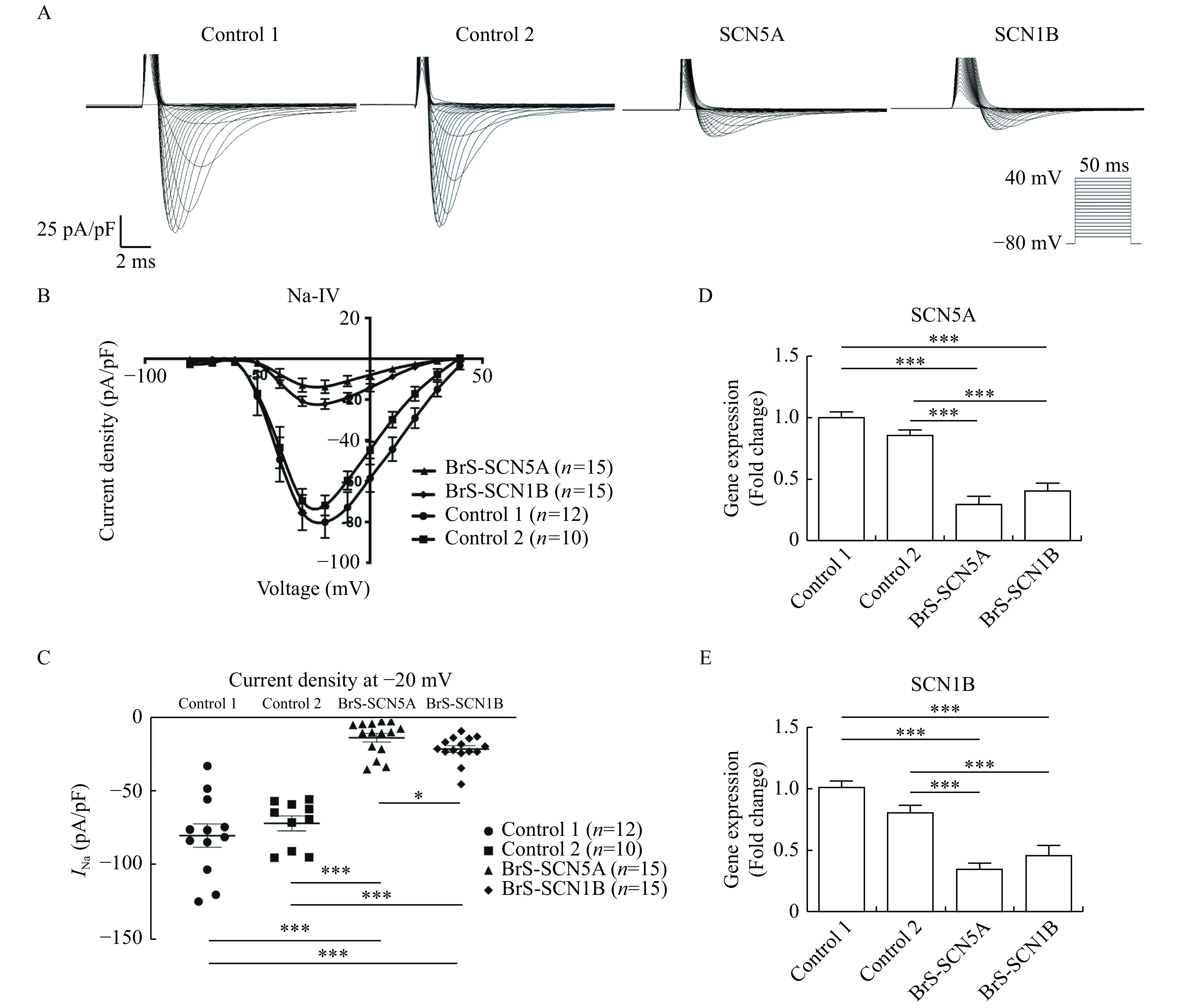
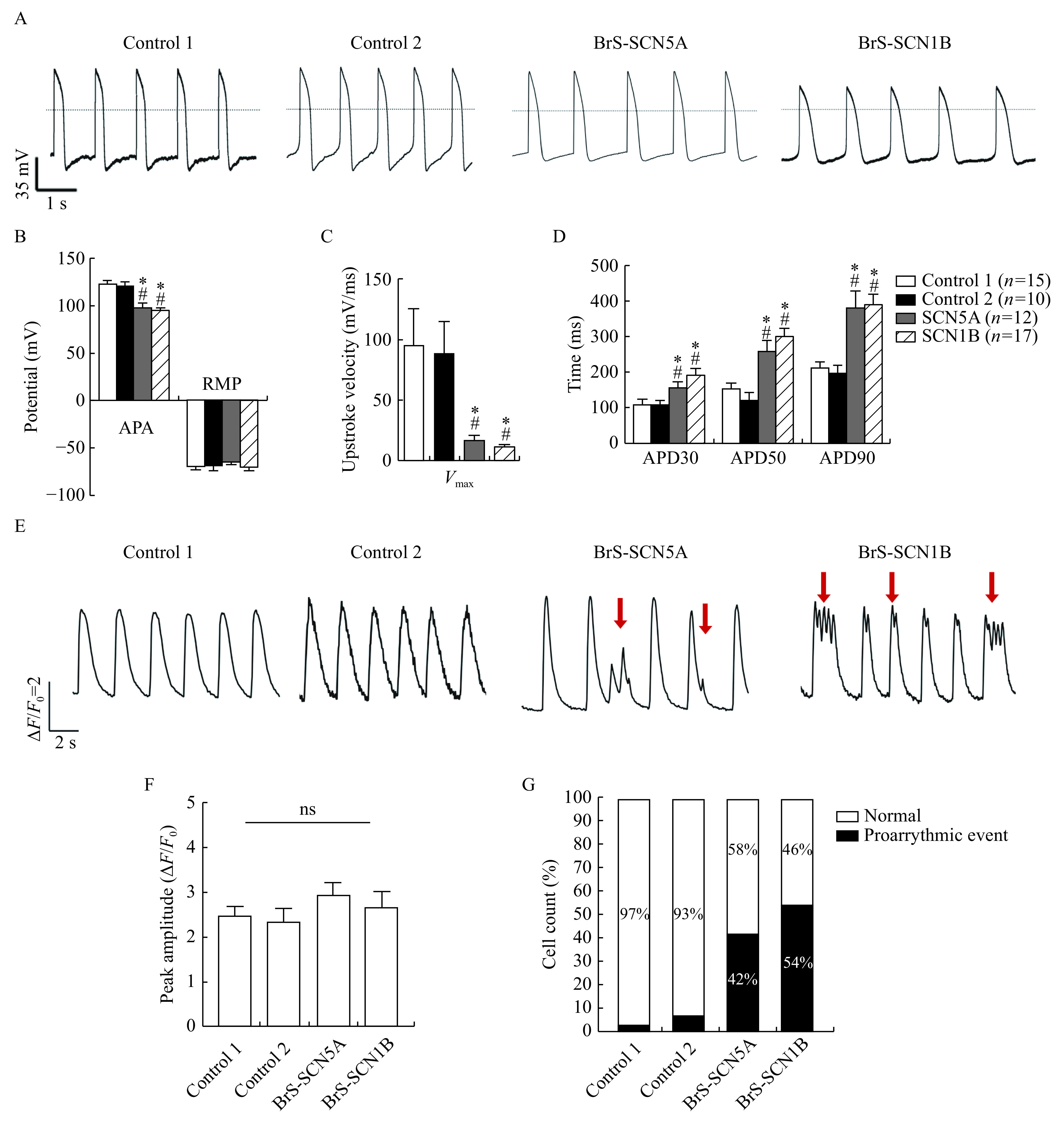
Brugada syndrome (BrS) is a complex genetic cardiac ion channel disease that causes a high predisposition to sudden cardiac death. Considering that its heterogeneity in clinical manifestations may result from genetic background, the application of patient-specific induced pluripotent stem cell-derived cardiomyocytes (iPSC-CMs) may help to reveal cell phenotype characteristics underlying different genetic variations. Here, to verify and compare the pathogenicity of mutations ( c.4213G>A and c.590C>T) identified from two BrS patients, we generated two novel BrS iPS cell lines that carried missense mutations in or compared their structures and electrophysiology, and evaluated the safety of quinidine in patient-specific iPSC-derived CMs. Compared to the control group, BrS-CMs showed a significant reduction in sodium current, prolonged action potential duration, and varying degrees of decreased , but no structural difference. After applying different concentrations of quinidine, drug-induced cardiotoxicity was not observed within 3-fold unbound effective therapeutic plasma concentration (ETPC). The data presented proved that iPSC-CMs with variants in c.4213G>A or c.590C>T are able to recapitulate single-cell phenotype features of BrS and respond appropriately to quinidine without increasing incidence of arrhythmic events.
Brugada综合征(BrS)是一种复杂的遗传性心脏离子通道疾病,易导致心脏性猝死。鉴于其临床表现的异质性可能源于遗传背景,应用患者特异性诱导多能干细胞衍生的心肌细胞(iPSC-CMs)可能有助于揭示不同基因变异背后的细胞表型特征。在此,为了验证和比较从两名BrS患者中鉴定出的突变(c.4213G>A和c.590C>T)的致病性,我们生成了两个携带错义突变的新型BrS iPS细胞系,比较了它们的结构和电生理学,并评估了奎尼丁在患者特异性iPSC衍生的CMs中的安全性。与对照组相比,BrS-CMs的钠电流显著降低,动作电位时程延长, 不同程度降低,但结构无差异。应用不同浓度的奎尼丁后,在3倍未结合有效治疗血浆浓度(ETPC)范围内未观察到药物诱导的心脏毒性。所呈现的数据证明,携带c.4213G>A或c.590C>T变异的iPSC-CMs能够重现BrS的单细胞表型特征,并对奎尼丁做出适当反应,而不会增加心律失常事件的发生率。