Bacher-Hicks Andrew, Goodman Joshua, Mulhern Christine
Boston University, United States.
RAND Corporation, United States.
J Public Econ. 2021 Jan;193:104345. doi: 10.1016/j.jpubeco.2020.104345. Epub 2020 Dec 14.
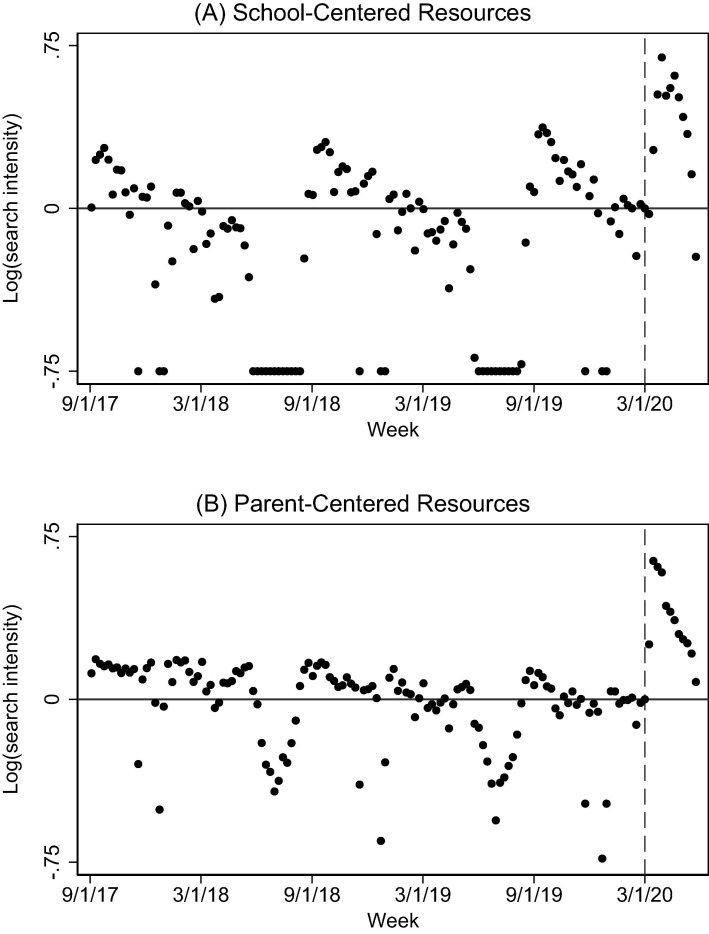
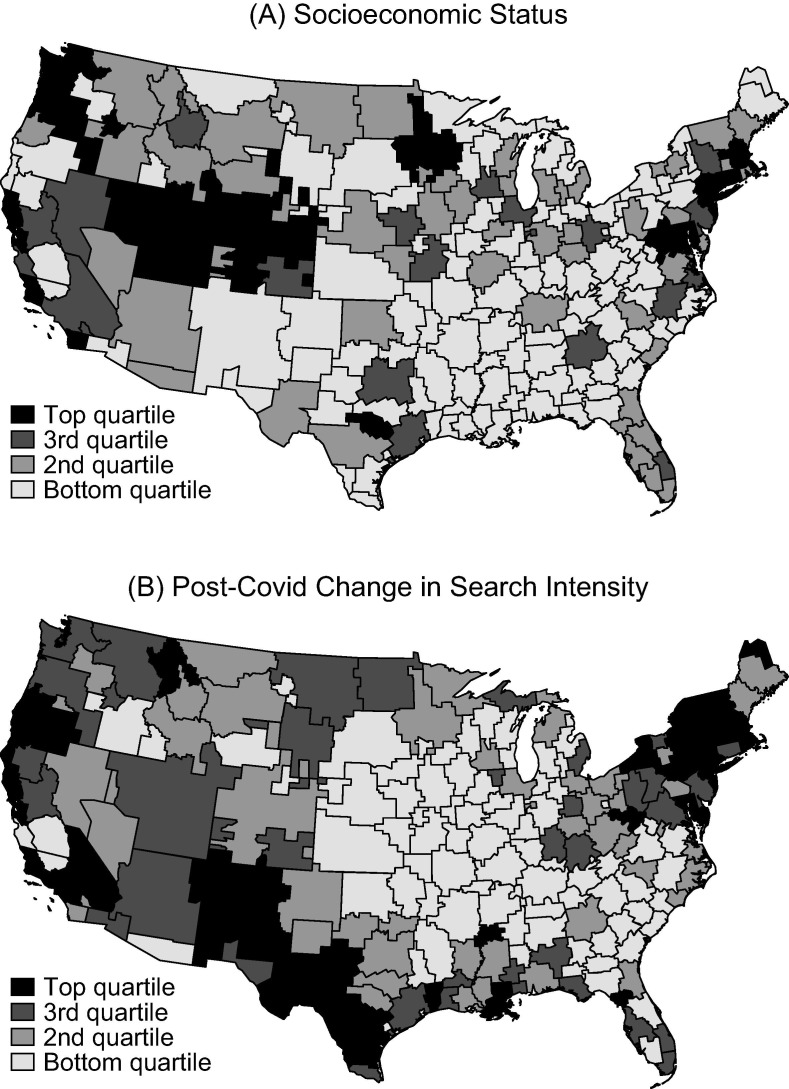
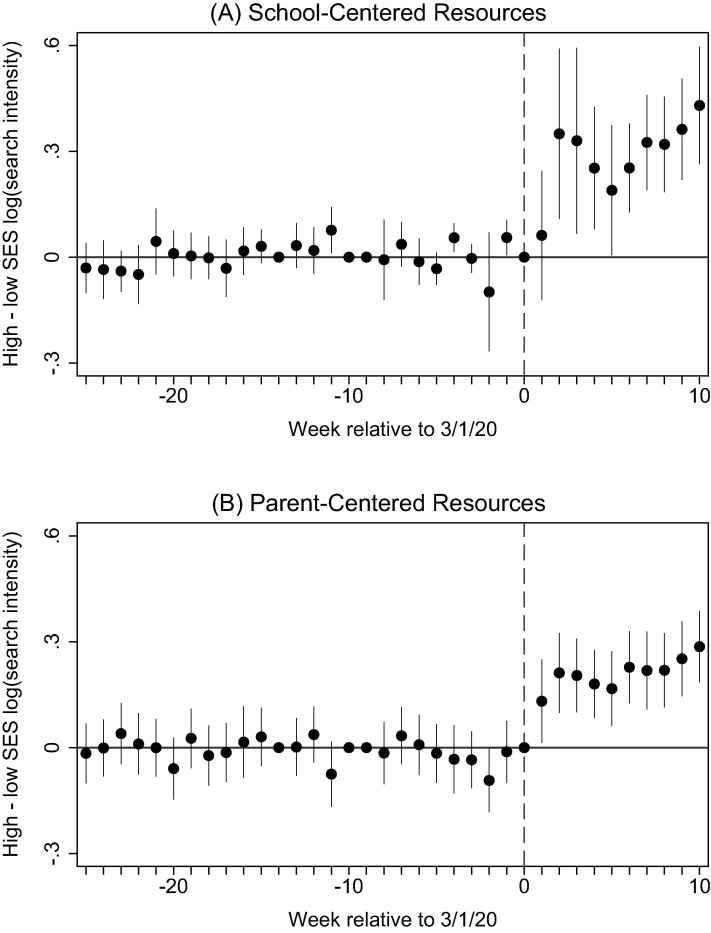
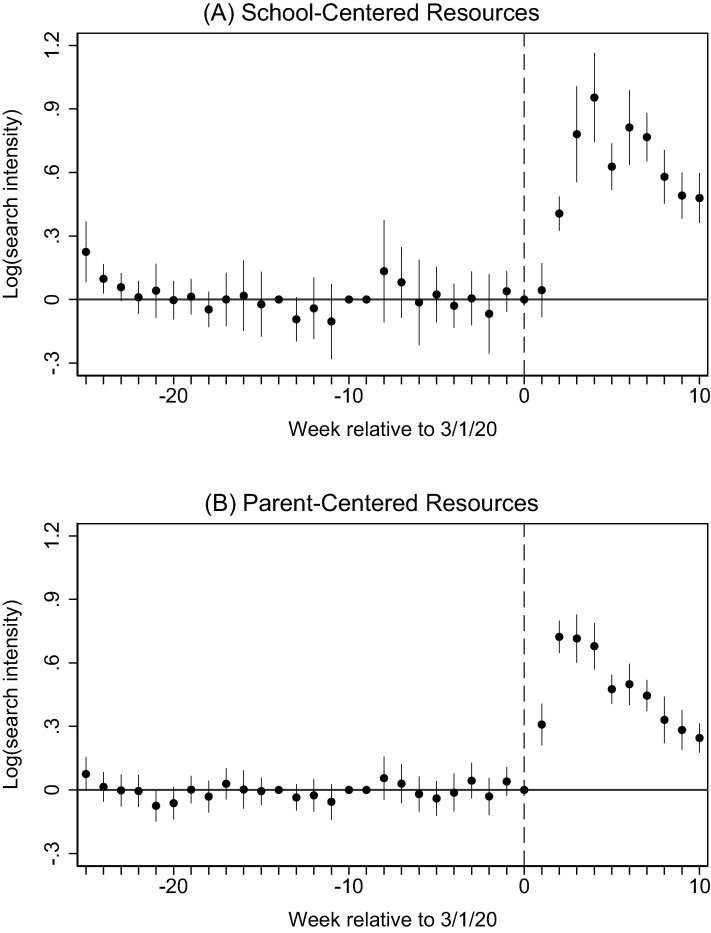
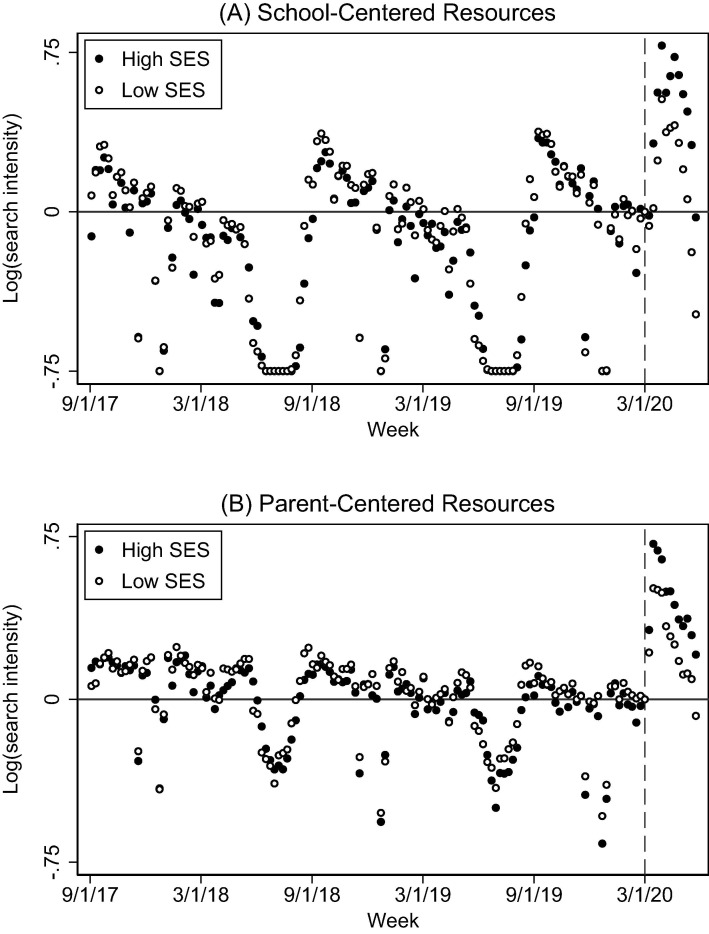
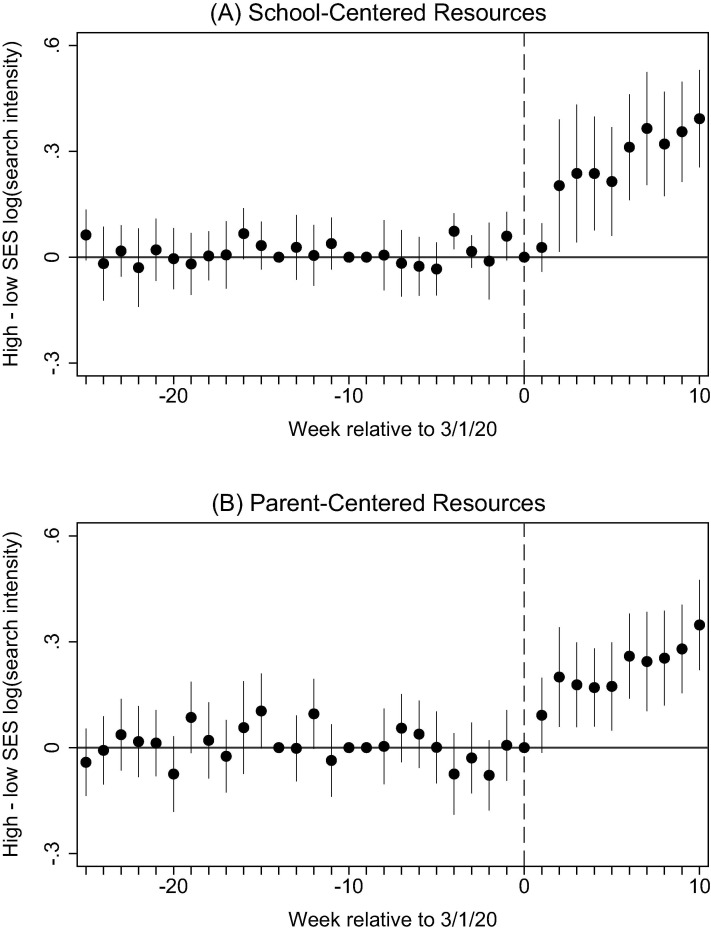
We use high frequency internet search data to study in real time how US households sought out online learning resources as schools closed due to the Covid-19 pandemic. By April 2020, nationwide search intensity for both school- and parent-centered online learning resources had roughly doubled relative to pre-Covid levels. Areas of the country with higher income, better internet access and fewer rural schools saw substantially larger increases in search intensity. The pandemic will likely widen achievement gaps along these dimensions given schools' and parents' differing engagement with online resources to compensate for lost school-based learning time. Accounting for such differences and promoting more equitable access to online learning could improve the effectiveness of education policy responses to the pandemic. The public availability of internet search data allows our analyses to be updated when schools reopen and to be replicated in other countries.
我们利用高频互联网搜索数据,实时研究在因新冠疫情导致学校关闭期间美国家庭如何寻找在线学习资源。到2020年4月,以学校和家长为中心的在线学习资源的全国搜索强度相对于新冠疫情前的水平大致翻了一番。该国收入较高、互联网接入更好且农村学校较少的地区,搜索强度的增幅要大得多。鉴于学校和家长在利用在线资源以弥补失去的校内学习时间方面的参与度不同,疫情可能会在这些方面扩大成绩差距。考虑到这些差异并促进更公平地获取在线学习资源,可能会提高教育政策应对疫情的有效性。互联网搜索数据的公开可用性使我们的分析能够在学校重新开学时更新,并能在其他国家进行复制。