Gao Yuan, Shi Wei, Yao Hongyu, Ai Yongqiang, Li Ruisheng, Wang Zhilei, Liu Tingting, Dai Wenzhang, Xiao Xiaohe, Zhao Jun, Niu Ming, Bai Zhaofang
School of Traditional Chinese Medicine, Capital Medical University, Beijing, China.
Senior Department of Hepatology, The Fifth Medical Center of PLA General Hospital, Beijing, China.
Front Pharmacol. 2021 Sep 22;12:747010. doi: 10.3389/fphar.2021.747010. eCollection 2021.
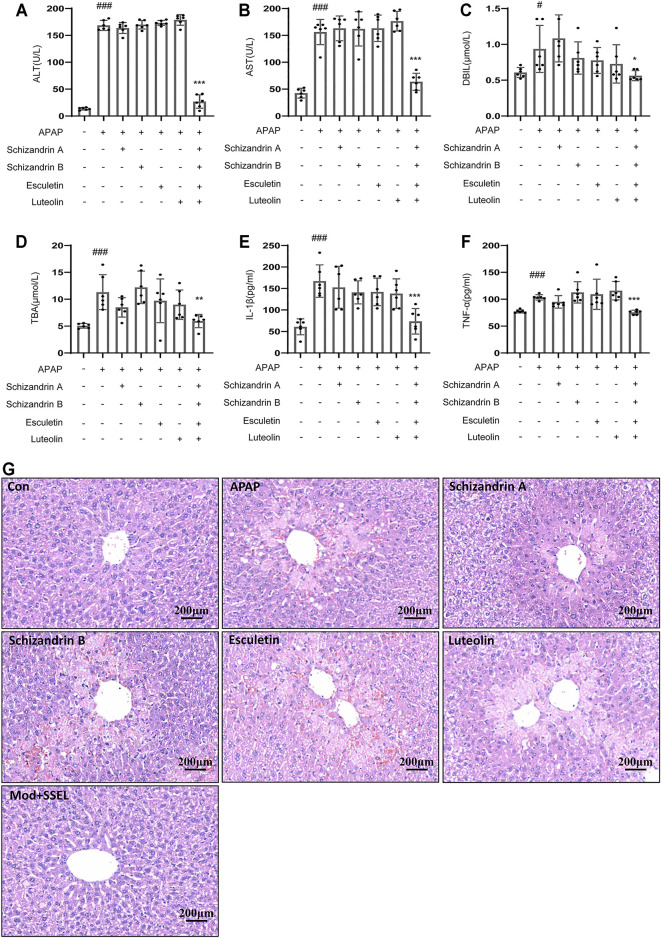
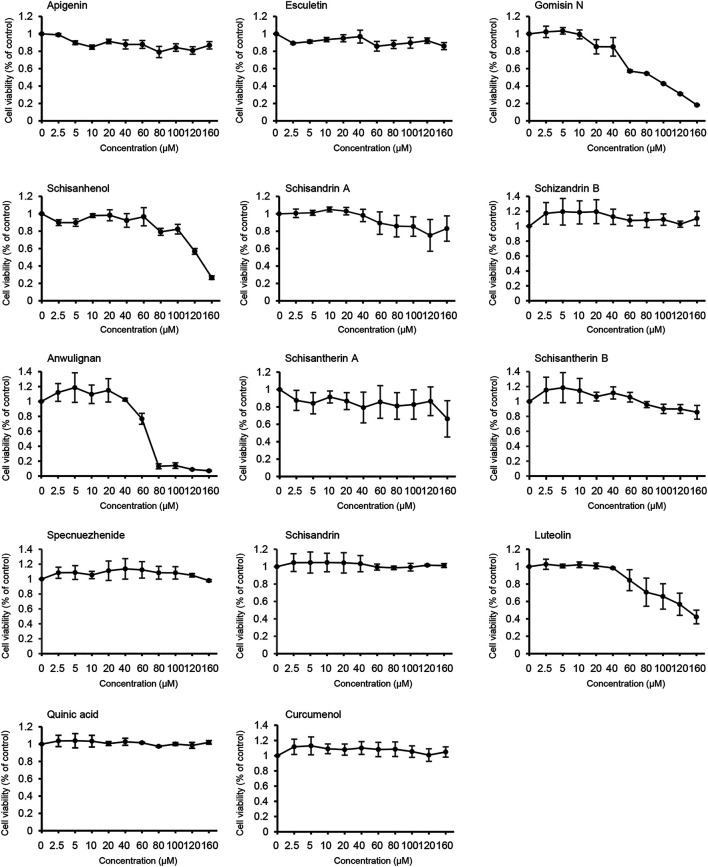
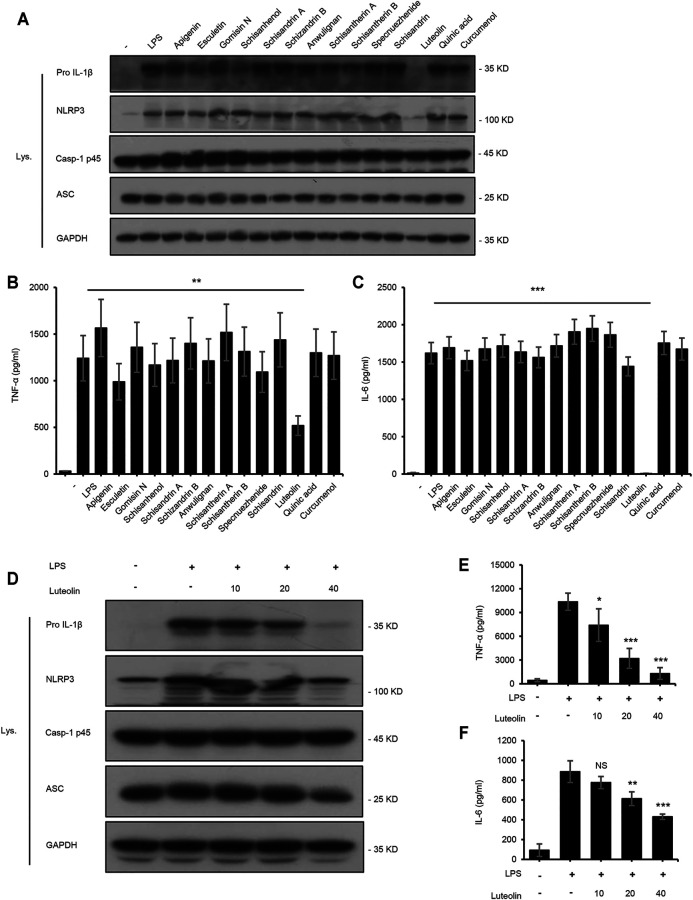
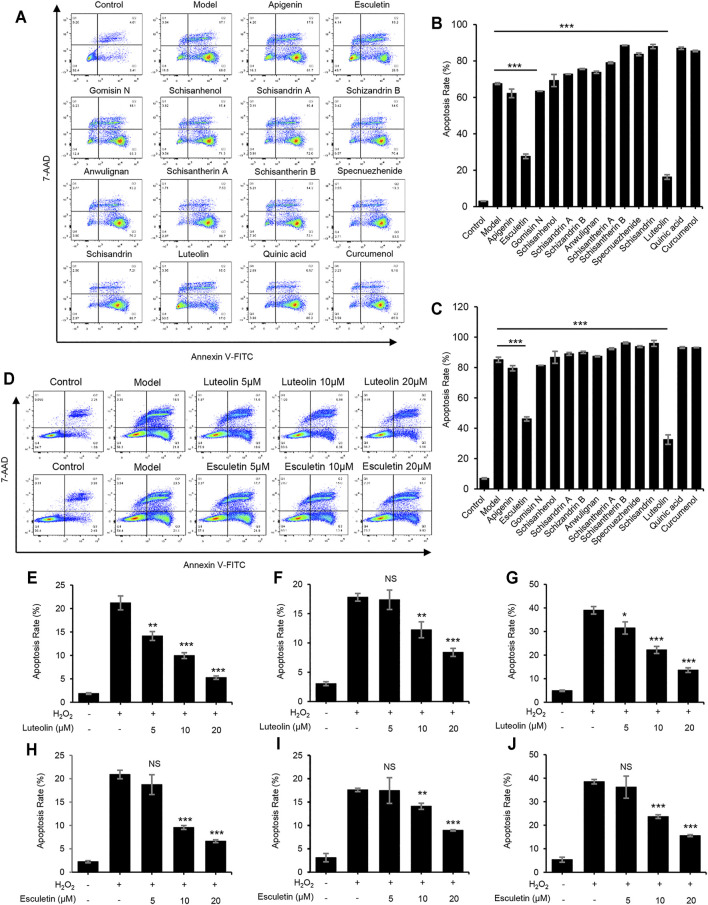
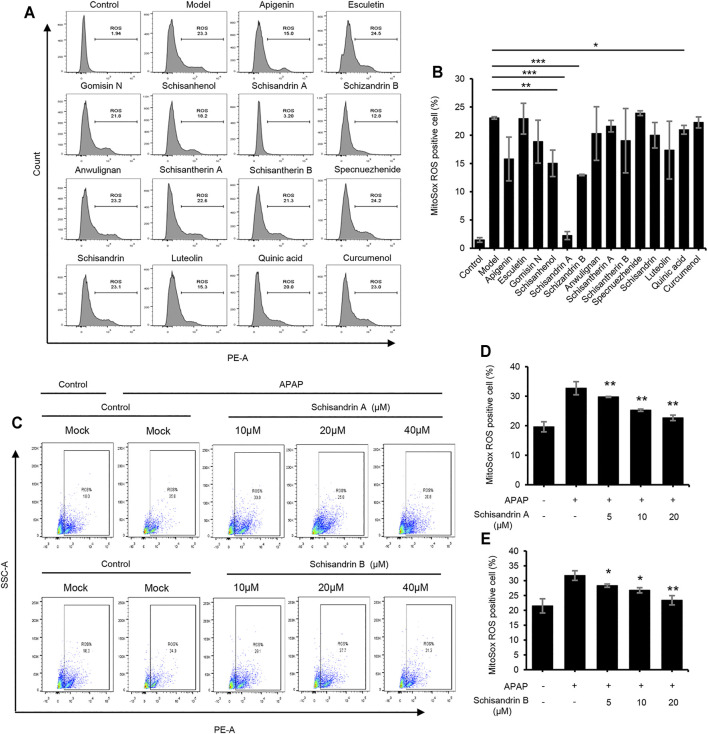
Liver disease is a major cause of illness and death worldwide. In China, liver diseases, primarily alcoholic and nonalcoholic fatty liver disease, and viral hepatitis, affect approximately 300 million people, resulting in a major impact on the global burden of liver diseases. The use of Liuweiwuling (LWWL), a traditional Chinese medicine formula, approved by the Chinese Food and Drug Administration for decreasing aminotransferase levels induced by different liver diseases. Our previous study indicated a part of the material basis and mechanisms of LWWL in the treatment of hepatic fibrosis. However, knowledge of the materials and molecular mechanisms of LWWL in the treatment of liver diseases remains limited. Using pharmacokinetic and network pharmacology methods, this study demonstrated that the active components of LWWL were involved in the treatment mechanism against liver diseases and exerted anti-apoptosis and anti-inflammatory effects. Furthermore, esculetin, luteolin, schisandrin A and schisandrin B may play an important role by exerting anti-inflammatory and hepatoprotective effects . Esculeti and luteolin dose-dependently inhibited HO-induced cell apoptosis, and luteolin also inhibited the NF-κB signaling pathway in bone marrow-derived macrophages. schisandrin A and B inhibited the release of ROS in acetaminophen (APAP)-induced acute liver injury . Moreover, LWWL active ingredients protect against APAP-induced acute liver injury in mice. The four active ingredients may inhibit oxidative stress or inflammation to exert hepatoprotective effect. In conclusion, our results showed that the novel component combination of LWWL can protect against APAP-induced acute liver injury by inhibiting cell apoptosis and exerting anti-inflammatory effects.
肝脏疾病是全球疾病和死亡的主要原因。在中国,肝脏疾病,主要是酒精性和非酒精性脂肪性肝病以及病毒性肝炎,影响着约3亿人,对全球肝脏疾病负担产生重大影响。六味五灵片(LWWL)是一种经中国食品药品监督管理总局批准用于降低不同肝脏疾病所致转氨酶水平的中药配方。我们之前的研究表明了LWWL治疗肝纤维化的部分物质基础和机制。然而,LWWL治疗肝脏疾病的物质和分子机制仍知之甚少。本研究采用药代动力学和网络药理学方法,证明LWWL的活性成分参与了对抗肝脏疾病的治疗机制,并发挥了抗凋亡和抗炎作用。此外,七叶亭、木犀草素、五味子醇甲和五味子乙素可能通过发挥抗炎和肝脏保护作用而发挥重要作用。七叶亭和木犀草素剂量依赖性地抑制HO诱导的细胞凋亡,木犀草素还抑制骨髓来源巨噬细胞中的NF-κB信号通路。五味子醇甲和乙素抑制对乙酰氨基酚(APAP)诱导的急性肝损伤中ROS的释放。此外,LWWL活性成分可保护小鼠免受APAP诱导的急性肝损伤。这四种活性成分可能通过抑制氧化应激或炎症来发挥肝脏保护作用。总之,我们的结果表明,LWWL新的成分组合可通过抑制细胞凋亡和发挥抗炎作用来保护小鼠免受APAP诱导的急性肝损伤。