Correia de Sousa Marta, Calo Nicolas, Sobolewski Cyril, Gjorgjieva Monika, Clément Sophie, Maeder Christine, Dolicka Dobrochna, Fournier Margot, Vinet Laurent, Montet Xavier, Dufour Jean-François, Humar Bostjan, Negro Francesco, Sempoux Christine, Foti Michelangelo
Department of Cell Physiology and Metabolism, Faculty of Medicine, University of Geneva, 1211 Geneva, Switzerland.
Division of Clinical Pathology, Geneva University Hospitals, 1206 Geneva, Switzerland.
Cancers (Basel). 2021 Oct 4;13(19):4983. doi: 10.3390/cancers13194983.
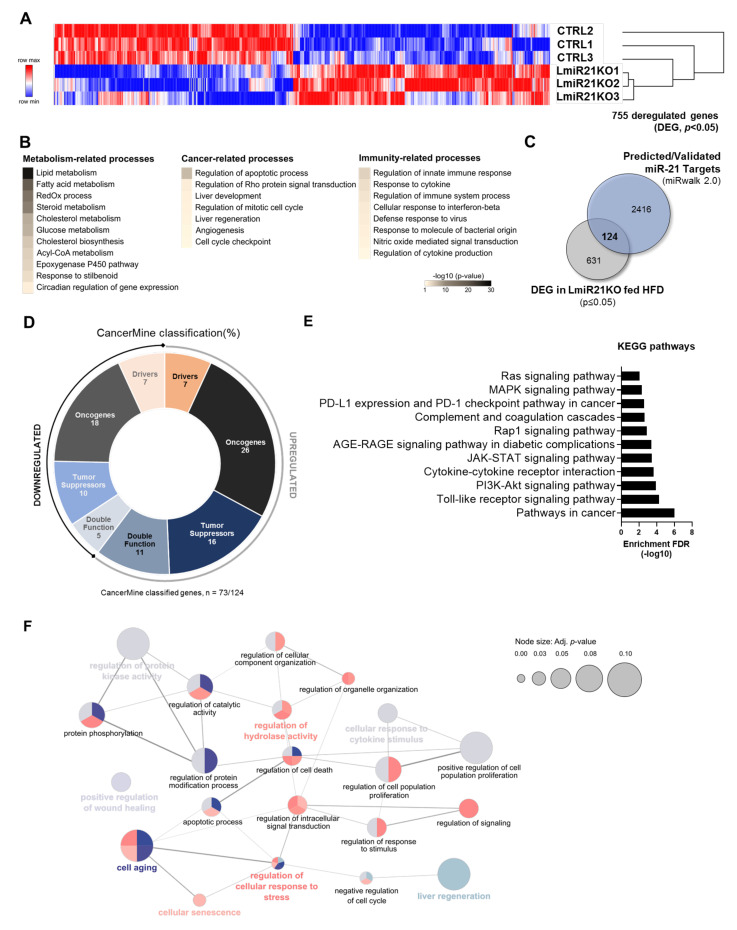
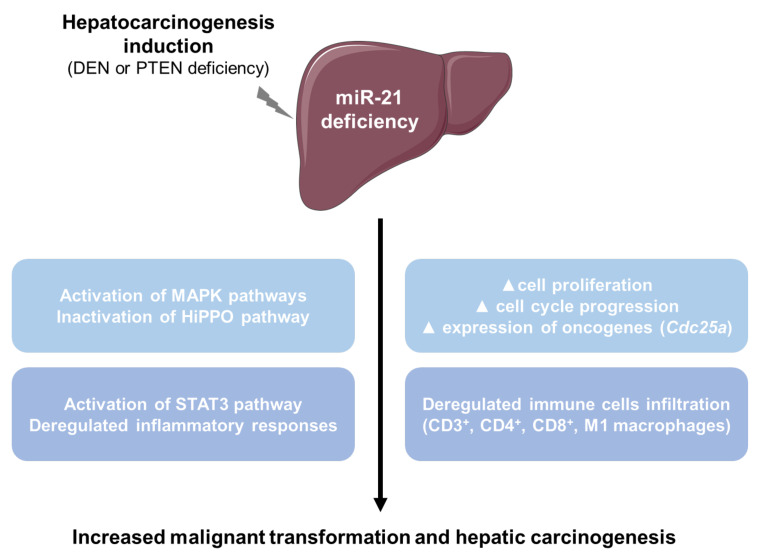
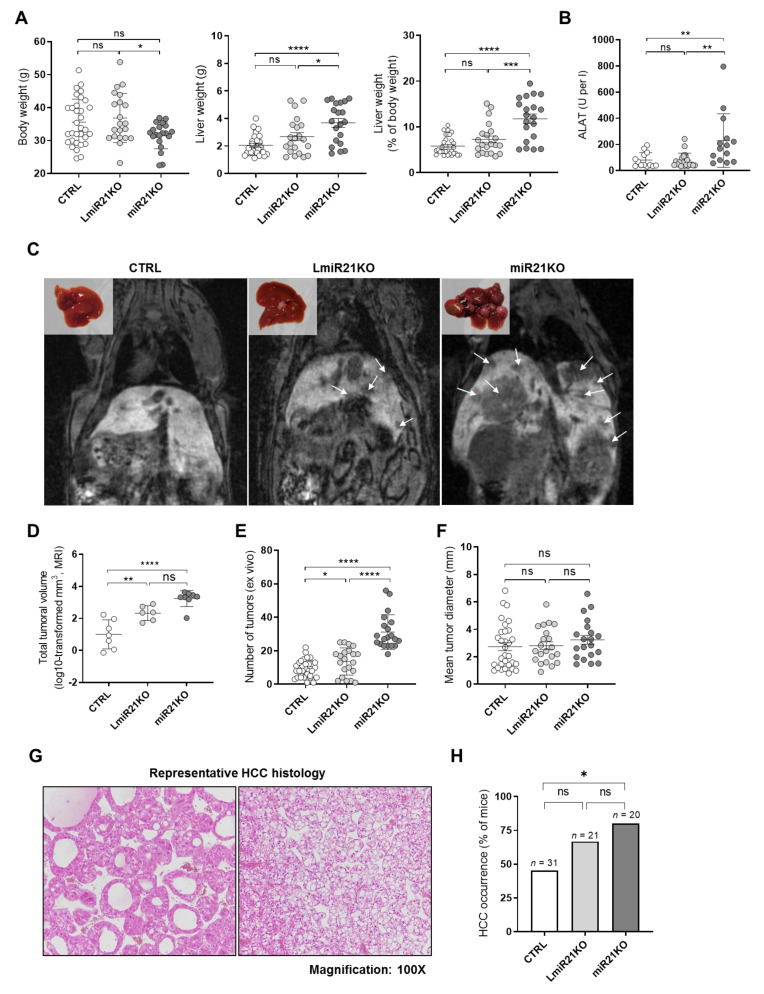
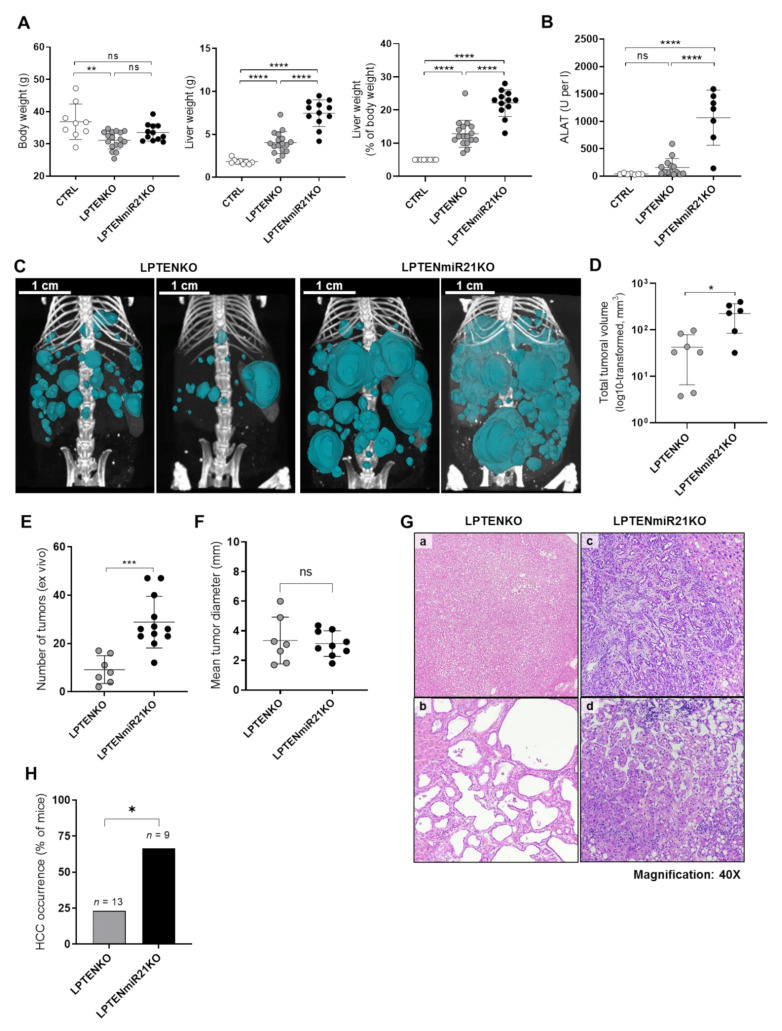
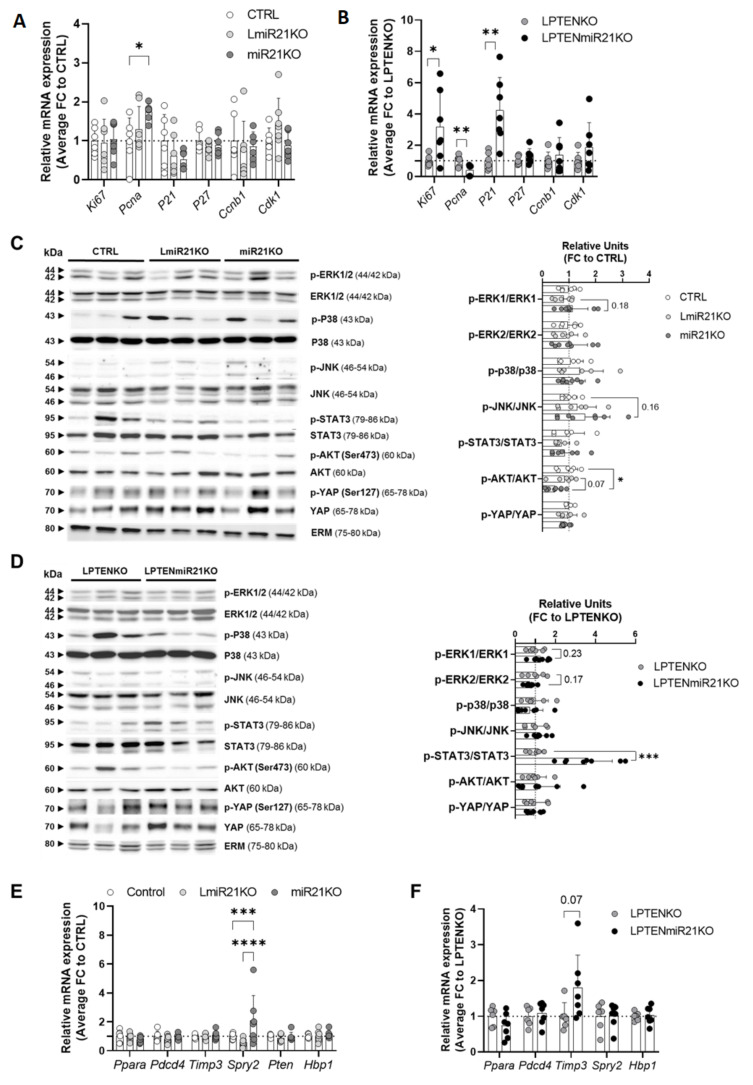
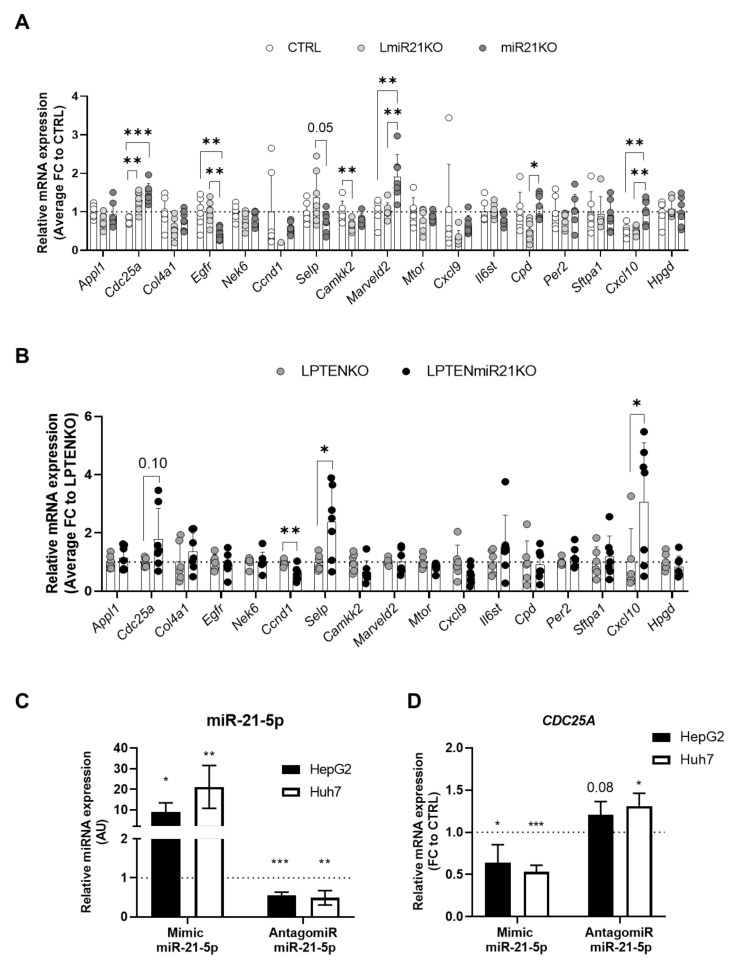
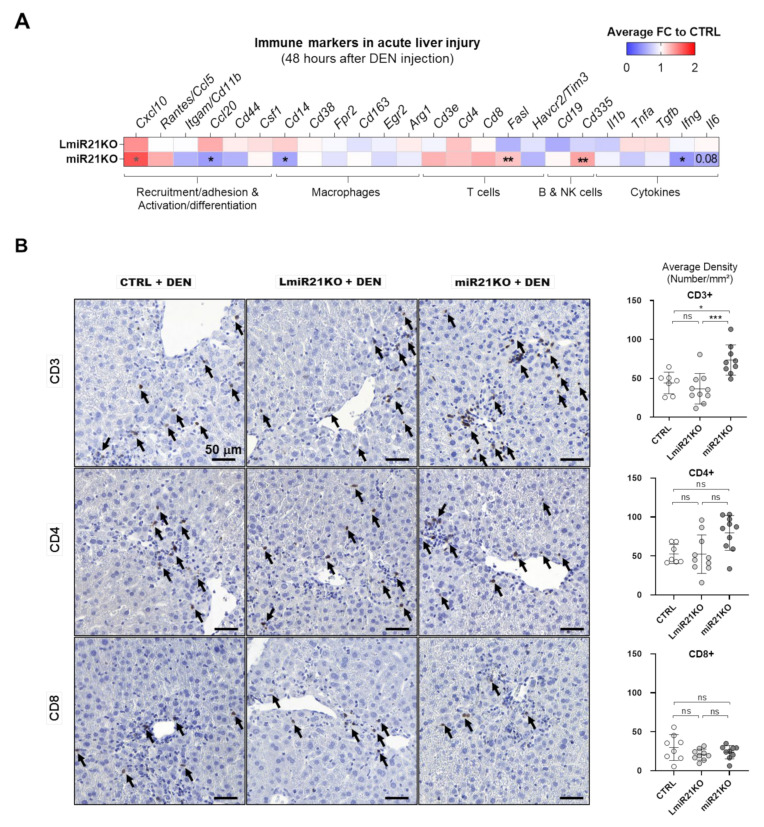
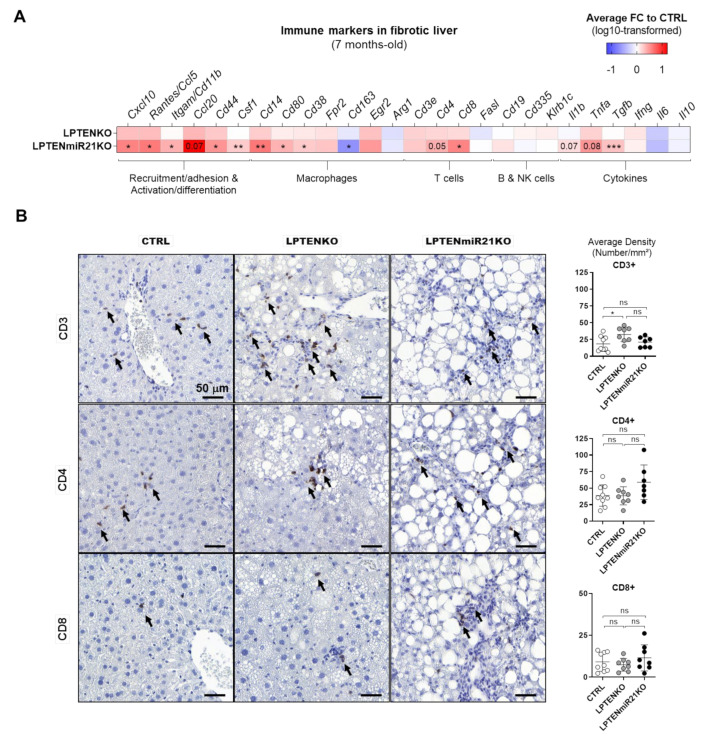
The microRNA 21 (miR-21) is upregulated in almost all known human cancers and is considered a highly potent oncogene and potential therapeutic target for cancer treatment. In the liver, miR-21 was reported to promote hepatic steatosis and inflammation, but whether miR-21 also drives hepatocarcinogenesis remains poorly investigated in vivo. Here we show using both carcinogen (Diethylnitrosamine, DEN) or genetically (PTEN deficiency)-induced mouse models of hepatocellular carcinoma (HCC), total or hepatocyte-specific genetic deletion of this microRNA fosters HCC development-contrasting the expected oncogenic role of miR-21. Gene and protein expression analyses of mouse liver tissues further indicate that total or hepatocyte-specific miR-21 deficiency is associated with an increased expression of oncogenes such as , subtle deregulations of the MAPK, HiPPO, and STAT3 signaling pathways, as well as alterations of the inflammatory/immune anti-tumoral responses in the liver. Together, our data show that miR-21 deficiency promotes a pro-tumoral microenvironment, which over time fosters HCC development via pleiotropic and complex mechanisms. These results question the current dogma of miR-21 being a potent oncomiR in the liver and call for cautiousness when considering miR-21 inhibition for therapeutic purposes in HCC.
微小RNA 21(miR-21)在几乎所有已知的人类癌症中均呈上调状态,被认为是一种高效的致癌基因以及癌症治疗的潜在靶点。在肝脏中,据报道miR-21可促进肝脂肪变性和炎症,但miR-21是否也驱动肝癌发生在体内仍研究较少。在此,我们使用致癌物(二乙基亚硝胺,DEN)或基因(PTEN缺陷)诱导的肝细胞癌(HCC)小鼠模型表明,该微小RNA的完全缺失或肝细胞特异性基因缺失促进了HCC的发展,这与miR-21预期的致癌作用相反。对小鼠肝脏组织的基因和蛋白质表达分析进一步表明,完全缺失或肝细胞特异性miR-21与癌基因如……的表达增加、MAPK、HiPPO和STAT3信号通路的细微失调以及肝脏中炎症/免疫抗肿瘤反应的改变有关。总之,我们的数据表明,miR-21缺陷促进了促肿瘤微环境的形成,随着时间的推移,该微环境通过多效性和复杂机制促进HCC的发展。这些结果对目前认为miR-21在肝脏中是一种有效的致癌微小RNA的教条提出了质疑,并呼吁在考虑将抑制miR-21用于HCC的治疗目的时要谨慎。