International Centre for Life, Institute of Genetic Medicine, Newcastle University, Newcastle upon Tyne, UK.
Interdisciplinary School of Health Science, Faculty of Health Sciences, University of Ottawa, Ottawa, Canada.
Sci Rep. 2021 Oct 14;11(1):20491. doi: 10.1038/s41598-021-99781-0.
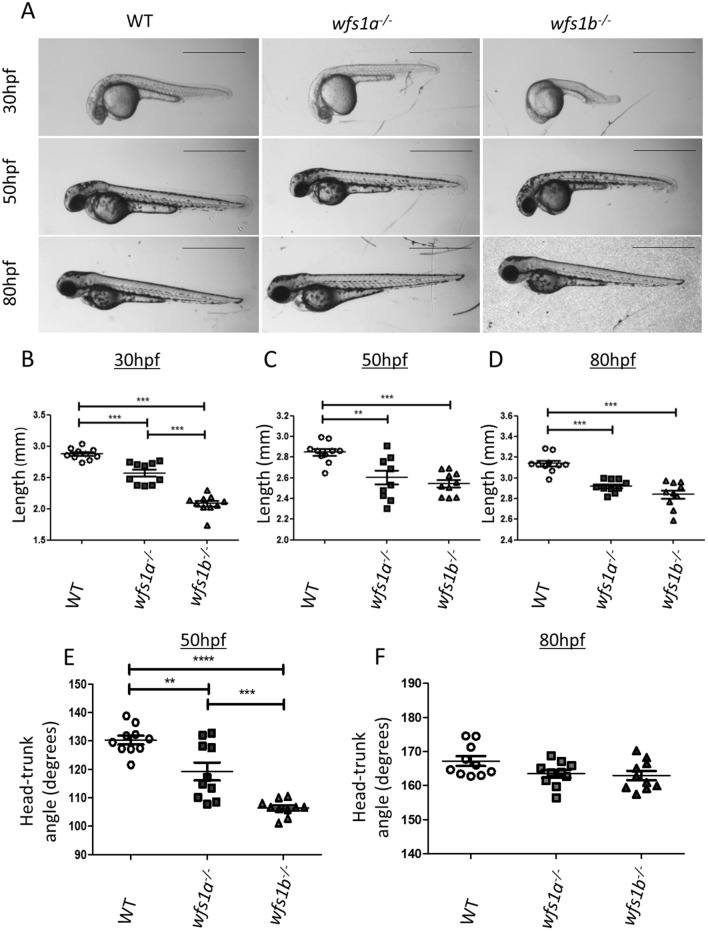
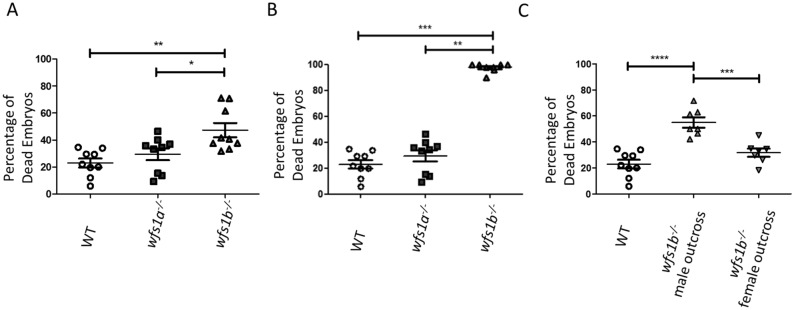
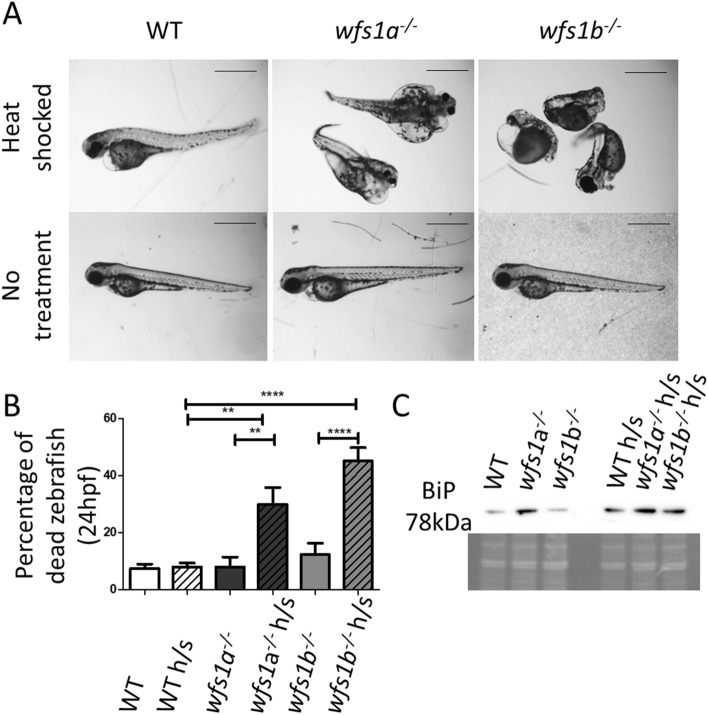
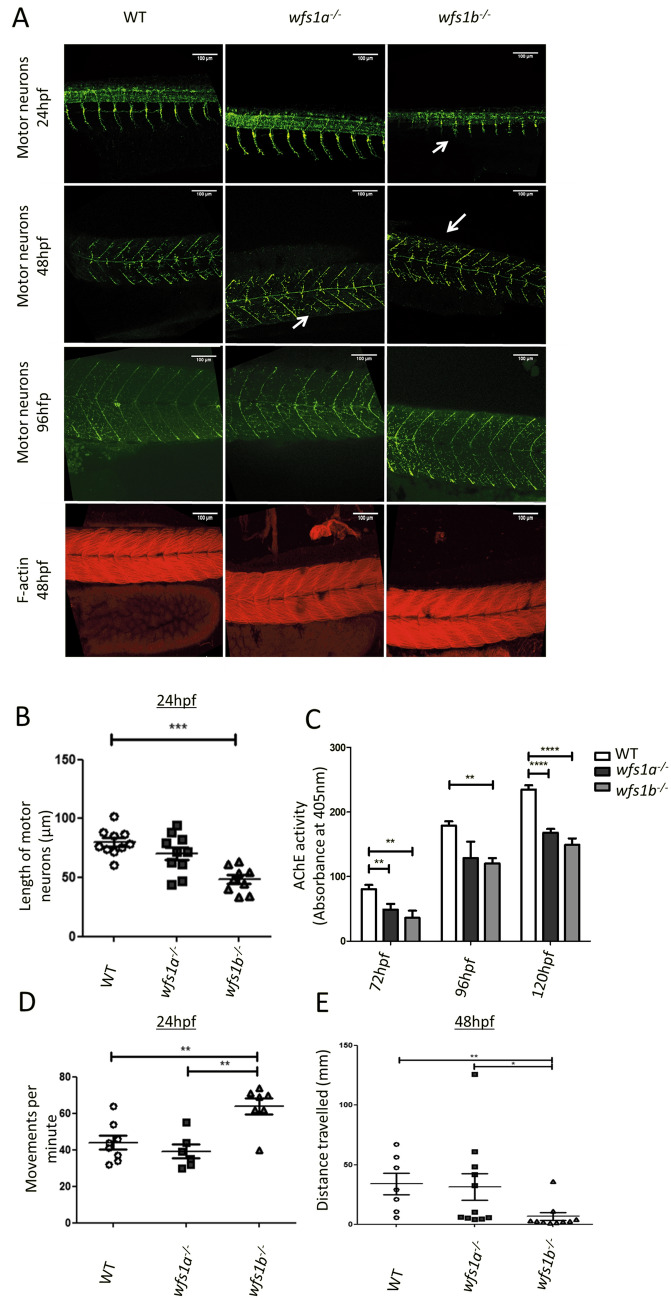
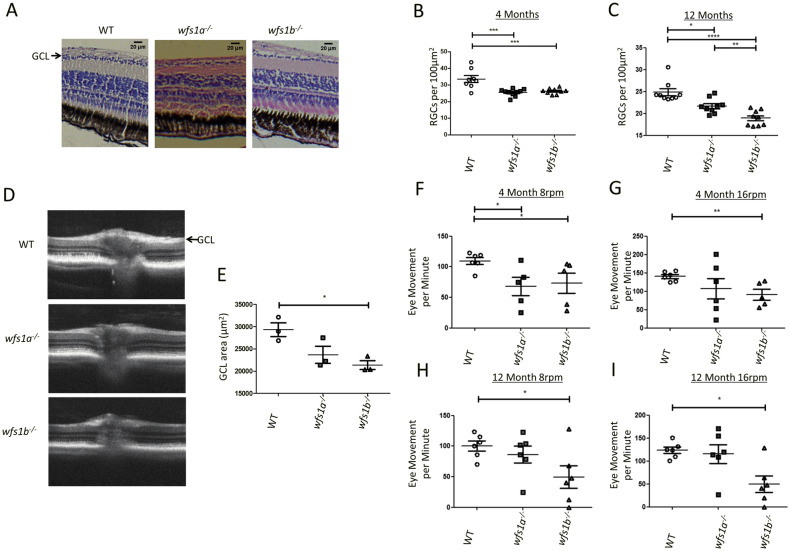
Wolfram syndrome (WS) is an ultra-rare progressive neurodegenerative disorder defined by early-onset diabetes mellitus and optic atrophy. The majority of patients harbour recessive mutations in the WFS1 gene, which encodes for Wolframin, a transmembrane endoplasmic reticulum protein. There is limited availability of human ocular and brain tissues, and there are few animal models for WS that replicate the neuropathology and clinical phenotype seen in this disorder. We, therefore, characterised two wfs1 zebrafish knockout models harbouring nonsense wfs1a and wfs1b mutations. Both homozygous mutant wfs1a and wfs1b embryos showed significant morphological abnormalities in early development. The wfs1b zebrafish exhibited a more pronounced neurodegenerative phenotype with delayed neuronal development, progressive loss of retinal ganglion cells and clear evidence of visual dysfunction on functional testing. At 12 months of age, wfs1b zebrafish had a significantly lower RGC density per 100 μm (mean ± standard deviation; 19 ± 1.7) compared with wild-type (WT) zebrafish (25 ± 2.3, p < 0.001). The optokinetic response for wfs1b zebrafish was significantly reduced at 8 and 16 rpm testing speeds at both 4 and 12 months of age compared with WT zebrafish. An upregulation of the unfolded protein response was observed in mutant zebrafish indicative of increased endoplasmic reticulum stress. Mutant wfs1b zebrafish exhibit some of the key features seen in patients with WS, providing a versatile and cost-effective in vivo model that can be used to further investigate the underlying pathophysiology of WS and potential therapeutic interventions.
沃尔夫拉明综合征(WS)是一种罕见的进行性神经退行性疾病,其特征为早发糖尿病和视神经萎缩。大多数患者携带 WFS1 基因突变,该基因编码沃尔弗拉明(Wolframin),一种跨膜内质网蛋白。目前可获得的人眼和脑组织有限,并且用于 WS 的动物模型很少,无法复制该疾病的神经病理学和临床表型。因此,我们构建了两种携带无义突变 wfs1a 和 wfs1b 的 wfs1 斑马鱼敲除模型。纯合突变 wfs1a 和 wfs1b 胚胎在早期发育中表现出明显的形态异常。wfs1b 斑马鱼表现出更明显的神经退行性表型,神经元发育延迟,视网膜神经节细胞逐渐丧失,并且在功能测试中明显存在视觉功能障碍。在 12 个月时,wfs1b 斑马鱼的每 100 μm 视网膜神经节细胞密度(平均值 ± 标准差;19 ± 1.7)明显低于野生型(WT)斑马鱼(25 ± 2.3,p < 0.001)。与 WT 斑马鱼相比,wfs1b 斑马鱼在 8 和 16 rpm 测试速度下的视动反应在 4 个月和 12 个月时均显著降低。在突变斑马鱼中观察到未折叠蛋白反应的上调,表明内质网应激增加。wfs1b 突变斑马鱼表现出 WS 患者的一些关键特征,提供了一种多功能且经济有效的体内模型,可用于进一步研究 WS 的潜在病理生理学和潜在治疗干预措施。