Yi Sui, Yang Yang
The Intensive Care Unit Department, Second Hospital of Dalian Medical University, Dalian, Liaoning 116027, P.R. China.
The Neurology Department, Fourth Affiliated Hospital of China Medical University, Shenyang, Liaoning 110032, P.R. China.
Exp Ther Med. 2021 Dec;22(6):1392. doi: 10.3892/etm.2021.10828. Epub 2021 Sep 30.
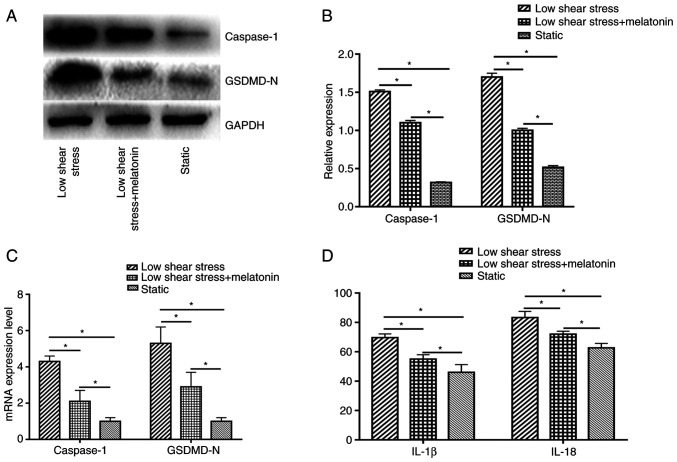
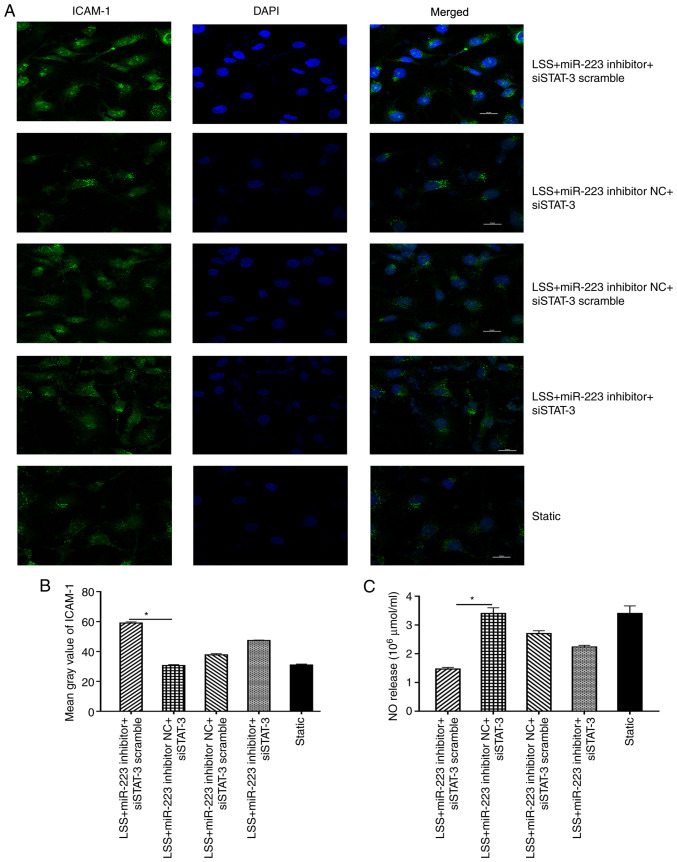
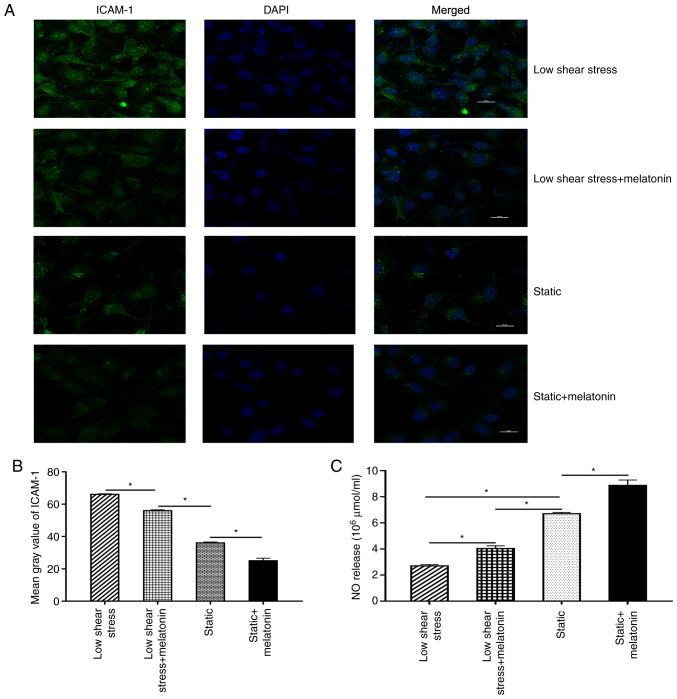
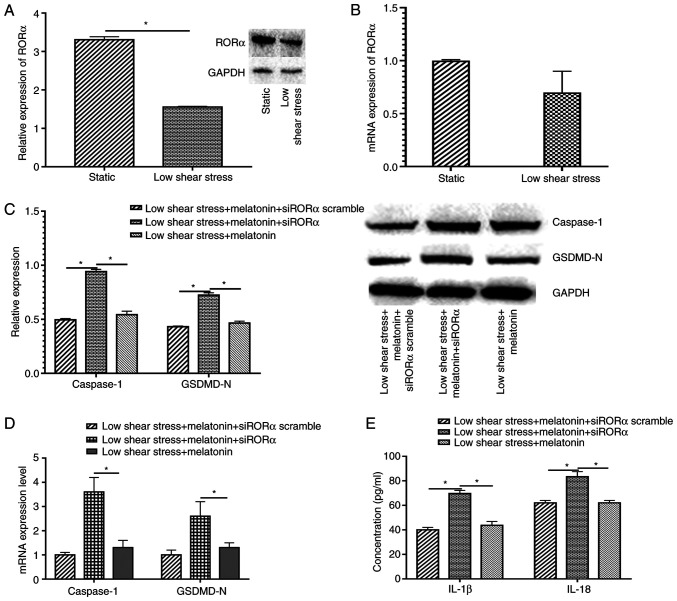
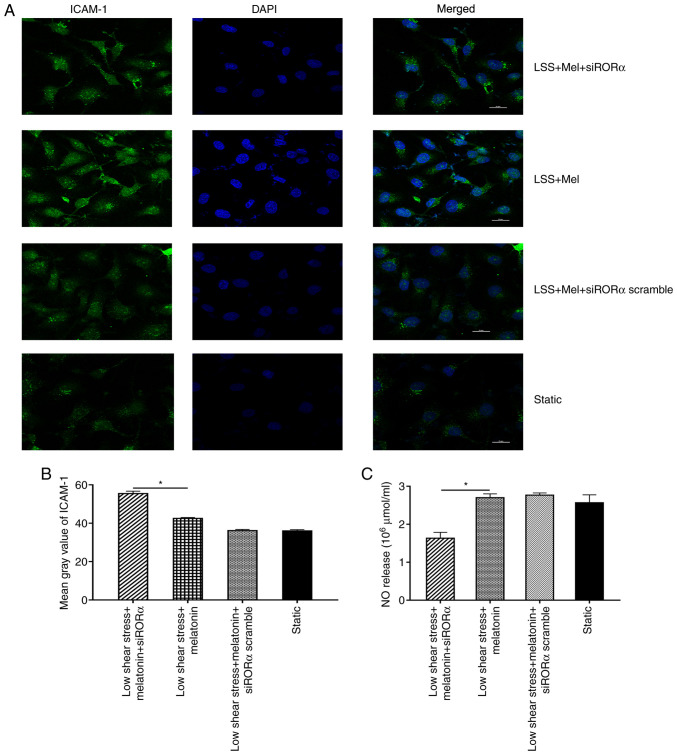
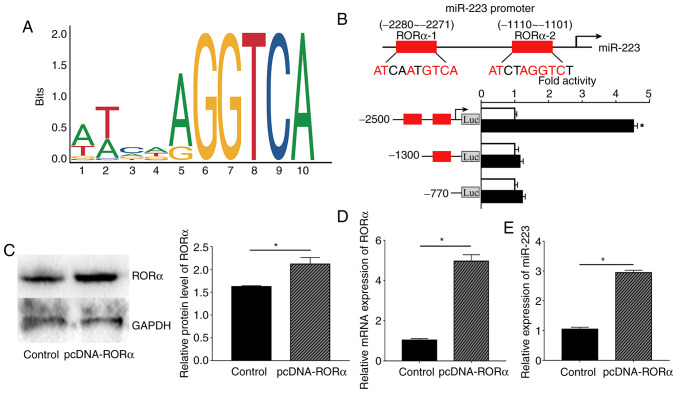
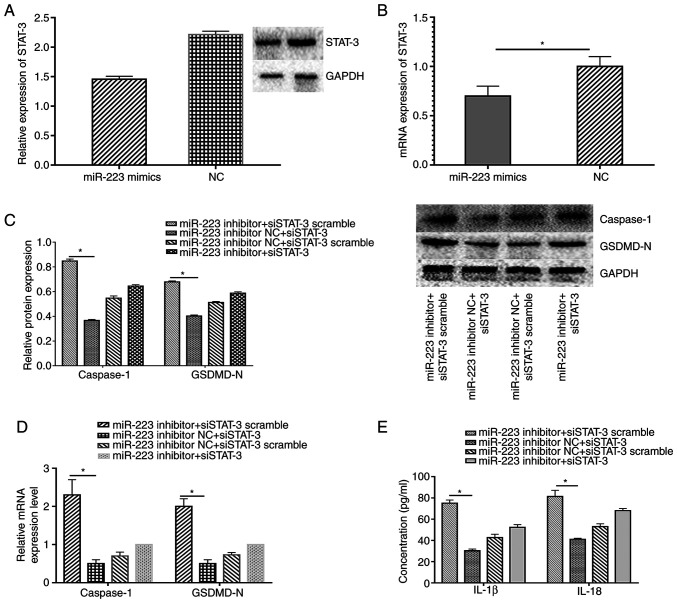
Endothelial cells sense changes in blood flow shear stress and affect the progression of atherosclerotic plaques. Pyroptosis is an inflammatory form of cell death and has been implicated in cardiovascular diseases. Melatonin and its nuclear receptor retinoid-related orphan receptor α (RORα) have protective effects on the development of atherosclerosis. To date, whether melatonin can prevent endothelial cell pyroptosis and dysfunction in pathological shear stress remains unclear. In the present study, human umbilical vein endothelial cells (ECs) were cultured under low shear stress conditions (5 dyne/cm) for 24 h and treated with or without melatonin (2 µmol/l). The binding sites of the microRNA (miR)-223 promoter and RORα were predicted using the JASPAR website. Expression of pyroptosis-related proteins, including cleaved N-terminal gasdermin D, caspase-1, intercellular adhesion molecule 1 (ICAM-1) and nitric oxide (NO) were assessed. The results indicated that low shear stress increased pyroptosis and ICAM-1 expression, whereas it decreased NO levels. Melatonin alleviated pyroptosis and ICAM-1 expression and increased the production of NO in ECs. Further assessment revealed that low-level shear stress decreased RORα protein and mRNA expression, whereas melatonin would bind to RORα and thereby promoted miR-223 transcription in ECs. The present study also identified signal transducer and activator of transcription 3 (STAT-3) as a potential target gene of miR-223-3p. When transfected with miR-223 inhibitor, ECs up-regulated the expression of pyroptosis-related proteins and ICAM-1, and down-regulated NO levels. By contrast, silencing STAT-3 expression diminished the protective effect of miR-223. These results indicated that melatonin prevented ECs from undergoing pyroptosis and alleviated dysfunction via the RORα/miR-223/STAT-3 signalling pathway. This information could aid in the development of novel therapeutic approaches and provide new insights into atherosclerosis.
内皮细胞感知血流切应力的变化,并影响动脉粥样硬化斑块的进展。细胞焦亡是一种炎症性细胞死亡形式,与心血管疾病有关。褪黑素及其核受体视黄酸相关孤儿受体α(RORα)对动脉粥样硬化的发展具有保护作用。迄今为止,褪黑素是否能预防病理切应力下的内皮细胞焦亡和功能障碍仍不清楚。在本研究中,人脐静脉内皮细胞(ECs)在低切应力条件(5达因/平方厘米)下培养24小时,并给予或不给予褪黑素(2微摩尔/升)处理。使用JASPAR网站预测微小RNA(miR)-223启动子与RORα的结合位点。评估细胞焦亡相关蛋白的表达,包括裂解的N端gasdermin D、半胱天冬酶-1、细胞间黏附分子1(ICAM-1)和一氧化氮(NO)。结果表明,低切应力增加了细胞焦亡和ICAM-1的表达,而降低了NO水平。褪黑素减轻了细胞焦亡和ICAM-1的表达,并增加了ECs中NO的产生。进一步评估发现,低水平切应力降低了RORα蛋白和mRNA表达,而褪黑素会与RORα结合,从而促进ECs中miR-223的转录。本研究还确定信号转导和转录激活因子3(STAT-3)为miR-223-3p的潜在靶基因。当用miR-223抑制剂转染时,ECs上调了细胞焦亡相关蛋白和ICAM-1的表达,并下调了NO水平。相比之下,沉默STAT-3表达减弱了miR-223的保护作用。这些结果表明,褪黑素通过RORα/miR-223/STAT-3信号通路防止ECs发生细胞焦亡并减轻功能障碍。这一信息有助于开发新的治疗方法,并为动脉粥样硬化提供新的见解。