Xia Yifan, Li Yunfei, Khalid Wasem, Bikson Marom, Fu Bingmei M
Department of Biomedical Engineering, The City College of the City University of New York, New York, NY, United States.
Front Cell Dev Biol. 2021 Sep 28;9:731028. doi: 10.3389/fcell.2021.731028. eCollection 2021.
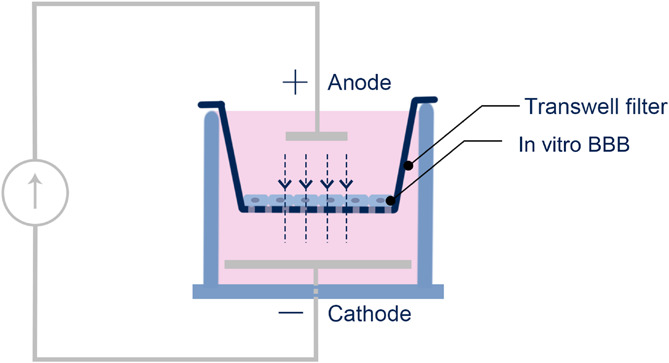
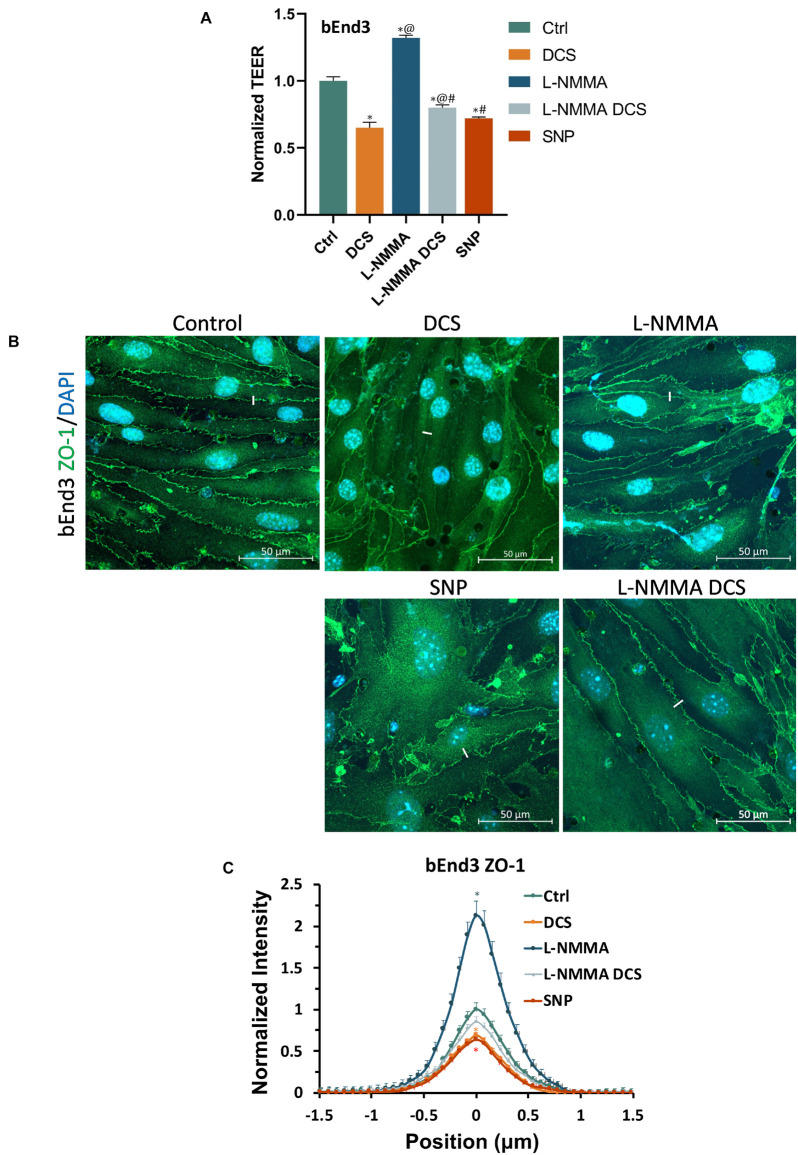
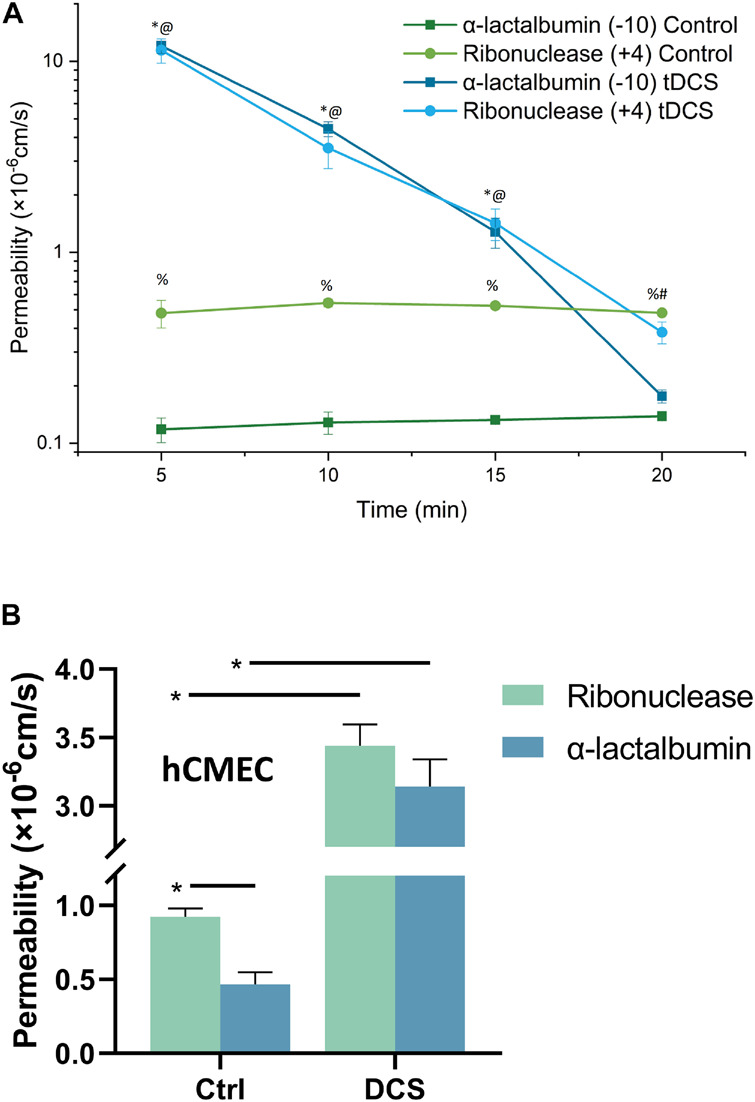
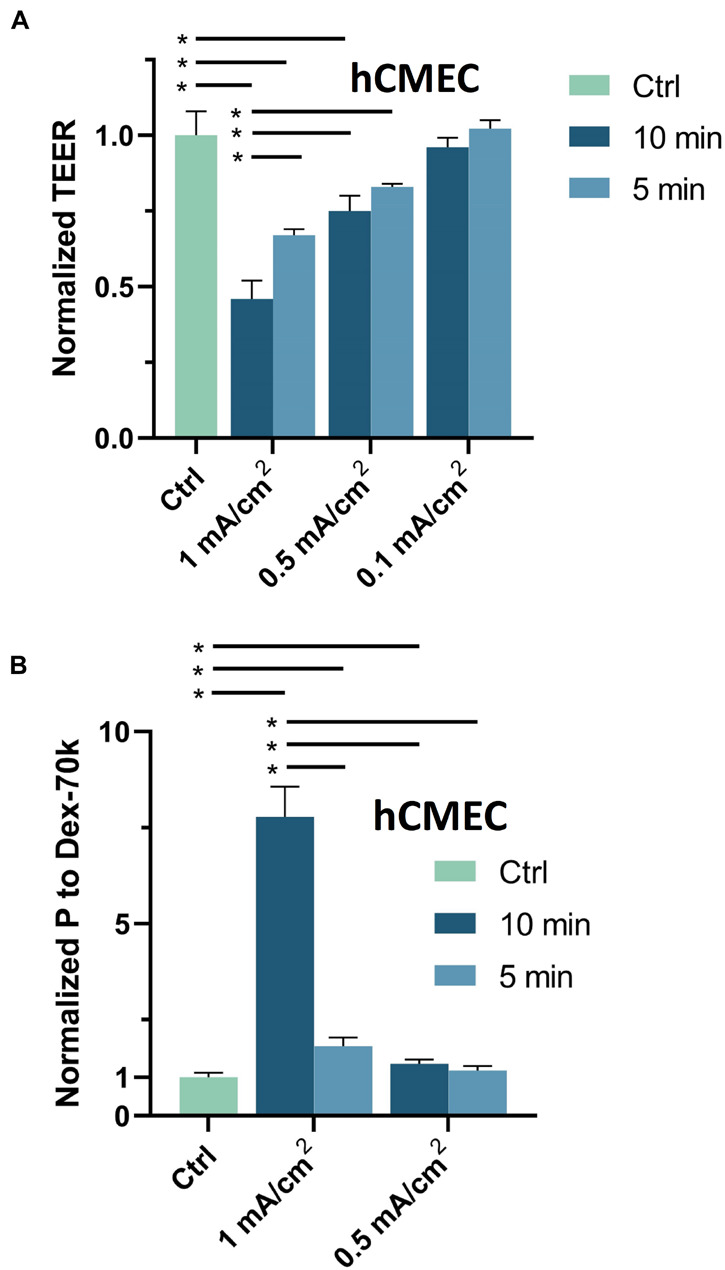
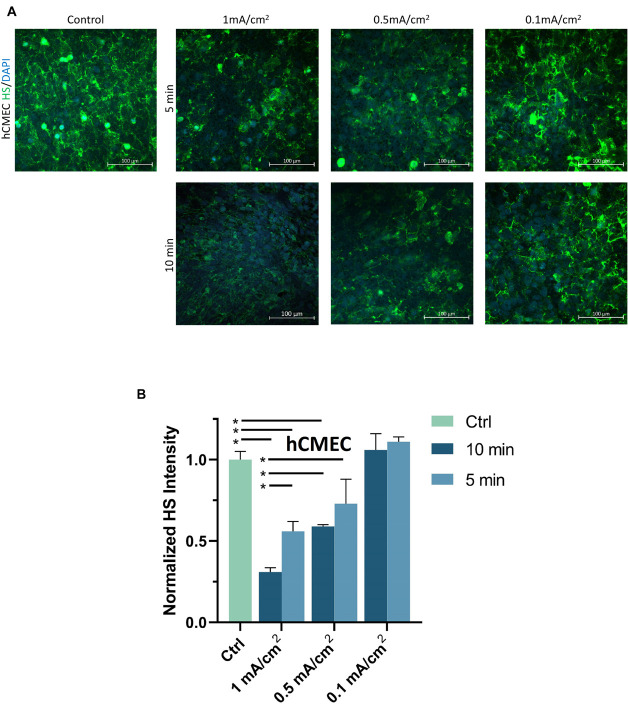
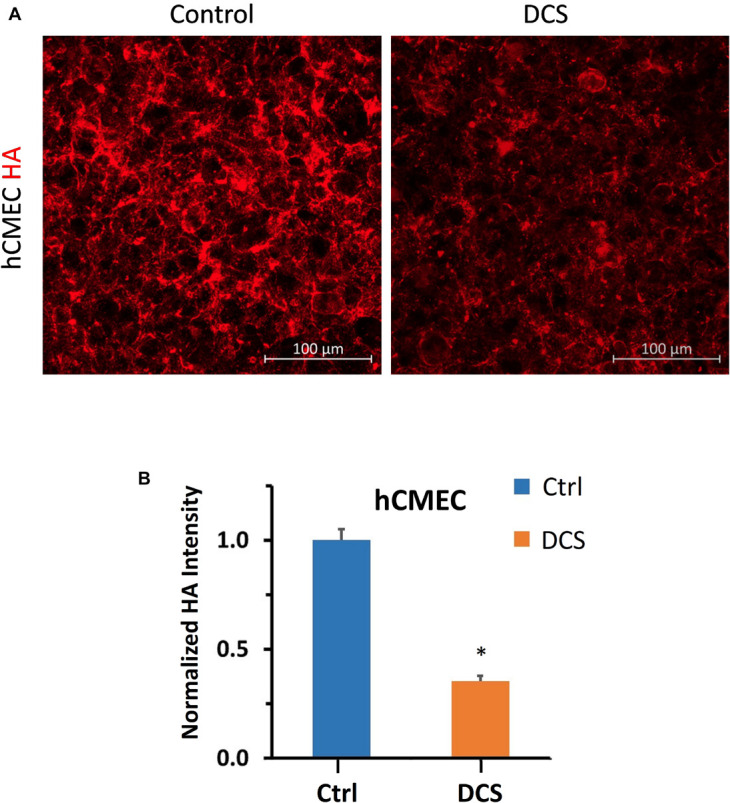
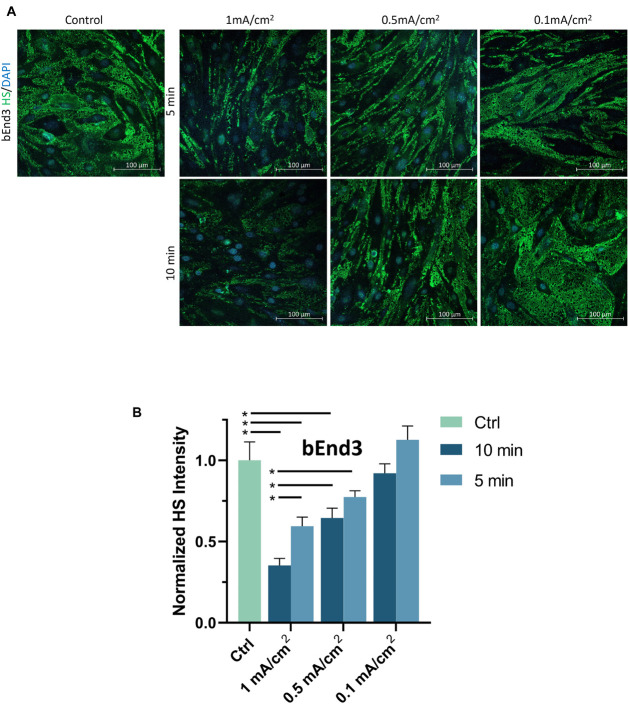
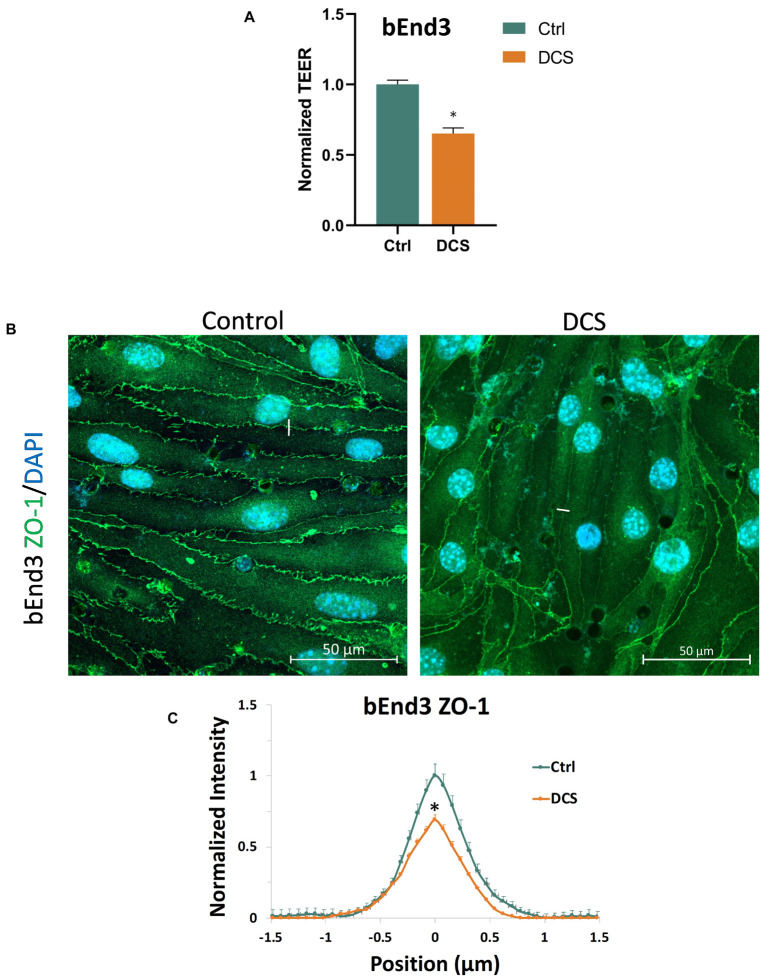
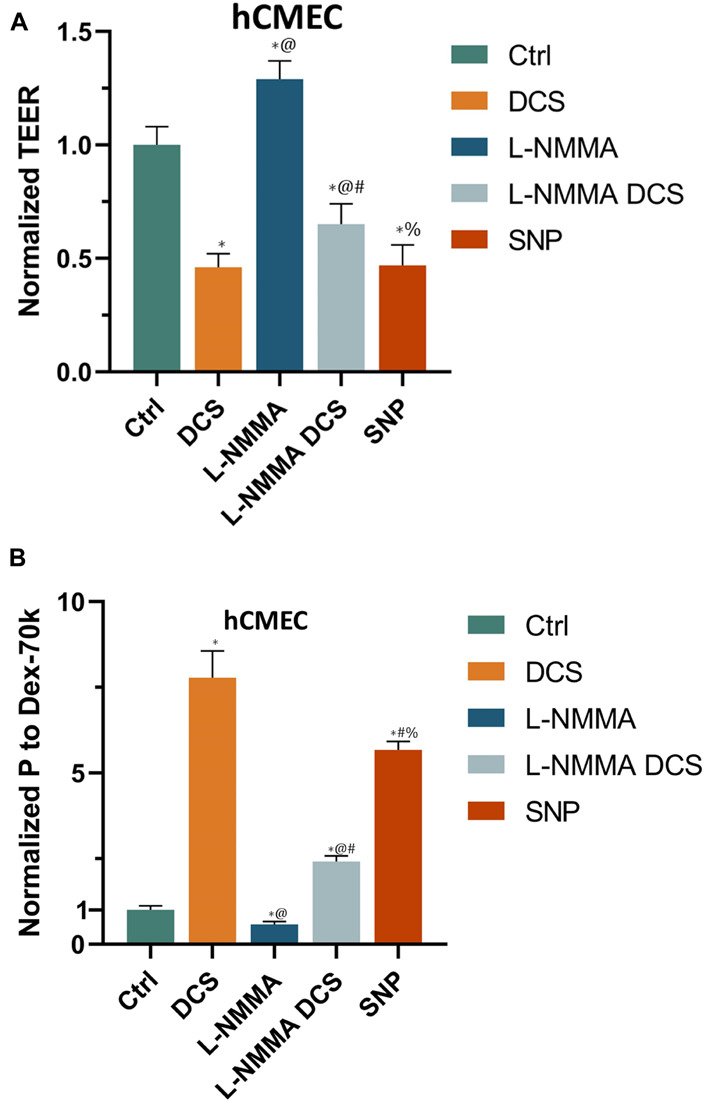
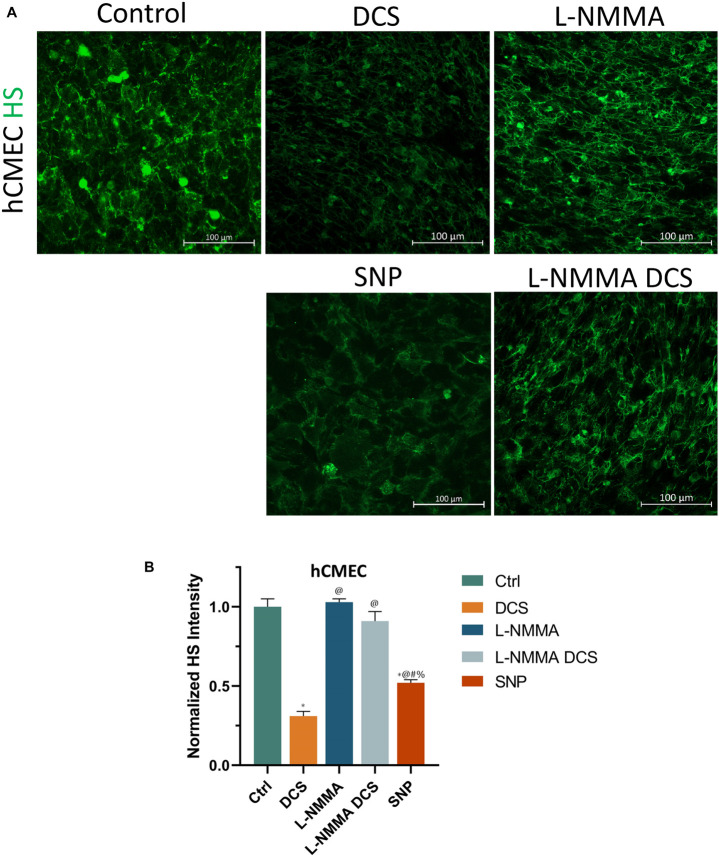
Transcranial direct current stimulation (tDCS) is a non-invasive physical therapy to treat many psychiatric disorders and to enhance memory and cognition in healthy individuals. Our recent studies showed that tDCS with the proper dosage and duration can transiently enhance the permeability (P) of the blood-brain barrier (BBB) in rat brain to various sized solutes. Based on the permeability data, a transport model for the paracellular pathway of the BBB also predicted that tDCS can transiently disrupt the endothelial glycocalyx (EG) and the tight junction between endothelial cells. To confirm these predictions and to investigate the structural mechanisms by which tDCS modulates P of the BBB, we directly quantified the EG and tight junctions of BBB models after DCS treatment. Human cerebral microvascular endothelial cells (hCMECs) and mouse brain microvascular endothelial cells (bEnd3) were cultured on the Transwell filter with 3 μm pores to generate BBBs. After confluence, 0.1-1 mA/cm DCS was applied for 5 and 10 min. TEER and P to dextran-70k of the BBB were measured, HS (heparan sulfate) and hyaluronic acid (HA) of EG was immuno-stained and quantified, as well as the tight junction ZO-1. We found disrupted EG and ZO-1 when P to dextran-70k was increased and TEER was decreased by the DCS. To further investigate the cellular signaling mechanism of DCS on the BBB permeability, we pretreated the BBB with a nitric oxide synthase (NOS) inhibitor, L-NMMA. L-NMMA diminished the effect of DCS on the BBB permeability by protecting the EG and reinforcing tight junctions. These results conform to the observations and confirm the model prediction that DCS can disrupt the EG and tight junction of the BBB. Nevertheless, the effects of DCS are transient which backup its safety in the clinical application. In conclusion, our current study directly elucidates the structural and signaling mechanisms by which DCS modulates the BBB permeability.
经颅直流电刺激(tDCS)是一种用于治疗多种精神疾病以及增强健康个体记忆力和认知能力的非侵入性物理疗法。我们最近的研究表明,适当剂量和时长的tDCS可使大鼠脑内血脑屏障(BBB)对各种大小溶质的通透性(P)短暂增强。基于通透性数据,BBB细胞旁途径的转运模型还预测tDCS可短暂破坏内皮糖萼(EG)和内皮细胞之间的紧密连接。为证实这些预测并研究tDCS调节BBB通透性的结构机制,我们在直流电刺激(DCS)处理后直接对BBB模型的EG和紧密连接进行了定量分析。将人脑血管内皮细胞(hCMECs)和小鼠脑微血管内皮细胞(bEnd3)接种于孔径为3μm的Transwell滤膜上以构建BBB模型。细胞融合后,施加0.1-1 mA/cm的DCS,持续5和10分钟。测量BBB的跨上皮电阻(TEER)和对葡聚糖-70k的通透性,对EG的硫酸乙酰肝素(HS)和透明质酸(HA)进行免疫染色和定量分析,同时分析紧密连接蛋白ZO-1。我们发现,当DCS使对葡聚糖-70k的通透性增加且TEER降低时,EG和ZO-1遭到破坏。为进一步研究DCS对BBB通透性的细胞信号传导机制,我们用一氧化氮合酶(NOS)抑制剂L-NMMA对BBB进行预处理。L-NMMA通过保护EG和加强紧密连接减弱了DCS对BBB通透性的影响。这些结果与观察结果相符,并证实了DCS可破坏BBB的EG和紧密连接这一模型预测。然而,DCS的作用是短暂的,这支持了其在临床应用中的安全性。总之,我们目前的研究直接阐明了DCS调节BBB通透性的结构和信号传导机制。