Department of Public & Occupational Health, Amsterdam Public Health Research Institute, Amsterdam University Medical Centers, University of Amsterdam, Amsterdam, the Netherlands.
Department of Vascular Medicine, Amsterdam Cardiovascular Sciences, Amsterdam University Medical Centers, University of Amsterdam, Amsterdam, the Netherlands.
Diabetologia. 2021 Dec;64(12):2665-2675. doi: 10.1007/s00125-021-05586-1. Epub 2021 Oct 16.
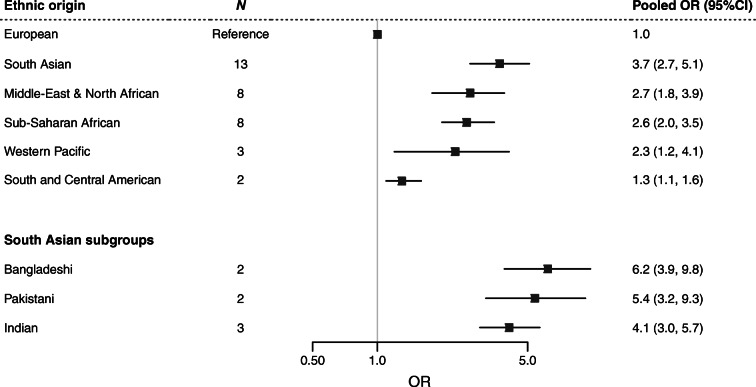
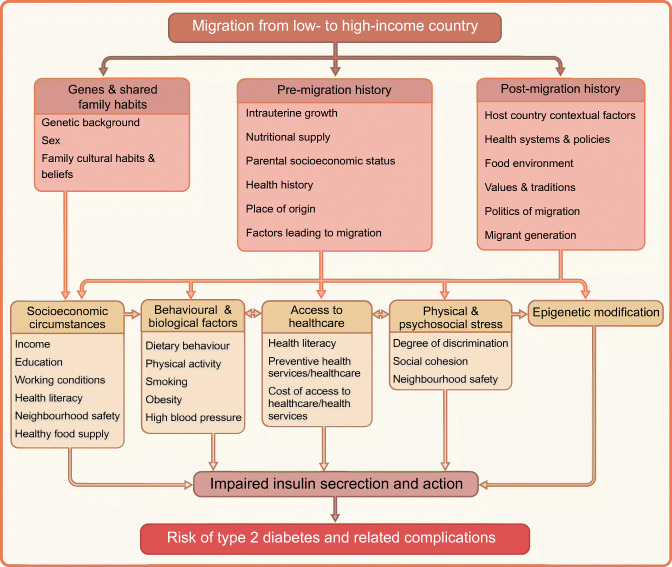
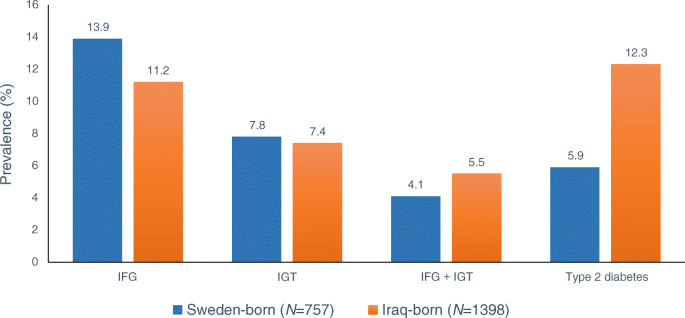
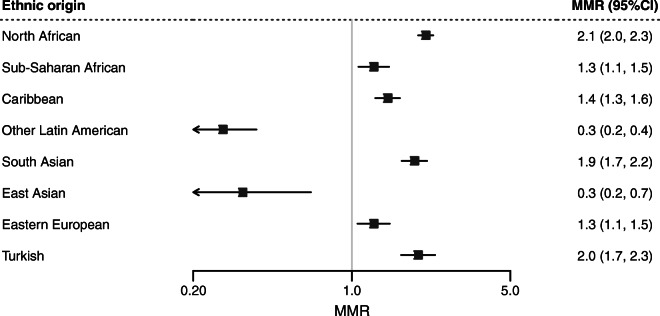
European populations are ethnically and culturally diverse due to international migration. Evidence indicates large ethnic inequalities in the prevalence of type 2 diabetes. This review discusses the burden of type 2 diabetes and its related complications, and the potential explanatory mechanisms among migrants in Europe. The current available data suggest that the rate of type 2 diabetes is higher in all migrant groups and that they develop this disease at an earlier age than the host European populations. The level of diabetes awareness among migrant populations is high, but glycaemic control remains suboptimal compared with Europeans. The culturally adapted lifestyle modification intervention trials to prevent type 2 diabetes mainly focus on South Asian adults in Europe. Diabetes-related microvascular and macrovascular complications remain a major burden among migrant populations in Europe. Earlier studies found higher mortality rates among migrants, but recent studies seem to suggest a shifting trend in favour of first-generation migrants. However, the extent of the burden of type 2 diabetes varies across migrant groups and European countries. Despite the higher burden of type 2 diabetes among migrants, the key underlying factors are not well understood mainly due to limited investment in basic science research and development of prospective cohort studies. We hypothesise that the underlying risk factors for the high burden of type 2 diabetes and its related complications in migrants are multifaceted and include pre-migration factors, post-migration factors and genetic predispositions. Given the multi-ethnic nature of the current European population, there is a clear need for investment in research among migrant populations to gain insight into factors driving the high burden of type 2 diabetes and related complications to facilitate prevention and treatment efforts in Europe.
欧洲人口由于国际移民而在种族和文化上呈现多样性。有证据表明,2 型糖尿病的流行存在着较大的种族不平等。本综述讨论了欧洲移民中 2 型糖尿病及其相关并发症的负担,以及潜在的解释机制。目前的可用数据表明,所有移民群体的 2 型糖尿病发病率都较高,而且他们比欧洲本地人群更早发病。移民群体对糖尿病的认识水平较高,但与欧洲人相比,血糖控制仍不理想。针对预防 2 型糖尿病的文化适应性生活方式改变干预试验主要集中在欧洲的南亚成年人。糖尿病相关的微血管和大血管并发症仍然是欧洲移民群体的主要负担。早期的研究发现移民的死亡率较高,但最近的研究似乎表明,第一代移民的死亡率呈下降趋势。然而,2 型糖尿病的负担在不同的移民群体和欧洲国家之间存在差异。尽管移民的 2 型糖尿病负担较高,但主要的潜在因素尚未得到很好的理解,主要是由于对基础科学研究和前瞻性队列研究的发展投资有限。我们假设,移民中 2 型糖尿病及其相关并发症高负担的潜在危险因素是多方面的,包括移民前因素、移民后因素和遗传易感性。鉴于当前欧洲人口的多种族性质,显然需要在移民群体中进行投资研究,以深入了解导致 2 型糖尿病和相关并发症高负担的因素,从而促进欧洲的预防和治疗工作。