Althaqafi Abdulrhman, Ali Majid, Alzahrani Yusuf, Ming Long Chiau, Hussain Zahid
Department of Pharmacy, Al-Noor Hospital, Makkah, Saudi Arabia.
College of Pharmacy, Umm Al-Qura University, Makkah, Saudi Arabia.
Ther Clin Risk Manag. 2021 Oct 13;17:1083-1090. doi: 10.2147/TCRM.S284171. eCollection 2021.
The US Food and Drug Administration issued safety warnings about neuropathy in 2013 and dysglycemia in 2018 caused by fluoroquinolone use, mainly based on case reports and case series. We conducted this systematic review to evaluate the safety of fluoroquinolones in diabetic patients by investigating their dysglycemic and neuropathic effects.
PubMed, Scopus, and Google Scholar were searched for randomized controlled trials and observational studies published from inception till September 2019 evaluating the safety of fluoroquinolones. Efficacy studies of fluoroquinolones reporting these adverse effects were also included. Primary outcomes were hypoglycemia, hyperglycemia, and neuropathy among patients with or without diabetes and treated with fluoroquinolones compared with placebo or other antibiotics. The Cochrane Collaboration tool for randomized controlled trials and modified Newcastle-Ottawa quality-assessment scale were used for assessment of the included studies.
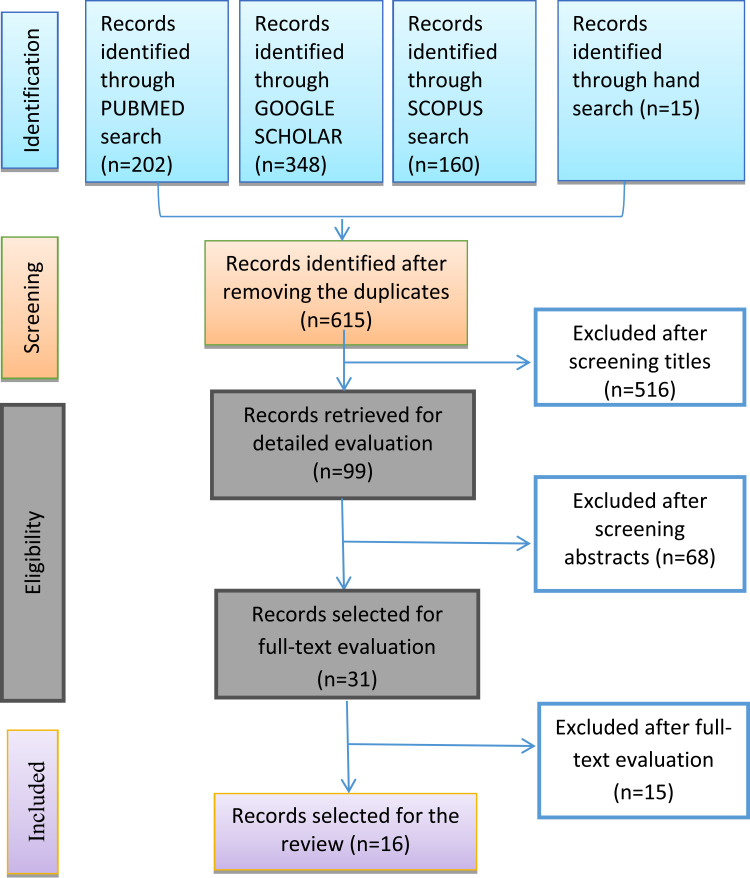
A total of 725 studies were identified in the initial search. After screening of titles and abstracts and full-text review, 16 articles fulfilled the inclusion criteria. The sampled patients were aged 30-78 years. Hyperglycemia was reported in 1,588 patients that received fluoroquinolone among eight studies with 4,663 patients, and hypoglycemia was reported in 2,179 patients that received fluoroquinolones among eleven studies with 6,208 patients. Dysglycemia was not generally associated with diabetes mellitus per se. Nevertheless, patients with more comorbidities, especially those with chronic kidney disease, receiving antidiabetics and/or steroids had more glycemic events when treated with fluoroquinolones.
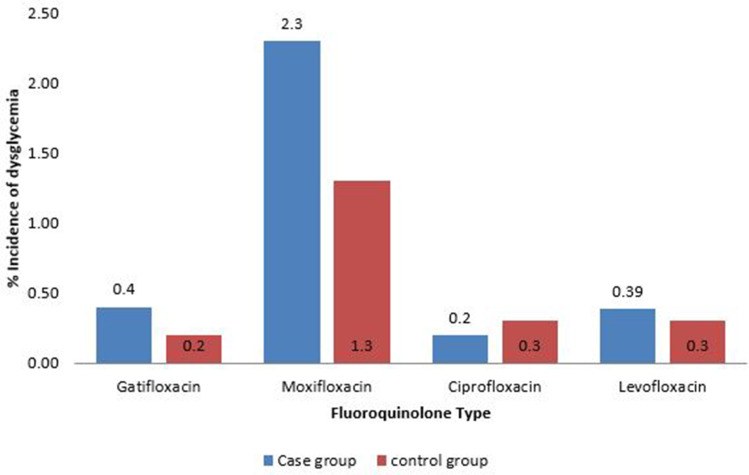
Moxifloxacin was found to be associated the most and ciprofloxacin the least with dysglycemia. fluoroquinolones must be used with great caution among diabetic patients who have comorbidities and are receiving antidiabetics and/or steroids. Further evidence is required from studies on neuropathy caused by fluoroquinolones.
美国食品药品监督管理局在2013年发布了关于氟喹诺酮类药物使用导致神经病变的安全警告,并于2018年发布了关于其导致血糖异常的安全警告,主要基于病例报告和病例系列研究。我们进行了这项系统评价,通过调查氟喹诺酮类药物对血糖和神经病变的影响来评估其在糖尿病患者中的安全性。
检索了PubMed、Scopus和谷歌学术,查找从数据库建立至2019年9月发表的评估氟喹诺酮类药物安全性的随机对照试验和观察性研究。还纳入了报告这些不良反应的氟喹诺酮类药物疗效研究。主要结局是与安慰剂或其他抗生素相比,使用氟喹诺酮类药物治疗的糖尿病患者和非糖尿病患者中的低血糖、高血糖和神经病变情况。使用Cochrane协作网随机对照试验工具和改良的纽卡斯尔-渥太华质量评估量表对纳入研究进行评估。
在初步检索中总共识别出725项研究。经过标题和摘要筛选以及全文审查后,16篇文章符合纳入标准。抽样患者年龄在30至78岁之间。在涉及4663例患者的8项研究中,有1588例接受氟喹诺酮类药物治疗的患者报告了高血糖;在涉及6208例患者的11项研究中,有2179例接受氟喹诺酮类药物治疗的患者报告了低血糖。血糖异常一般与糖尿病本身无关。然而,合并症较多的患者,尤其是患有慢性肾脏病、正在接受抗糖尿病药物和/或类固醇治疗的患者,在使用氟喹诺酮类药物治疗时发生血糖事件的情况更多。
发现莫西沙星与血糖异常的关联最大,环丙沙星与血糖异常的关联最小。在患有合并症且正在接受抗糖尿病药物和/或类固醇治疗的糖尿病患者中,必须极其谨慎地使用氟喹诺酮类药物。关于氟喹诺酮类药物引起的神经病变还需要更多研究证据。