Krohn Ines, Bergmann Lutgardis, Qi Minyue, Indenbirken Daniela, Han Yuchen, Perez-Garcia Pablo, Katzowitsch Elena, Hägele Birgit, Lübcke Tim, Siry Christian, Riemann Ralf, Alawi Malik, Streit Wolfgang R
Department of Microbiology and Biotechnology, Institute of Plant Science and Microbiology, University of Hamburg, Hamburg, Germany.
Bioinformatics Core, University Medical Center Hamburg-Eppendorf, Hamburg, Germany.
Front Microbiol. 2021 Oct 1;12:722259. doi: 10.3389/fmicb.2021.722259. eCollection 2021.
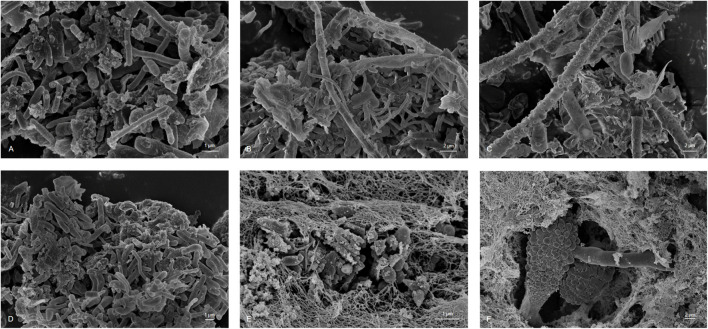
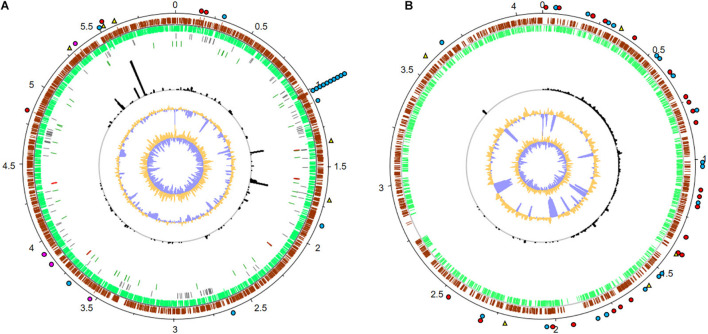
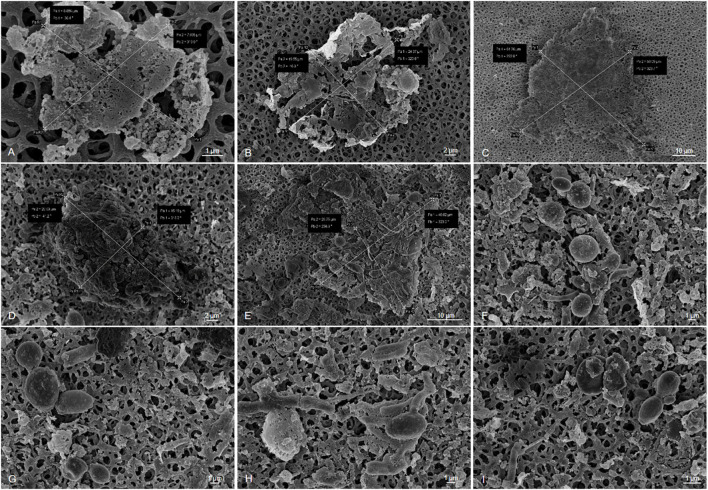
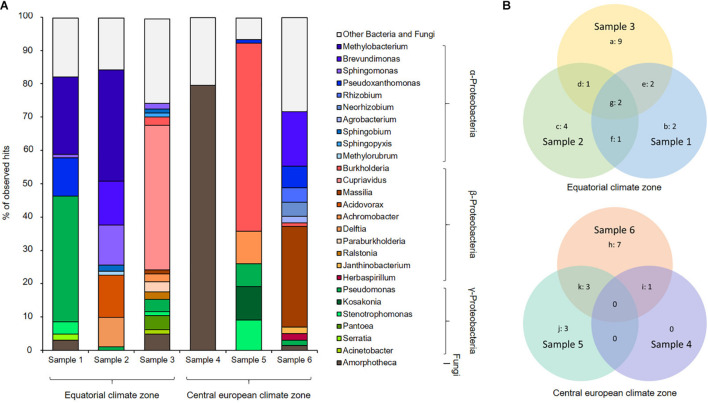
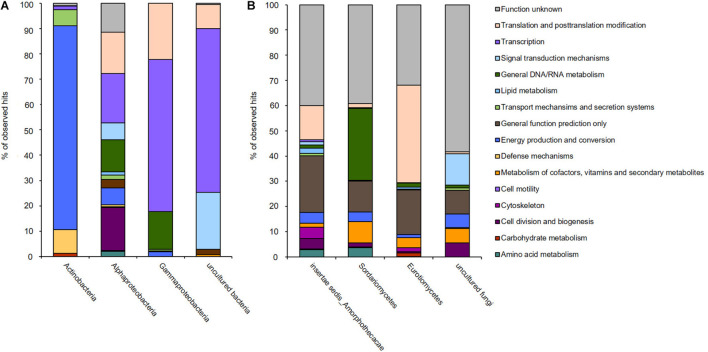
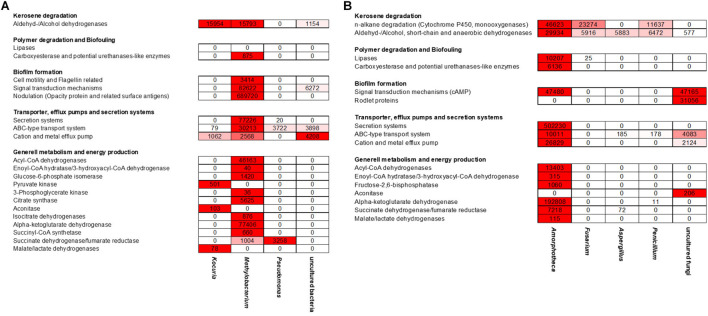
Microbial contamination of fuels, associated with a wide variety of bacteria and fungi, leads to decreased product quality and can compromise equipment performance by biofouling or microbiologically influenced corrosion. Detection and quantification of microorganisms are critical in monitoring fuel systems for an early detection of microbial contaminations. To address these challenges, we have analyzed six metagenomes, one transcriptome, and more than 1,200 fluid and swab samples taken from fuel tanks or kerosene. Our deep metagenome sequencing and binning approaches in combination with RNA-seq data and qPCR methods implied a metabolic symbiosis between fungi and bacteria. The most abundant bacteria were affiliated with α-, β-, and γ-Proteobacteria and the filamentous fungi . We identified a high number of genes, which are related to kerosene degradation and biofilm formation. Surprisingly, a large number of genes coded enzymes involved in polymer degradation and potential bio-corrosion processes. Thereby, the transcriptionally most active microorganisms were affiliated with the genera . Many not yet cultured bacteria and fungi appeared to contribute to the biofilm transcriptional activities. The largest numbers of transcripts were observed for dehydrogenase, oxygenase, and exopolysaccharide production, attachment and pili/flagella-associated proteins, efflux pumps, and secretion systems as well as lipase and esterase activity.
与多种细菌和真菌相关的燃料微生物污染会导致产品质量下降,并可能因生物污垢或微生物影响的腐蚀而损害设备性能。微生物的检测和定量对于监测燃料系统以早期发现微生物污染至关重要。为应对这些挑战,我们分析了六个宏基因组、一个转录组以及从燃料箱或煤油中采集的1200多个液体和拭子样本。我们的深度宏基因组测序和分箱方法结合RNA测序数据和定量PCR方法表明真菌和细菌之间存在代谢共生关系。最丰富的细菌隶属于α-、β-和γ-变形菌以及丝状真菌。我们鉴定出大量与煤油降解和生物膜形成相关的基因。令人惊讶的是,大量基因编码参与聚合物降解和潜在生物腐蚀过程的酶。因此,转录活性最高的微生物隶属于某些属。许多尚未培养的细菌和真菌似乎对生物膜转录活性有贡献。观察到脱氢酶、加氧酶、胞外多糖产生、附着和菌毛/鞭毛相关蛋白、外排泵、分泌系统以及脂肪酶和酯酶活性的转录本数量最多。