Yin Gaofeng, Song Hanning, Wang Jian, Nicholas Stephen, Maitland Elizabeth
Dong Fureng Institute of Economic and Social Development, Wuhan University, Wuhan 430072, China.
School of Banking and Finance, University of International Business and Economics, Beijing 100029, China.
Healthcare (Basel). 2021 Oct 13;9(10):1362. doi: 10.3390/healthcare9101362.
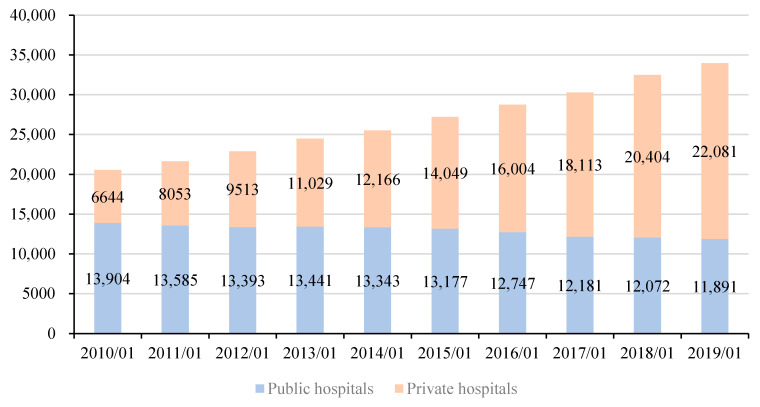
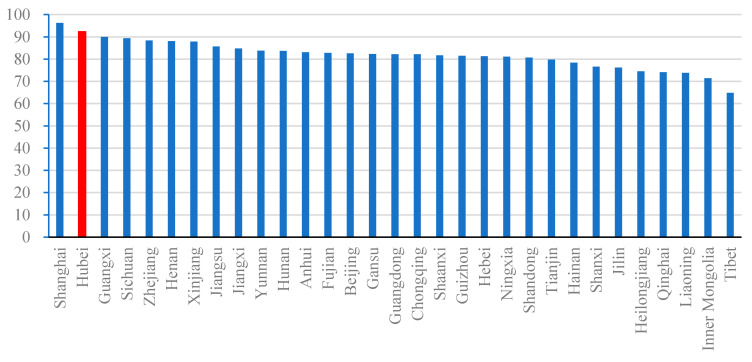
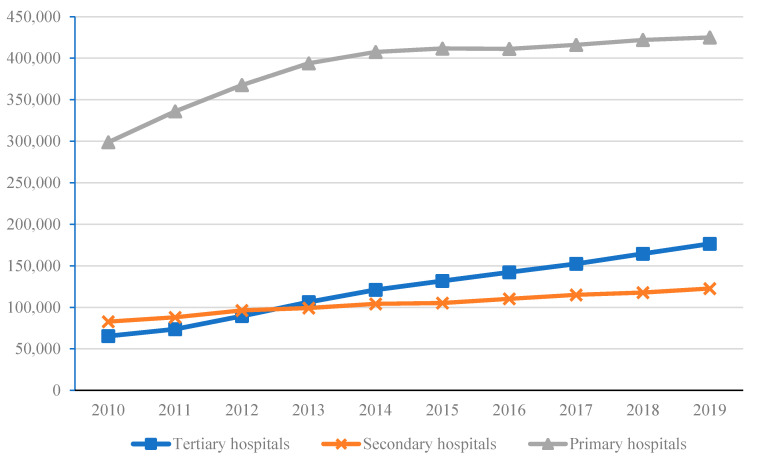
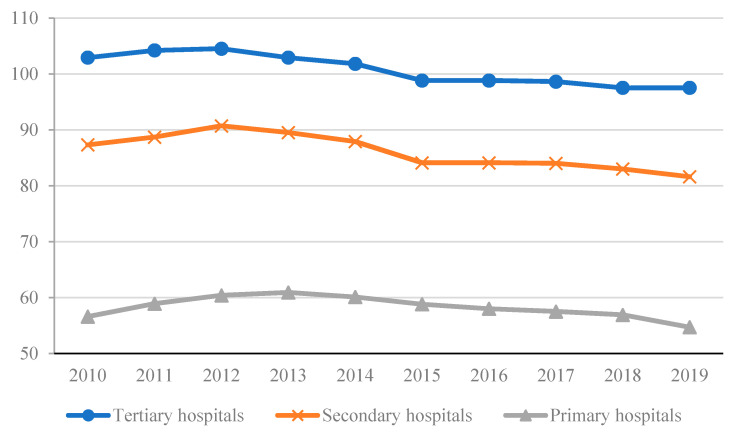
The COVID-19 run on medical resources crashed Wuhan's medical care system, a medical disaster duplicated in many countries facing the COVID-19 pandemic. In a novel approach to understanding the run on Wuhan's medical resources, we draw from bank run theory to analyze the causes and consequences of the COVID-19 run on Wuhan's medical resources and recommend policy changes and government actions to attenuate runs on medical resources in the future. Like bank runs, the cause of the COVID-19 medical resource run was rooted in China's local medical resource context and a sudden realignment of expectations, reflecting shortages and misallocations of hospital resources (inadequate liquidity and portfolio composition); high level hospitals siphoning-off patients from lower level health providers (bank moral hazard and adverse selection problem); patients selecting high-level hospitals over lower-level health care (depositor moral hazard problem); inadequate government oversight and uncontrolled risky hospital behavior (inadequate bank regulatory control); biased medical insurance schemes (inadequate depositor insurance); and failure to provide medical resource reserves (failure as lender of last resort). From Wuhan's COVID-19 run on medical resources, we recommend that control and reform by government enlarge medical resource supply, improve the capacity of primary medical care, ensure timely virus information, formulate principles for the allocation of medical resources that suit a country's national conditions, optimize the medical insurance schemes and public health fund allocations and enhance the emergency support of medical resources.
新冠疫情对医疗资源的挤兑冲击了武汉的医疗体系,这一医疗灾难在许多面临新冠疫情大流行的国家反复上演。在一种理解武汉医疗资源挤兑现象的新方法中,我们借鉴银行挤兑理论来分析新冠疫情对武汉医疗资源挤兑的成因及后果,并建议政策变革和政府行动,以减轻未来对医疗资源的挤兑。与银行挤兑一样,新冠疫情医疗资源挤兑的原因根植于中国当地的医疗资源背景以及预期的突然调整,反映出医院资源的短缺和错配(流动性不足和投资组合构成不当);高级别医院从低级别医疗服务提供者那里虹吸患者(银行道德风险和逆向选择问题);患者选择高级别医院而非低级别医疗服务(储户道德风险问题);政府监管不足以及医院存在不受控制的风险行为(银行监管控制不足);医疗保险计划存在偏差(储户保险不足);以及未能提供医疗资源储备(最后贷款人职能缺失)。从武汉新冠疫情对医疗资源的挤兑情况来看,我们建议政府进行管控和改革,以扩大医疗资源供应、提高基层医疗服务能力、确保及时发布病毒信息、制定符合国家国情的医疗资源分配原则、优化医疗保险计划和公共卫生资金分配,并加强医疗资源的应急支持。