Wang Can, Hao Xiaolong, Wang Yao, Shi Min, Zhou Zhi-Gang, Kai Guoyin
Key Laboratory of Exploration and Utilization of Aquatic Genetic Resources Conferred by Ministry of Education, Shanghai Ocean University, Shanghai, China.
Laboratory for Core Technology of TCM Quality Improvement and Transformation, School of Pharmaceutical Sciences, The Third Affiliated Hospital, Zhejiang Chinese Medical University, Hangzhou, China.
Front Plant Sci. 2021 Oct 7;12:746648. doi: 10.3389/fpls.2021.746648. eCollection 2021.
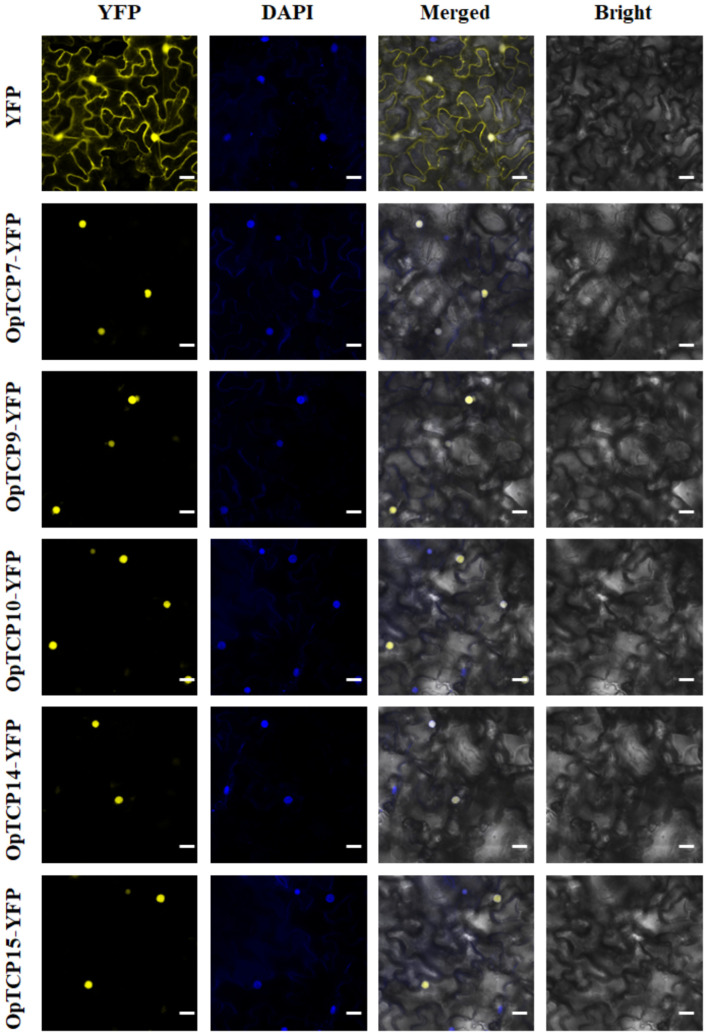
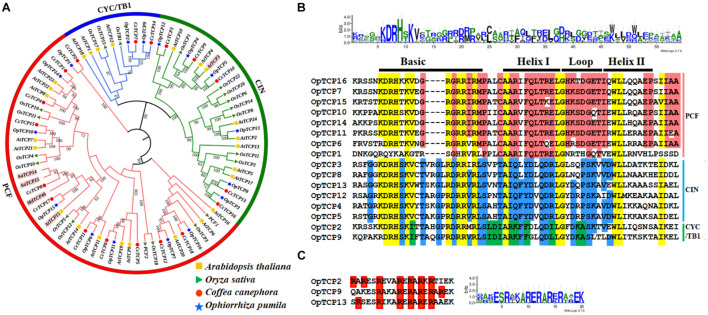
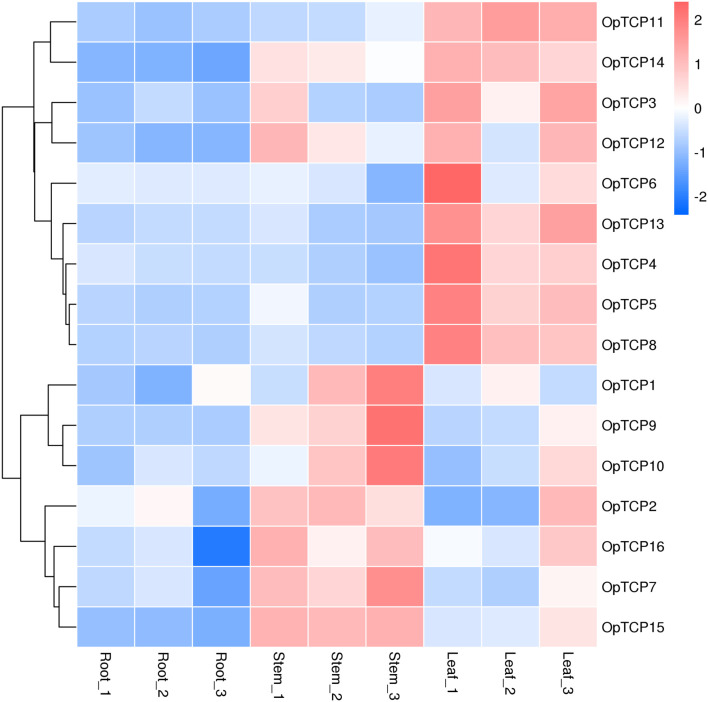
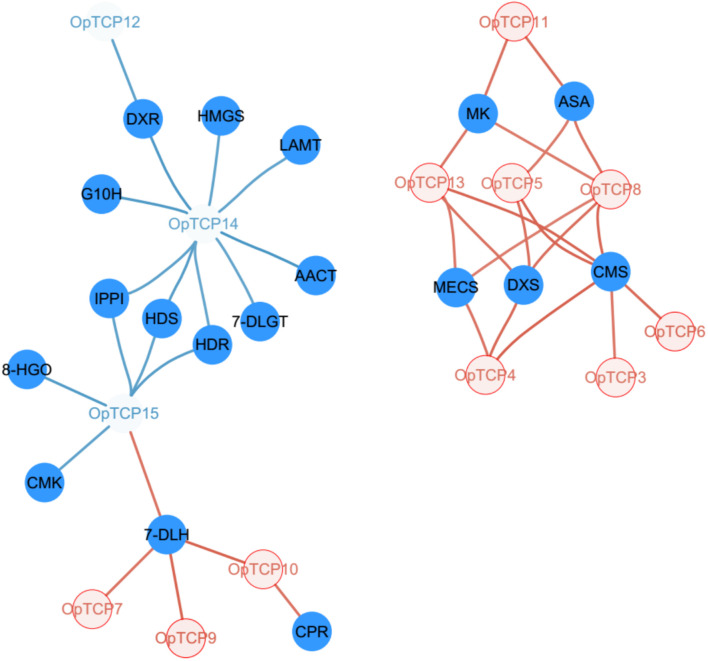
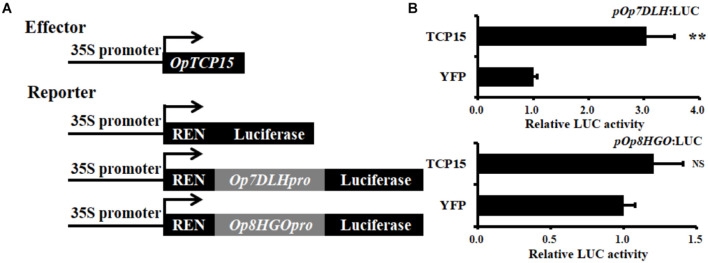
(; ) is a medicinal herbaceous plant, which can accumulate camptothecin (CPT). CPT and its derivatives are widely used as chemotherapeutic drugs for treating malignant tumors. Its biosynthesis pathway has been attracted significant attention. Teosinte branched 1/cycloidea/proliferating cell factors 1/2 (TCP) transcription factors (TFs) regulate a variety of physiological processes, while TCP TFs are involved in the regulation of CPT biosynthesis remain unclear. In this study, a systematic analysis of the TCP TFs family in was performed. A total of 16 TCP () genes were identified and categorized into two subgroups based on their phylogenetic relationships with those in . Tissue-specific expression patterns revealed that nine genes showed the highest expression levels in leaves, while the other seven showed a higher expression level in the stems. Co-expression, phylogeny analysis, and dual-luciferase (Dual-LUC) assay revealed that potentially plays important role in CPT and its precursor biosynthesis. In addition, the subcellular localization experiment of candidate genes showed that they are all localized in the nucleus. Our study lays a foundation for further functional characterization of the candidate genes involved in CPT biosynthesis regulation and provides new strategies for increasing CPT production.
(;)是一种药用草本植物,能够积累喜树碱(CPT)。CPT及其衍生物被广泛用作治疗恶性肿瘤的化疗药物。其生物合成途径已引起了广泛关注。玉米分枝1/环化酶/增殖细胞因子1/2(TCP)转录因子(TFs)调控多种生理过程,然而TCP转录因子参与CPT生物合成的调控仍不清楚。在本研究中,对()中的TCP转录因子家族进行了系统分析。共鉴定出16个TCP()基因,并根据它们与()中基因的系统发育关系分为两个亚组。组织特异性表达模式显示,9个()基因在叶片中表达水平最高,而其他7个在茎中表达水平较高。共表达、系统发育分析和双荧光素酶(Dual-LUC)检测表明,()可能在CPT及其前体生物合成中发挥重要作用。此外,候选()基因的亚细胞定位实验表明它们都定位于细胞核。我们的研究为进一步功能鉴定参与CPT生物合成调控的候选()基因奠定了基础,并为提高CPT产量提供了新策略。