Siolos Athanasios, Gartzonika Konstantina, Tigas Stelios
Department of Endocrinology, Ioannina University Hospital, Stavrou Niarchou Avenue, Ioannina, 45500, Greece.
Microbiology Department, Faculty of Medicine, School of Health Sciences, University of Ioannina, 45110, Ioannina, Greece.
Metabol Open. 2021 Dec;12:100136. doi: 10.1016/j.metop.2021.100136. Epub 2021 Oct 16.
Immune response following viral infections has been suggested as a probable mechanism leading to subacute thyroiditis (SAT). A few cases of SAT following SARS-CoV-2 infection have been described since the outbreak of the pandemic in 2019. Cases of SAT after vaccination against influenza have also been reported. We describe two female patients with thyroiditis after vaccination against SARS-CoV-2.
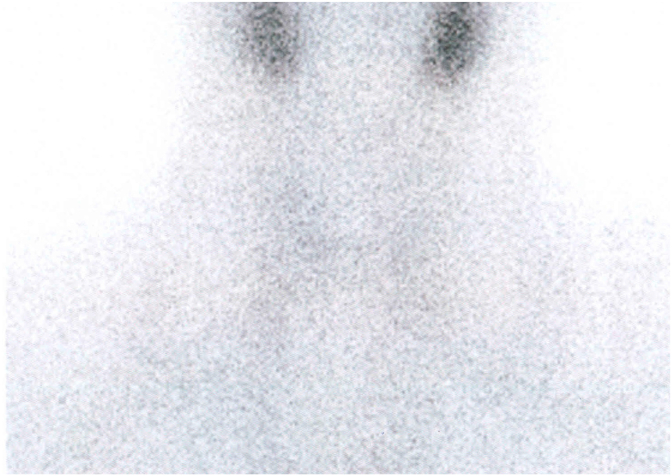
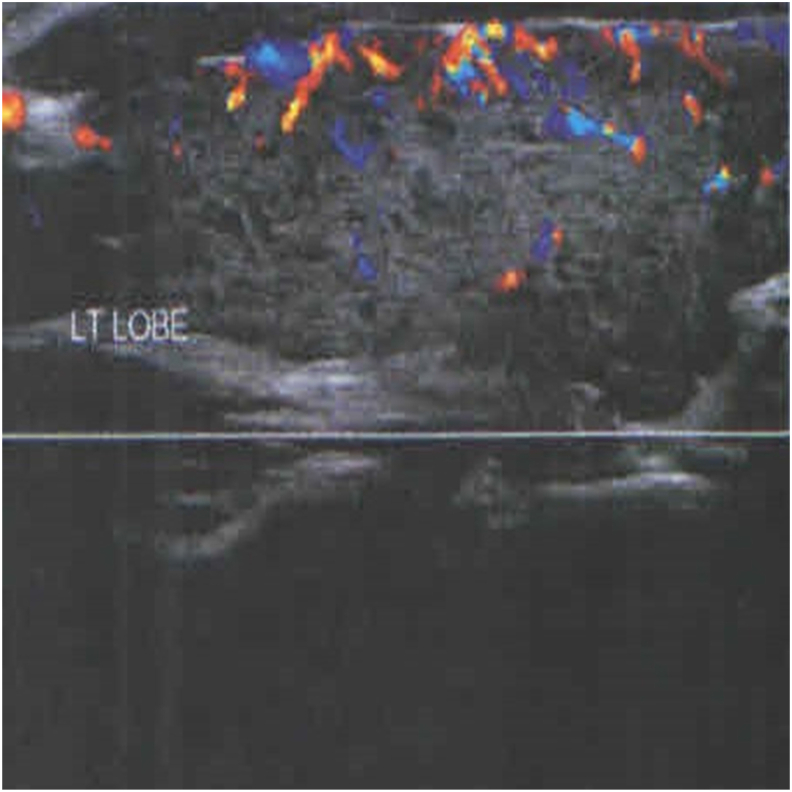
The first patient presented with fever and pain in the thyroid area typical of SAT two weeks after vaccination with the BNT162B2 mRNA (Pfizer-BioNTech) COVID-19 vaccine. The second patient presented with biochemical and imaging features consistent with silent thyroiditis three weeks after vaccination with the ChAdOx1-S (AstraZeneca) vaccine. Both patients were asymptomatic prior to vaccination and PCR of nasopharyngeal swab for SARS-CoV-2 and other respiratory viruses associated with SAT was negative. Serology testing for measles, mumps, rubella, CMV and EBV viruses was suggestive of immunity. Antibody titre against spike S protein of SARS-CoV-2 was measured for both patients and was indicative of adequate post vaccination antibody response. Two months after initial assessment, both patients were euthyroid and asymptomatic.
Subacute as well as silent thyroiditis may rarely occur after vaccination against COVID-19. Further research is needed to investigate the prevalence and pathogenesis of thyroid dysfunction following vaccination against COVID-19.
病毒感染后的免疫反应被认为是导致亚急性甲状腺炎(SAT)的一种可能机制。自2019年大流行爆发以来,已有几例新冠病毒感染后发生SAT的病例被描述。接种流感疫苗后发生SAT的病例也有报道。我们描述了两名接种新冠病毒疫苗后发生甲状腺炎的女性患者。
首例患者在接种BNT162B2 mRNA(辉瑞-生物科技)新冠疫苗两周后出现了典型的SAT症状,即甲状腺区域发热和疼痛。第二例患者在接种ChAdOx1-S(阿斯利康)疫苗三周后出现了与寂静性甲状腺炎一致的生化和影像学特征。两名患者在接种疫苗前均无症状,对其鼻咽拭子进行新冠病毒及其他与SAT相关的呼吸道病毒的PCR检测均为阴性。对麻疹、腮腺炎、风疹、巨细胞病毒和EB病毒的血清学检测提示有免疫力。对两名患者均检测了针对新冠病毒刺突S蛋白的抗体滴度,结果表明接种疫苗后抗体反应充足。初次评估两个月后,两名患者甲状腺功能正常且无症状。
接种新冠疫苗后可能很少发生亚急性和寂静性甲状腺炎。需要进一步研究以调查接种新冠疫苗后甲状腺功能障碍的患病率和发病机制。