Center for Neuroimmunology & Neuroinfectious Diseases, Washington University School of Medicine, St. Louis, MO 63110, United States; Department of Medicine, Washington University School of Medicine, St. Louis, MO 63110, United States.
McDonnell Genome Institute, Washington University School of Medicine, St. Louis, MO 63110, United States.
Brain Behav Immun. 2022 Jan;99:383-396. doi: 10.1016/j.bbi.2021.10.010. Epub 2021 Oct 22.
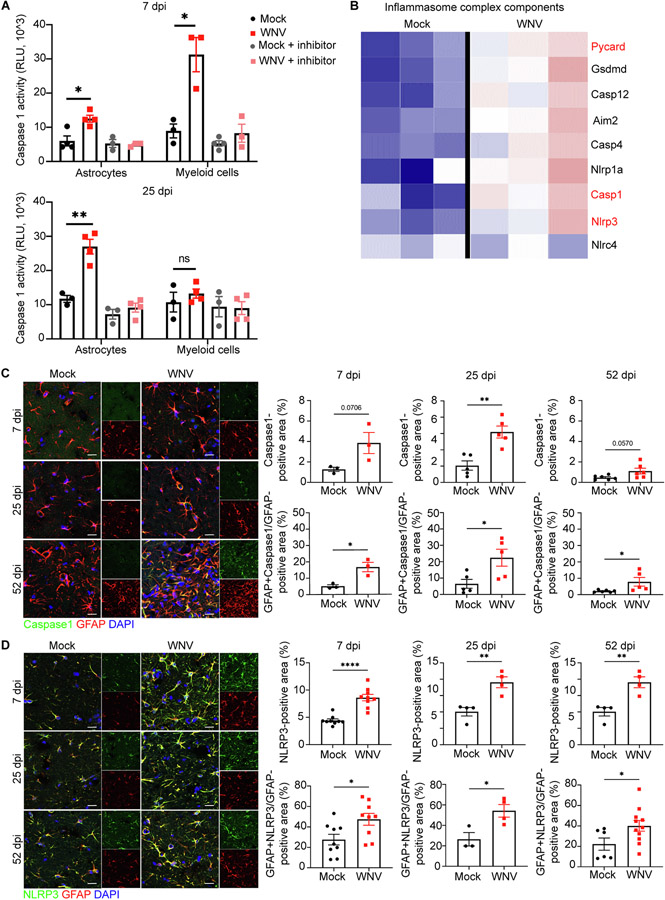
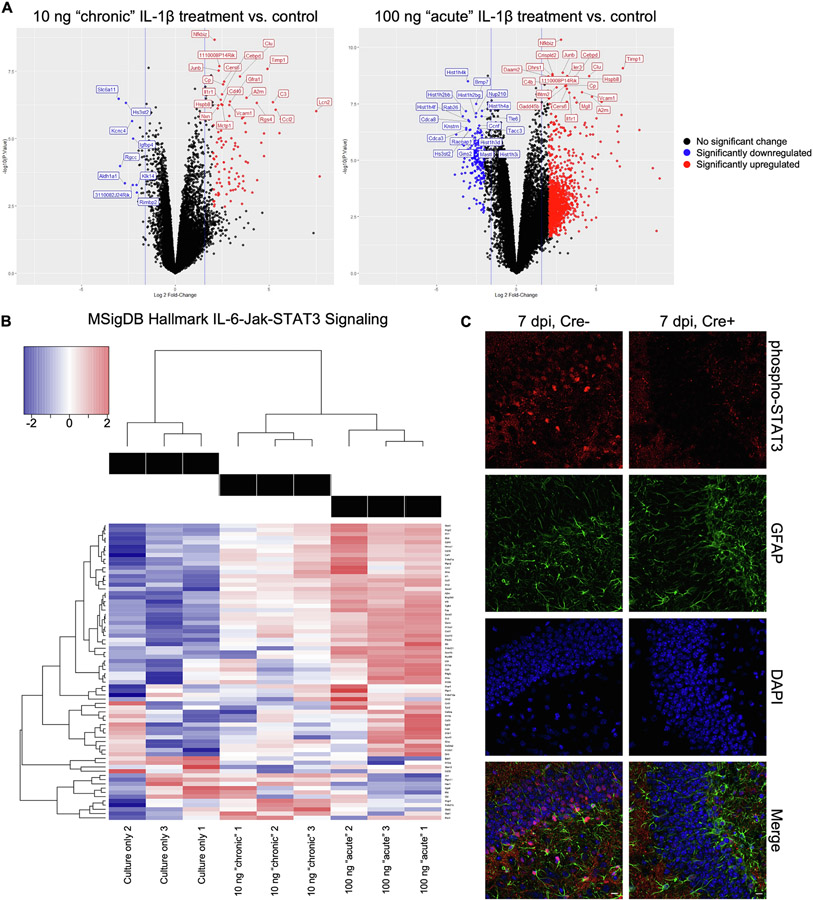
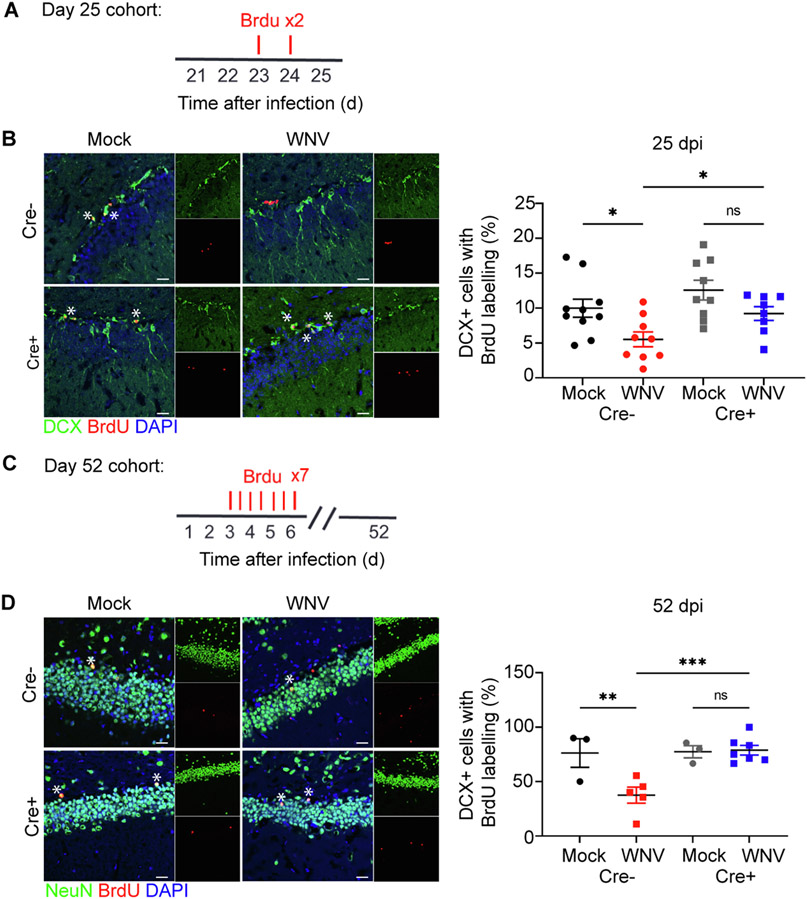
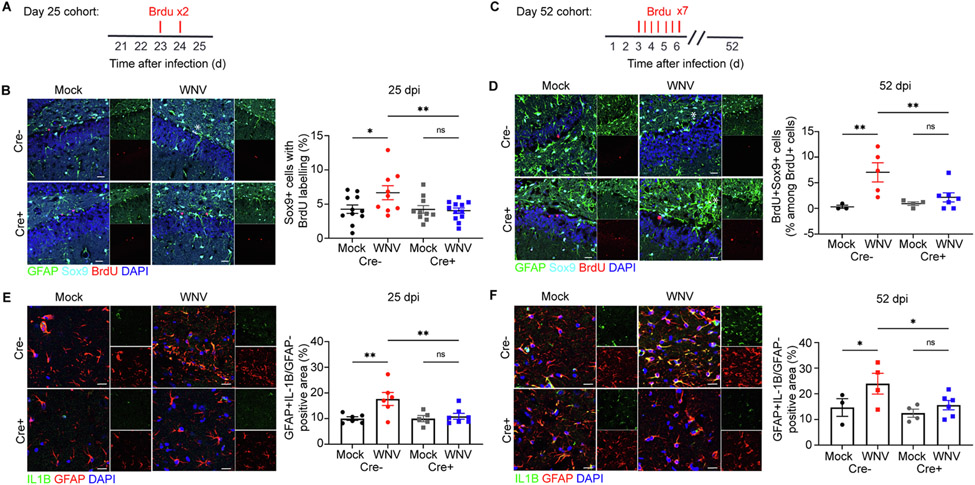
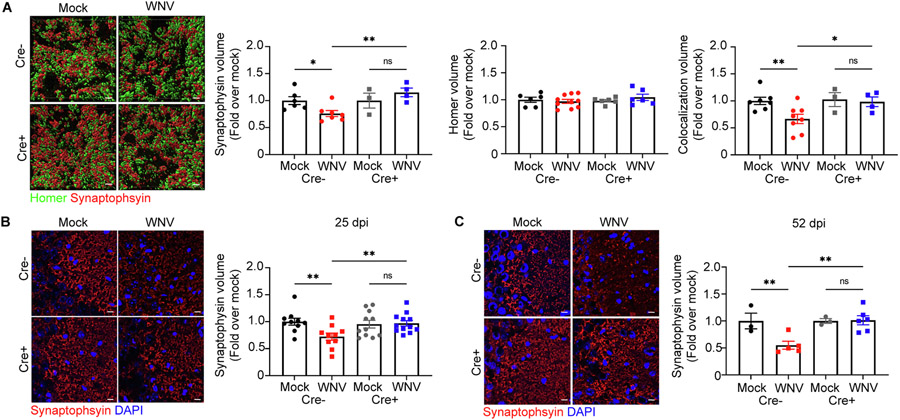
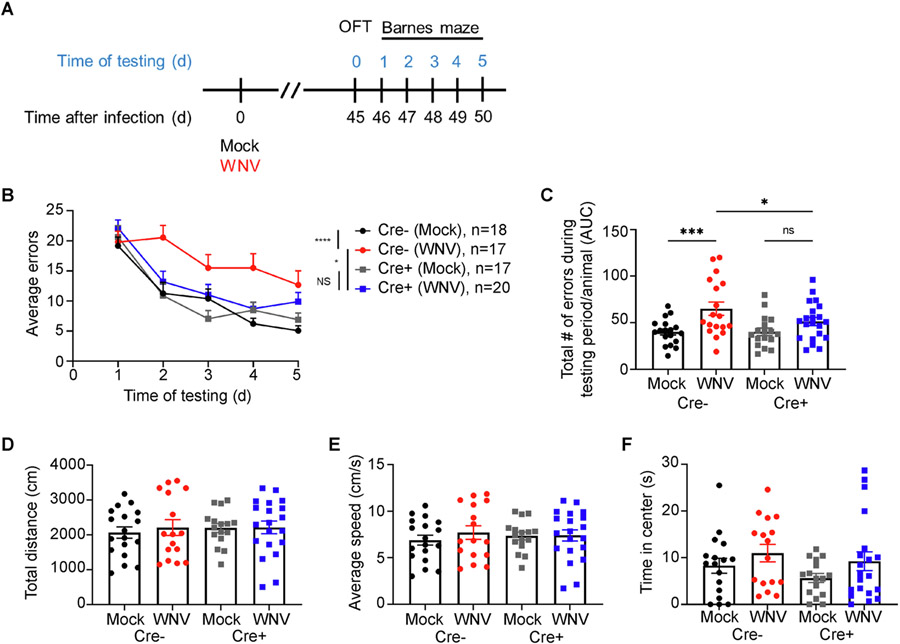
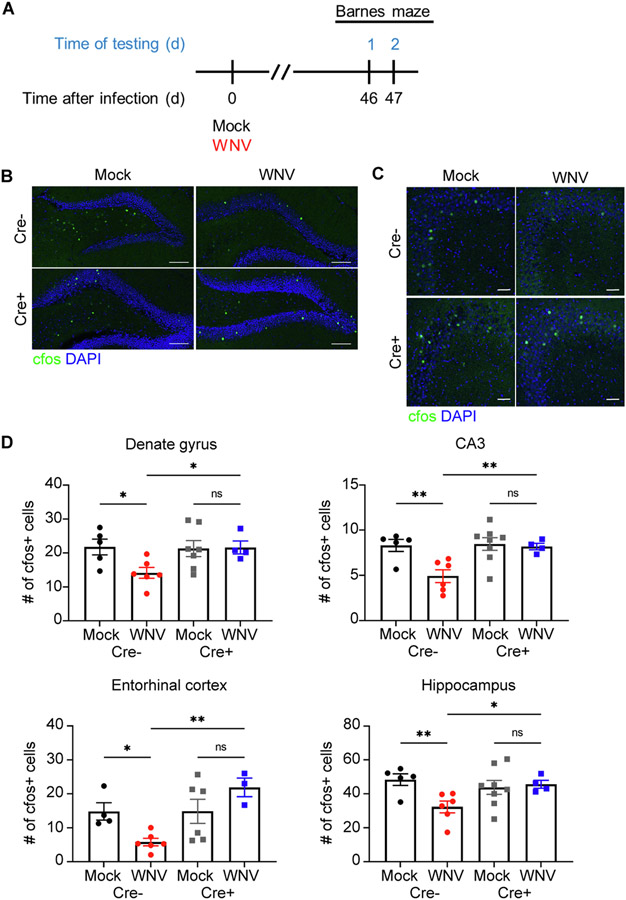
Innate immune responses to emerging RNA viruses are increasingly recognized as having significant contributions to neurologic sequelae, especially memory disorders. Using a recovery model of West Nile virus (WNV) encephalitis, we show that, while macrophages deliver the antiviral and anti-neurogenic cytokine IL-1β during acute infection; viral recovery is associated with continued astrocyte inflammasome-mediated production of inflammatory levels of IL-1β, which is maintained by hippocampal astrogenesis via IL-1R1 signaling in neural stem cells (NSC). Accordingly, aberrant astrogenesis is prevented in the absence of IL-1 signaling in NSC, indicating that only newly generated astrocytes exert neurotoxic effects, preventing synapse repair and promoting spatial learning deficits. Ex vivo evaluation of IL-1β-treated adult hippocampal NSC revealed the upregulation of developmental differentiation pathways that derail adult neurogenesis in favor of astrogenesis, following viral infection. We conclude that NSC-specific IL-1 signaling within the hippocampus during viral encephalitis prevents synapse recovery and promotes spatial learning defects via altered fates of NSC progeny that maintain inflammation.
先天免疫反应对新兴 RNA 病毒的影响,越来越被认为对神经后遗症有重大贡献,特别是记忆障碍。我们使用西尼罗河病毒(WNV)脑炎的恢复模型,表明巨噬细胞在急性感染期间会产生抗病毒和抗神经生成细胞因子 IL-1β;但病毒恢复与持续的星形胶质细胞炎性小体介导的炎症水平的 IL-1β产生有关,这种产生由海马星形胶质细胞通过神经干细胞(NSC)中的 IL-1R1 信号维持。因此,在 NSC 中缺乏 IL-1 信号的情况下,异常的星形胶质细胞发生被阻止,这表明只有新产生的星形胶质细胞会产生神经毒性作用,阻止突触修复并促进空间学习缺陷。对 IL-1β处理的成年海马 NSC 的离体评估表明,在病毒感染后,发育分化途径的上调会破坏成年神经发生,有利于星形胶质细胞发生。我们的结论是,在病毒脑炎期间,海马内 NSC 特异性的 IL-1 信号通过维持炎症的 NSC 祖细胞的命运改变,防止突触恢复并促进空间学习缺陷。