McMaster Immunology Research Centre, Michael G. DeGroote Centre for Learning and Discovery, McMaster University, Hamilton, ON L8S 4L8, Canada.
Department of Medicine, McMaster University, Hamilton, ON L8S 4L8, Canada.
Viruses. 2021 Sep 25;13(10):1929. doi: 10.3390/v13101929.
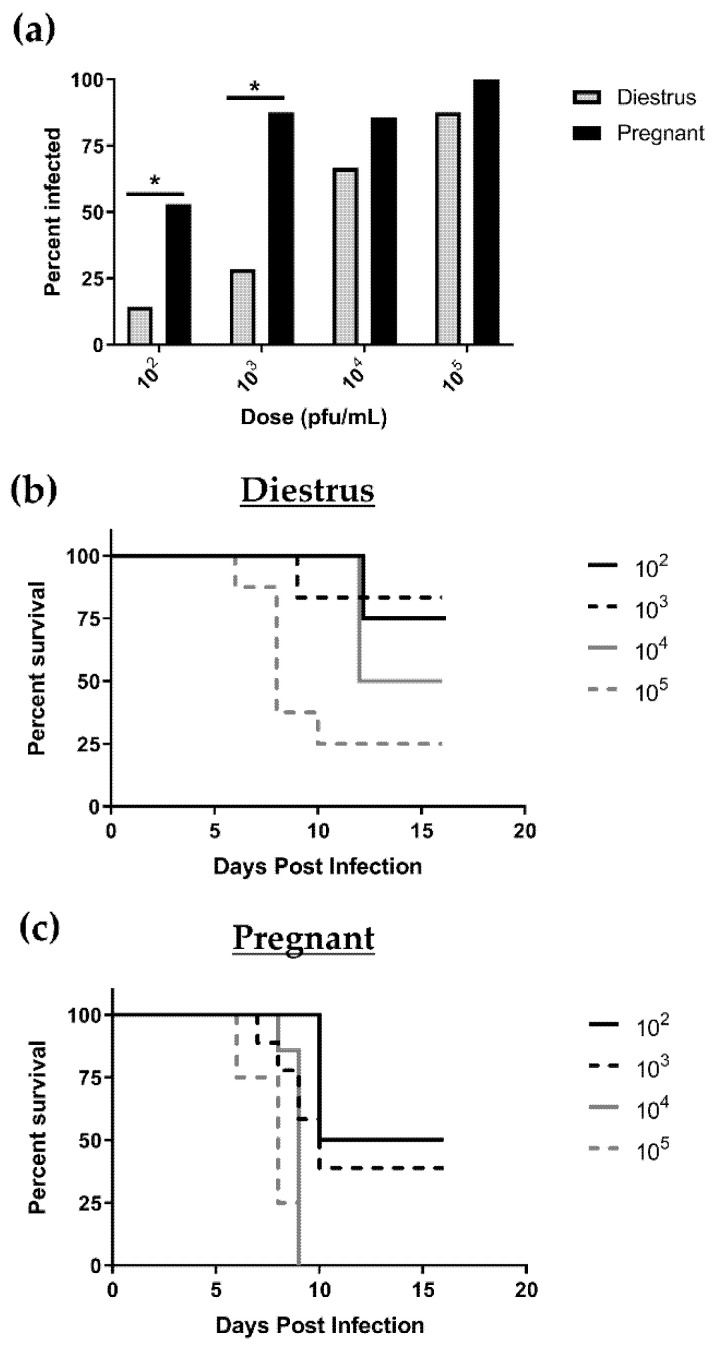
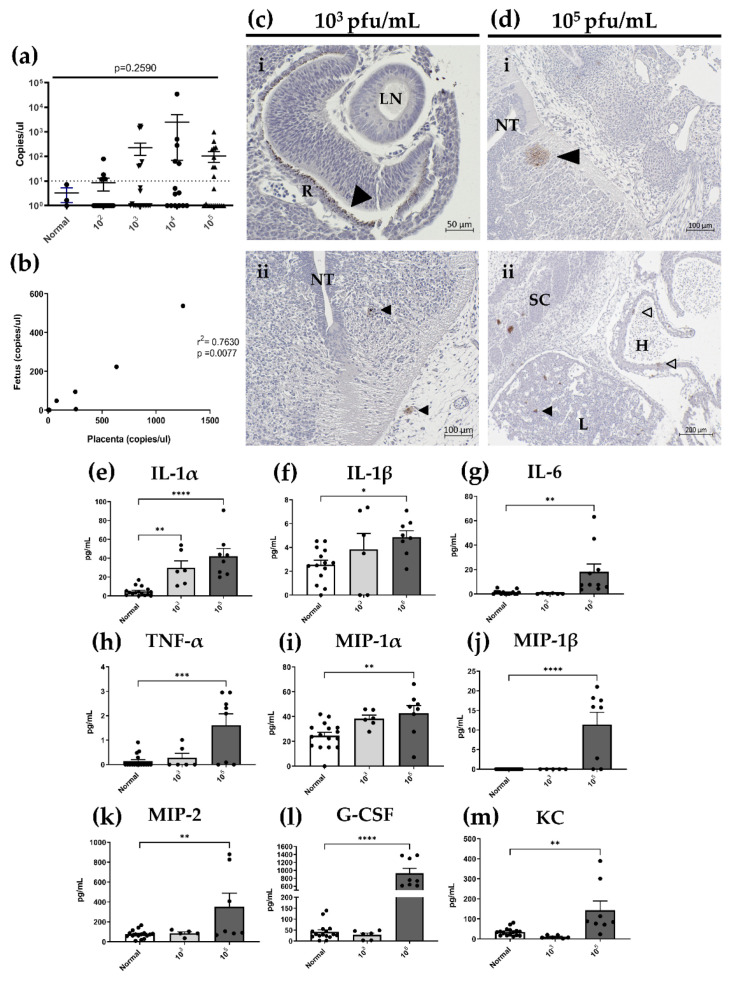
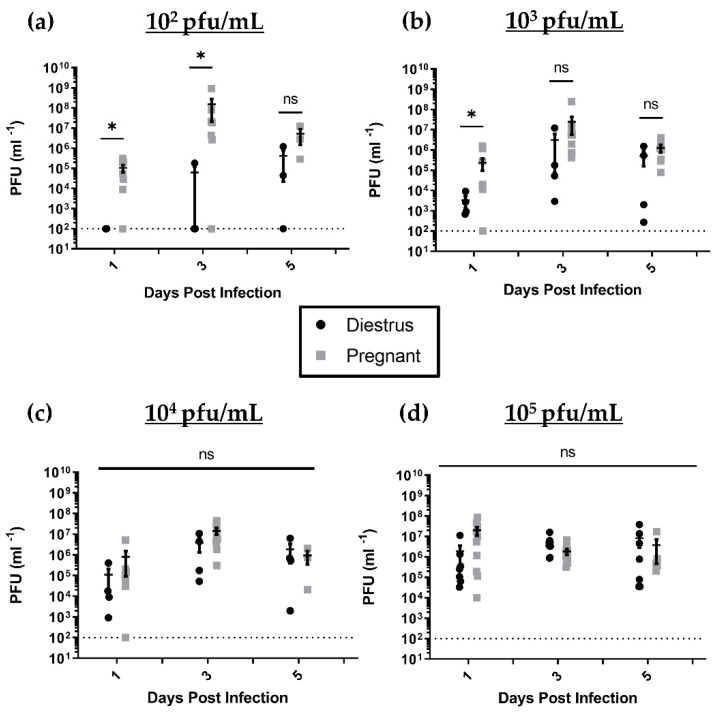
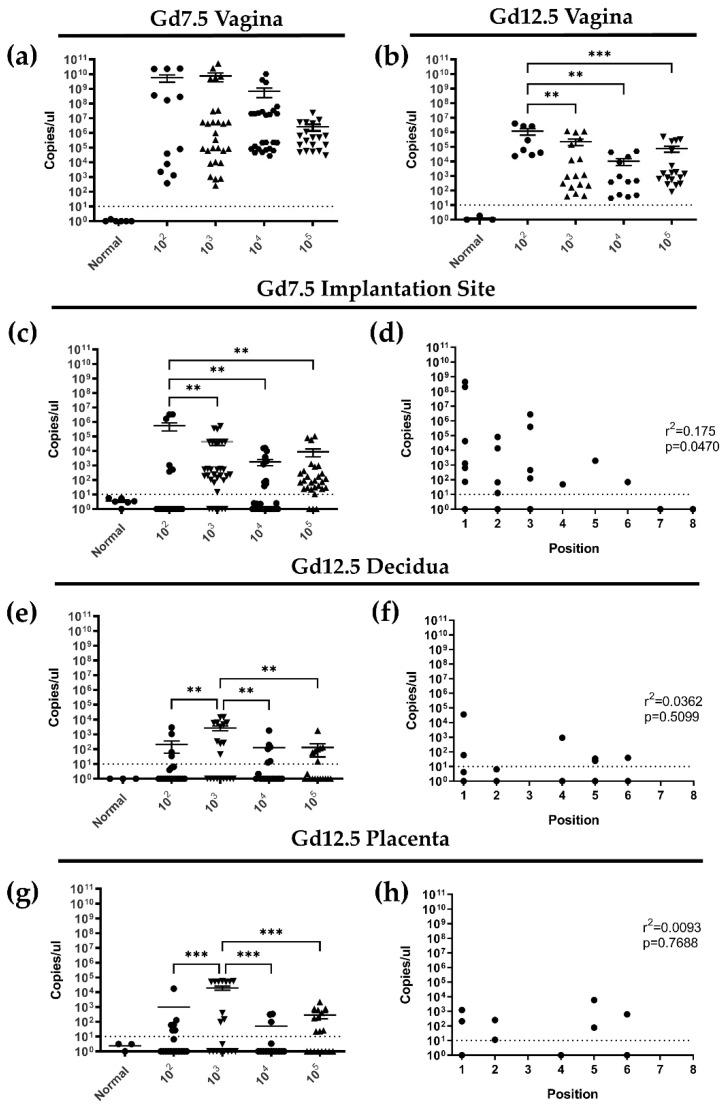
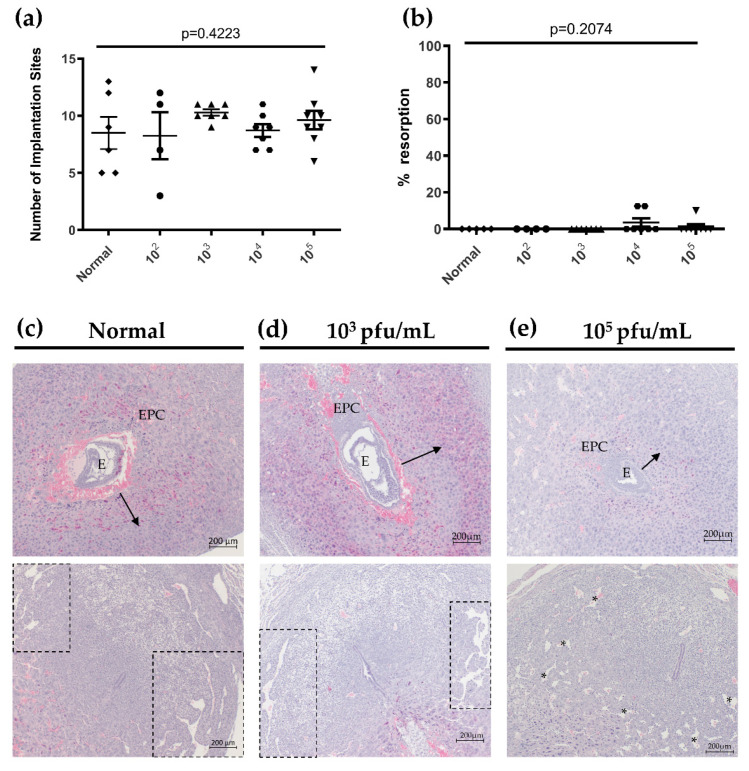
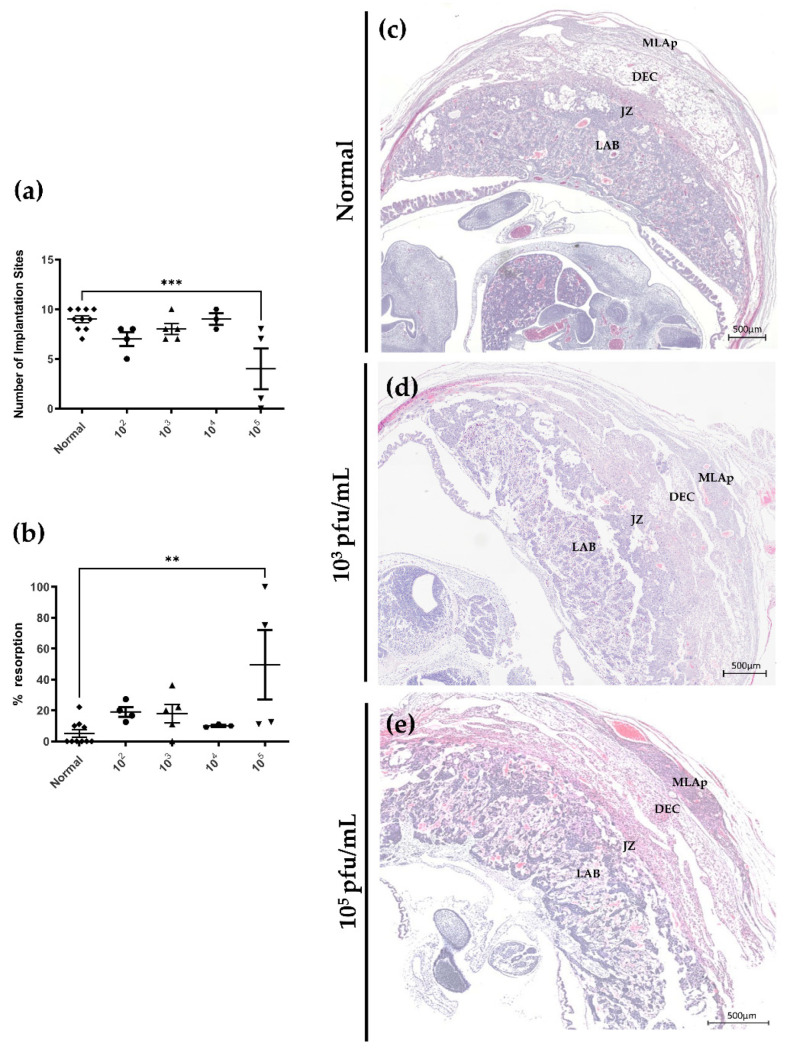
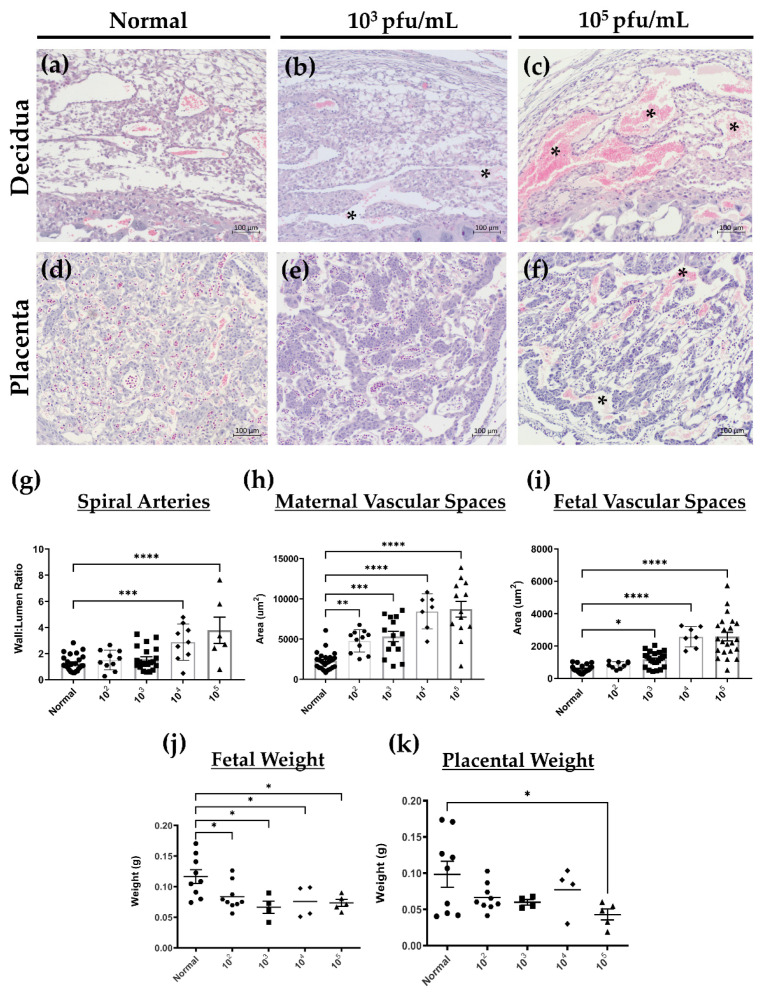
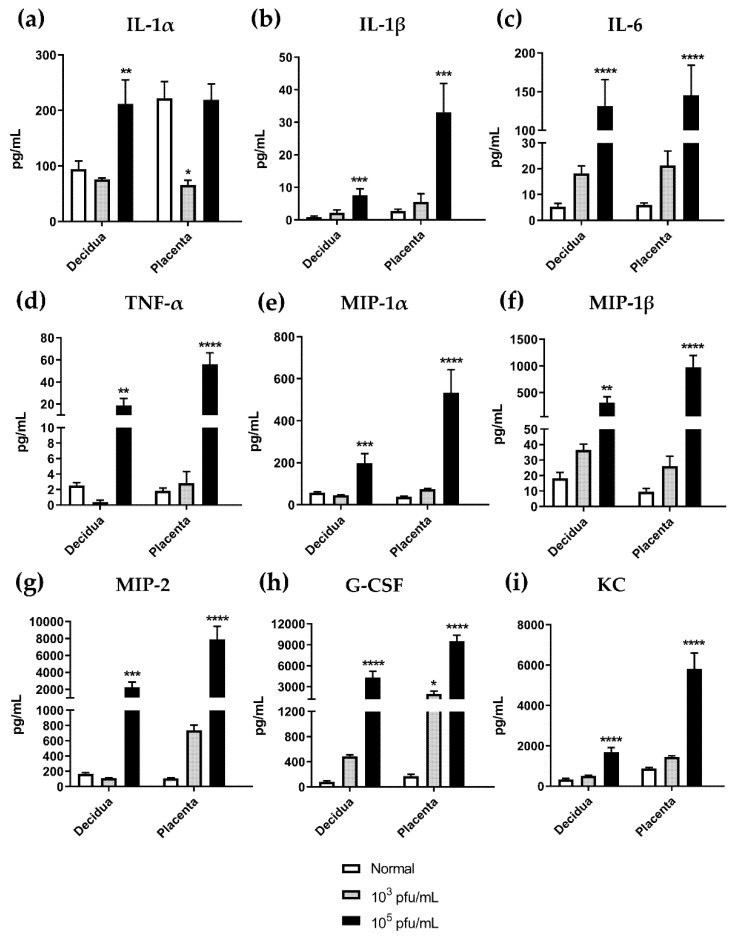
Herpes simplex virus type 2 (HSV-2) infection affects 24 million births annually and is associated with adverse pregnancy outcomes, including neonatal herpes; however, the mechanisms underlying in utero transmission of HSV-2 are largely unknown. We examined the effects of primary HSV-2 infection during early pregnancy on gestational outcomes in a novel, clinically relevant mouse model. Pregnant C57BL/6 mice were infected intravaginally with 10-10 pfu/mL HSV-2 on gestation day (gd) 4.5. Controls were infected, nonpregnant, diestrus-staged mice and pregnant, uninfected mice. Compared to nonpregnant mice, pregnant mice were 100-fold more susceptible to HSV-2 infection. Three days post-inoculation (gd7.5), viral DNA was present in implantation sites, but pregnancy outcomes were largely unaffected by infection. Eight days post-inoculation (gd12.5), HSV-2 DNA persisted in placental tissues, resulting in inflammation and hemorrhage. Fetal and placental weights were reduced and fetal loss was observed with high viral doses. HSV-2 DNA and increased expression of pro-inflammatory mediators were detected in fetal tissues at gd12.5, signifying viral transmission and fetal infection, even with low viral doses. This mouse model shows a dose-dependent effect of primary HSV-2 infection on pregnancy outcomes and suggests that fetal loss may occur due to placental inflammation, thus providing valuable insight into in utero transmission of HSV-2.
单纯疱疹病毒 2 型(HSV-2)感染每年影响 2400 万例分娩,并与不良妊娠结局相关,包括新生儿疱疹;然而,HSV-2 宫内传播的机制在很大程度上尚不清楚。我们在一种新的、具有临床相关性的小鼠模型中研究了妊娠早期原发性 HSV-2 感染对妊娠结局的影响。在妊娠第 4.5 天,用 10-10 pfu/mL 的 HSV-2 通过阴道感染怀孕的 C57BL/6 小鼠。对照组是感染的、非妊娠的动情期小鼠和怀孕的、未感染的小鼠。与非妊娠小鼠相比,怀孕的小鼠对 HSV-2 感染的敏感性高 100 倍。接种后 3 天(妊娠第 7.5 天),植入部位存在病毒 DNA,但感染对妊娠结局的影响基本不受影响。接种后 8 天(妊娠第 12.5 天),HSV-2 DNA 持续存在于胎盘组织中,导致炎症和出血。胎仔和胎盘重量减轻,高病毒剂量时观察到胎儿丢失。在妊娠第 12.5 天,胎儿组织中检测到 HSV-2 DNA 和促炎介质表达增加,表明存在病毒传播和胎儿感染,即使病毒剂量较低。这种小鼠模型显示了原发性 HSV-2 感染对妊娠结局的剂量依赖性影响,并表明胎儿丢失可能是由于胎盘炎症引起的,从而为 HSV-2 的宫内传播提供了有价值的见解。