School of Life Sciences, Nanjing Normal University, Nanjing, 210023, Jiangsu, China.
BMC Genomics. 2021 Oct 26;22(1):763. doi: 10.1186/s12864-021-08084-1.
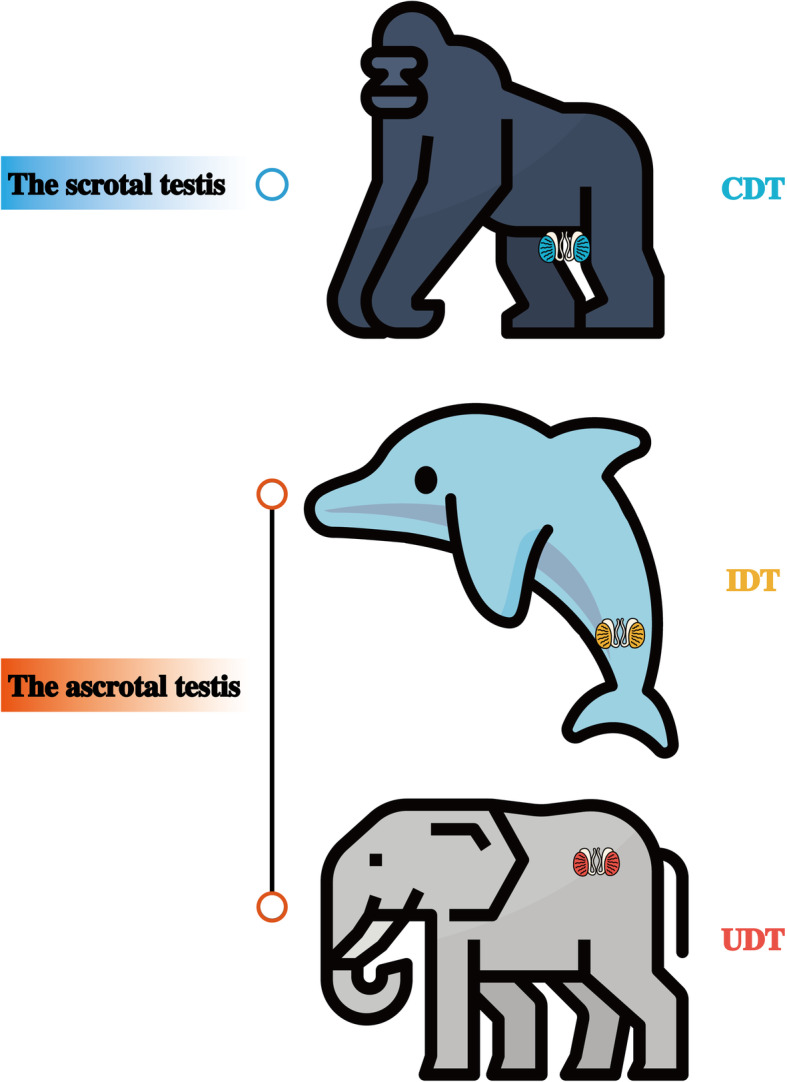
Mammals have wide variations in testicular position, with scrotal testes in some species and ascrotal testes in others. Although cryptorchidism is hazardous to human health, some mammalian taxa are natural cryptorchids. However, the evolution of testicular position and the molecular mechanisms underlying the maintenance of health, including reproductive health, in ascrotal mammals are not clear.
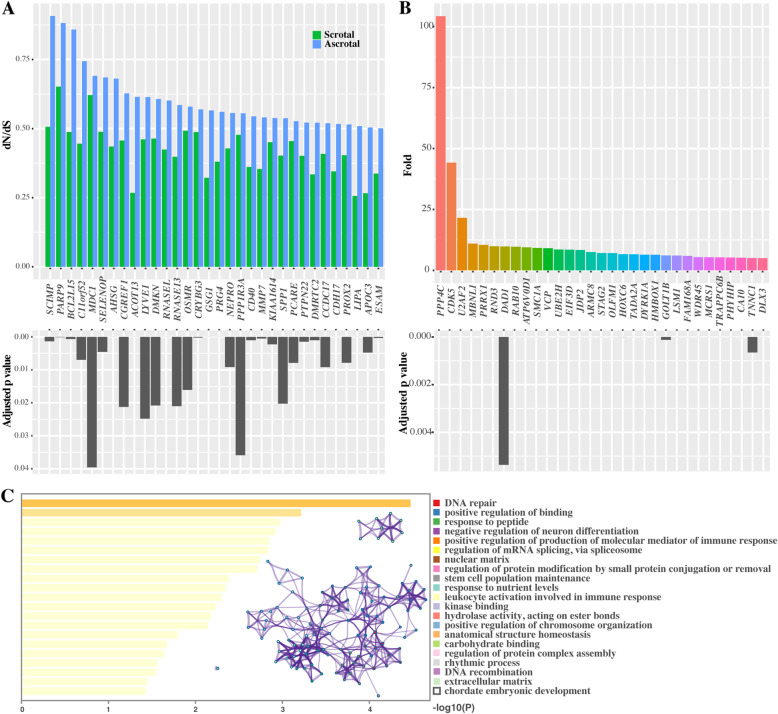
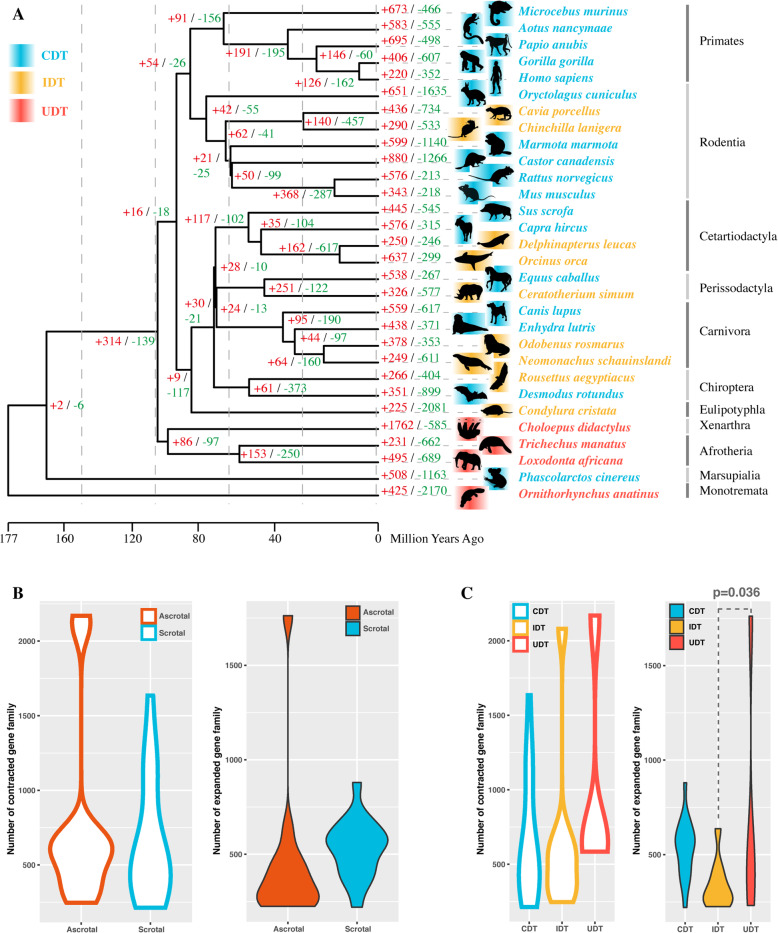
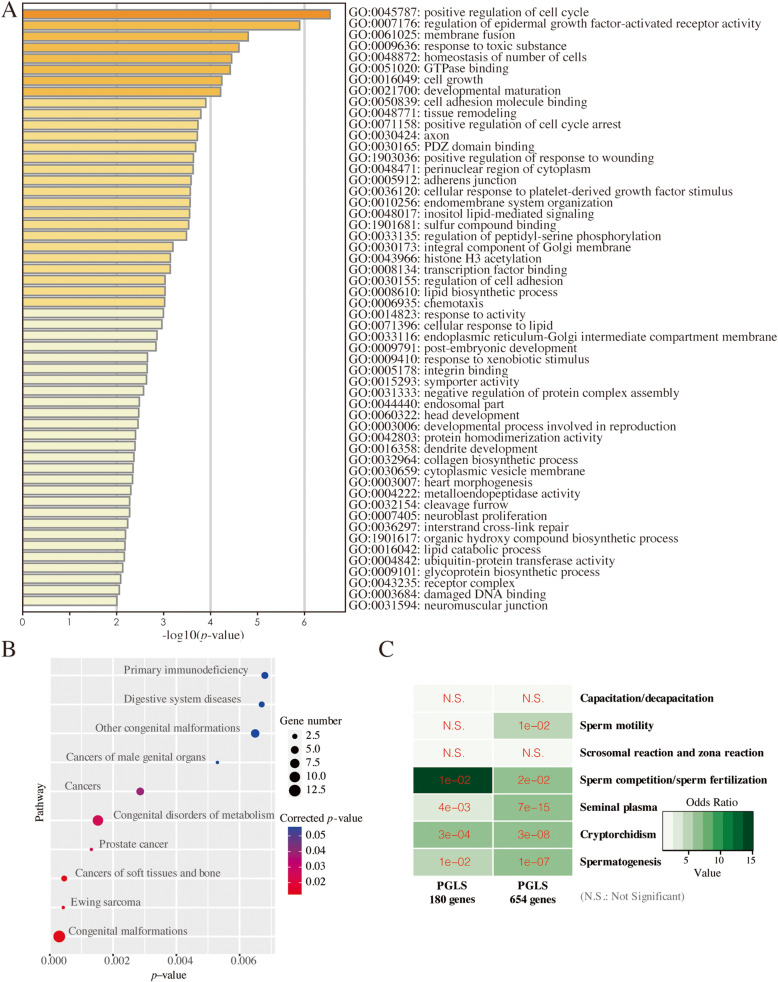
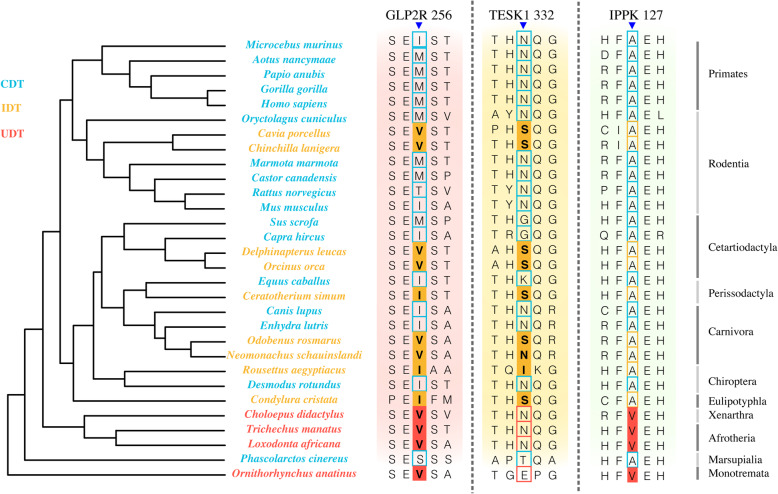
In the present study, comparative genomics and evolutionary analyses revealed that genes associated with the extracellular matrix and muscle, contributing to the development of the gubernaculum, were involved in the evolution of testicular position in mammals. Moreover, genes related to testicular position were significantly associated with spermatogenesis and sperm fertility. These genes showed rapid evolution and the signature of positive selection, with specific substitutions in ascrotal mammals. Genes associated with testicular position were significantly enriched in functions and pathways related to cancer, DNA repair, DNA replication, and autophagy.
Our results revealed that alterations in gubernaculum development contributed to the evolution of testicular position in mammals and provided the first support for two hypotheses for variation in testicular position in mammals, the "cooling hypothesis", which proposes that the scrotum provides a cool environment for acutely heat-sensitive sperm and the "training hypothesis", which proposes that the scrotum develops the sperm by exposing them to an exterior environment. Further, we identified cancer resistance and DNA repair as potential protective mechanisms in natural cryptorchids. These findings provide general insights into cryptorchidism and have implications for health and infertility both in humans and domestic mammals.
哺乳动物的睾丸位置存在广泛的变异,有些物种有阴囊睾丸,而有些物种则有腹腔睾丸。虽然隐睾症对人类健康有危害,但一些哺乳动物类群是天然的隐睾动物。然而,睾丸位置的进化以及维持健康(包括生殖健康)的分子机制在腹腔哺乳动物中并不清楚。
在本研究中,比较基因组学和进化分析表明,与细胞外基质和肌肉相关的基因,有助于提睾肌的发育,参与了哺乳动物睾丸位置的进化。此外,与睾丸位置相关的基因与精子发生和精子生育力显著相关。这些基因表现出快速进化和正选择的特征,在腹腔哺乳动物中存在特定的取代。与睾丸位置相关的基因在与癌症、DNA 修复、DNA 复制和自噬相关的功能和途径中显著富集。
我们的研究结果表明,提睾肌发育的改变导致了哺乳动物睾丸位置的进化,并首次为哺乳动物睾丸位置变异的两个假说提供了支持,即“冷却假说”,该假说认为阴囊为急性热敏感精子提供了凉爽的环境,以及“训练假说”,该假说认为阴囊通过将精子暴露于外部环境来发育精子。此外,我们还确定了癌症抵抗和 DNA 修复作为天然隐睾动物的潜在保护机制。这些发现为隐睾症提供了一般性的见解,并对人类和家畜的健康和不育都有影响。