Atim Mary Gorret, Kajogoo Violet Dismas, Amare Demeke, Said Bibie, Geleta Melka, Muchie Yilkal, Tesfahunei Hanna Amanuel, Assefa Dawit Getachew, Manyazewal Tsegahun
Center for Innovative Drug Development and Therapeutic Trials for Africa (CDT-Africa), College of Health Sciences, Addis Ababa University, Addis Ababa, Ethiopia.
Department of Public Health, Busitema University Faculty of Health Sciences, Mbale, Uganda.
Risk Manag Healthc Policy. 2021 Oct 19;14:4353-4360. doi: 10.2147/RMHP.S328004. eCollection 2021.
Health Sector Development Plans (HSDPs) aim to accelerate movement towards achieving sustainable development goals for health, reducing inequalities, and ending poverty. Reproductive, maternal, newborn and child health (RMNCH) services are vulnerable to economic imbalances, including health insecurity, unmet need for healthcare, and low health expenditure. The same vulnerability influences the potential of a country to combat global outbreaks such as the COVID-19. We aimed to provide some important insights into the impacts of COVID-19 on RMNCH indicators and outcomes of the HSDP in Uganda.
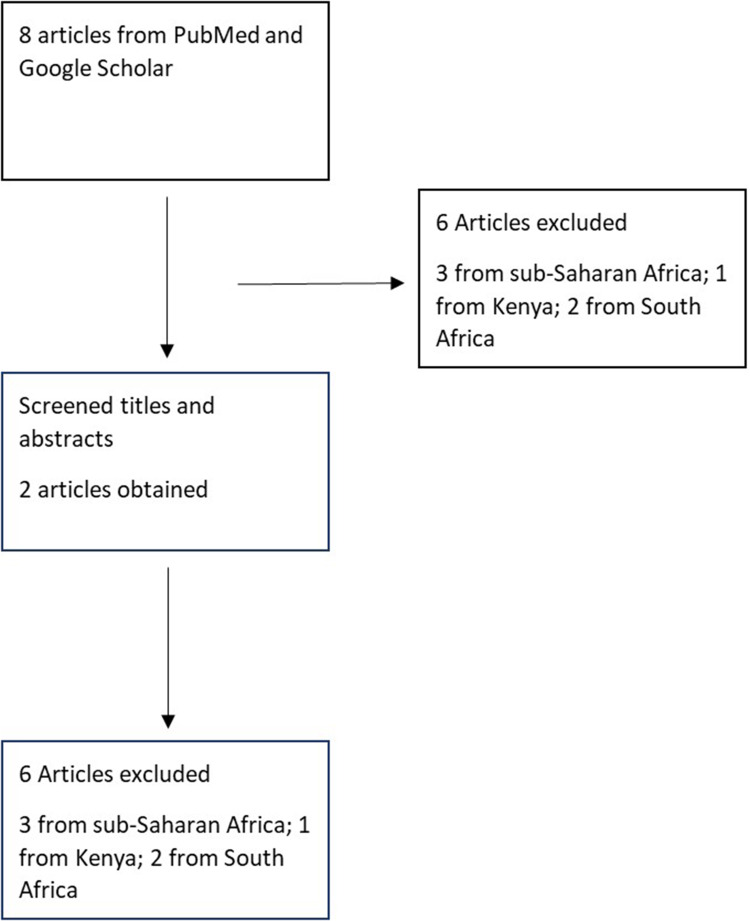
We conducted a descriptive study of secondary data obtained from the Ugandan government-led portals, supplemented by analyses of relevant articles published up to 06 May 2021 and deposited in PubMed.
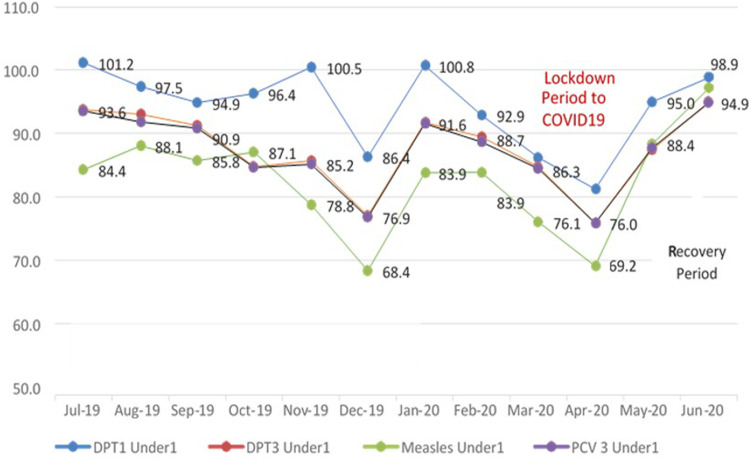
Through synthesizing actionable and relevant evidence, we realized that RMNCH in Uganda is highly affected by the COVID-19 pandemic and the lockdown measures. The impact was across immunization, antenatal, sexual and reproductive health, emergency and obstetric, and postnatal care services. There was a decline sharply by 9.6% for under-five vitamin A coverage, 9% for DPTHibHeb coverage, 6.8% for measles vaccination coverage, 6% for isoniazid preventive therapy coverage, and 3% for facility-based deliveries. Maternal and under-five deaths increased by 7.6% and 4%, respectively. Outreaches were rarely conducted in the lockdown period.
The COVID-19 pandemic has created a multitude of questions regarding the optimal policies to mitigate the disease while minimizing the unintended detrimental consequences of RMNCH. The lockdown restrictions threatened to reverse the progress made on the national HSDP for RMNCH. In Uganda, where young women are vulnerable to early marriage, unintended pregnancies, and unsafe abortion, access to RMNCH services should continue regardless of the COVID-19 status in the country. We urge that Uganda and other African countries should build resilient and sustainable health systems that can withstand emerging diseases like the COVID-19.
卫生部门发展计划(HSDPs)旨在加速实现卫生领域可持续发展目标、减少不平等现象并消除贫困。生殖、孕产妇、新生儿和儿童健康(RMNCH)服务容易受到经济失衡的影响,包括健康不安全、医疗保健需求未得到满足以及卫生支出较低。同样的脆弱性也影响着一个国家应对全球性疫情(如新冠疫情)的能力。我们旨在深入了解新冠疫情对乌干达RMNCH指标及HSDP成果的影响。
我们对从乌干达政府主导的门户网站获取的二手数据进行了描述性研究,并辅以对截至2021年5月6日发表并存于PubMed的相关文章的分析。
通过综合可采取行动的相关证据,我们认识到乌干达的RMNCH受到新冠疫情和封锁措施的严重影响。影响涉及免疫、产前、性与生殖健康、急诊与产科以及产后护理服务。五岁以下儿童维生素A覆盖率急剧下降9.6%,DPT-Hib-HepB覆盖率下降9%,麻疹疫苗接种覆盖率下降6.8%,异烟肼预防性治疗覆盖率下降6%,机构分娩率下降3%。孕产妇死亡和五岁以下儿童死亡分别增加了7.6%和4%。封锁期间很少开展外展活动。
新冠疫情引发了诸多关于最佳政策的问题,这些政策既要减轻疾病影响,又要尽量减少对RMNCH的意外不利后果。封锁限制有可能扭转国家RMNCH HSDP所取得的进展。在乌干达,年轻女性容易早婚、意外怀孕和不安全堕胎,无论该国的新冠疫情状况如何,都应继续提供RMNCH服务。我们敦促乌干达和其他非洲国家建立有韧性和可持续的卫生系统,以抵御像新冠疫情这样的新发疾病。