Buchholz Caroline R, Pomerantz William C K
Department of Medicinal Chemistry, University of Minnesota 308 Harvard Street SE Minneapolis Minnesota 55455 USA
Department of Chemistry, University of Minnesota 207 Pleasant St. SE Minneapolis Minnesota 55455 USA.
RSC Chem Biol. 2021 Jul 12;2(5):1312-1330. doi: 10.1039/d1cb00085c. eCollection 2021 Oct 7.
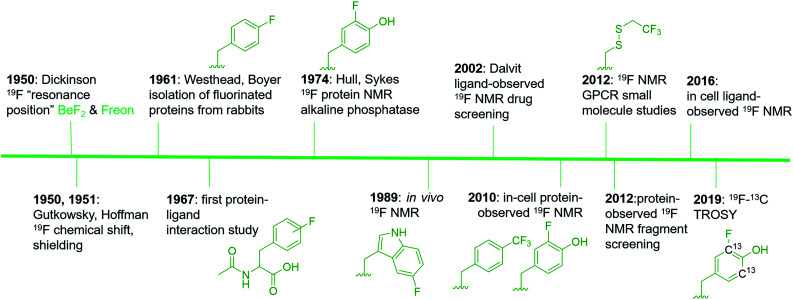
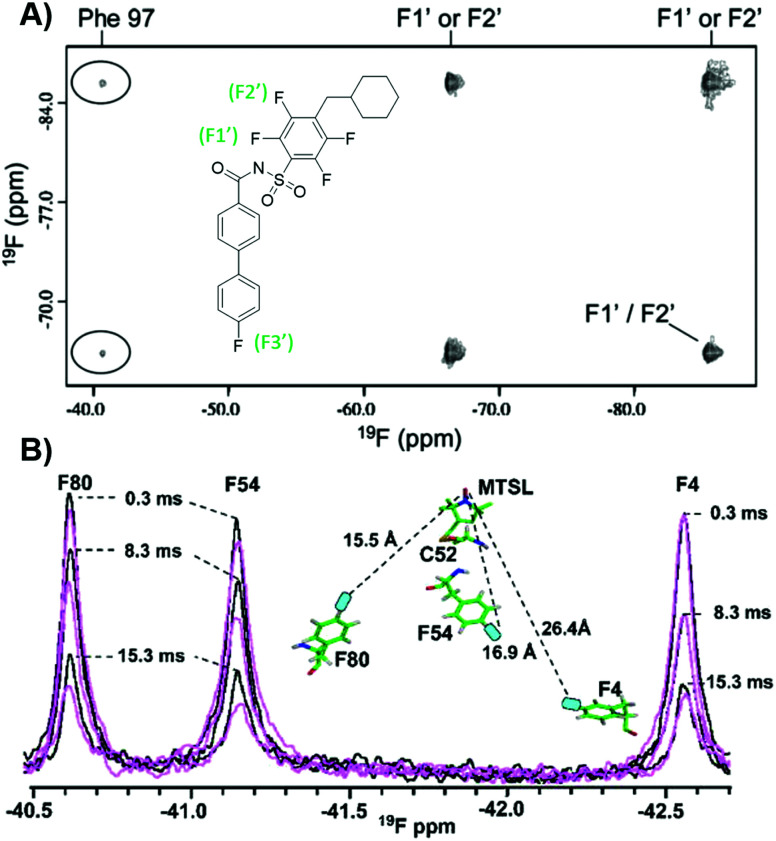
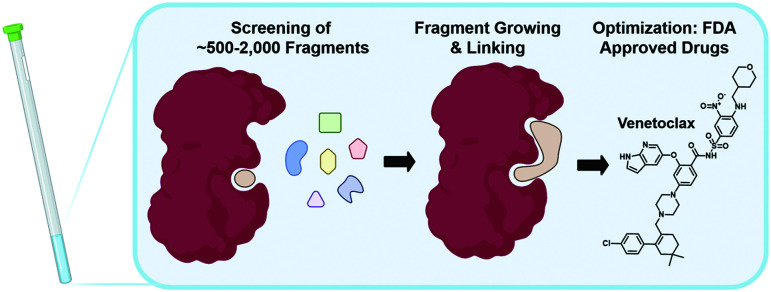
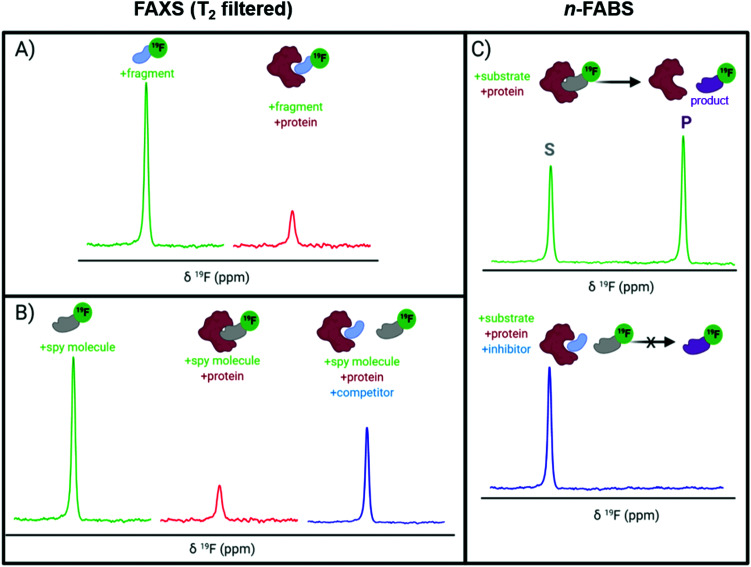
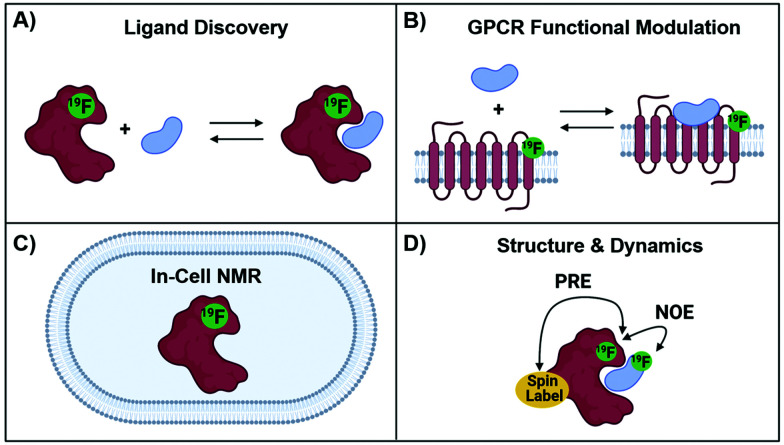
F NMR has emerged as a powerful tool in drug discovery, particularly in fragment-based screens. The favorable magnetic resonance properties of the fluorine-19 nucleus, the general absence of fluorine in biological settings, and its ready incorporation into both small molecules and biopolymers, has enabled multiple applications of F NMR using labeled small molecules and proteins in biophysical, biochemical, and cellular experiments. This review will cover developments in ligand-observed and protein-observed F NMR experiments tailored towards drug discovery with a focus on fragment screening. We also cover the key advances that have furthered the field in recent years, including quantitative, structural, and in-cell methodologies. Several case studies are described for each application to highlight areas for innovation and to further catalyze new NMR developments for using this versatile nucleus.
氟核磁共振(F NMR)已成为药物发现中的一种强大工具,尤其是在基于片段的筛选中。氟 - 19原子核具有良好的磁共振特性,生物环境中一般不存在氟,并且它易于掺入小分子和生物聚合物中,这使得在生物物理、生化和细胞实验中使用标记的小分子和蛋白质进行多种F NMR应用成为可能。本综述将涵盖针对药物发现而定制的配体观测和蛋白质观测F NMR实验的进展,重点是片段筛选。我们还将介绍近年来推动该领域发展的关键进展,包括定量、结构和细胞内方法。针对每种应用描述了几个案例研究,以突出创新领域,并进一步催化利用这个多功能原子核的新NMR发展。