State Key Laboratory of Oncogenes and Related Genes, Shanghai Cancer Institute, Shanghai Key Laboratory for Nucleic Acid Chemistry and Nanomedicine, Institute of Molecular Medicine, Renji Hospital, School of Medicine, Shanghai Jiao Tong University, Shanghai, 200127, China.
Adv Sci (Weinh). 2022 Jan;9(1):e2104006. doi: 10.1002/advs.202104006. Epub 2021 Oct 28.
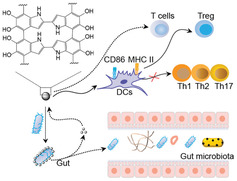
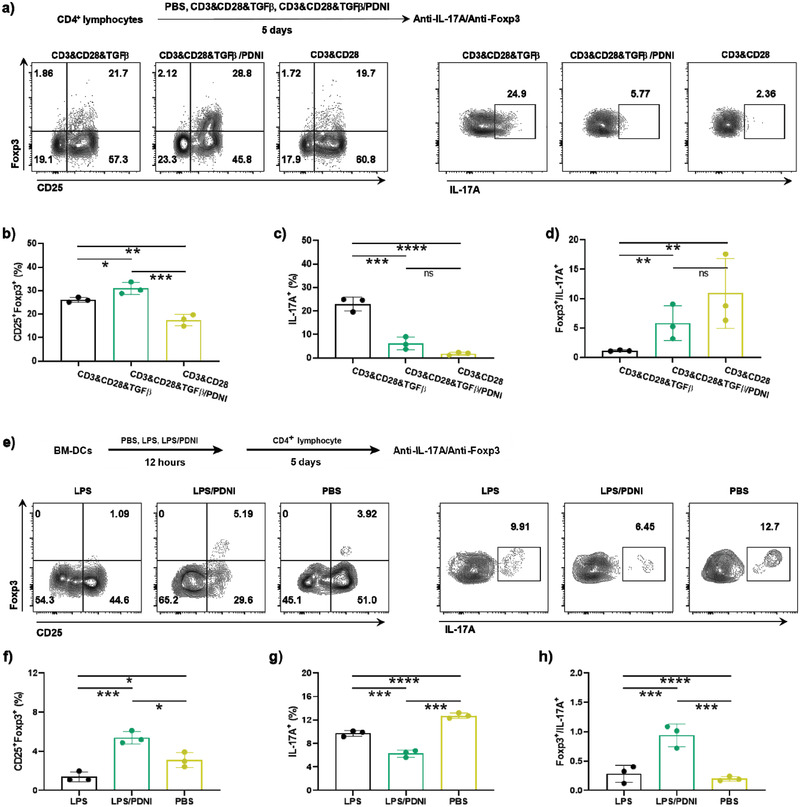
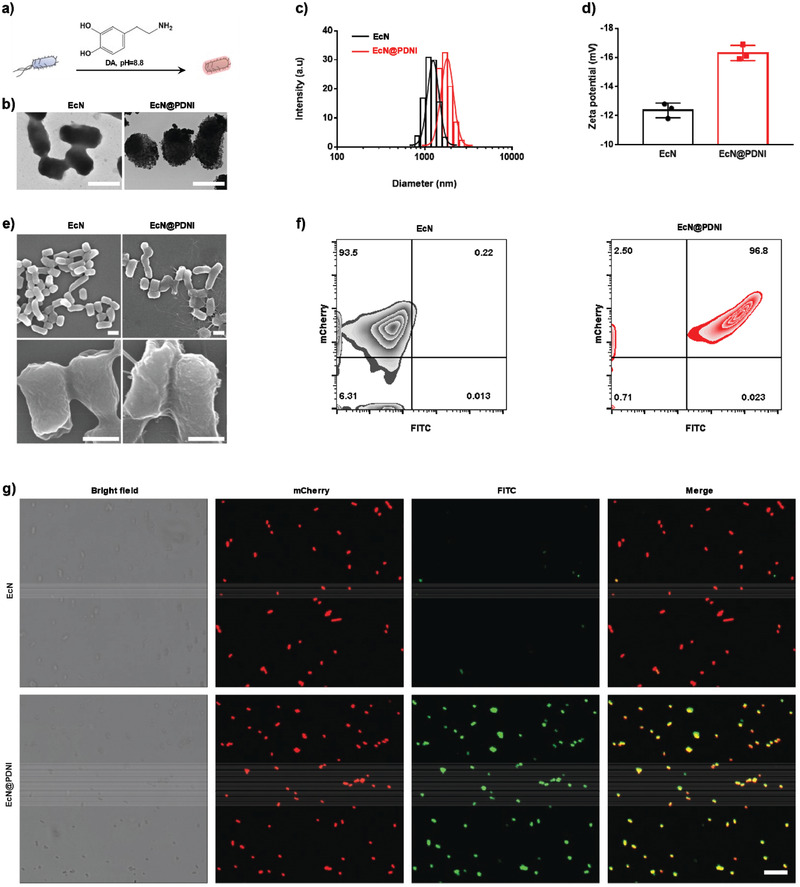
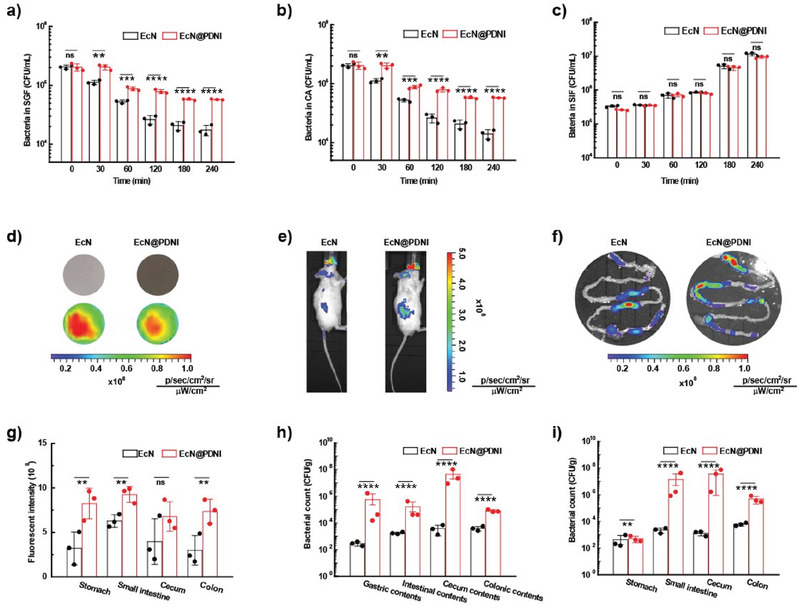
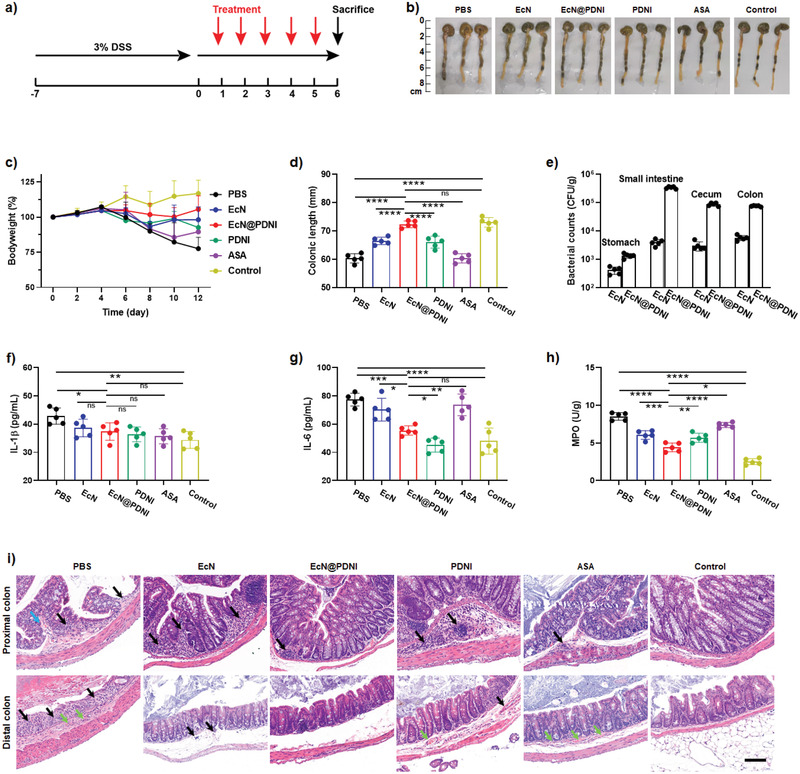
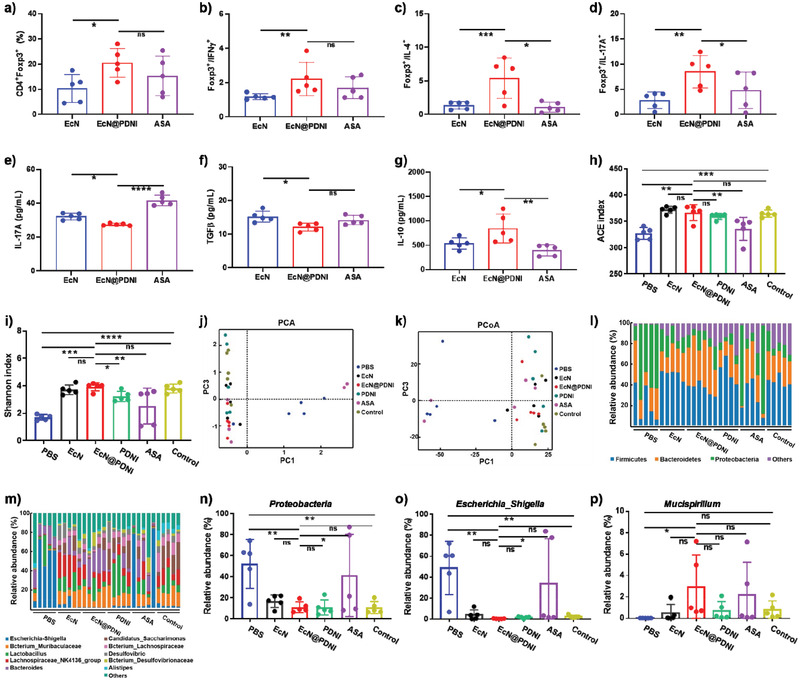
Despite immunosuppression is critical for reducing immune overactivation, existing immunosuppressive agents are largely restricted by low inhibition efficiencies and unpredictable off-target toxicities. Here, the use of the dopaminergic system is reported to suppress hyperactive immune responses in local inflamed tissues. A polydopamine nanoparticular immunosuppressant (PDNI) is synthesized to stimulate regulatory T (Treg) cells and directly inhibit T helper 1 (Th1), Th2, and Th17 cells. Moreover, PDNI can inhibit the activation of dendritic cells to upregulate the ratio of Treg/Th17, which assists the reversion of inflammatory responses. The application of dopaminergic immunoregulation is further disclosed by combining with gut microbiota modulation for treating inflammations. The combination is implemented by coating living beneficial bacteria with PDNI. Following oral delivery, coated bacteria not only suppress the hyperactive immune responses but also positively modulate the gut microbiome in mice characterized with colitis. Strikingly, the combination demonstrates enhanced treatment efficacies in comparison with clinical aminosalicylic acid in two murine models of colitis. The use of the dopaminergic system opens a window to intervene immune responses and provides a versatile platform for the development of new therapeutics for treating inflammatory diseases.
尽管免疫抑制对于减少免疫过度激活至关重要,但现有的免疫抑制剂在很大程度上受到低抑制效率和不可预测的脱靶毒性的限制。在这里,报道了多巴胺能系统的使用可以抑制局部炎症组织中过度活跃的免疫反应。合成了一种聚多巴胺纳米颗粒免疫抑制剂(PDNI),以刺激调节性 T(Treg)细胞,并直接抑制 T 辅助 1(Th1)、Th2 和 Th17 细胞。此外,PDNI 可以抑制树突状细胞的激活,上调 Treg/Th17 的比例,从而有助于炎症反应的逆转。通过与肠道微生物群调节相结合来治疗炎症,进一步揭示了多巴胺能免疫调节的应用。该组合通过用 PDNI 涂层活的有益细菌来实现。口服给药后,涂层细菌不仅抑制过度活跃的免疫反应,而且还积极调节具有结肠炎特征的小鼠的肠道微生物组。引人注目的是,与结肠炎的两种小鼠模型中的临床氨基水杨酸相比,该组合显示出增强的治疗效果。多巴胺能系统的使用为干预免疫反应开辟了一个窗口,并为治疗炎症性疾病的新型治疗方法的发展提供了一个多功能平台。