Yan Huize, Shao Dan, Lao Yeh-Hsing, Li Mingqiang, Hu Hanze, Leong Kam W
Department of Biomedical Engineering Columbia University New York NY 10027 USA.
Guangdong Provincial Key Laboratory of Liver Disease The Third Affiliated Hospital of Sun Yat-sen University Guangzhou Guangdong 510630 China.
Adv Sci (Weinh). 2019 May 22;6(15):1900605. doi: 10.1002/advs.201900605. eCollection 2019 Aug 7.
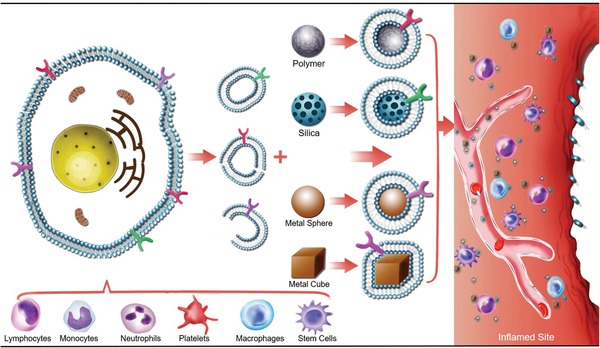
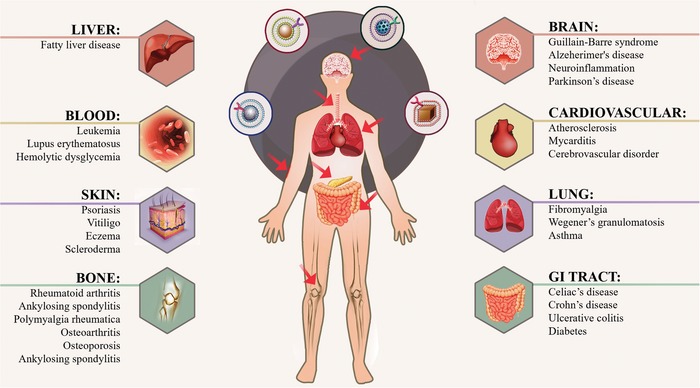
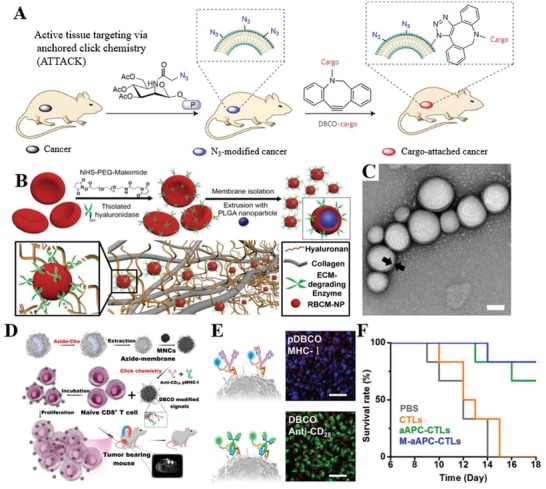
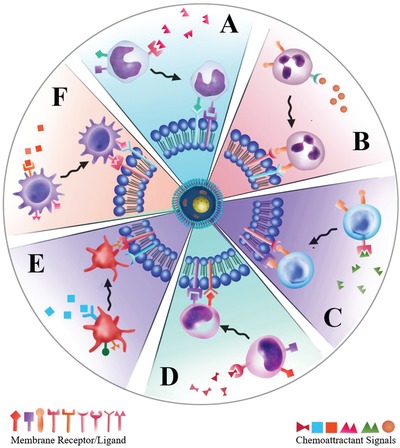
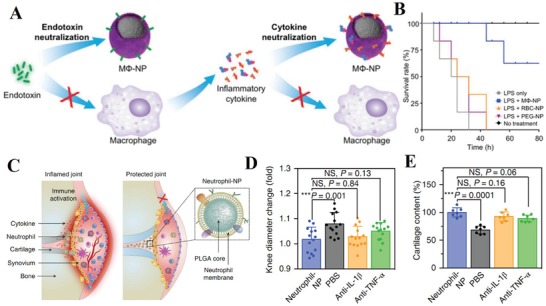
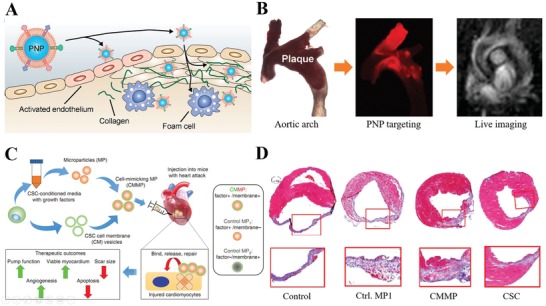
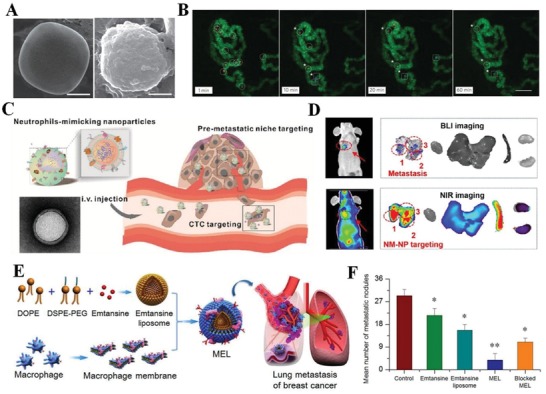
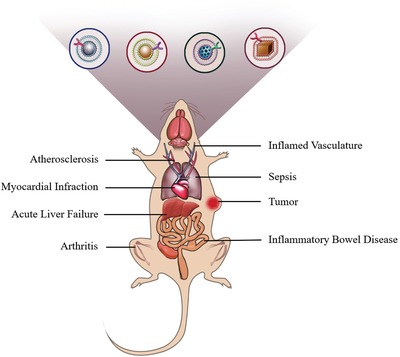
Inflammation is ubiquitous in the body, triggering desirable immune response to defend against dangerous signals or instigating undesirable damage to cells and tissues to cause disease. Nanomedicine holds exciting potential in modulating inflammation. In particular, cell membranes derived from cells involved in the inflammatory process may be used to coat nanotherapeutics for effective targeted delivery to inflammatory tissues. Herein, the recent progress of rationally engineering cell membrane-based nanotherapeutics for inflammation therapy is highlighted, and the challenges and opportunities presented in realizing the full potential of cell-membrane coating in targeting and manipulating the inflammatory microenvironment are discussed.
炎症在体内无处不在,它既能引发理想的免疫反应以抵御危险信号,也可能引发对细胞和组织的不良损伤从而导致疾病。纳米医学在调节炎症方面具有令人兴奋的潜力。特别是,源自参与炎症过程的细胞的细胞膜可用于包裹纳米治疗剂,以实现向炎症组织的有效靶向递送。本文重点介绍了合理设计用于炎症治疗的基于细胞膜的纳米治疗剂的最新进展,并讨论了在充分发挥细胞膜包被在靶向和调控炎症微环境方面的全部潜力时所面临的挑战和机遇。