Stem Cell Biology Department, ICMR- National Institute for Research in Reproductive Health, Jehangir Merwanji Street, Parel, Mumbai, 400 012, India.
Present address: Department of Ophthalmology and Visual Sciences, University of Nebraska Medical Center, Omaha, NE, USA.
J Ovarian Res. 2021 Oct 30;14(1):145. doi: 10.1186/s13048-021-00883-0.
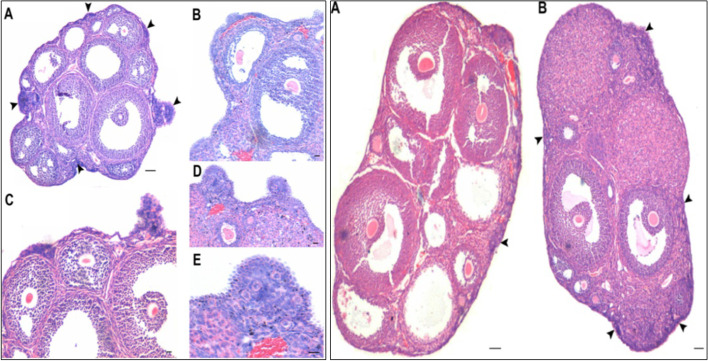
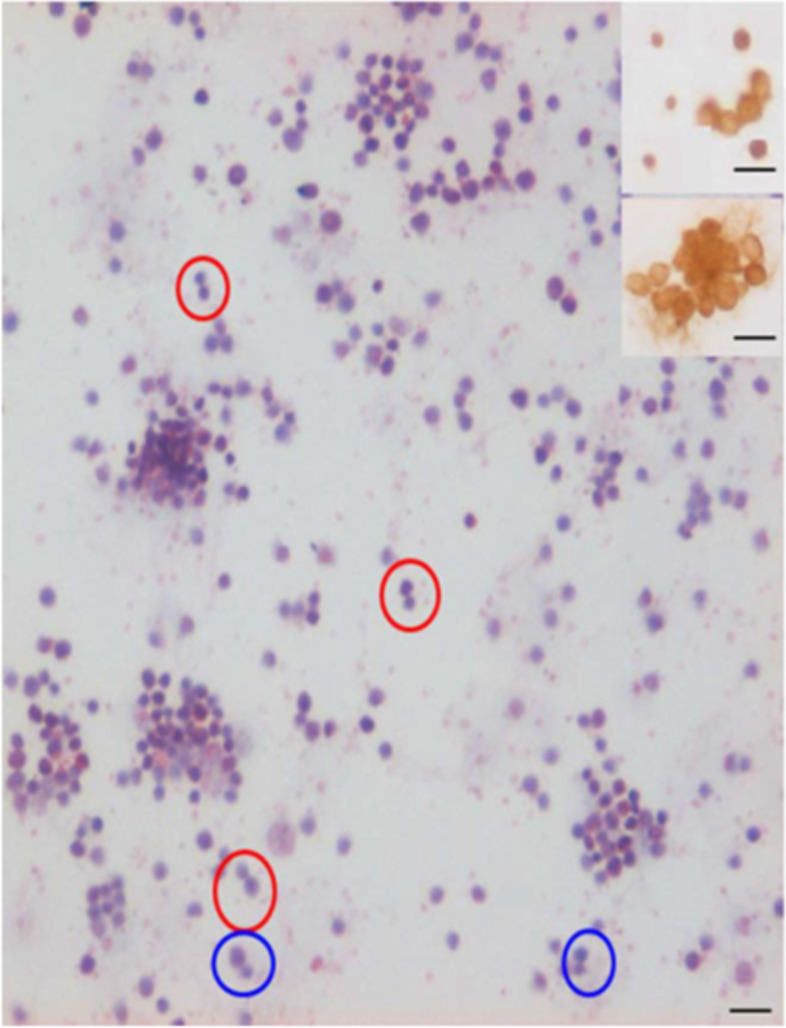
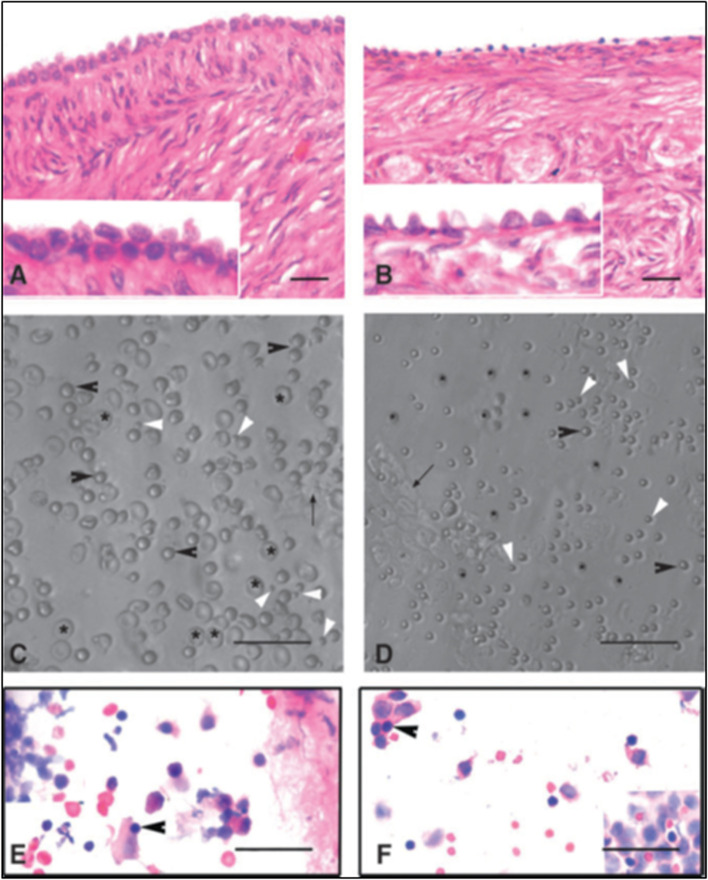
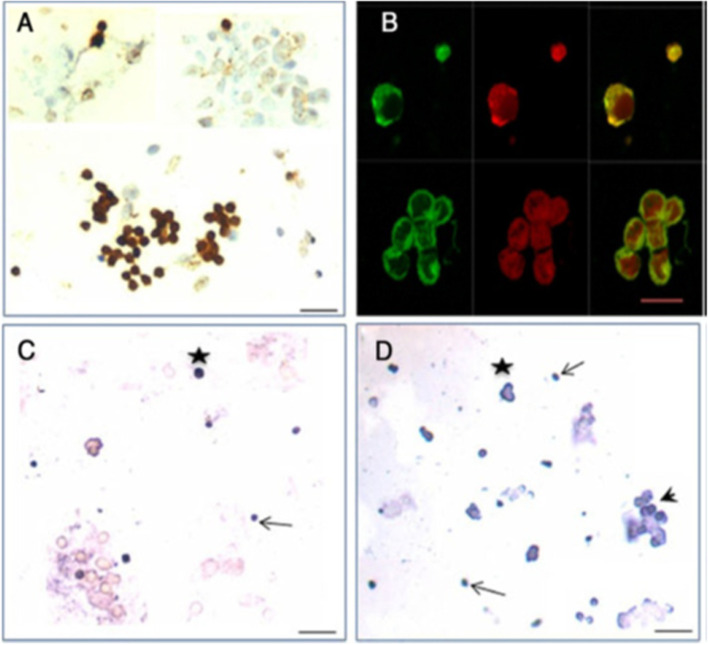
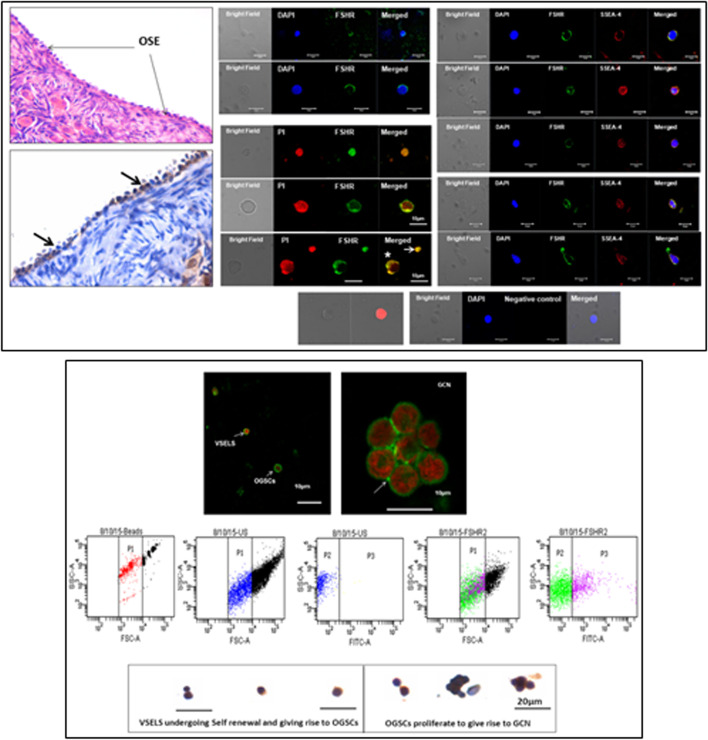
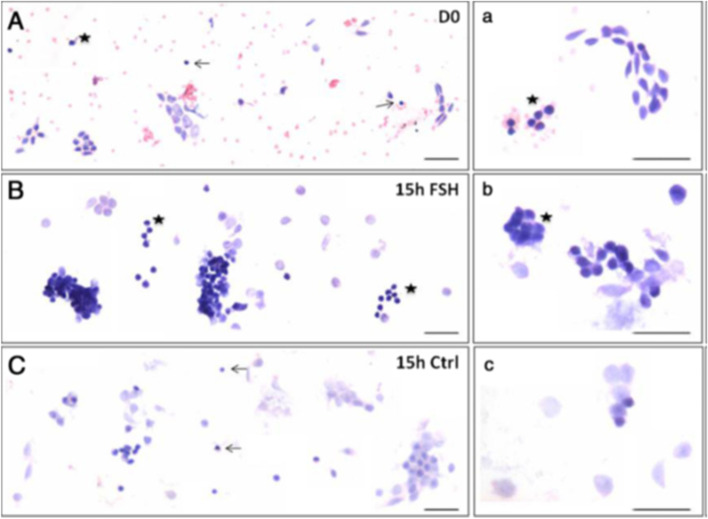
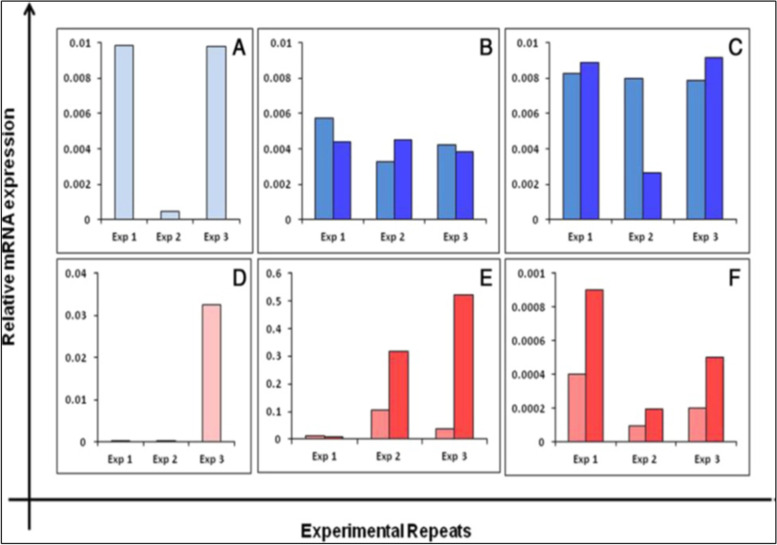
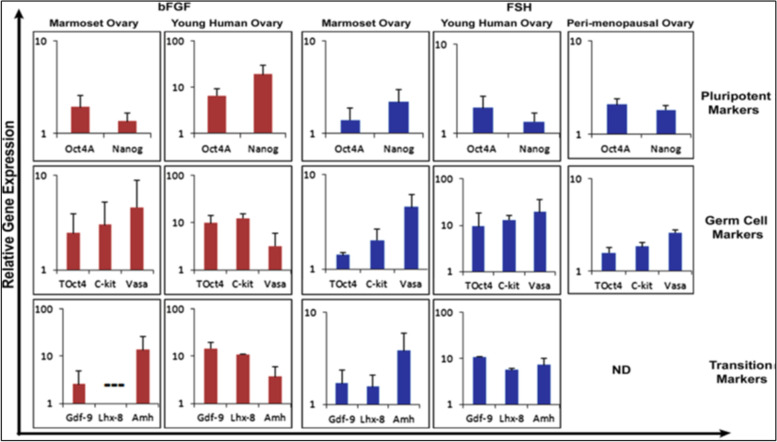
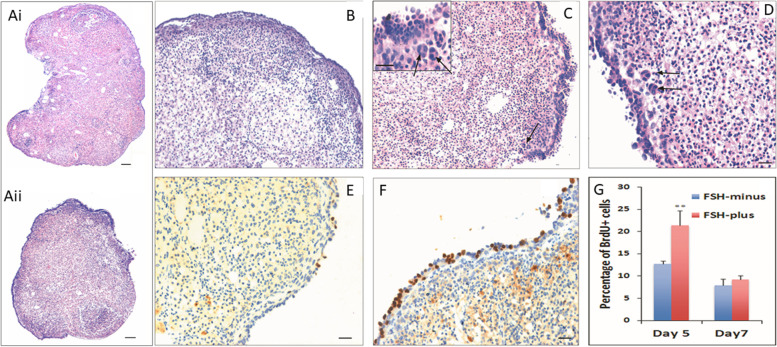
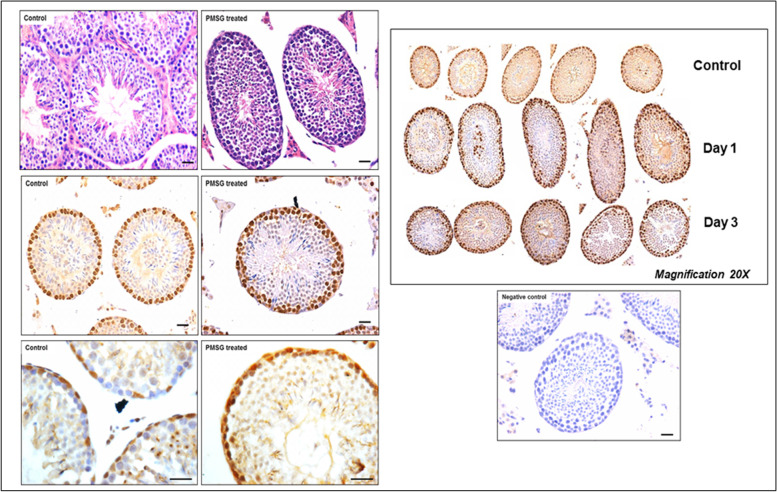
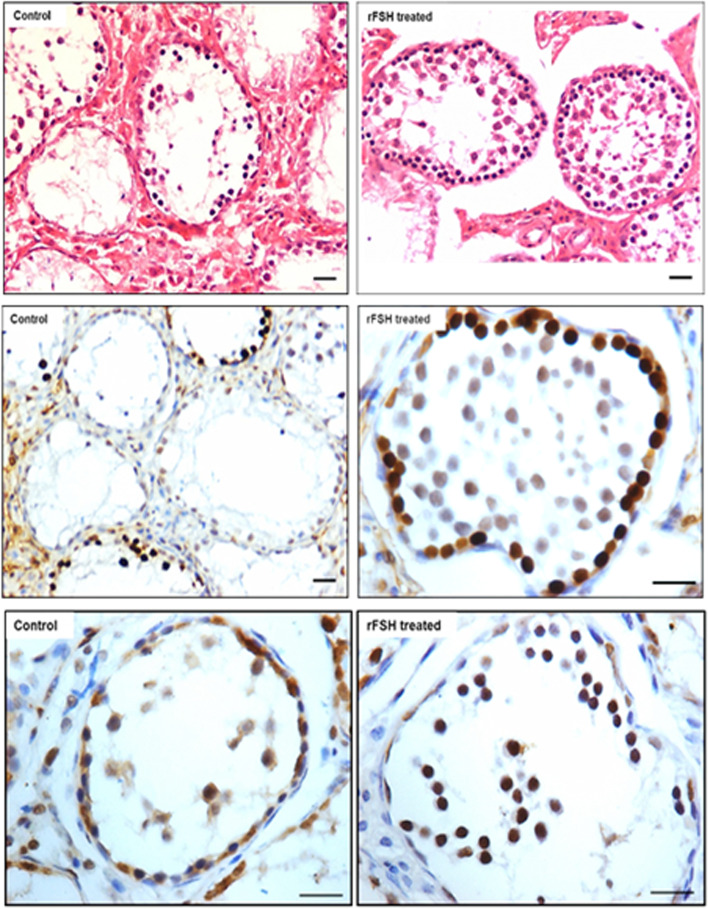
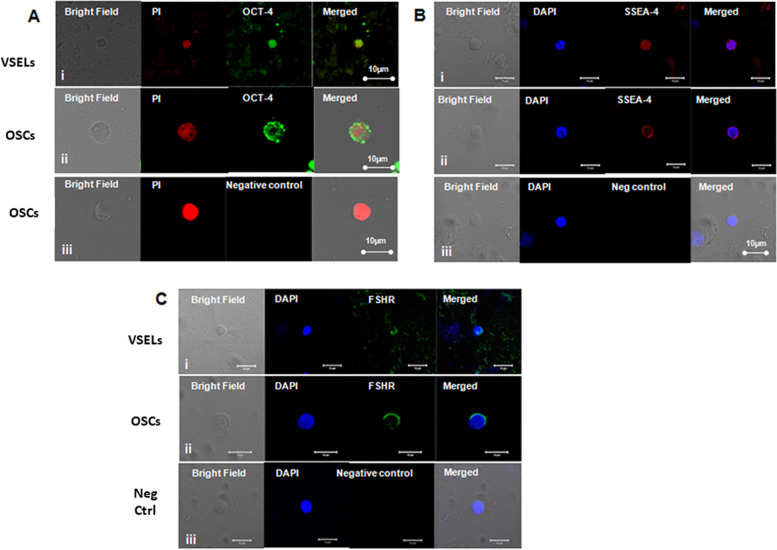
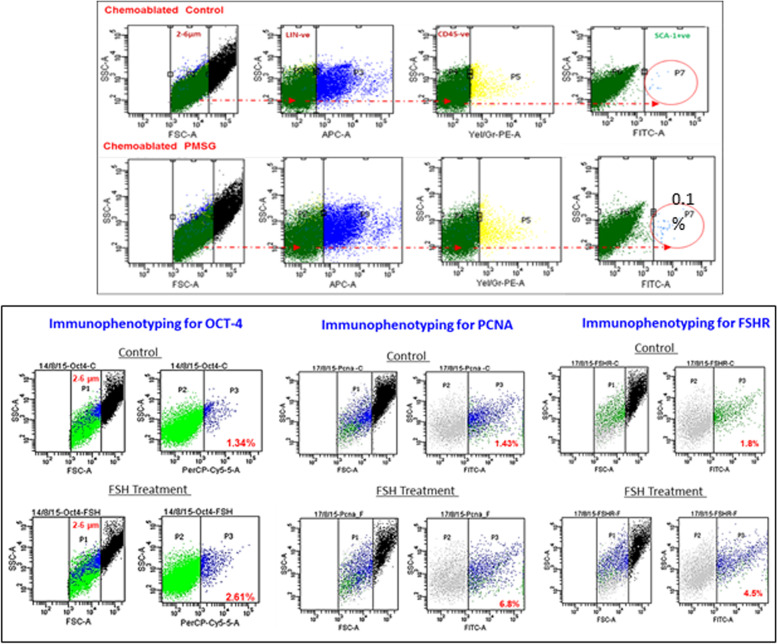
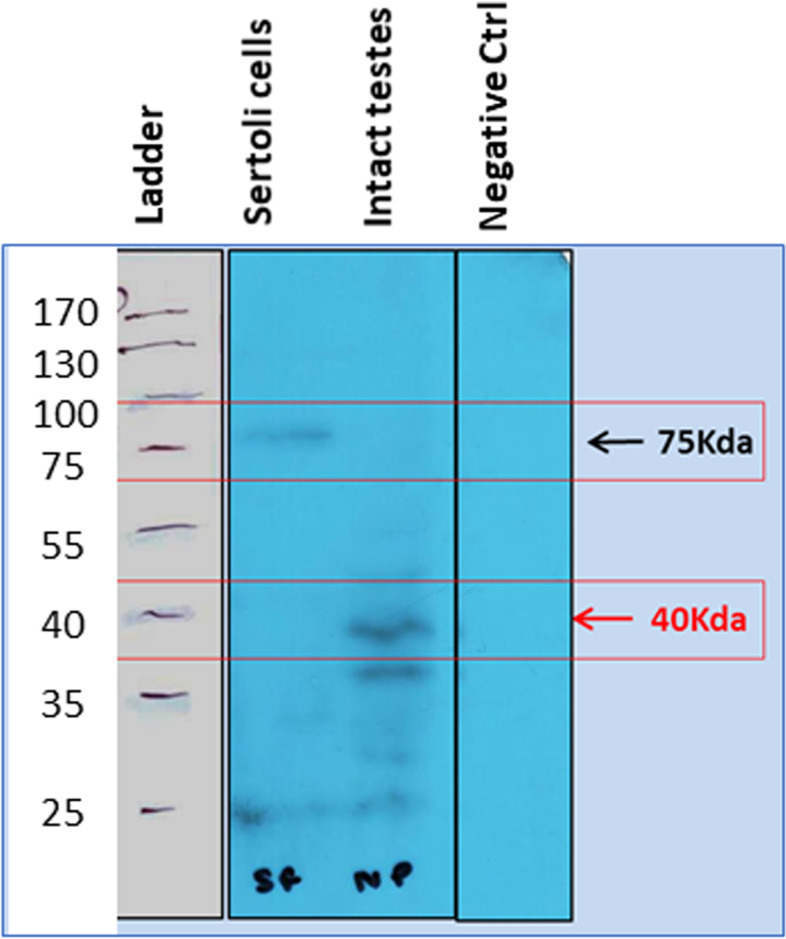
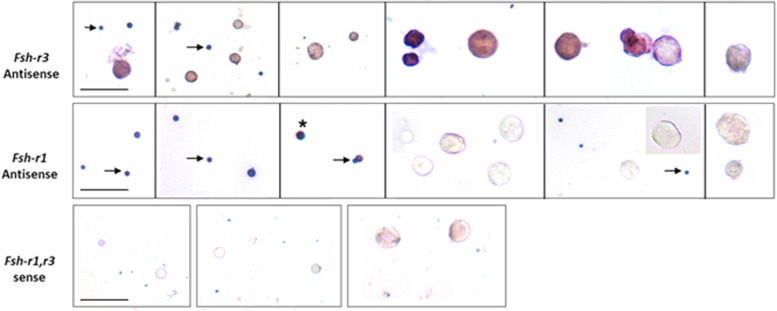
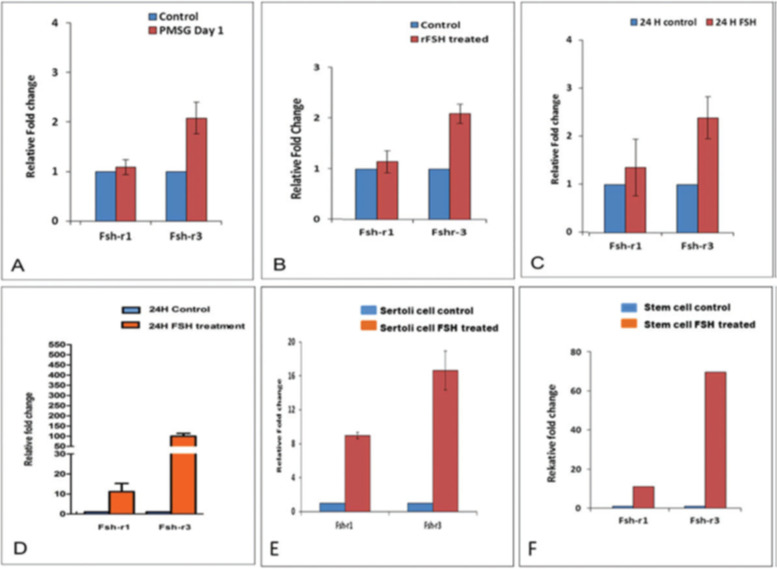
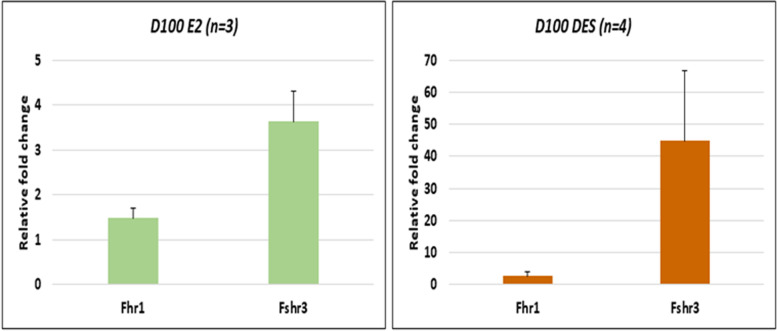
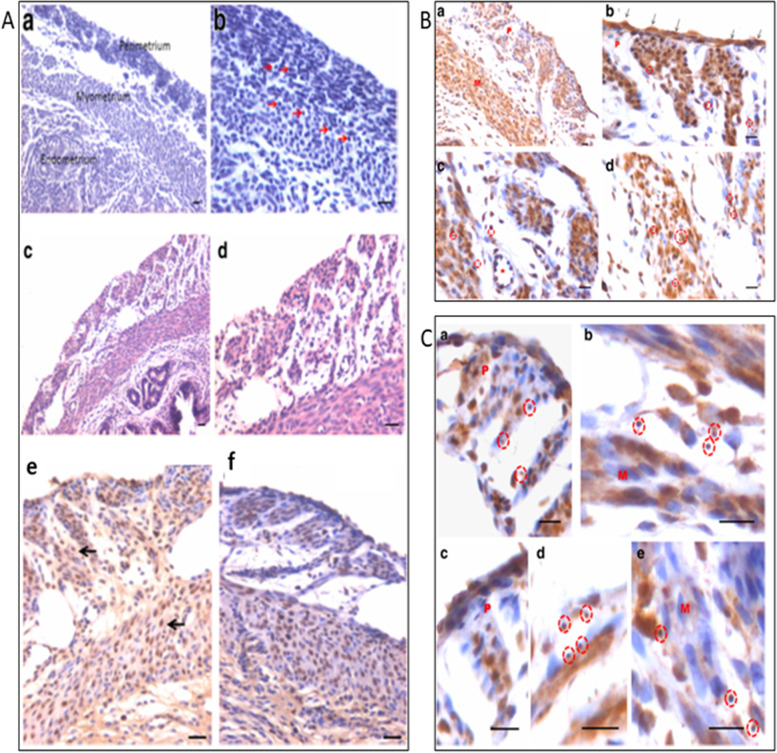
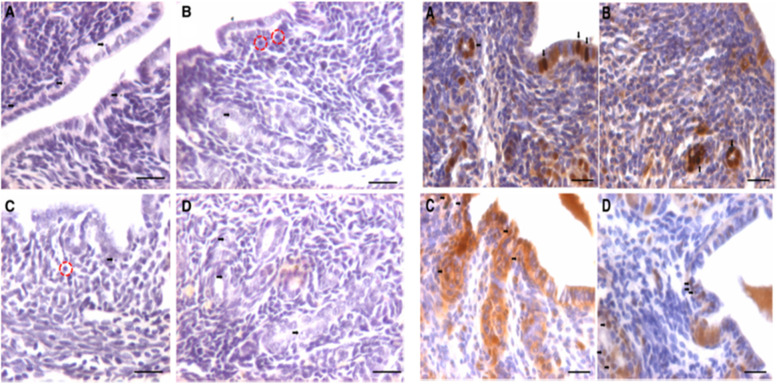
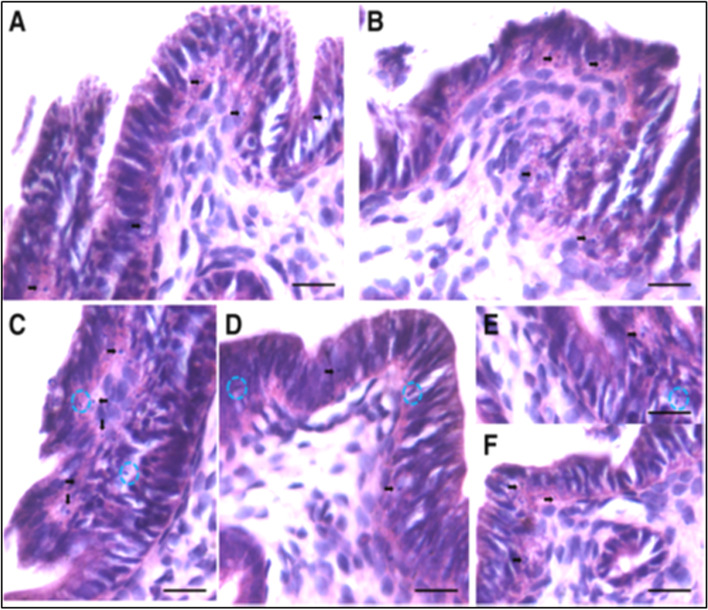
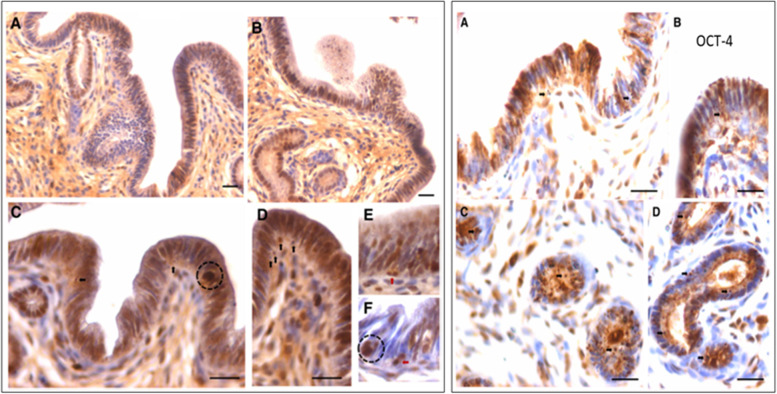
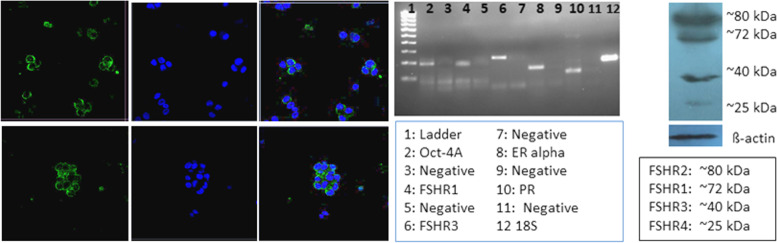
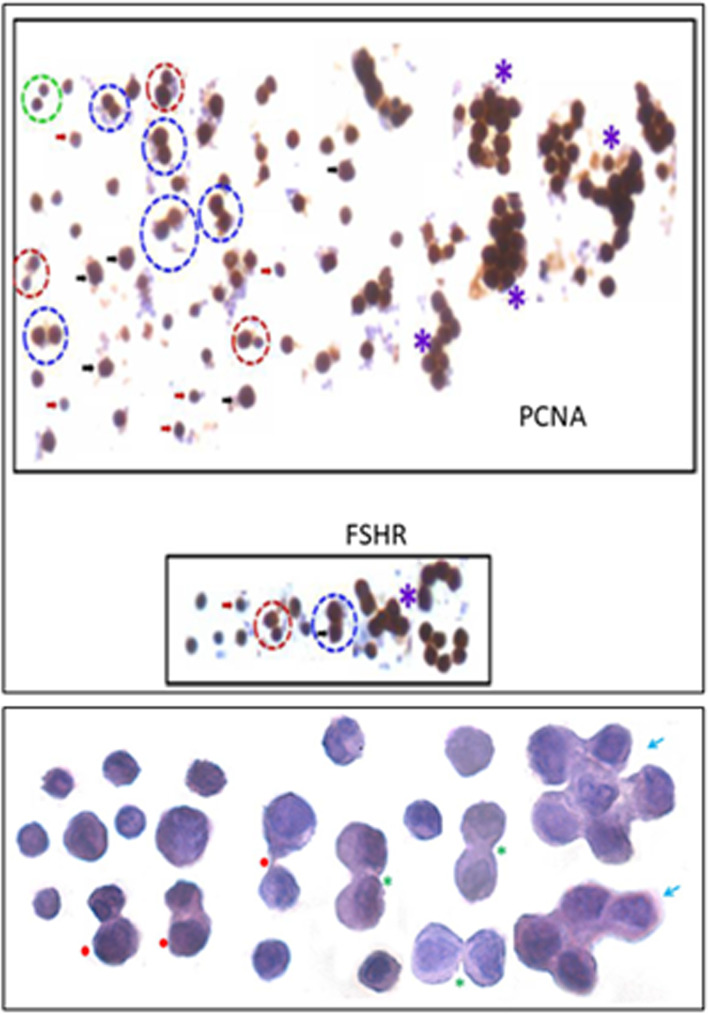
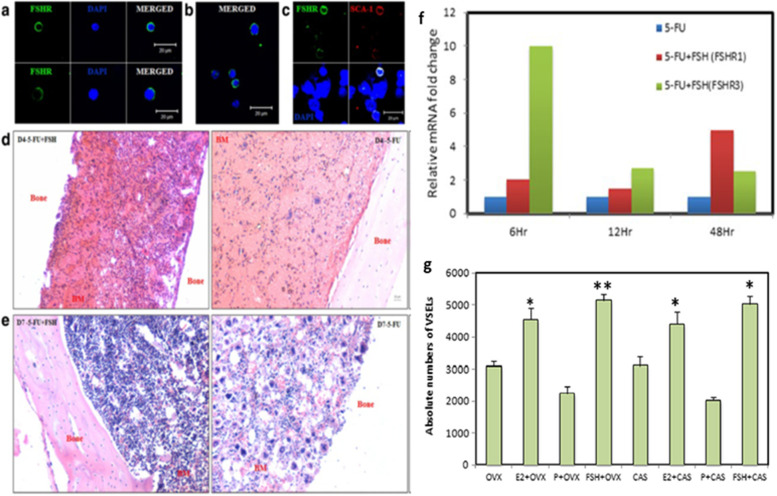
Follicle stimulating hormone (FSH) is secreted by the anterior pituitary and acts on the germ cells indirectly through Granulosa cells in ovaries and Sertoli cells in the testes. Extragonadal action of FSH has been reported but is still debated. Adult tissues harbor two populations of stem cells including a reserve population of primitive, small-sized, pluripotent very small embryonic-like stem cells (VSELs) and slightly bigger, tissue-specific progenitors which include ovarian stem cells (OSCs) in ovaries, spermatogonial stem cells (SSCs) in testes, endometrial stem cells (EnSCs) in uterus and hematopoietic stem cells (HSCs) in the bone marrow. Data has accumulated in animal models showing FSHR expression on both VSELs and progenitors in ovaries, testes, uterus and bone marrow and eventually gets lost as the cells differentiate further. FSH exerts a direct action on the stem/progenitor cells via alternatively spliced FSHR-3 rather than the canonical FSHR-1. FSH stimulates VSELs to undergo asymmetrical cell divisions to self-renew and give rise to the progenitors that in turn undergo symmetrical cell divisions and clonal expansions followed by differentiation into specific cell types. Excessive self-renewal of VSELs results in cancer and this explains ubiquitous expression of embryonic markers including nuclear OCT-4 along with FSHR in cancerous tissues. Focus of this review is to compile published data to support this concept. FSHR expression in stem/progenitor cells was confirmed by immuno-fluorescence, Western blotting, in situ hybridization and by quantitative RT-PCR. Two different commercially available antibodies (Abcam, Santacruz) were used to confirm specificity of FSHR expression along with omission of primary antibody and pre-incubation of antibody with immunizing peptide as negative controls. Western blotting allowed detection of alternatively spliced FSHR isoforms. Oligoprobes and primers specific for Fshr-1 and Fshr-3 were used to study these alternately-sliced isoforms by in situ hybridization and their differential expression upon FSH treatment by qRT-PCR. To conclude, stem/progenitor cells in adult tissues express FSHR and directly respond to FSH via FSHR-3. These findings change the field of FSH-FSHR biology, call for paradigm shift, explain FSHR expression on cancer cells in multiple organs and provide straightforward explanations for various existing conundrums including extragonadal expression of FSHR.
卵泡刺激素(FSH)由垂体前叶分泌,通过卵巢中的颗粒细胞和睾丸中的支持细胞间接作用于生殖细胞。已经报道了 FSH 的性腺外作用,但仍存在争议。成人组织中存在两种干细胞群体,包括原始的、小的、多能的非常小的胚胎样干细胞(VSELs)的储备群体和稍大的、组织特异性的祖细胞,包括卵巢中的卵巢干细胞(OSCs)、睾丸中的精原干细胞(SSCs)、子宫中的子宫内膜干细胞(EnSCs)和骨髓中的造血干细胞(HSCs)。在动物模型中积累的数据表明,FSHR 在卵巢、睾丸、子宫和骨髓中的 VSELs 和祖细胞上表达,并且随着细胞进一步分化而丢失。FSH 通过交替剪接的 FSHR-3 而不是经典的 FSHR-1 对干细胞/祖细胞发挥直接作用。FSH 刺激 VSELs 进行不对称细胞分裂以自我更新,并产生祖细胞,祖细胞进而进行对称细胞分裂和克隆扩增,随后分化为特定的细胞类型。VSELs 的过度自我更新导致癌症,这解释了包括核 OCT-4 在内的胚胎标记物在癌组织中的普遍表达。本综述的重点是汇集已发表的数据以支持这一概念。通过免疫荧光、Western blot、原位杂交和定量 RT-PCR 证实了干细胞/祖细胞中的 FSHR 表达。使用两种不同的商业上可获得的抗体(Abcam、Santacruz)来证实 FSHR 表达的特异性,同时排除了一抗和用免疫肽预孵育作为阴性对照。Western blot 允许检测到交替剪接的 FSHR 同工型。使用针对 Fshr-1 和 Fshr-3 的寡核苷酸探针和引物通过原位杂交和 qRT-PCR 研究这些交替剪接的同工型,以及它们在 FSH 处理下的差异表达。总之,成人组织中的干细胞/祖细胞表达 FSHR,并通过 FSHR-3 直接对 FSH 作出反应。这些发现改变了 FSH-FSHR 生物学领域,呼吁范式转变,解释了多个器官中癌细胞上的 FSHR 表达,并为各种现有难题提供了直接解释,包括 FSHR 的性腺外表达。