Department of Biochemistry, Max Planck Institute for Chemical Ecology, Jena D-07745, Germany.
Section of Cell and Developmental Biology, University of California, San Diego, California 92093-0380, USA.
Plant Physiol. 2022 Jan 20;188(1):167-190. doi: 10.1093/plphys/kiab496.
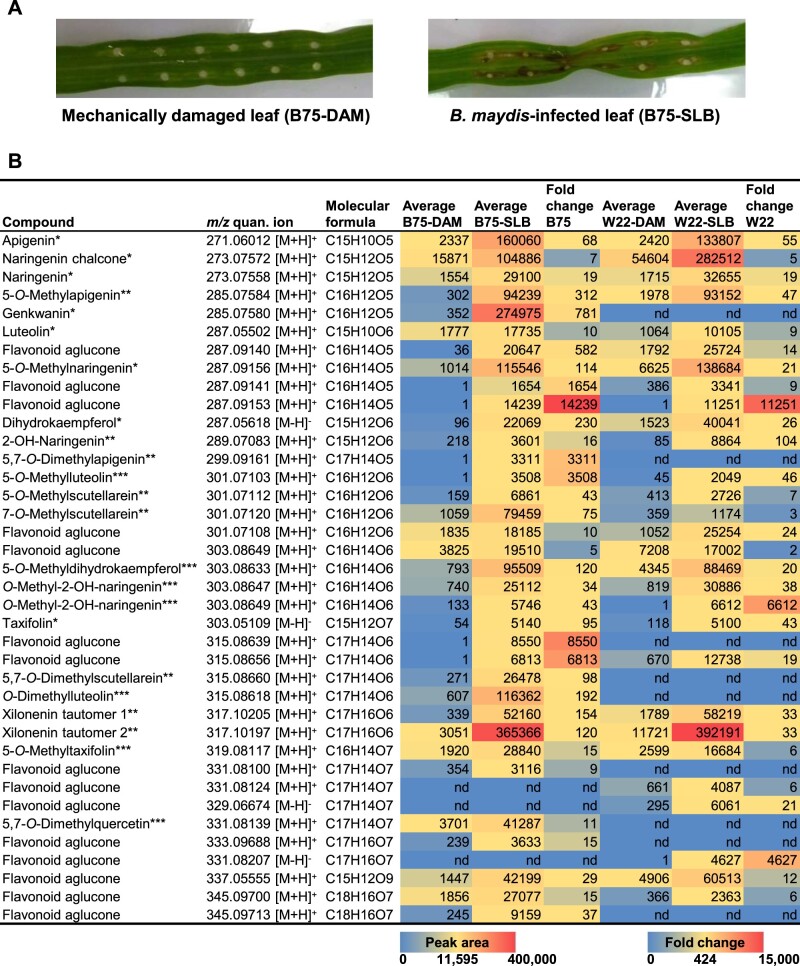
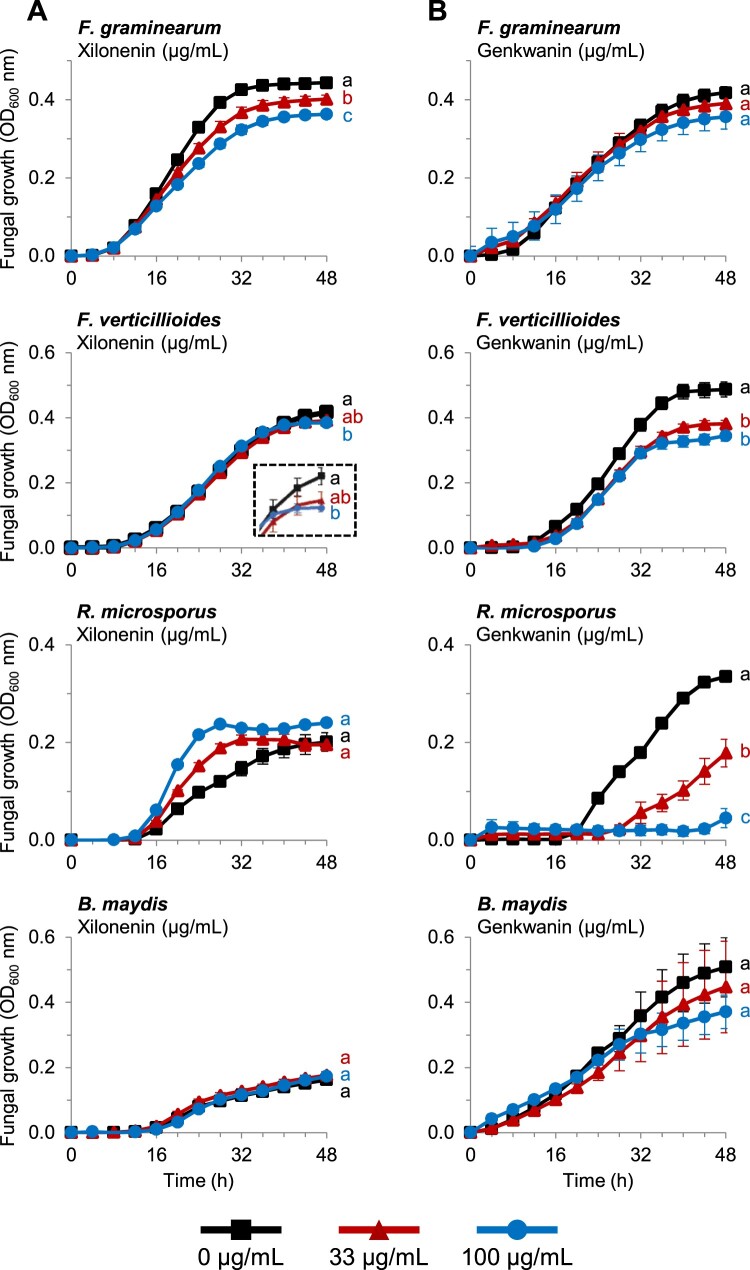
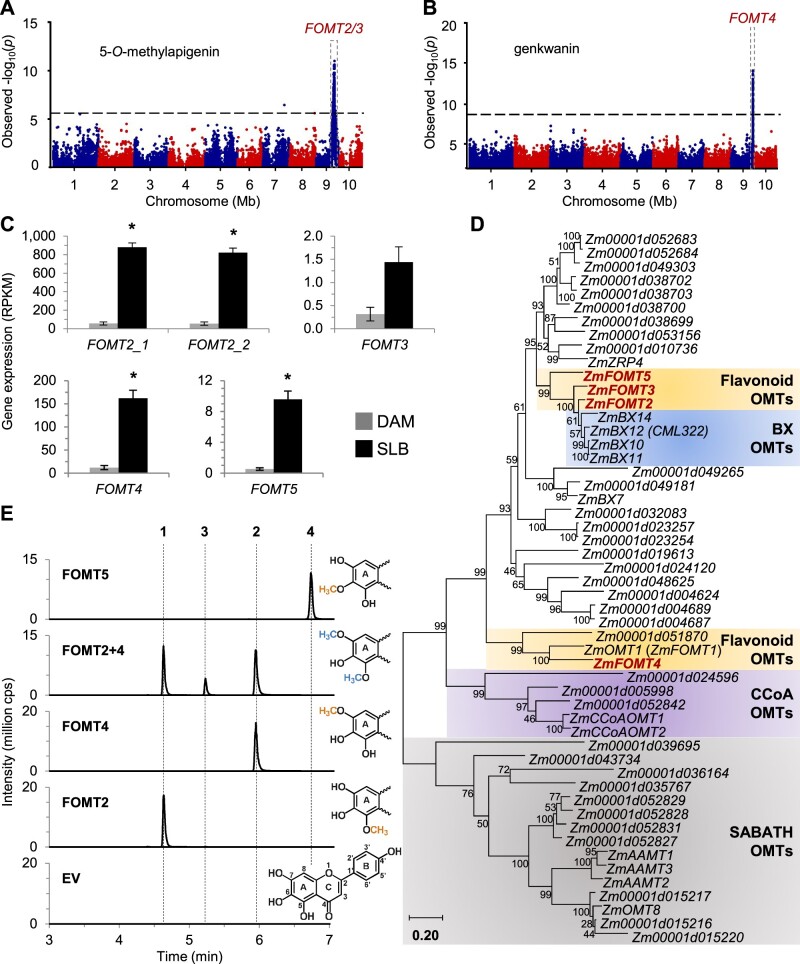
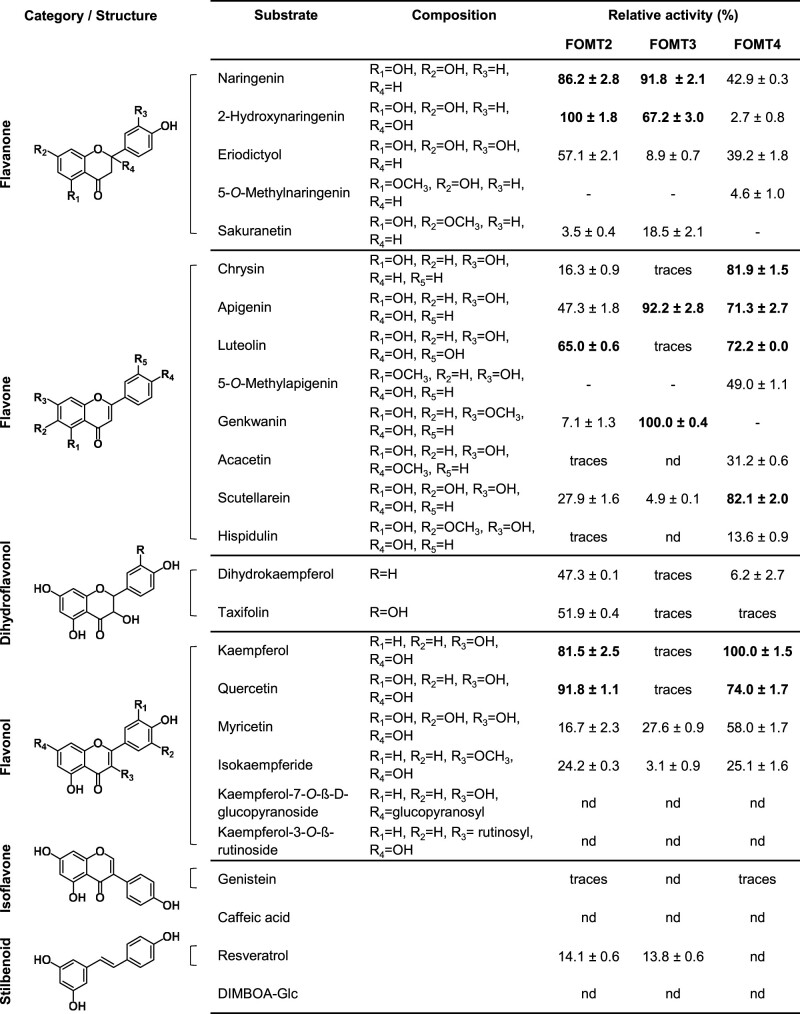
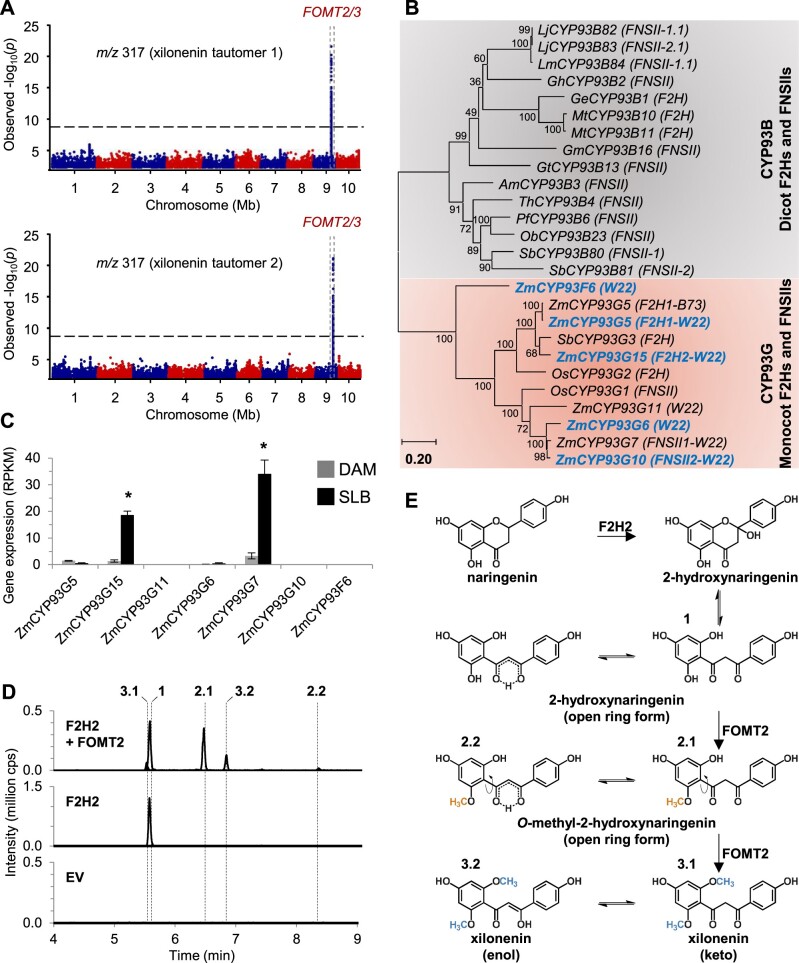
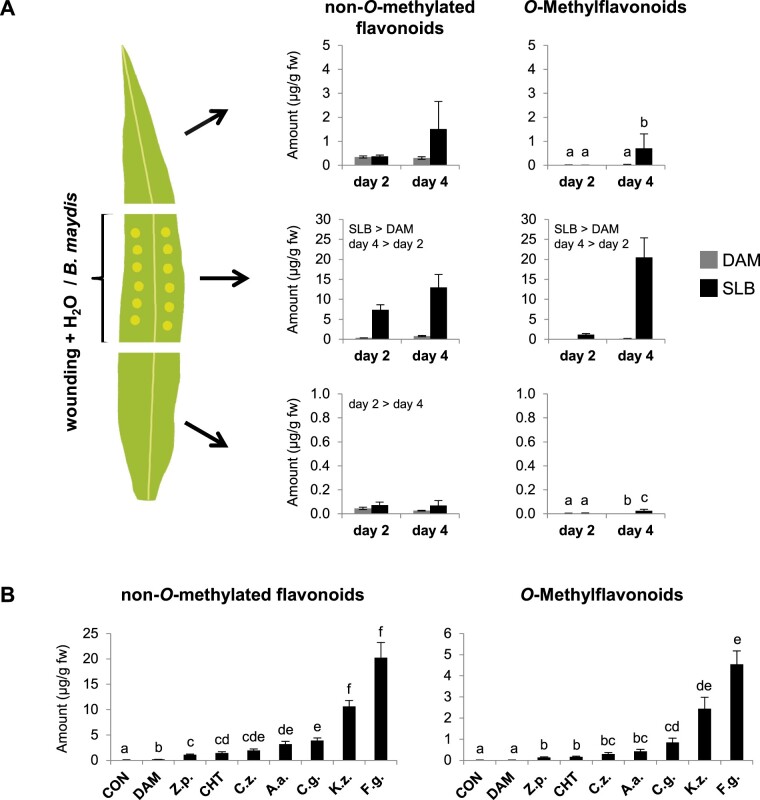
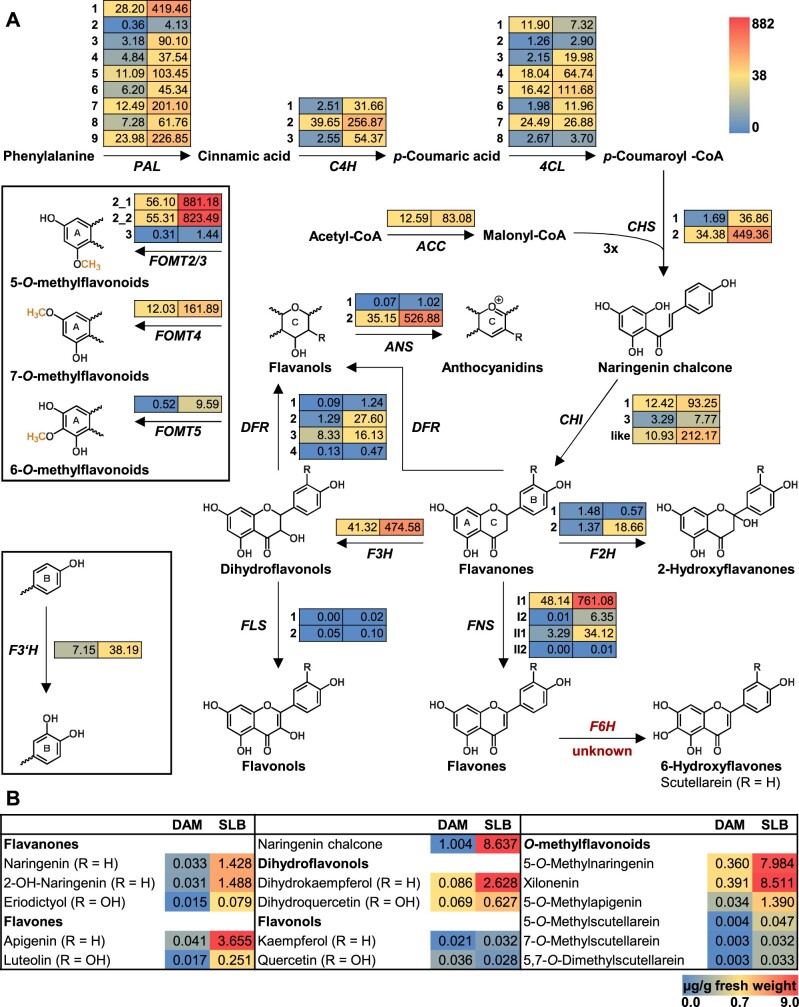
Fungal infection of grasses, including rice (Oryza sativa), sorghum (Sorghum bicolor), and barley (Hordeum vulgare), induces the formation and accumulation of flavonoid phytoalexins. In maize (Zea mays), however, investigators have emphasized benzoxazinoid and terpenoid phytoalexins, and comparatively little is known about flavonoid induction in response to pathogens. Here, we examined fungus-elicited flavonoid metabolism in maize and identified key biosynthetic enzymes involved in the formation of O-methylflavonoids. The predominant end products were identified as two tautomers of a 2-hydroxynaringenin-derived compound termed xilonenin, which significantly inhibited the growth of two maize pathogens, Fusarium graminearum and Fusarium verticillioides. Among the biosynthetic enzymes identified were two O-methyltransferases (OMTs), flavonoid OMT 2 (FOMT2), and FOMT4, which demonstrated distinct regiospecificity on a broad spectrum of flavonoid classes. In addition, a cytochrome P450 monooxygenase (CYP) in the CYP93G subfamily was found to serve as a flavanone 2-hydroxylase providing the substrate for FOMT2-catalyzed formation of xilonenin. In summary, maize produces a diverse blend of O-methylflavonoids with antifungal activity upon attack by a broad range of fungi.
禾草真菌感染,包括水稻(Oryza sativa)、高粱(Sorghum bicolor)和大麦(Hordeum vulgare),会诱导类黄酮植物抗毒素的形成和积累。然而,在玉米(Zea mays)中,研究人员强调了苯并恶嗪类和萜烯类植物抗毒素,而对于病原体诱导的类黄酮反应知之甚少。在这里,我们研究了玉米中真菌诱导的类黄酮代谢,并鉴定了参与形成 O-甲基类黄酮的关键生物合成酶。主要的终产物被鉴定为两种 2-羟基柚皮素衍生化合物的互变异构体,称为西隆宁,它显著抑制了两种玉米病原体,禾谷镰刀菌和串珠镰刀菌的生长。鉴定出的生物合成酶包括两种 O-甲基转移酶(OMTs),黄酮类 OMT2(FOMT2)和 FOMT4,它们对广泛的类黄酮类具有明显的区域特异性。此外,CYP93G 亚家族中的细胞色素 P450 单加氧酶(CYP)被发现作为黄烷酮 2-羟化酶,为 FOMT2 催化形成西隆宁提供底物。总之,玉米在受到广泛真菌攻击时会产生具有抗真菌活性的多种 O-甲基类黄酮混合物。