Oliveira A Sofia F, Ciccotti Giovanni, Haider Shozeb, Mulholland Adrian J
School of Chemistry, Centre for Computational Chemistry, University of Bristol, Bristol, BS8 1TS UK.
BrisSynBio, Life Sciences Building, Tyndall Avenue, Bristol, BS8 1TQ UK.
Eur Phys J B. 2021;94(7):144. doi: 10.1140/epjb/s10051-021-00157-0. Epub 2021 Jul 20.
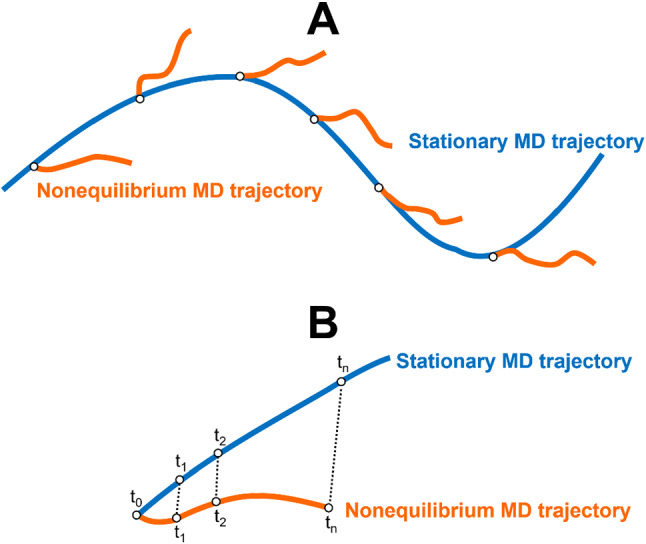
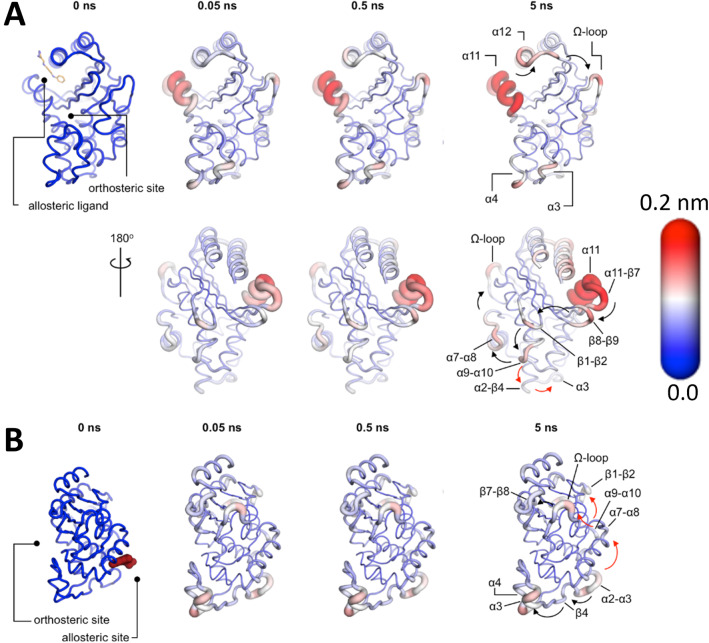
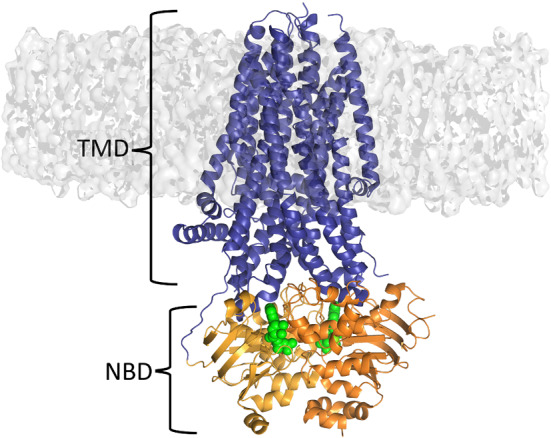
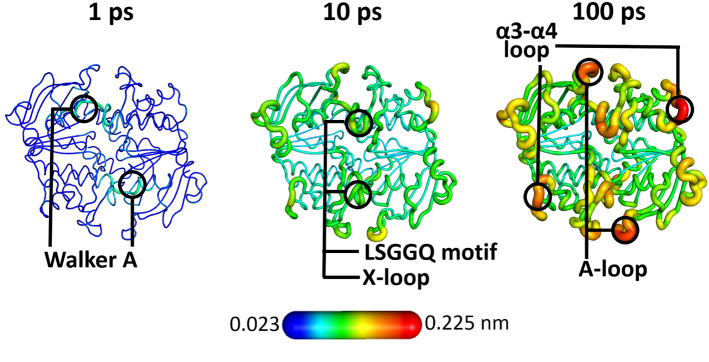
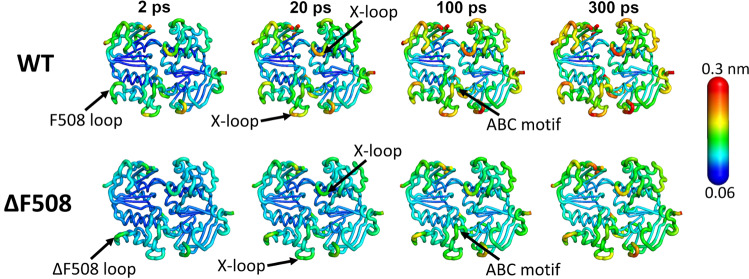
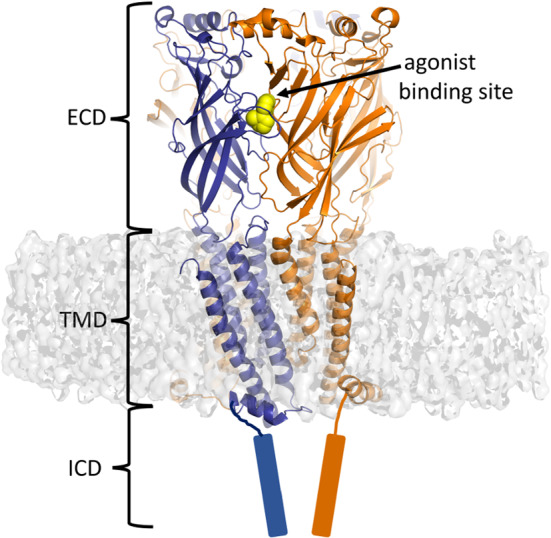
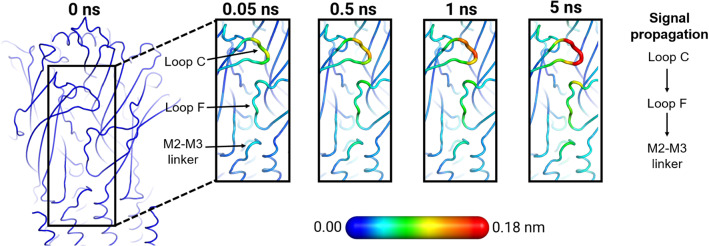
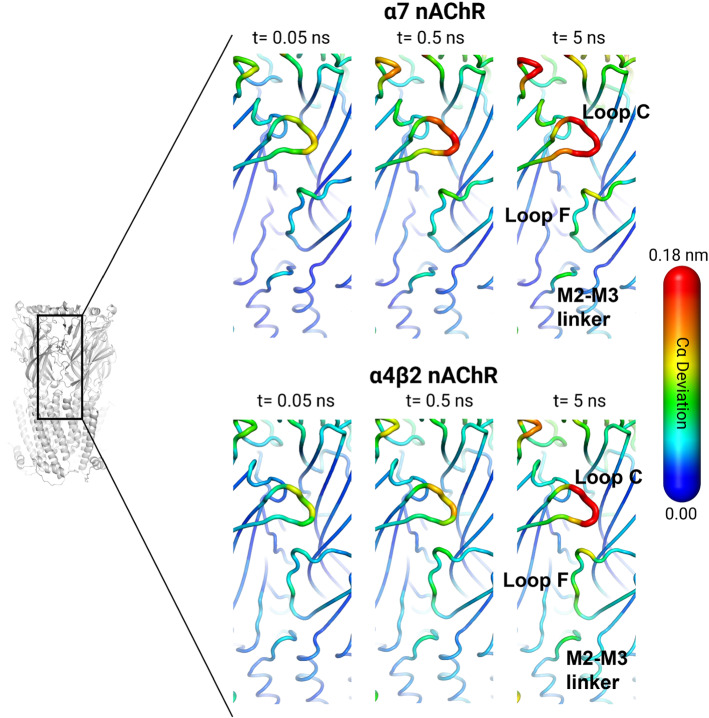
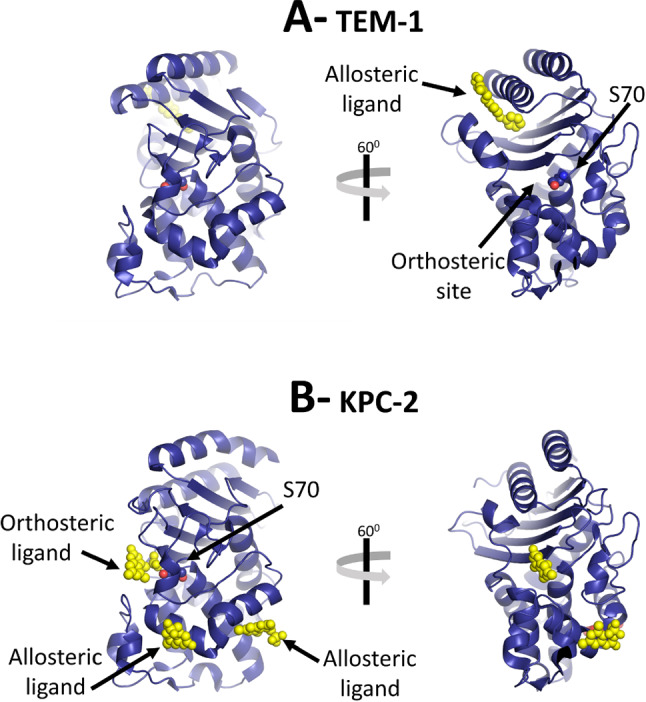
A dynamical approach to nonequilibrium molecular dynamics (D-NEMD), proposed in the 1970s by Ciccotti et al., is undergoing a renaissance and is having increasing impact in the study of biological macromolecules. This D-NEMD approach, combining MD simulations in stationary (in particular, equilibrium) and nonequilibrium conditions, allows for the determination of the time-dependent structural response of a system using the Kubo-Onsager relation. Besides providing a detailed picture of the system's dynamic structural response to an external perturbation, this approach also has the advantage that the statistical significance of the response can be assessed. The D-NEMD approach has been used recently to identify a general mechanism of inter-domain signal propagation in nicotinic acetylcholine receptors, and allosteric effects in -lactamase enzymes, for example. It complements equilibrium MD and is a very promising approach to identifying and analysing allosteric effects. Here, we review the D-NEMD approach and its application to biomolecular systems, including transporters, receptors, and enzymes.
20世纪70年代由西科蒂等人提出的非平衡分子动力学的动力学方法(D-NEMD)正在复兴,并在生物大分子研究中产生越来越大的影响。这种D-NEMD方法将静态(特别是平衡态)和非平衡条件下的分子动力学模拟相结合,能够利用久保-昂萨格关系确定系统随时间变化的结构响应。除了提供系统对外部扰动的动态结构响应的详细图景外,该方法的优点还在于可以评估响应的统计显著性。例如,D-NEMD方法最近已被用于确定烟碱型乙酰胆碱受体中域间信号传播的一般机制以及β-内酰胺酶中的变构效应。它补充了平衡态分子动力学,是识别和分析变构效应的一种非常有前景的方法。在此,我们综述了D-NEMD方法及其在生物分子系统中的应用,包括转运蛋白、受体和酶。