Chen Xin-Peng, Wang Le-Jun, Chang Xiao-Qian, Wang Kuan, Wang Hui-Fang, Ni Ming, Niu Wen-Xin, Zhang Ming
Shanghai YangZhi Rehabilitation Hospital (Shanghai Sunshine Rehabilitation Center), School of Medicine, Tongji University, Shanghai, China.
Laboratory of Biomechanics and Rehabilitation Engineering, School of Medicine, Tongji University, Shanghai, China.
Front Neurol. 2021 Oct 13;12:746599. doi: 10.3389/fneur.2021.746599. eCollection 2021.
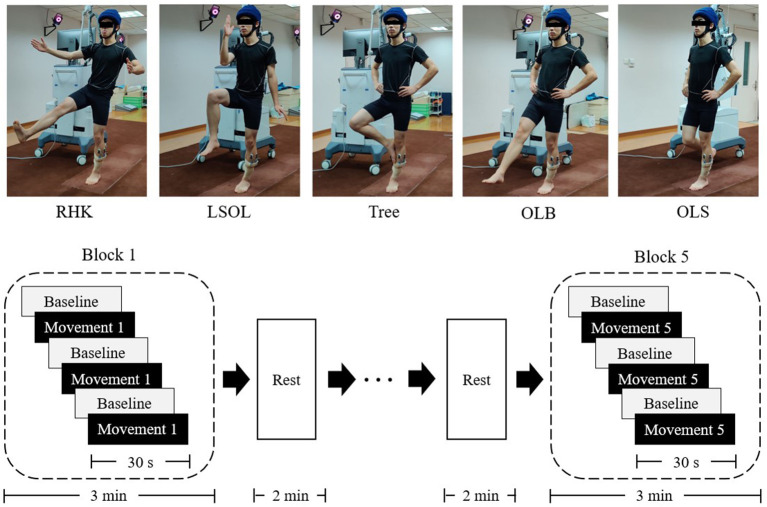
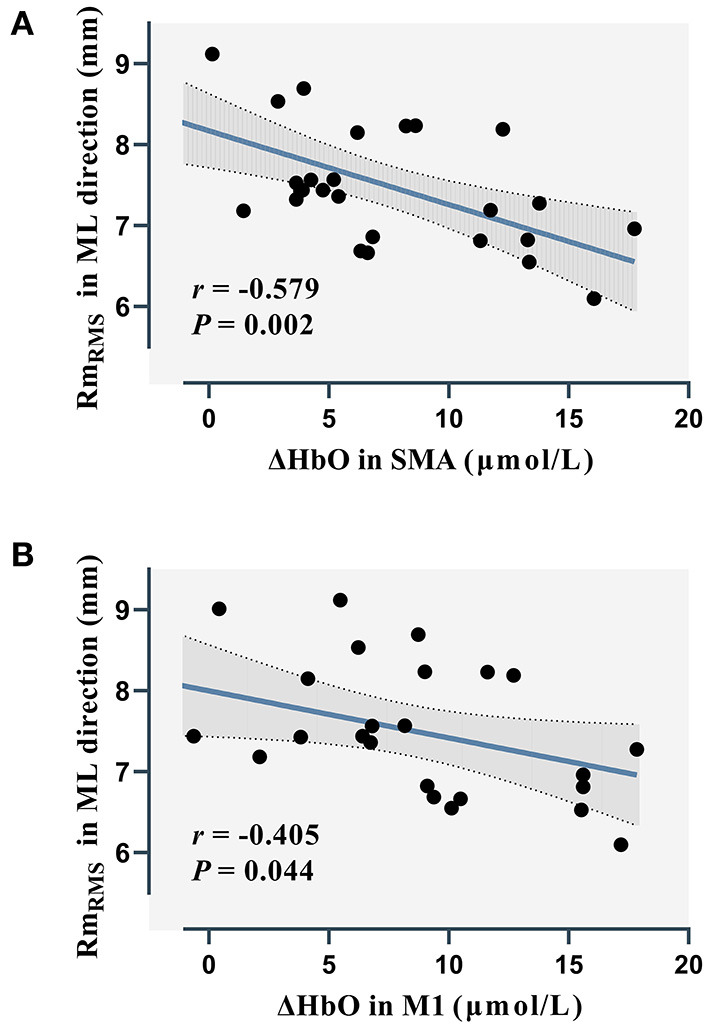
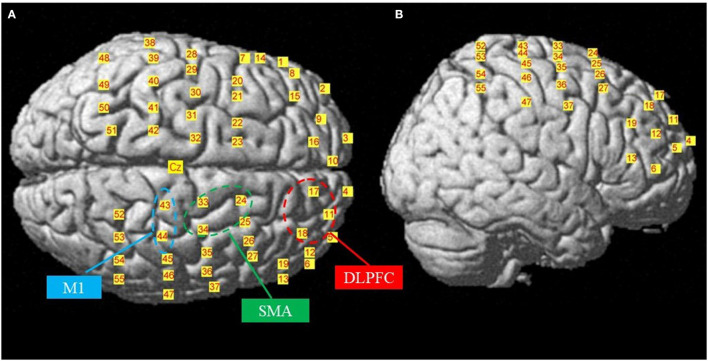
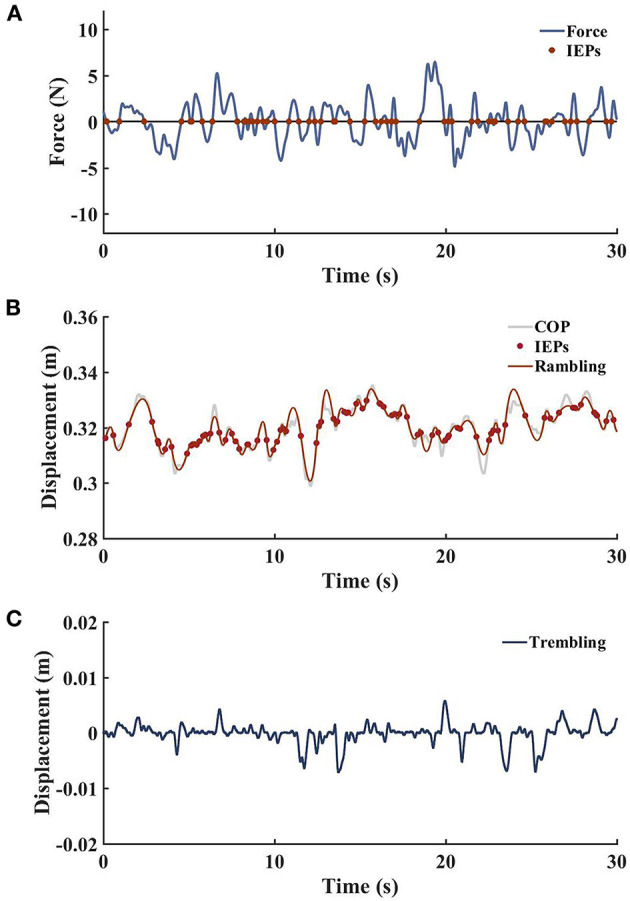
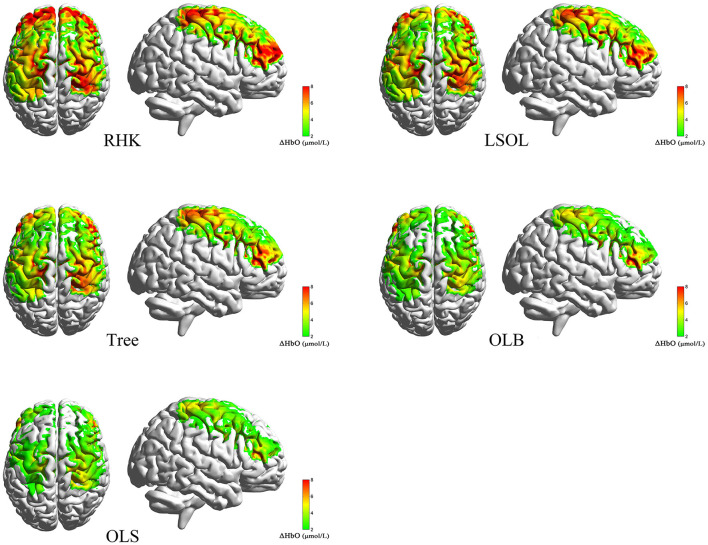
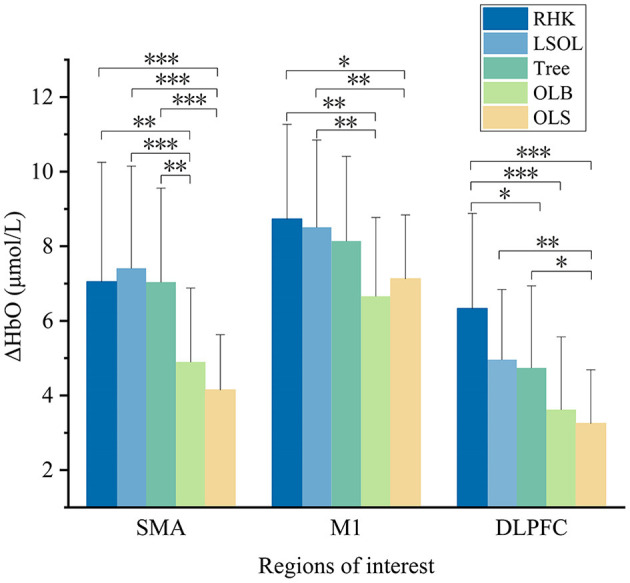
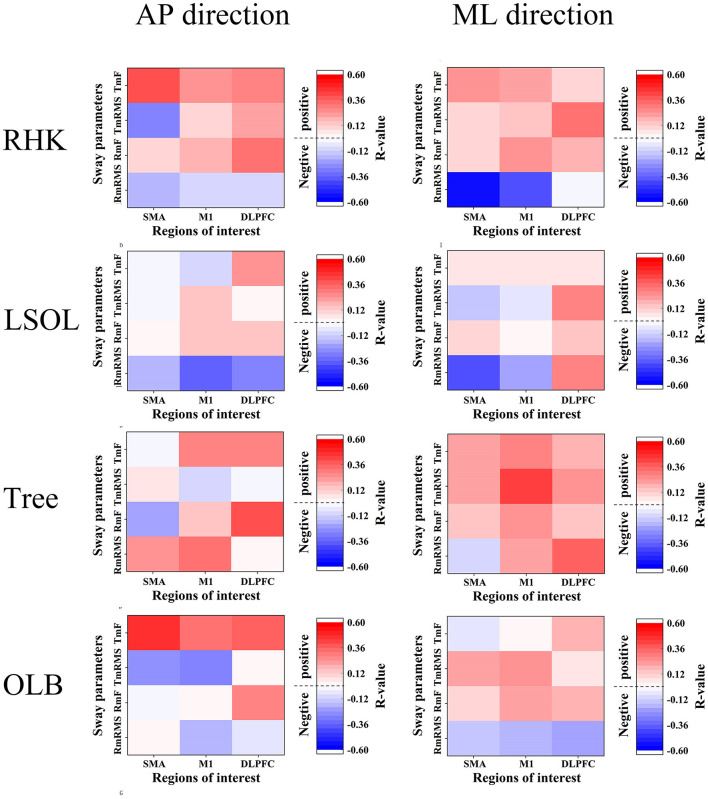
The one-leg stance is frequently used in balance training and rehabilitation programs for various balance disorders. There are some typical one-leg stance postures in Tai Chi (TC) and yoga, which are normally used for improving balance. However, the mechanism is poorly understood. Besides, the differences of one-leg stance postures between TC and yoga in training balance are still unknown. Therefore, the aim of the present study was to investigate cortical activation and rambling and trembling trajectories to elucidate the possible mechanism of improving one-leg stance balance, and compare the postural demands during one-leg stance postures between TC and yoga. Thirty-two healthy young individuals were recruited to perform two TC one-leg stance postures, i.e., right heel kick (RHK) and left lower body and stand on one leg (LSOL), two yoga postures, i.e., one-leg balance and Tree, and normal one-leg standing (OLS). Brain activation in the primary motor cortex, supplementary motor area (SMA), and dorsolateral prefrontal cortex (DLPFC) was measured using functional near-infrared spectroscopy. The center of pressure was simultaneously recorded using a force platform and decomposed into rambling and trembling components. One-way repeated-measures analysis of variance was used for the main effects. The relative concentration changes of oxygenated hemoglobin (ΔHbO) in SMA were significantly higher during RHK, LSOL, and Tree than that during OLS ( < 0.001). RHK ( < 0.001), LSOL ( = 0.003), and Tree ( = 0.006) all showed significantly larger root mean square rambling (RmRMS) than that during OLS in the medial-lateral direction. The right DLPFC activation was significantly greater during the RHK than that during the Tree ( = 0.023), OLB ( < 0.001), and OLS ( = 0.013) postures. In conclusion, the RHK, LSOL, and Tree could be used as training movements for people with impaired balance. Furthermore, the RHK in TC may provide more cognitive training in postural control than Tree and OLB in yoga. Knowledge from this study could be used and implemented in training one-leg stance balance.
单腿站立常用于各种平衡障碍的平衡训练和康复项目中。太极拳(TC)和瑜伽中有一些典型的单腿站立姿势,通常用于改善平衡。然而,其机制尚不清楚。此外,TC和瑜伽在训练平衡方面单腿站立姿势的差异仍然未知。因此,本研究的目的是调查皮质激活以及漫步和颤抖轨迹,以阐明改善单腿站立平衡的可能机制,并比较TC和瑜伽在单腿站立姿势期间的姿势需求。招募了32名健康的年轻个体来执行两种TC单腿站立姿势,即右足跟踢(RHK)和左下肢单腿站立(LSOL),两种瑜伽姿势,即单腿平衡和树式,以及正常单腿站立(OLS)。使用功能近红外光谱测量初级运动皮层、辅助运动区(SMA)和背外侧前额叶皮层(DLPFC)的脑激活。使用力平台同时记录压力中心,并将其分解为漫步和颤抖成分。采用单向重复测量方差分析来分析主要效应。在RHK、LSOL和树式期间,SMA中氧合血红蛋白(ΔHbO)的相对浓度变化显著高于OLS期间(<0.001)。在内外侧方向上,RHK(<0.001)、LSOL(=0.003)和树式(=0.006)的均方根漫步(RmRMS)均显著大于OLS期间。在RHK期间,右侧DLPFC的激活显著大于树式(=0.023)、OLB(<0.001)和OLS(=0.013)姿势期间。总之,RHK、LSOL和树式可作为平衡受损人群的训练动作。此外,TC中的RHK在姿势控制方面可能比瑜伽中的树式和OLB提供更多的认知训练。本研究的知识可用于并应用于单腿站立平衡训练。