Santini Ario, Man Adrian, Voidăzan Septimiu
George Emil Palade University of Medicine, Pharmacy, Science, and Technology of Targu Mures, Targu Mures Romania.
Hon. Fellow, The University of Edinburgh Targu Mures, Romania.
J Crit Care Med (Targu Mures). 2021 Aug 5;7(3):241-248. doi: 10.2478/jccm-2021-0022. eCollection 2021 Jul.
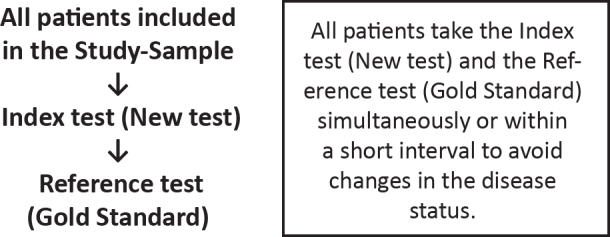
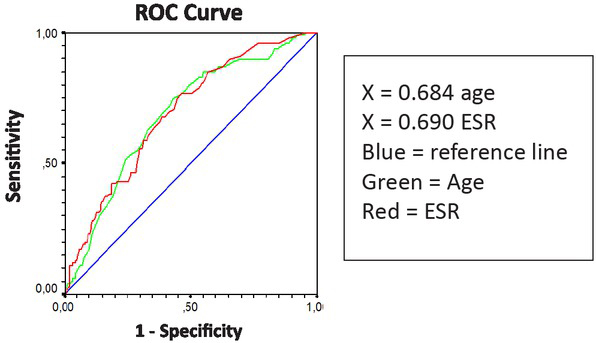
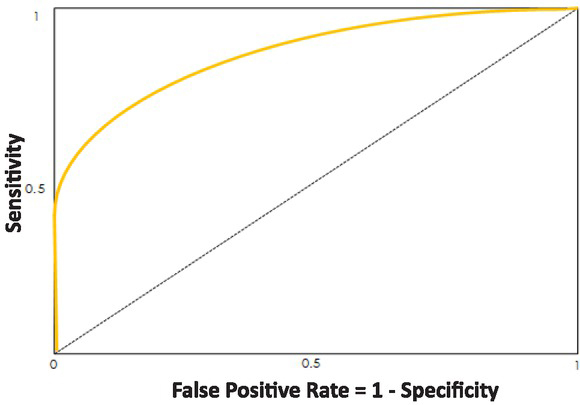
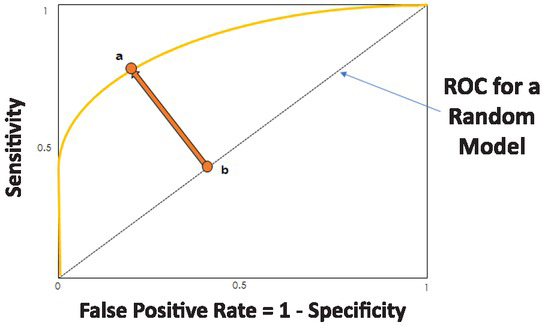
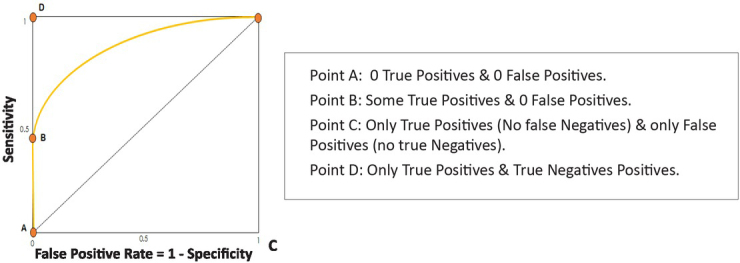
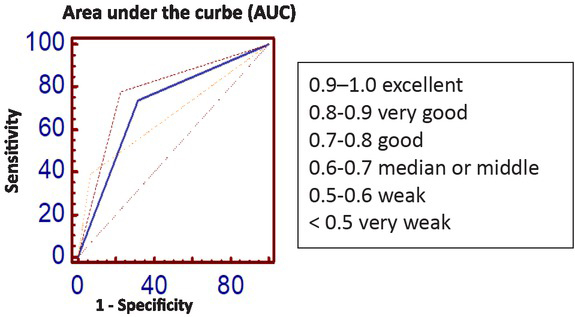
Following the outbreak of the coronavirus disease 2019 (COVID-19) pandemic, design, development, validation, verification and implementation of diagnostic tests were actively addressed by a large number of diagnostic test manufacturers. This paper deals with the biases and sources of variation which influence the accuracy of diagnostic tests, including calculating and interpreting test characteristics, defining what is meant by test accuracy, understanding the basic study design for evaluating test accuracy, understanding the meaning of Sensitivity, Specificity, Positive Predictive Value and Negative Predictive Value, and evaluating them numerically, and the ROC curve (or Receiver Operating Characteristic ) and the Area under the Curve (AUC).
在2019年冠状病毒病(COVID-19)大流行爆发后,众多诊断测试制造商积极应对诊断测试的设计、开发、验证、核查及实施。本文探讨影响诊断测试准确性的偏差和变异来源,包括计算和解释测试特征、定义测试准确性的含义、理解评估测试准确性的基本研究设计、理解灵敏度、特异度、阳性预测值和阴性预测值的含义并进行数值评估,以及ROC曲线(或受试者工作特征曲线)和曲线下面积(AUC)。