Comas-Forgas Rubén, Lancaster Thomas, Calvo-Sastre Aina, Sureda-Negre Jaume
University of the Balearic Islands, Spain.
Imperial College London, UK.
Heliyon. 2021 Oct;7(10):e08233. doi: 10.1016/j.heliyon.2021.e08233. Epub 2021 Oct 23.
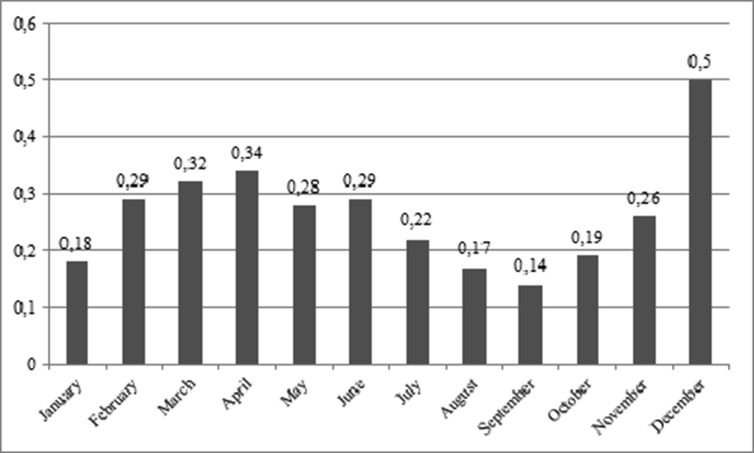
Academic institutions worldwide have had to adapt their methods of teaching and assessment due to COVID-19. In many Spanish universities exams moved online, affording students with opportunities to breach academic integrity that were not previously available to them. This paper uses the emerging research method of search engine data analysis to investigate the extent of requests for exam cheating information in Spain in the time period surrounding adjustments for the pandemic. The Internet data analytics technique is one that the paper proposes should be used more widely as an academic integrity research method. For this study, search engine activity data on exam cheating in Spain was collected and analysed for the five-year period between 2016 and 2020 inclusive. The data suggests that students are searching for information about ways to cheat in exams, including how to create cheat sheets. Most strikingly, the results show a significant increase in requests for information on cheating on online exams during the COVID-19 timeframe and the Spanish lockdown period. Based on the findings, academic institutions in other regions should be wary about the opportunities that their students have to commit exam fraud.
由于新冠疫情,全球学术机构不得不调整其教学和评估方法。在许多西班牙大学,考试转移到了线上,这为学生提供了违反学术诚信的机会,而这些机会他们以前是没有的。本文采用新兴的搜索引擎数据分析研究方法,调查在西班牙围绕疫情调整期间,对考试作弊信息的请求程度。互联网数据分析技术是本文建议应更广泛用作学术诚信研究方法的一种技术。在本研究中,收集并分析了2016年至2020年(含)这五年间西班牙关于考试作弊的搜索引擎活动数据。数据表明,学生们在搜索有关考试作弊方法的信息,包括如何制作作弊小抄。最引人注目的是,结果显示在新冠疫情期间和西班牙封锁期间,对在线考试作弊信息的请求显著增加。基于这些发现,其他地区的学术机构应该警惕其学生进行考试欺诈的机会。