Division of Pulmonary, Allergy, and Critical Care Medicine, Department of Medicine, University of Alabama at Birmingham, Birmingham, Alabama, USA; email:
Birmingham VA Medical Center, Birmingham, Alabama, USA.
Annu Rev Physiol. 2022 Feb 10;84:631-654. doi: 10.1146/annurev-physiol-061121-035838. Epub 2021 Nov 1.
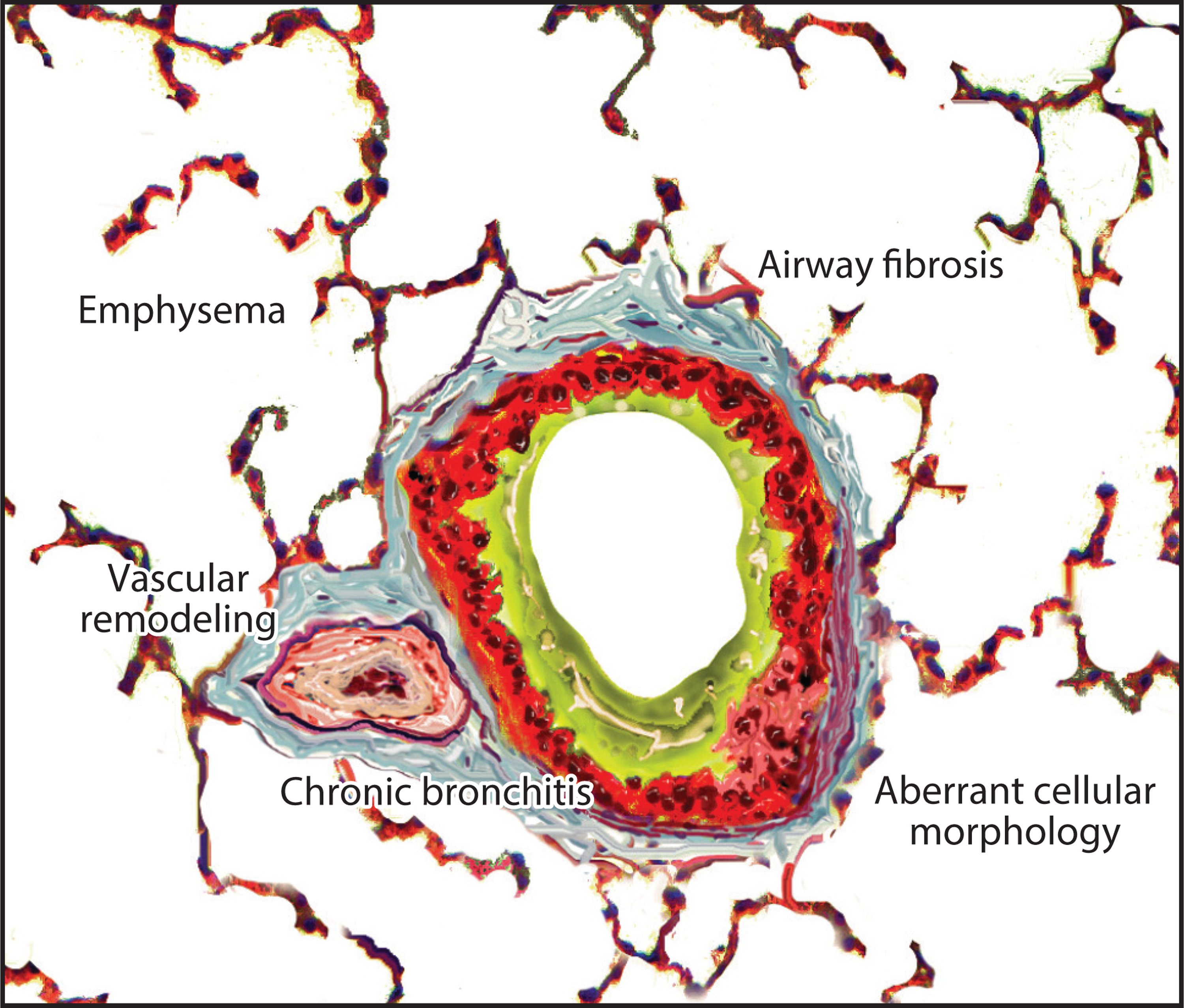
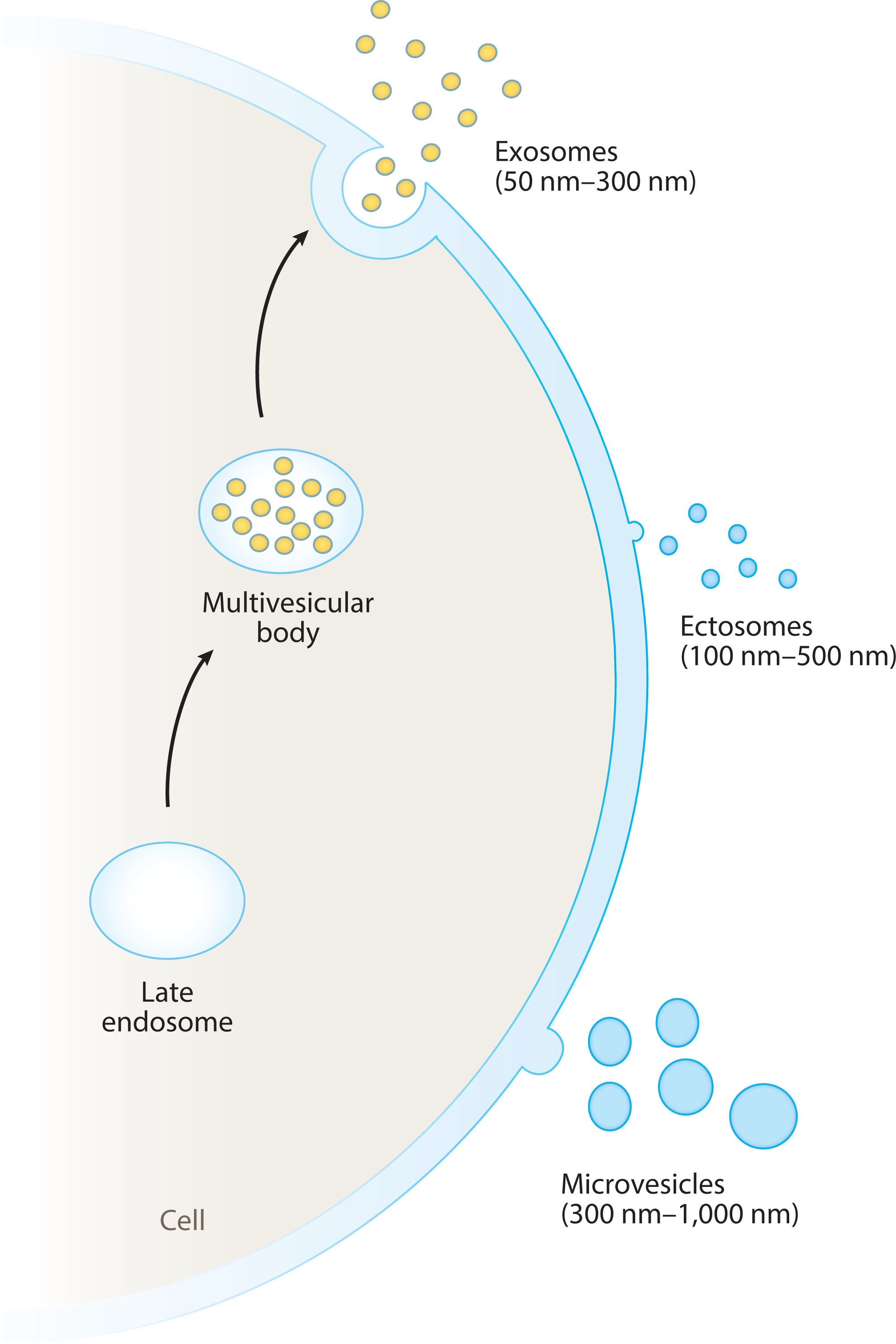
Chronic obstructive pulmonary disease (COPD) is a complex, heterogeneous, smoking-related disease of significant global impact. The complex biology of COPD is ultimately driven by a few interrelated processes, including proteolytic tissue remodeling, innate immune inflammation, derangements of the host-pathogen response, aberrant cellular phenotype switching, and cellular senescence, among others. Each of these processes are engendered and perpetuated by cells modulating their environment or each other. Extracellular vesicles (EVs) are powerful effectors that allow cells to perform a diverse array of functions on both adjacent and distant tissues, and their pleiotropic nature is only beginning to be appreciated. As such, EVs are candidates to play major roles in these fundamental mechanisms of disease behind COPD. Furthermore, some such roles for EVs are already established, and EVs are implicated in significant aspects of COPD pathogenesis. Here, we discuss known and potential ways that EVs modulate the environment of their originating cells to contribute to the processes that underlie COPD.
慢性阻塞性肺疾病(COPD)是一种复杂的、异质性的、与吸烟有关的疾病,具有重大的全球影响。COPD 的复杂生物学最终是由一些相互关联的过程驱动的,包括蛋白水解组织重塑、先天免疫炎症、宿主-病原体反应失调、细胞表型异常转换和细胞衰老等。这些过程中的每一个都被细胞调节其环境或相互调节所引发和维持。细胞外囊泡(EVs)是一种强大的效应器,使细胞能够在相邻和远处的组织上执行多种功能,其多效性性质才刚刚开始被认识。因此,EVs 有可能在 COPD 背后的这些基本疾病机制中发挥主要作用。此外,EVs 在某些这样的作用已经确立,并且 EVs 与 COPD 发病机制的重要方面有关。在这里,我们讨论了已知和潜在的 EVs 调节其起源细胞环境的方式,以促进 COPD 潜在的发病机制。