Department of Physiology, Semmelweis University, Budapest, Hungary.
Research Laboratory of the 3rd Department of Internal Medicine, Semmelweis University, Budapest, Hungary.
J Leukoc Biol. 2021 Apr;109(4):793-806. doi: 10.1002/JLB.3A0320-210R. Epub 2020 Sep 18.
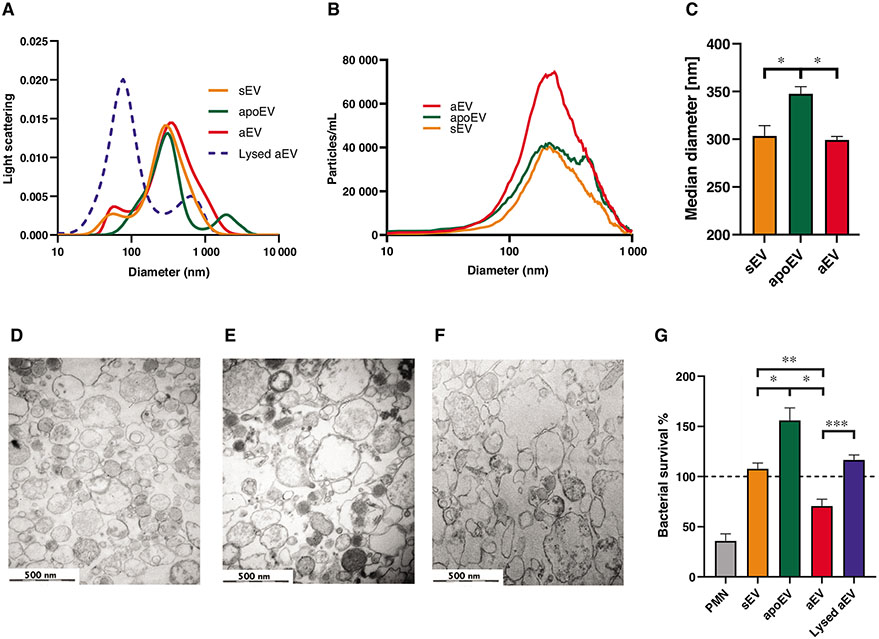
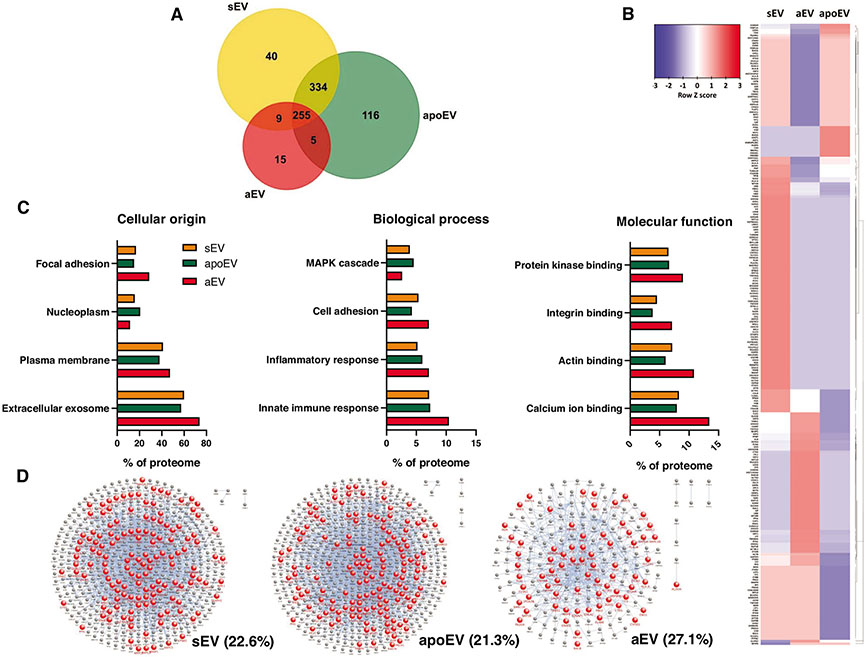
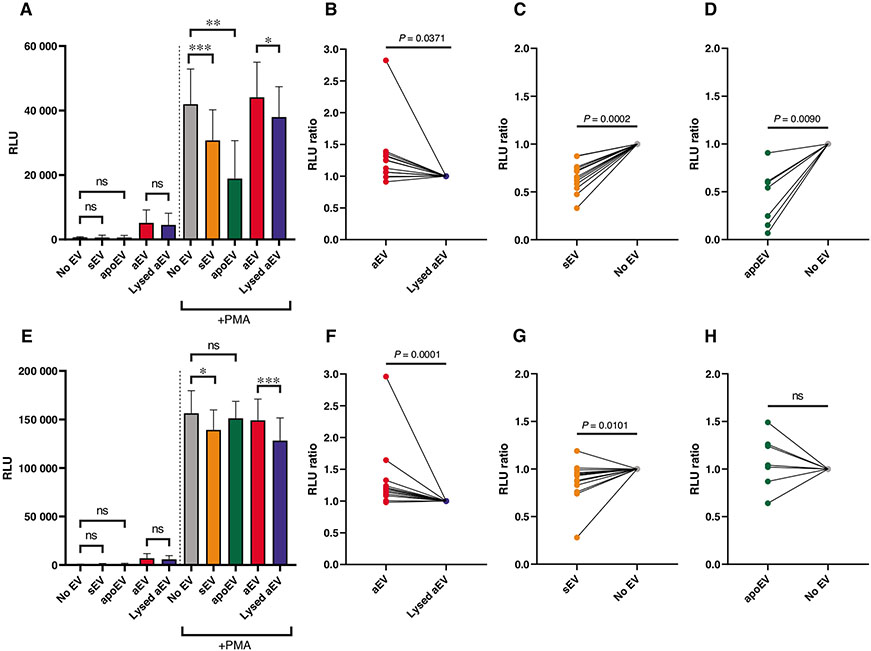
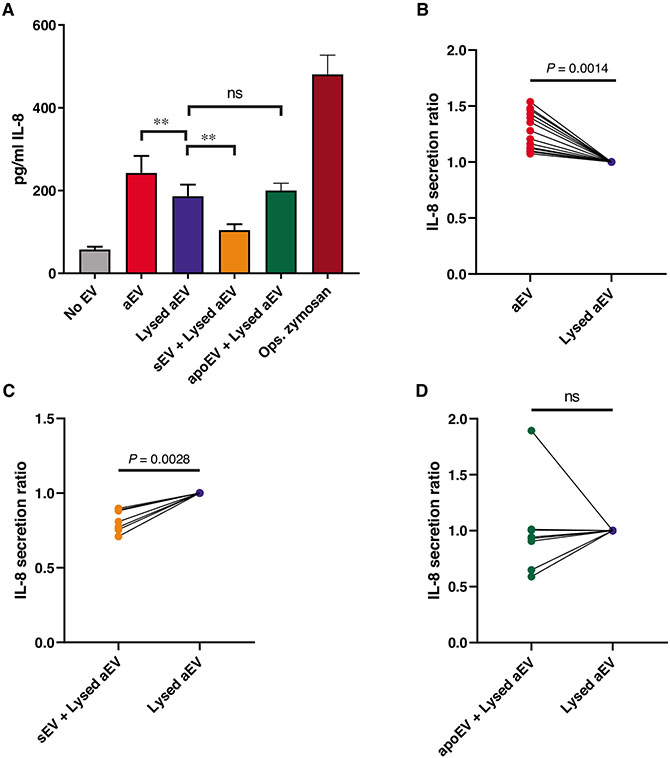
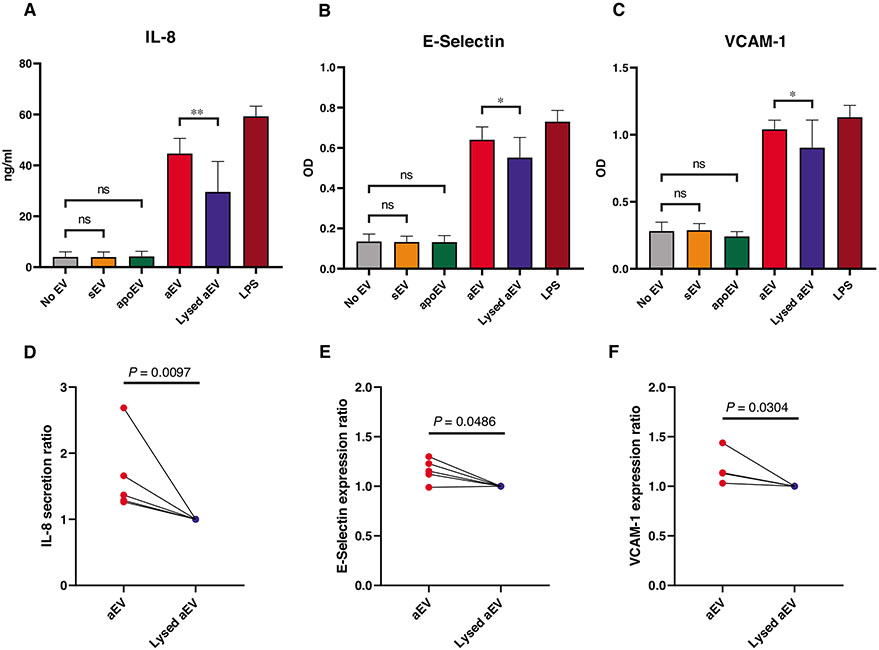
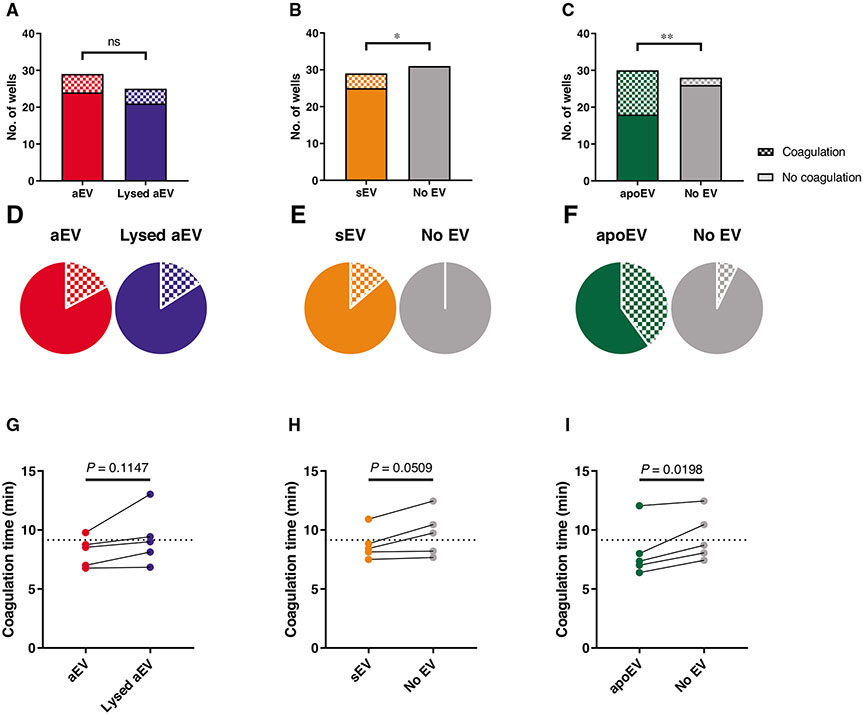
Extracellular vesicles (EVs) are important elements of intercellular communication. A plethora of different, occasionally even opposite, physiologic and pathologic effects have been attributed to these vesicles in the last decade. A direct comparison of individual observations is however hampered by the significant differences in the way of elicitation, collection, handling, and storage of the investigated vesicles. In the current work, we carried out a careful comparative study on 3, previously characterized types of EVs produced by neutrophilic granulocytes. We investigated in parallel the modulation of multiple blood-related cells and functions by medium-sized vesicles. We show that EVs released from resting neutrophils exert anti-inflammatory action by reducing production of reactive oxygen species (ROS) and cytokine release from neutrophils. In contrast, vesicles generated upon encounter of neutrophils with opsonized particles rather promote proinflammatory processes as they increase production of ROS and cytokine secretion from neutrophils and activate endothelial cells. EVs released from apoptosing cells were mainly active in promoting coagulation. We thus propose that EVs are "custom made," acquiring selective capacities depending on environmental factors prevailing at the time of their biogenesis.
细胞外囊泡 (EVs) 是细胞间通讯的重要组成部分。在过去的十年中,这些囊泡被赋予了大量不同的、甚至相反的生理和病理作用。然而,由于对所研究的囊泡的激发、收集、处理和储存方式存在显著差异,因此对个别观察结果进行直接比较受到了阻碍。在当前的工作中,我们对中性粒细胞产生的 3 种已被表征的 EV 类型进行了仔细的比较研究。我们同时平行研究了中大小囊泡对多种血液相关细胞和功能的调节作用。我们表明,来自静止中性粒细胞的 EV 通过减少活性氧物质 (ROS) 的产生和中性粒细胞释放细胞因子来发挥抗炎作用。相比之下,中性粒细胞与调理颗粒相遇时产生的囊泡反而促进了促炎过程,因为它们增加了中性粒细胞 ROS 的产生和细胞因子的分泌,并激活了内皮细胞。来自凋亡细胞的 EV 主要在促进凝血中起作用。因此,我们提出 EV 是“定制”的,它们会根据生物发生时占主导地位的环境因素获得选择性能力。