Institut Pasteur, Université de Paris, Innovation Lab: Vaccines, Paris, France.
National Center for Genetic Engineering and Biotechnology (BIOTEC), National Science and Technology Development Agency, Virology and Cell Technology Laboratory, Pathumthani, Thailand.
Nat Commun. 2021 Nov 1;12(1):6277. doi: 10.1038/s41467-021-26506-2.
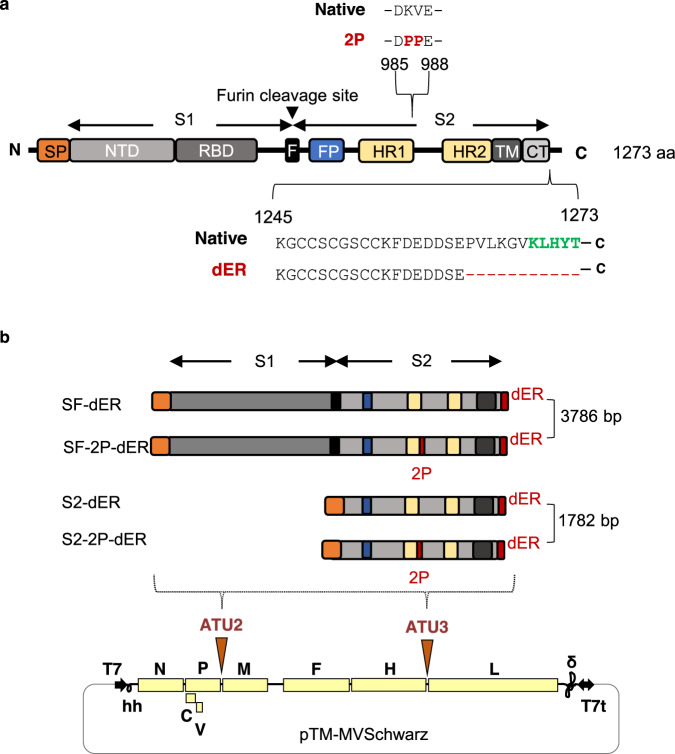
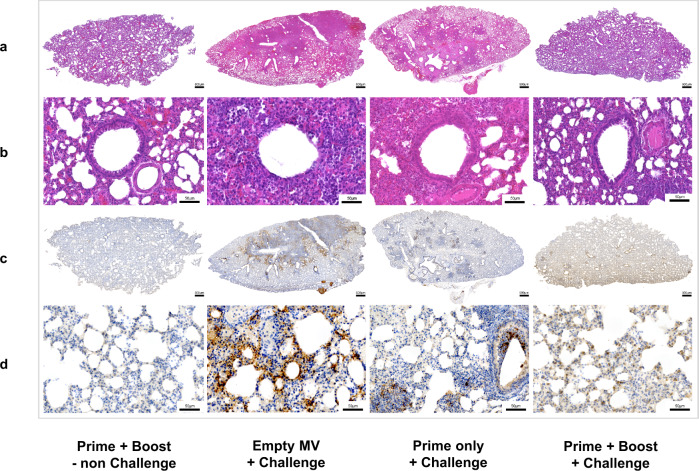
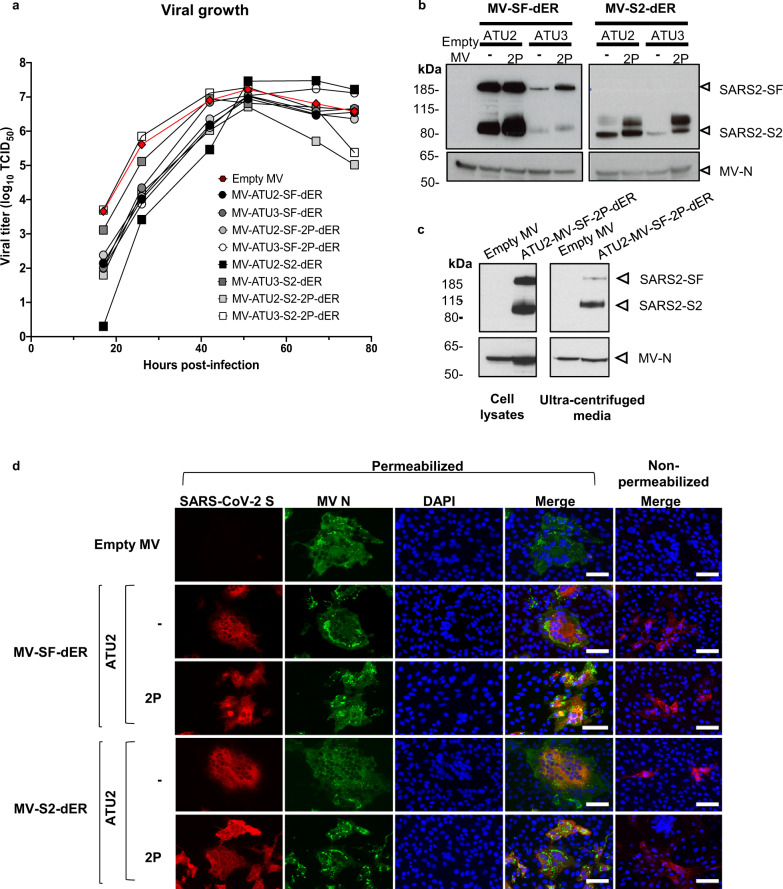
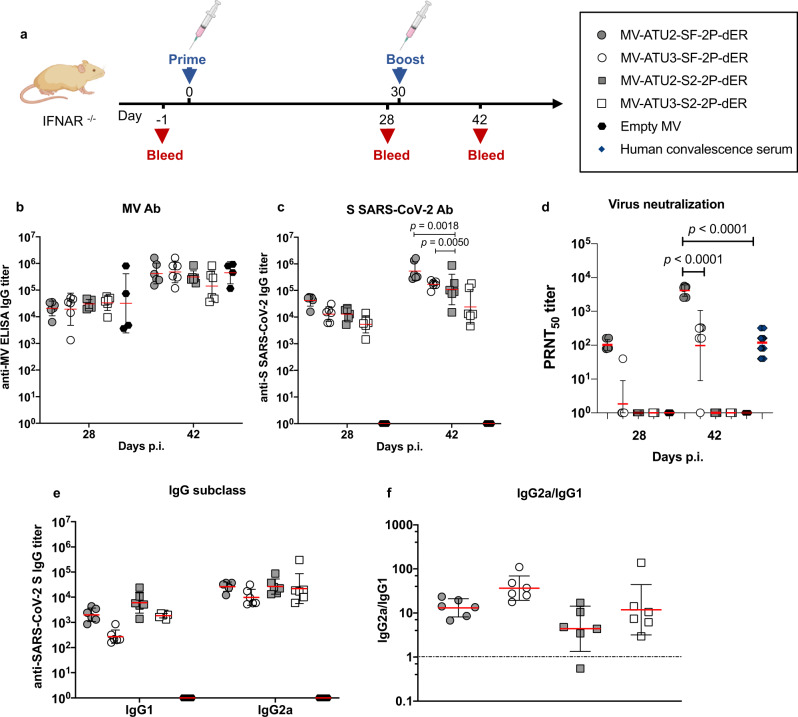
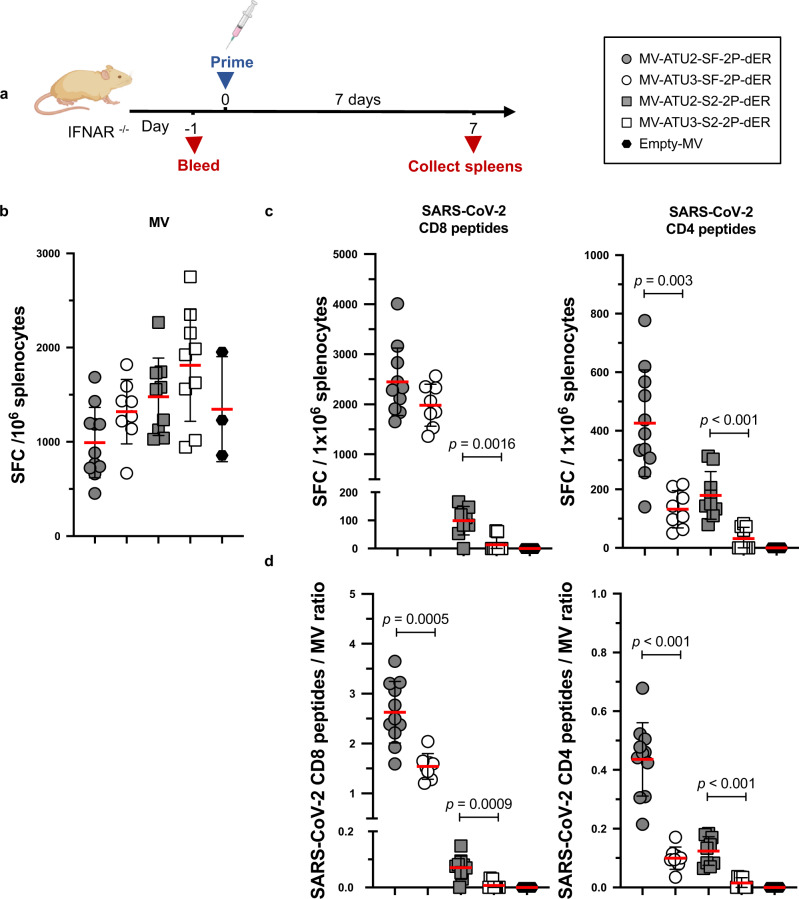
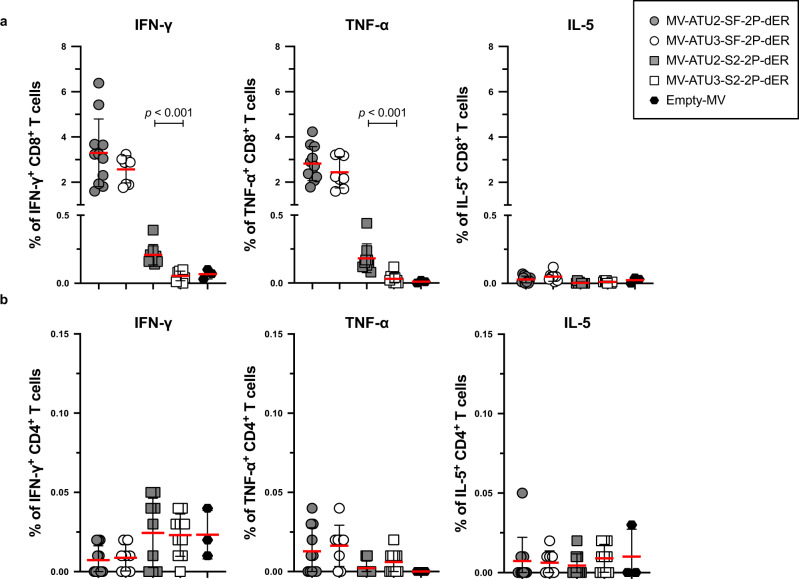
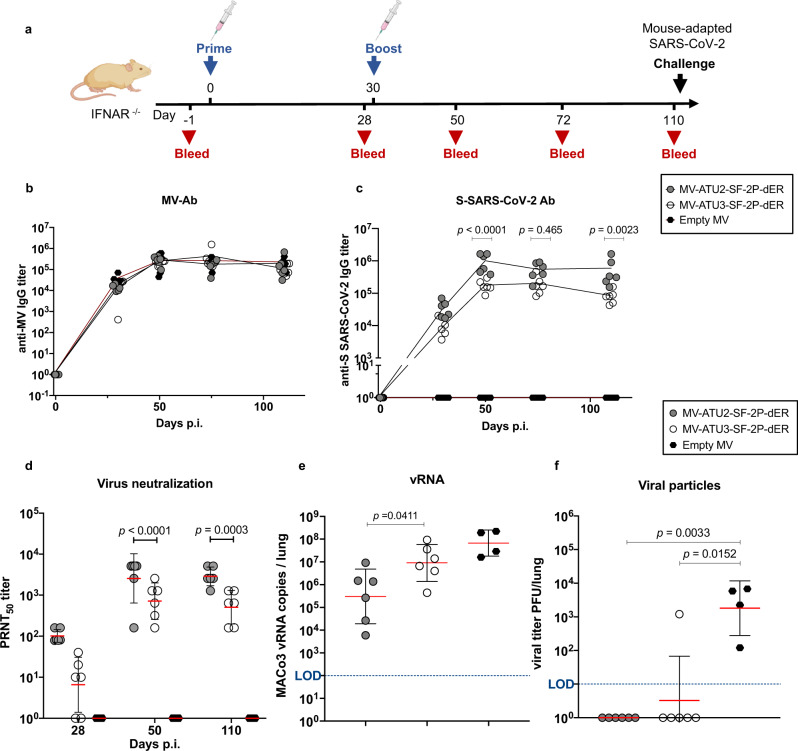
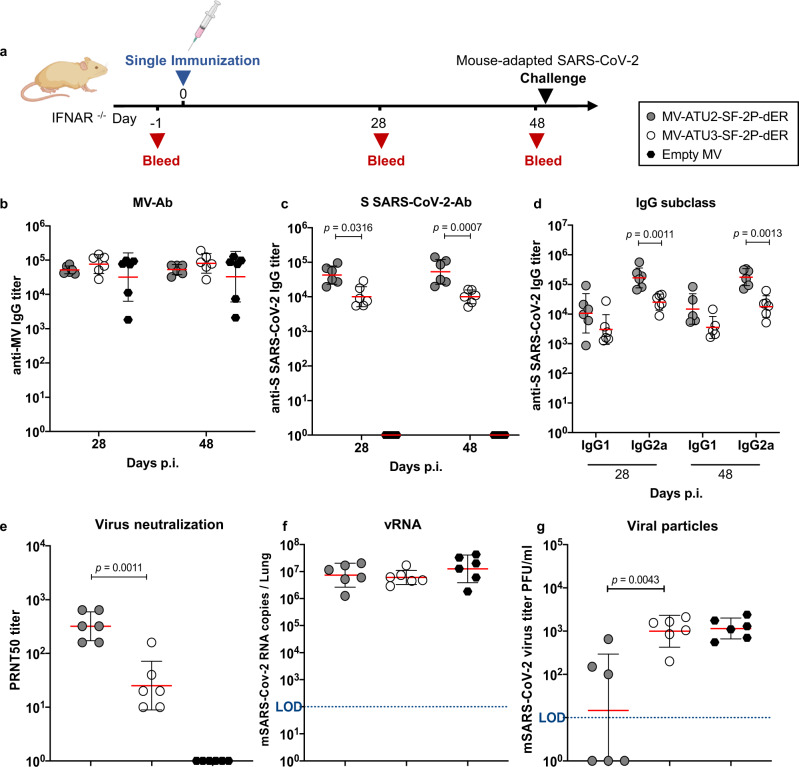
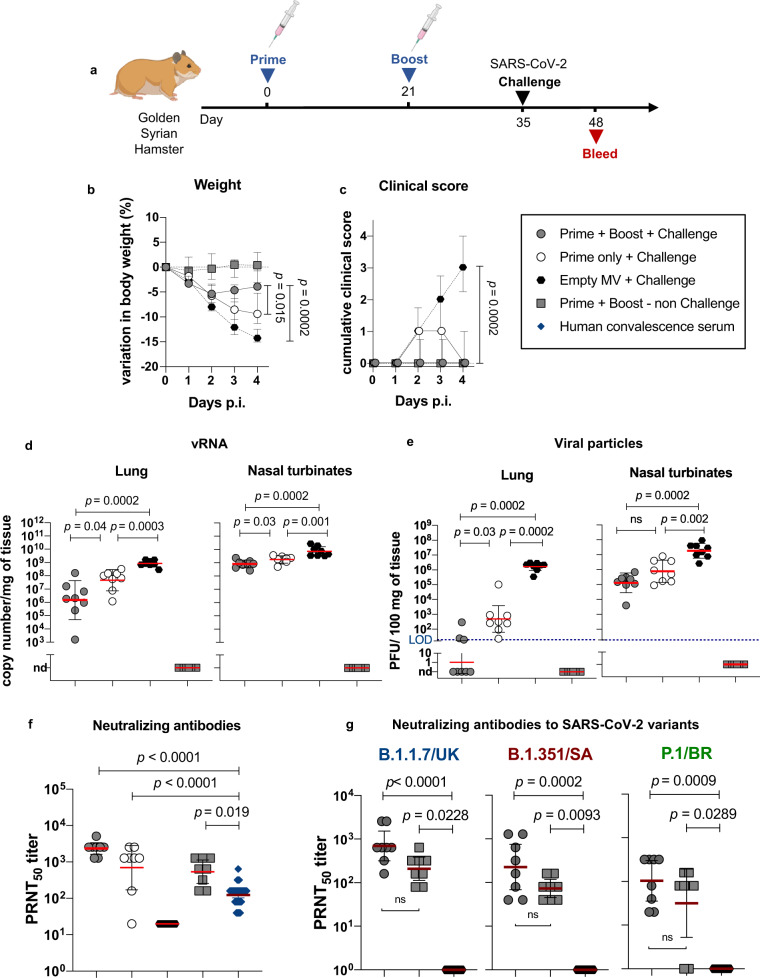
Several COVID-19 vaccines have now been deployed to tackle the SARS-CoV-2 pandemic, most of them based on messenger RNA or adenovirus vectors.The duration of protection afforded by these vaccines is unknown, as well as their capacity to protect from emerging new variants. To provide sufficient coverage for the world population, additional strategies need to be tested. The live pediatric measles vaccine (MV) is an attractive approach, given its extensive safety and efficacy history, along with its established large-scale manufacturing capacity. We develop an MV-based SARS-CoV-2 vaccine expressing the prefusion-stabilized, membrane-anchored full-length S antigen, which proves to be efficient at eliciting strong Th1-dominant T-cell responses and high neutralizing antibody titers. In both mouse and golden Syrian hamster models, these responses protect the animals from intranasal infectious challenge. Additionally, the elicited antibodies efficiently neutralize in vitro the three currently circulating variants of SARS-CoV-2.
目前已经有几种 COVID-19 疫苗被用于应对 SARS-CoV-2 大流行,其中大多数基于信使 RNA 或腺病毒载体。这些疫苗提供的保护持续时间以及它们预防新出现的变异体的能力尚不清楚。为了为世界人口提供足够的覆盖范围,需要测试其他策略。活的小儿麻痹症疫苗(MV)是一种有吸引力的方法,因为它具有广泛的安全性和有效性历史,以及已建立的大规模生产能力。我们开发了一种基于 MV 的 SARS-CoV-2 疫苗,该疫苗表达预融合稳定的、膜锚定的全长 S 抗原,事实证明它能够有效地引起强烈的 Th1 优势 T 细胞反应和高中和抗体滴度。在小鼠和金黄叙利亚仓鼠模型中,这些反应可保护动物免受鼻内感染性挑战。此外,所产生的抗体可有效中和体外三种目前流行的 SARS-CoV-2 变体。