Key Laboratory of Environmental Medicine and Engineering, Ministry of Education; School of Public Health, Southeast University, Nanjing, China.
Toxicology and Molecular Biology Branch, Health Effects Laboratory Division, National Institute for Occupational Safety and Health, Morgantown, West Virginia, USA.
Environ Toxicol. 2022 Feb;37(2):237-244. doi: 10.1002/tox.23393. Epub 2021 Nov 3.
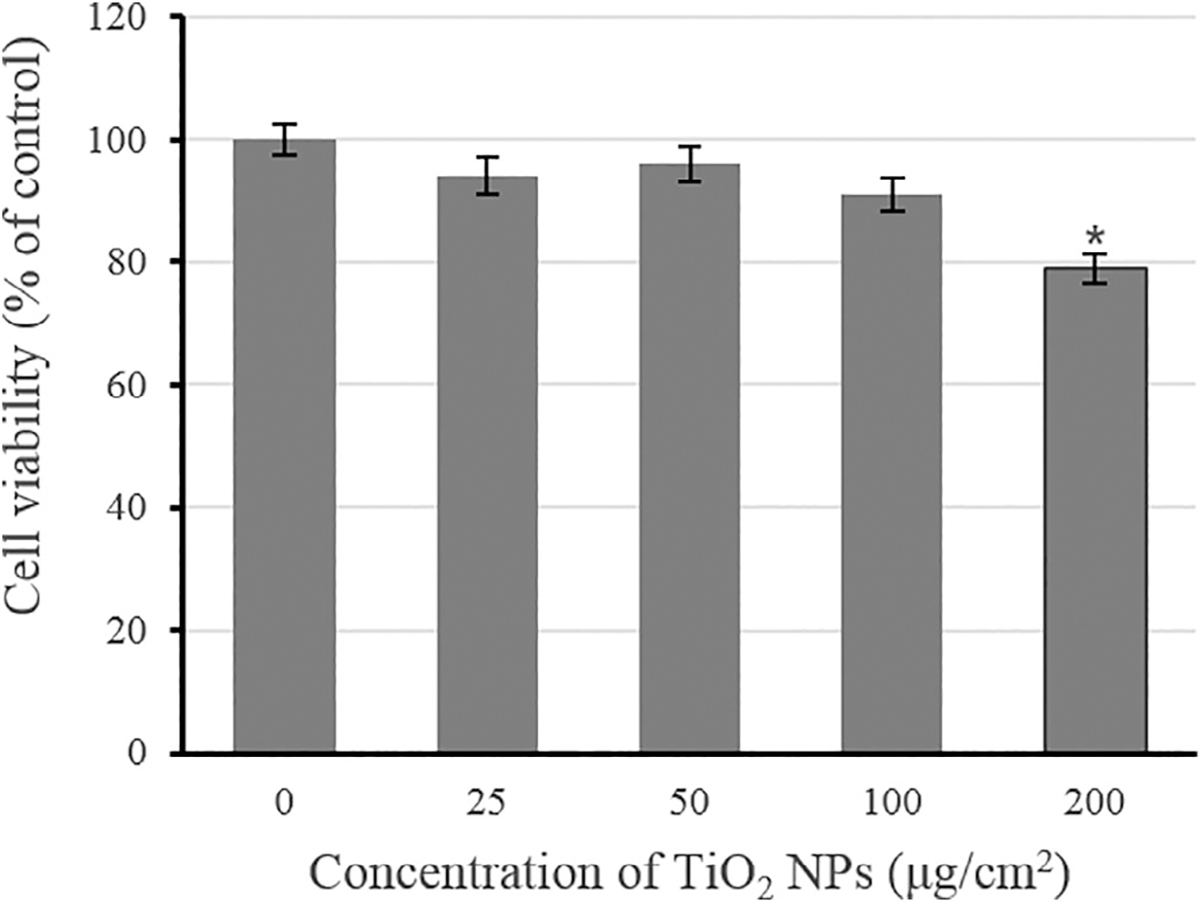
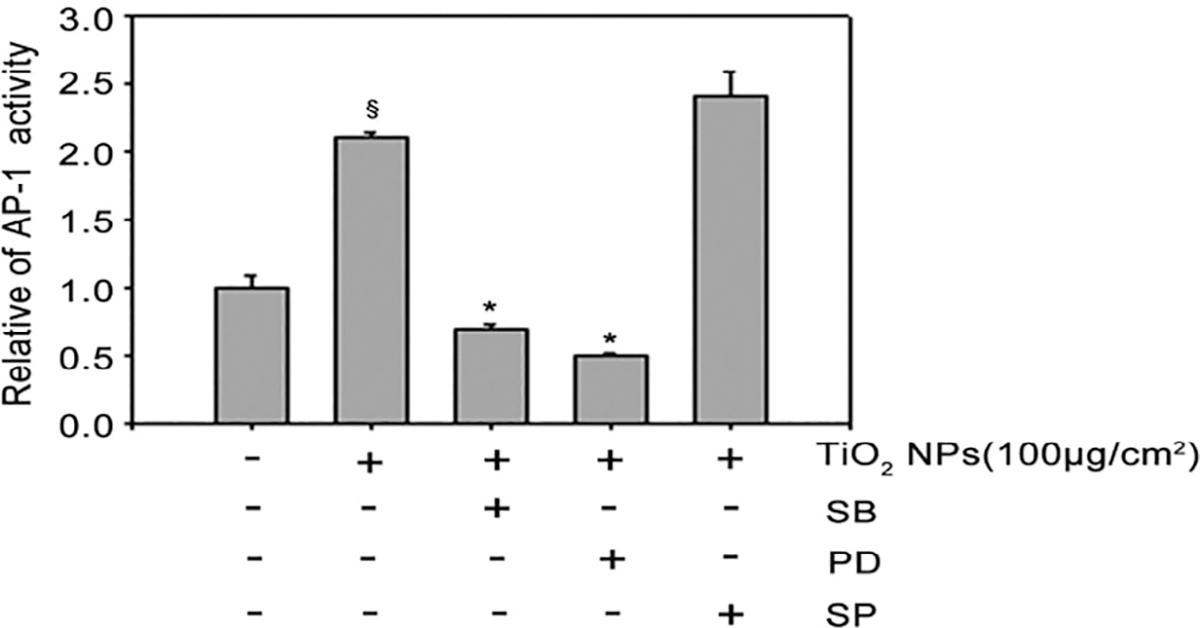
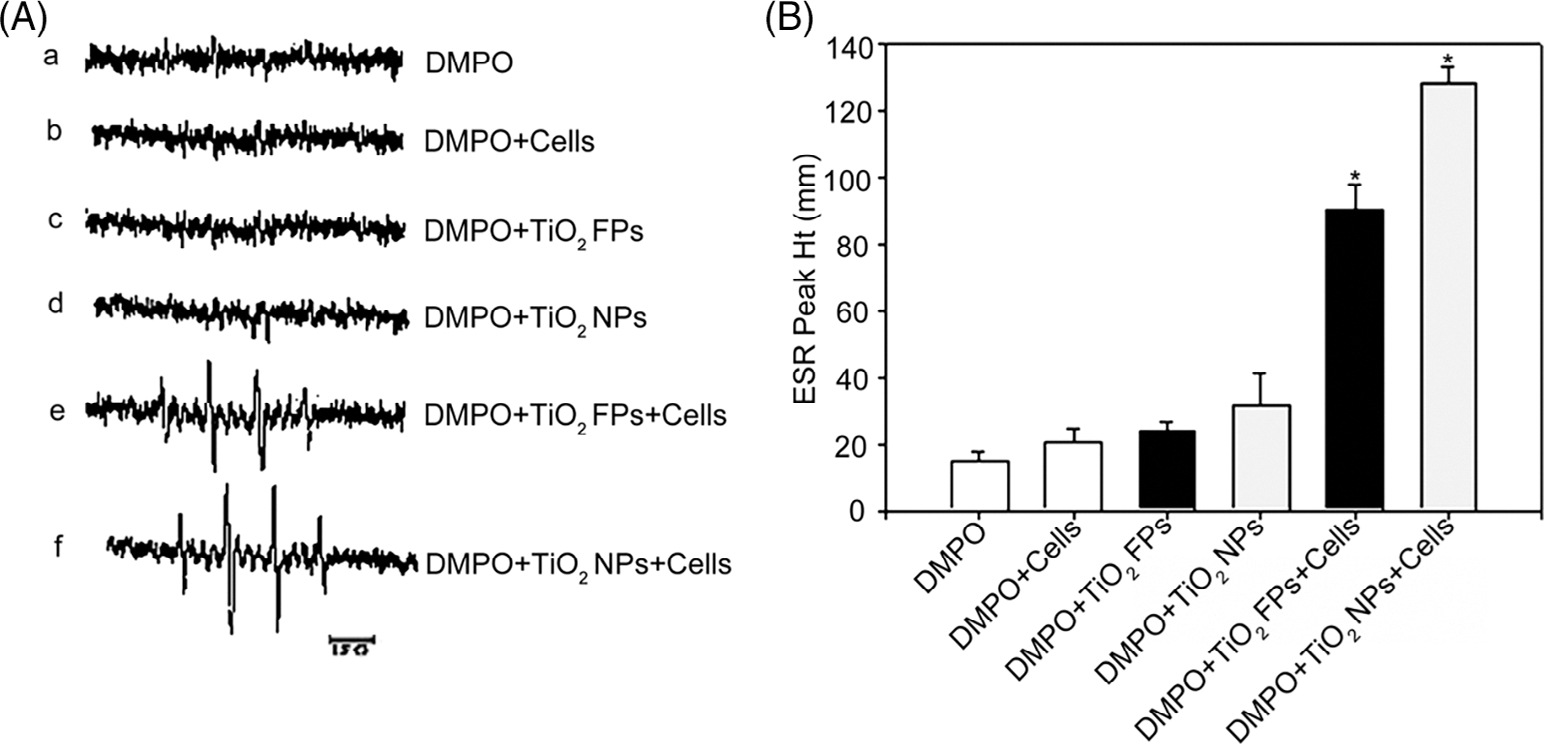
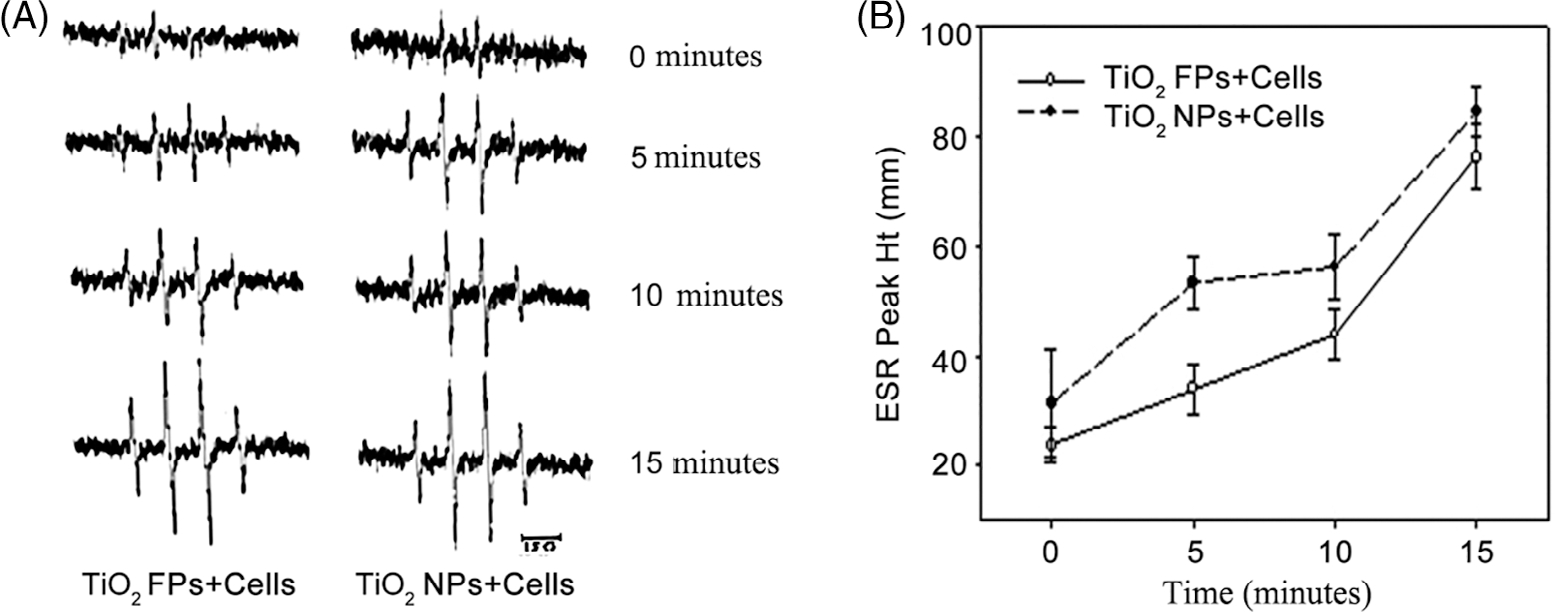
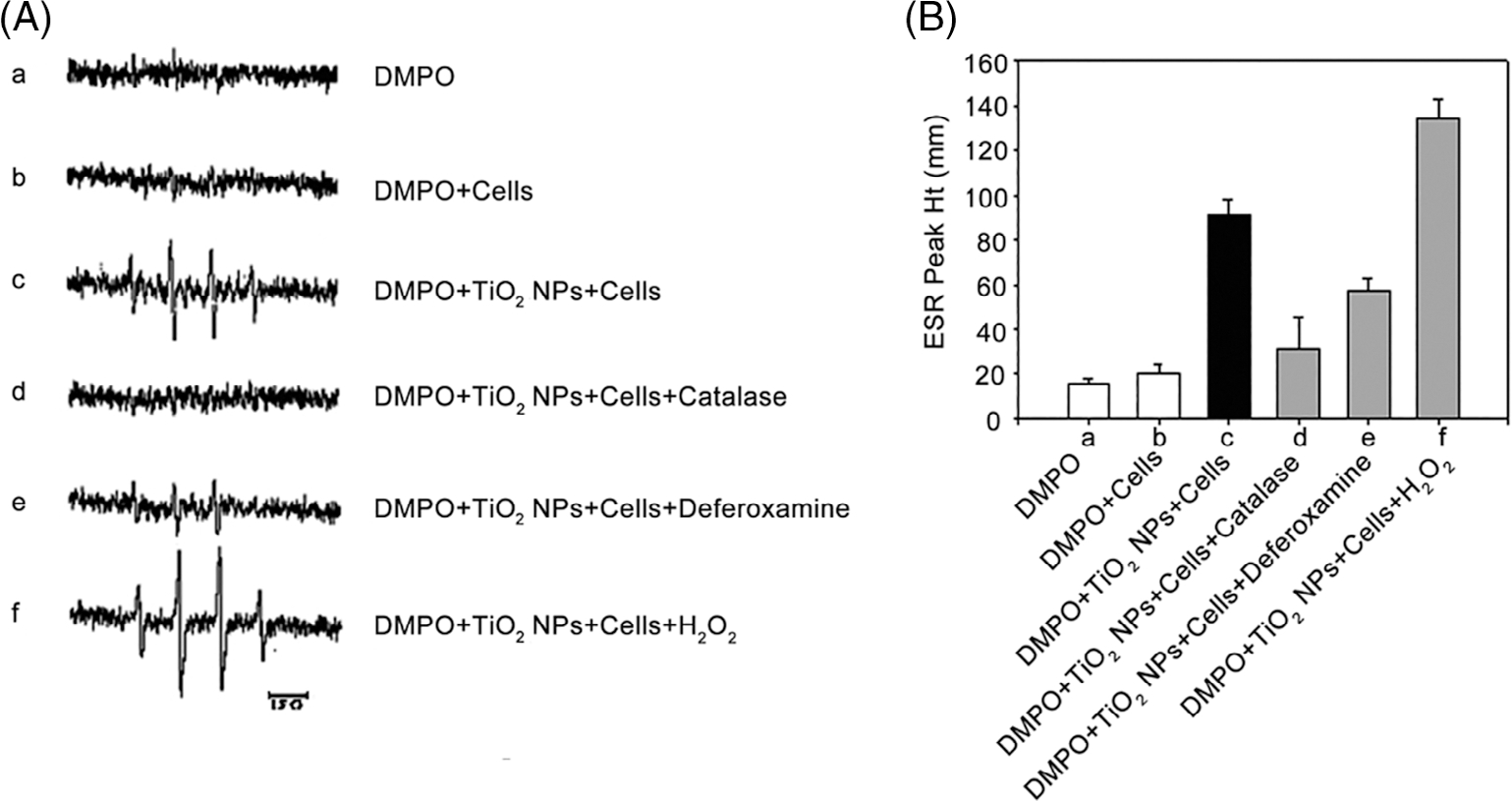
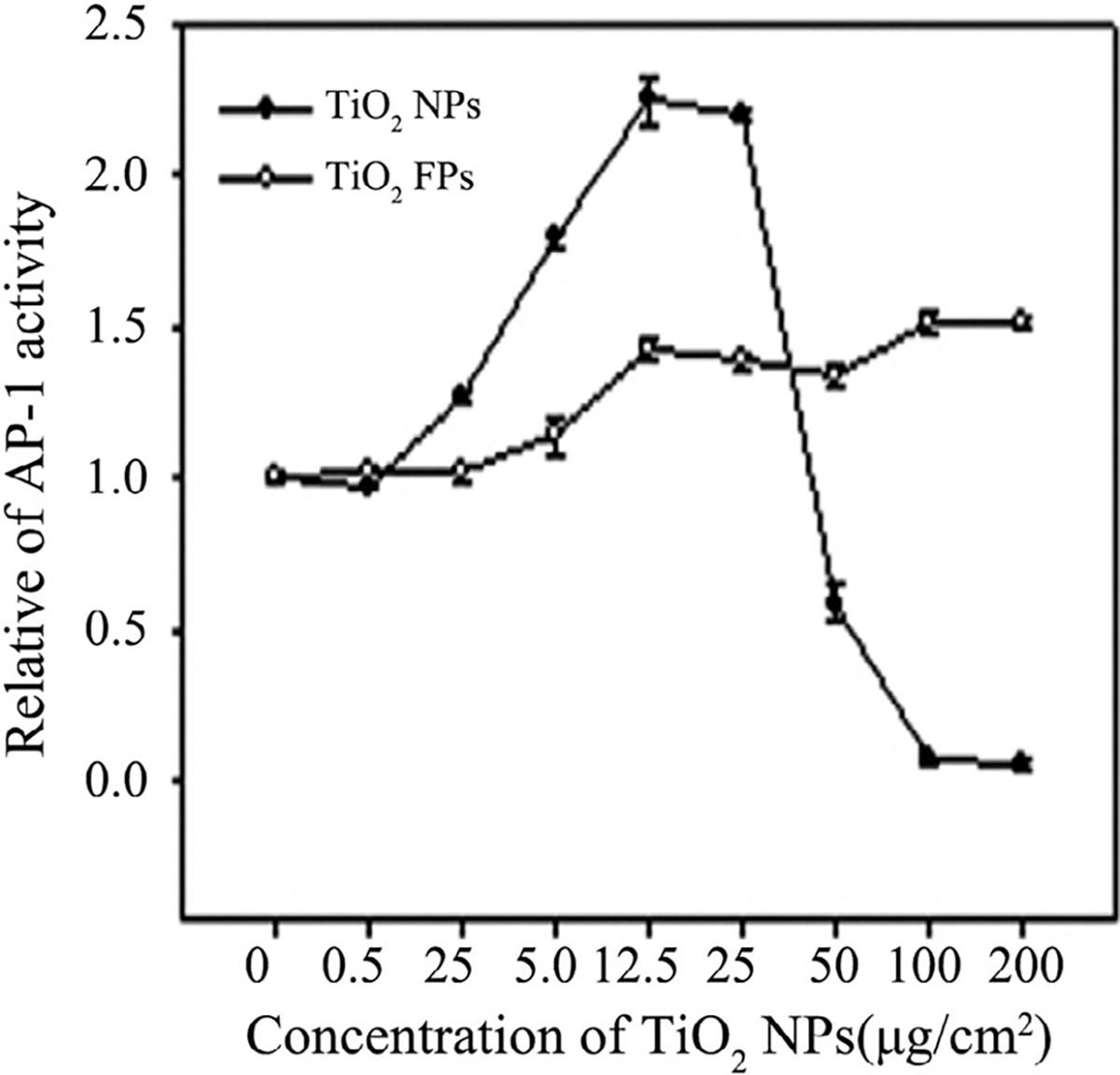
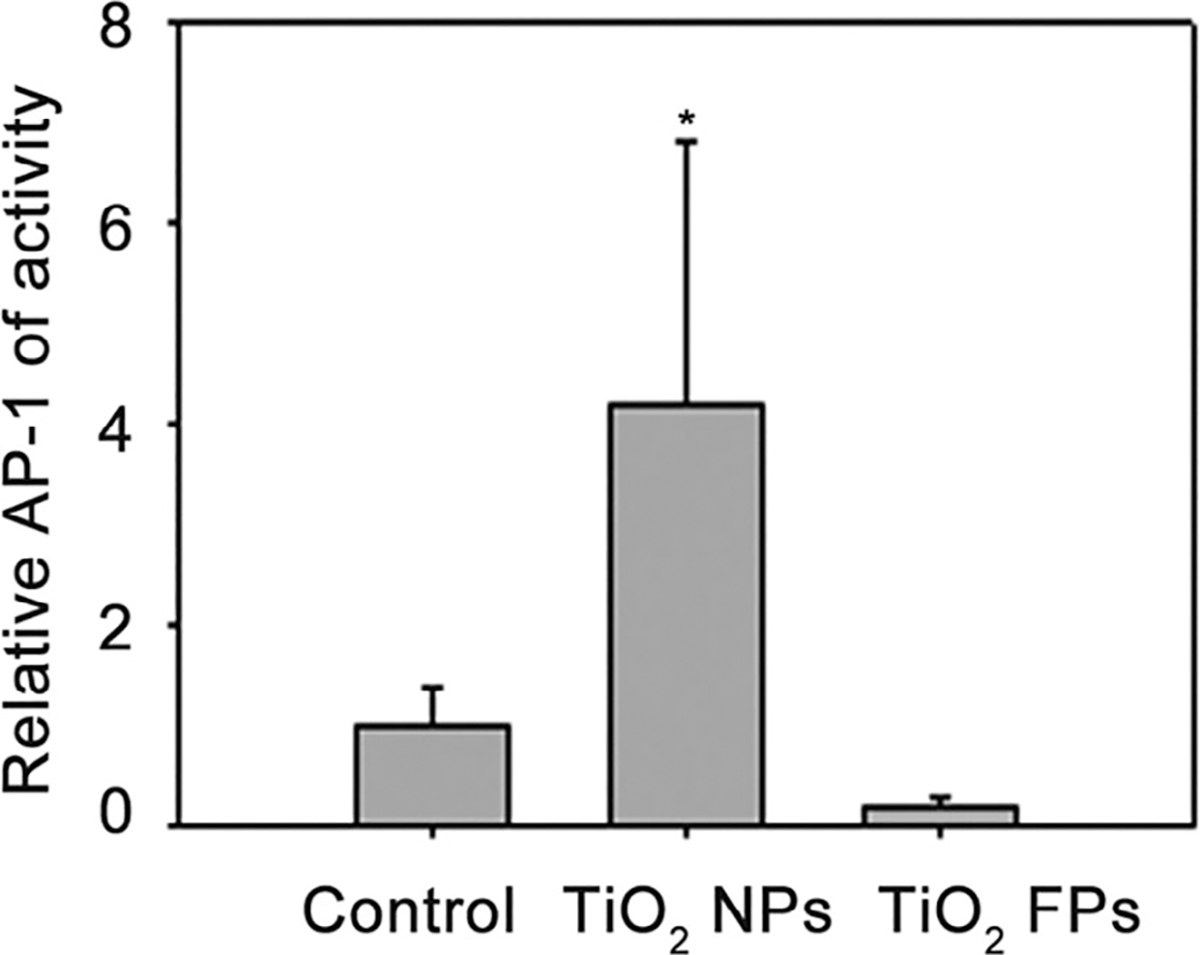
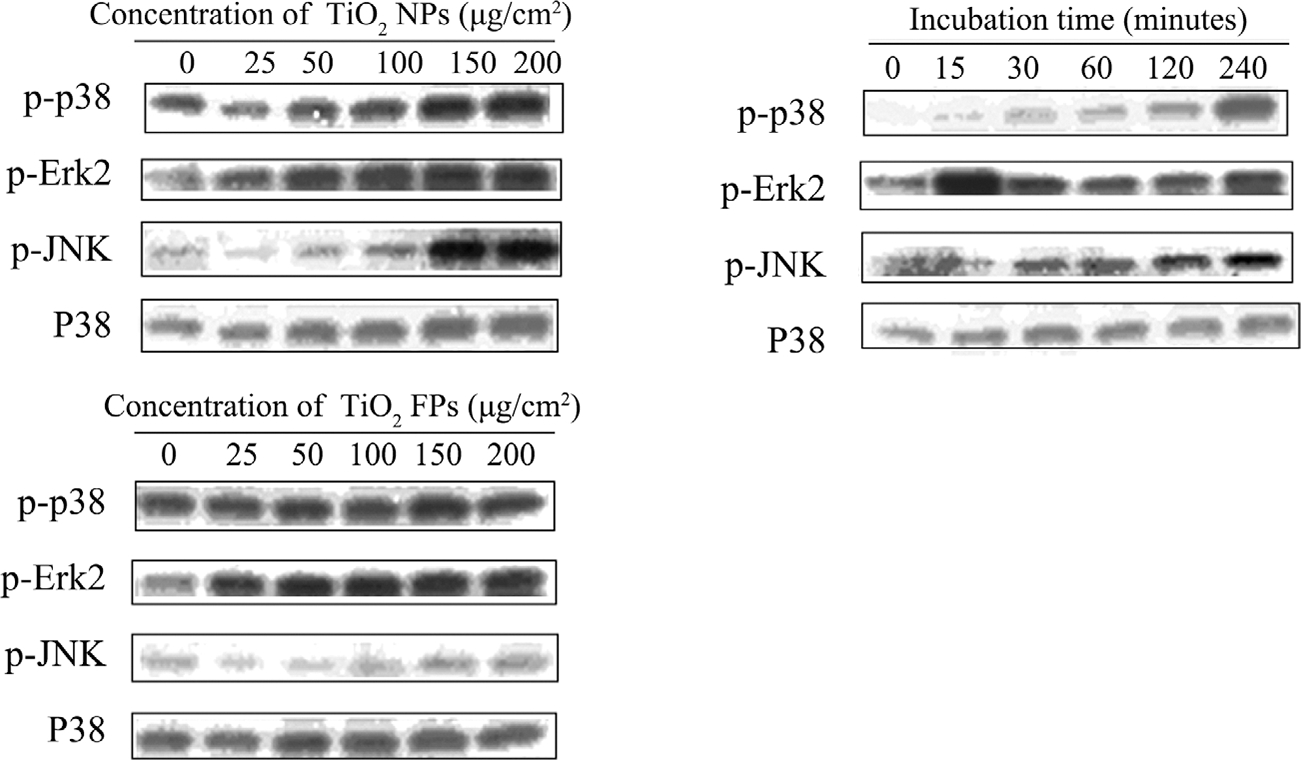
Titanium dioxide (TiO ) is generally regarded as a nontoxic and nongenotoxic white mineral, which is mainly applied in the manufacture of paper, paint, plastic, sunscreen lotion and other products. Recently, TiO nanoparticles (TiO NPs) have been demonstrated to cause chronic inflammation and lung tumor formation in rats, which may be associated with the particle size of TiO . Considering the important role of activator protein-1 (AP-1) in regulating multiple genes involved in the cell proliferation and inflammation and the induction of neoplastic transformation, we aimed to evaluate the potency of TiO NPs (≤ 20 nm) on the activation of AP-1 signaling pathway and the generation of reactive oxygen species (ROS) in a mouse epidermal cell line, JB6 cells. MTT, electron spin resonance (ESR), AP-1 luciferase activity assay in vitro and in vivo, and Western blotting assay were used to clarify this problem. Our results indicated that TiO NPs dose-dependently caused the hydroxyl radical (·OH) generation and sequentially increased the AP-1 activity in JB6 cells. Using AP-1-luciferase reporter transgenic mice models, an obvious increased AP-1 activity was detected in dermal tissue after exposure to TiO NPs for 24 h. Interestingly, TiO NPs increased the AP-1 activity via stimulating the expression of mitogen-activated protein kinases (MAPKs) family members, including extracellular signal-regulated protein kinases (ERKs), p38 kinase, and C-Jun N-terminal kinases (JNKs). Of note, the AP-1 activation induced by TiO NPs could be blocked by specific inhibitors (SB203580, PD98059, and SP 600125, respectively) that inhibit ERKs and p38 kinase but not JNKs. These findings indicate that ROS generation is involved in TiO NPs-induced AP-1 activation mediated by MAPKs signal pathway.
二氧化钛(TiO )通常被认为是一种无毒且非遗传毒性的白色矿物质,主要应用于制造纸张、油漆、塑料、防晒霜等产品。最近,研究表明纳米二氧化钛(TiO NPs)可引起大鼠慢性炎症和肺肿瘤形成,这可能与 TiO 的颗粒大小有关。考虑到激活蛋白-1(AP-1)在调节细胞增殖、炎症和肿瘤转化相关的多个基因方面的重要作用,我们旨在评估 TiO NPs(≤20nm)对小鼠表皮细胞系 JB6 细胞中 AP-1 信号通路的激活和活性氧(ROS)生成的作用。MTT、电子自旋共振(ESR)、AP-1 荧光素酶活性测定(体外和体内)和 Western blot 检测法用于阐明这一问题。结果表明,TiO NPs 剂量依赖性地引起羟自由基(·OH)的生成,并依次增加 JB6 细胞中的 AP-1 活性。使用 AP-1-荧光素酶报告基因转基因小鼠模型,在暴露于 TiO NPs 24h 后,皮肤组织中的 AP-1 活性明显增加。有趣的是,TiO NPs 通过刺激丝裂原活化蛋白激酶(MAPKs)家族成员,包括细胞外信号调节蛋白激酶(ERKs)、p38 激酶和 c-Jun N-末端激酶(JNKs)的表达来增加 AP-1 活性。值得注意的是,TiO NPs 诱导的 AP-1 激活可被特异性抑制剂(分别为 SB203580、PD98059 和 SP600125)阻断,这些抑制剂可抑制 ERKs 和 p38 激酶但不抑制 JNKs。这些发现表明,ROS 的生成参与了 MAPKs 信号通路介导的 TiO NPs 诱导的 AP-1 激活。