Department of Global Medical Science, Wonju College of Medicine, Yonsei University, Wonju, Republic of Korea.
Department of Microbiology, Wonju College of Medicine, Yonsei University, Wonju, Republic of Korea,
Int J Nanomedicine. 2018 Oct 23;13:6735-6750. doi: 10.2147/IJN.S176087. eCollection 2018.
Titanium dioxide nanoparticles (TiO NPs) represent a scientific breakthrough in the areas of biological and medicinal applications. Interaction of TiO NPs with components of innate immune system remains elusive.
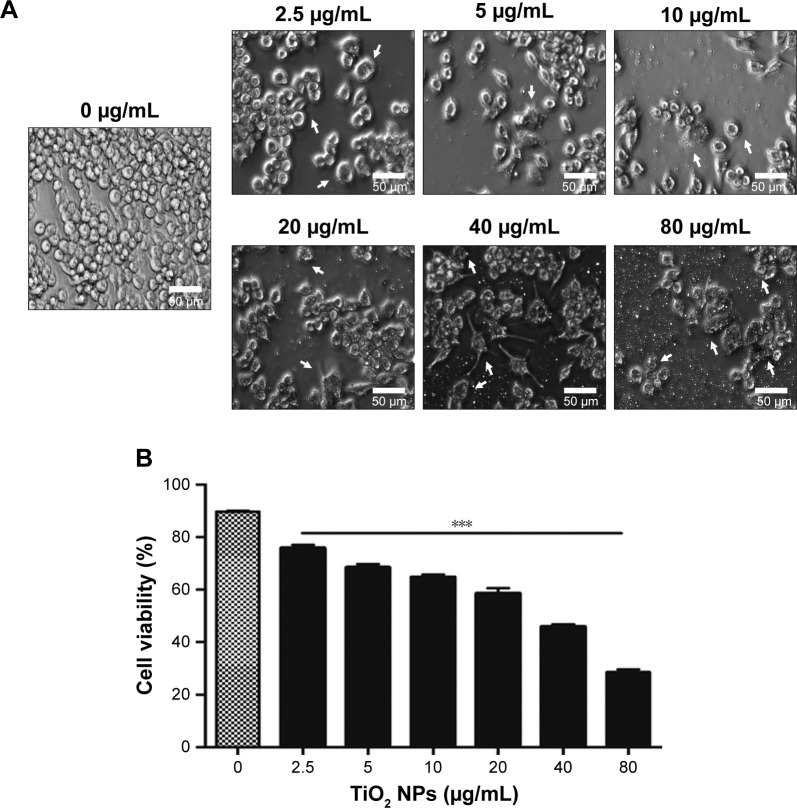
This study explored in vitro immunotoxicity of murine macrophage RAW 264.7 to TiO NPs (20 nm, negative charge) and its underlying molecular mechanism by way of immunoredox profiling.
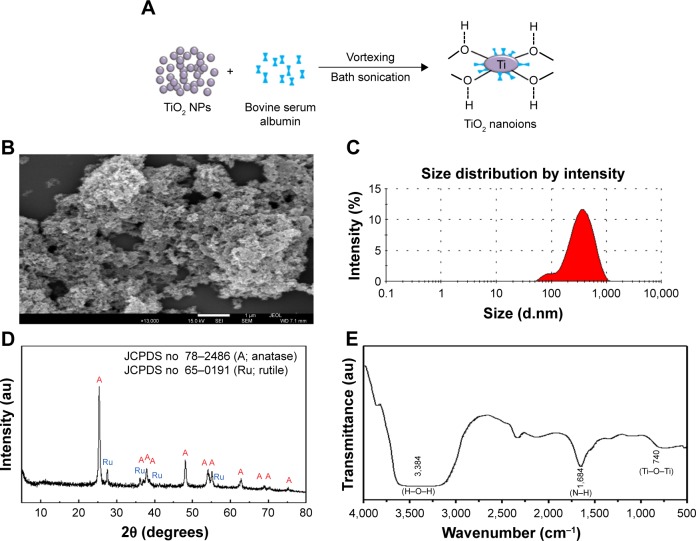
In this study, chemically synthesized BSA-functionalized TiO NPs (20 nm, negative charge) were characterized and immunotoxicity was investigated on RAW 264.7 cells.
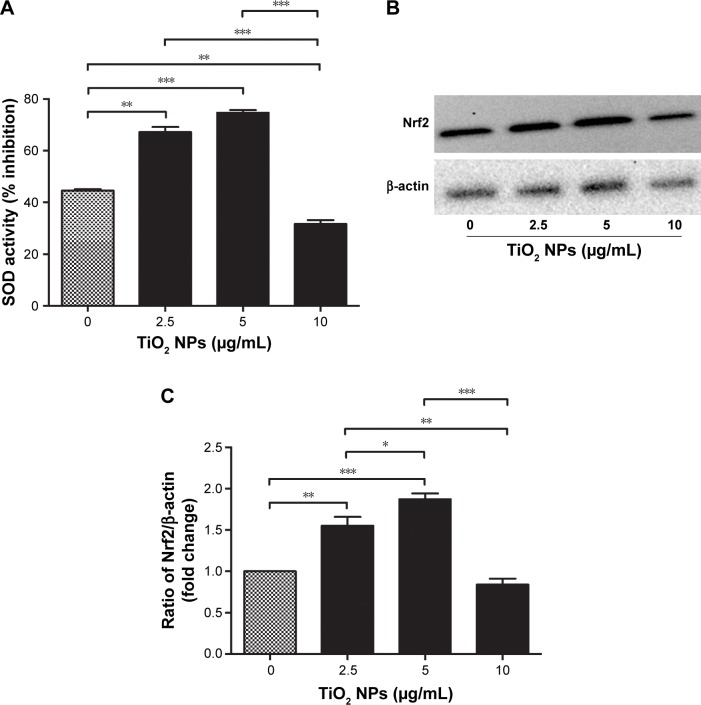
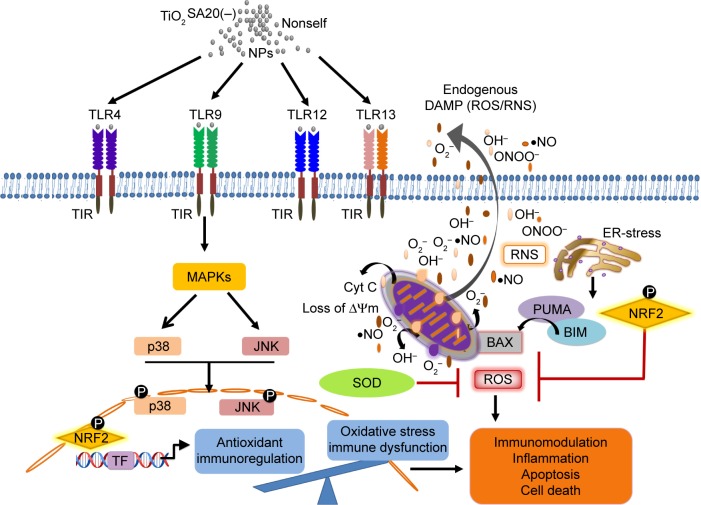
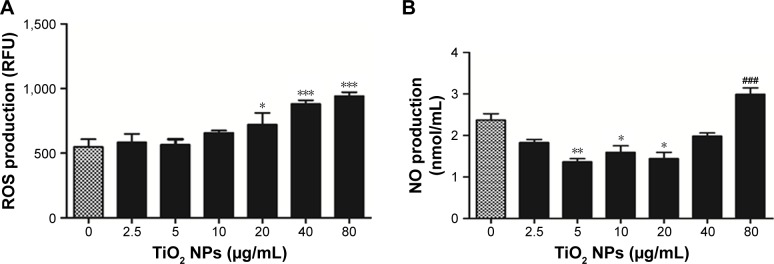
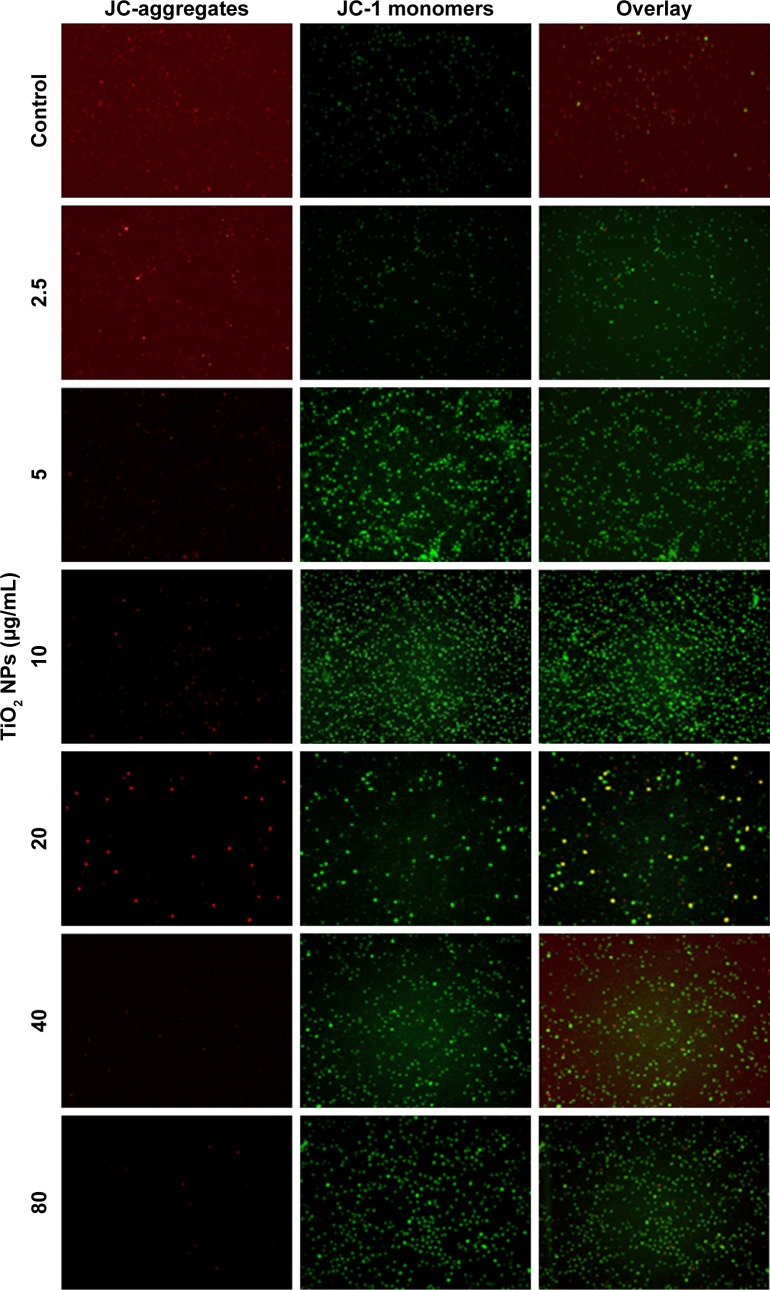
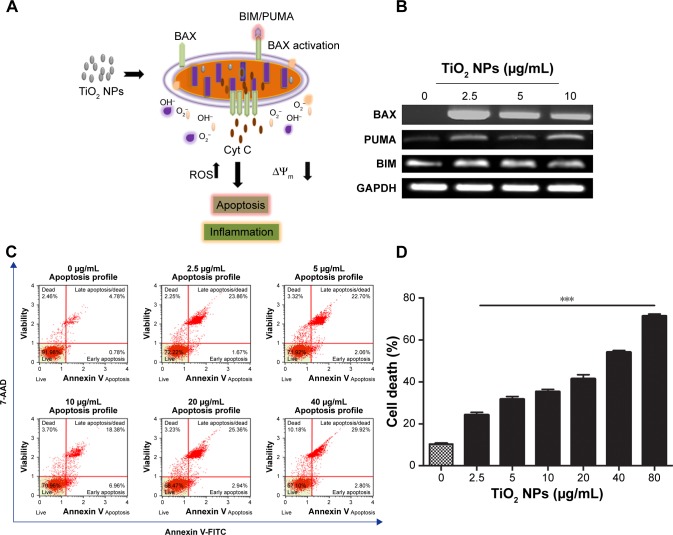
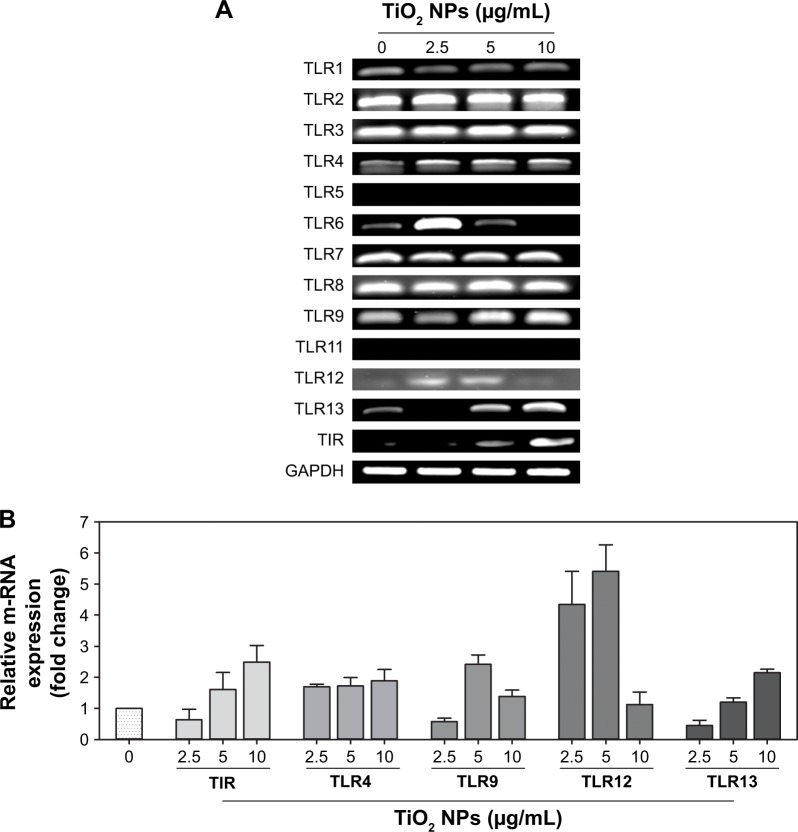
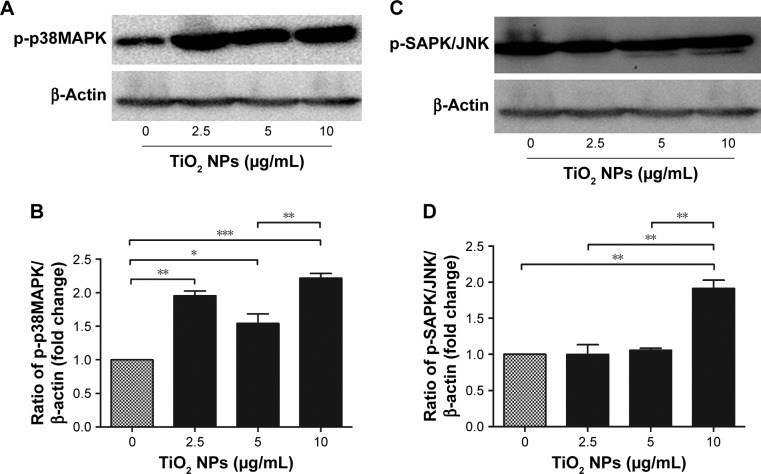
We found that reactive oxygen species levels significantly increased with increasing nitric oxide production, whereas depleting endogenous antioxidant super oxide dismutase as well as nuclear factor erythroid 2-related factor 2 (Nrf2) protein levels. Furthermore, NPs exposure increased the expression of apoptotic factors such as BAX, BIM, and PUMA with disruption of mitochondrial membrane potential (Δψ) that lead to decrease in immunocytes. Molecular immune profiling revealed the activation of multiple toll-like receptors (TLRs) 4/9/12/13 simultaneously with the phosphorylation of p-p38MAPK and p-SAPK/c-Jun N-terminal kinase (JNK) compared to untreated control.
Collectively, this study shows that the molecular nature of TiO NP-induced immunotoxicity in RAW 264.7 macrophage is simultaneous induction of immunocyte apoptosis and multiple TLRs signaling through oxidative stress-dependent SAPK/JNK and p38 mitogen-associated protein kinase activation. This is the first study to address newer molecular mechanism of TiO NP-induced immunotoxicity.
二氧化钛纳米粒子(TiO NPs)代表了生物和医学应用领域的科学突破。TiO NPs 与固有免疫系统成分的相互作用仍不清楚。
本研究通过免疫氧化谱分析,探讨了 TiO NPs(20nm,带负电荷)对小鼠巨噬细胞 RAW 264.7 的体外免疫毒性及其潜在的分子机制。
本研究中,对化学合成的 BSA 功能化 TiO NPs(20nm,带负电荷)进行了表征,并在 RAW 264.7 细胞上研究了其免疫毒性。
我们发现,随着一氧化氮产生的增加,活性氧水平显著增加,而内源性抗氧化超氧化物歧化酶和核因子红细胞 2 相关因子 2(Nrf2)蛋白水平降低。此外,NP 暴露增加了促凋亡因子的表达,如 BAX、BIM 和 PUMA,同时破坏了线粒体膜电位(Δψ),导致免疫细胞减少。分子免疫分析显示,与未处理的对照组相比,同时激活了多个 Toll 样受体(TLRs)4/9/12/13,同时磷酸化 p-p38MAPK 和 p-SAPK/c-Jun N-末端激酶(JNK)。
综上所述,本研究表明,TiO NP 诱导 RAW 264.7 巨噬细胞免疫毒性的分子本质是通过氧化应激依赖性 SAPK/JNK 和 p38 丝裂原激活蛋白激酶的激活,同时诱导免疫细胞凋亡和多个 TLR 信号转导。这是首次研究 TiO NP 诱导免疫毒性的新分子机制。