Morgan Susan E, Mosser Alexandra, Ahn Soyeon, Harrison Tyler R, Wang Jue, Huang Qian, Reynolds Ashley, Mao Bingjing, Bixby John L
Communication Studies, University of Miami, Coral Gables, FL, USA.
Office of the Vice Provost for Research, University of Miami, Coral Gables, FL, USA.
J Clin Transl Sci. 2021 Aug 9;5(1):e166. doi: 10.1017/cts.2021.831. eCollection 2021.
Incentivizing the development of interdisciplinary scientific teams to address significant societal challenges usually takes the form of pilot funding. However, while pilot funding is likely necessary, it is not sufficient for successful collaborations. Interdisciplinary collaborations are enhanced when team members acquire competencies that support team success.
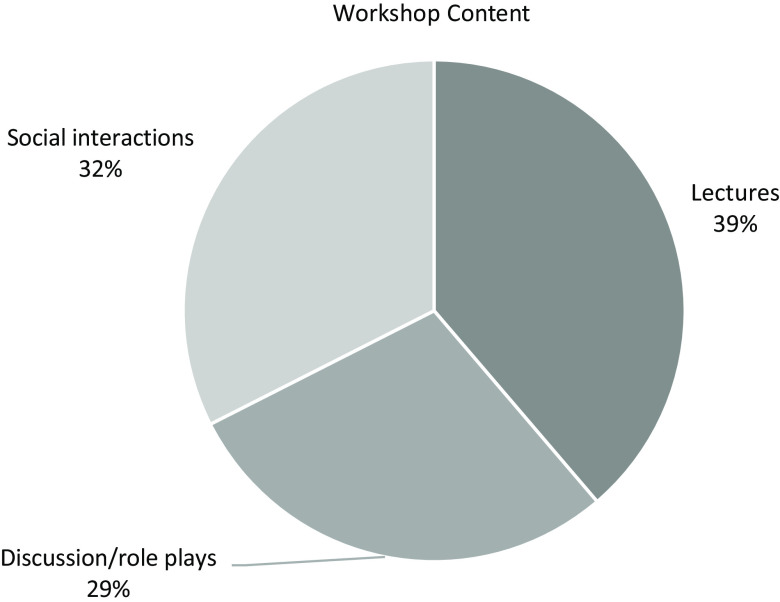
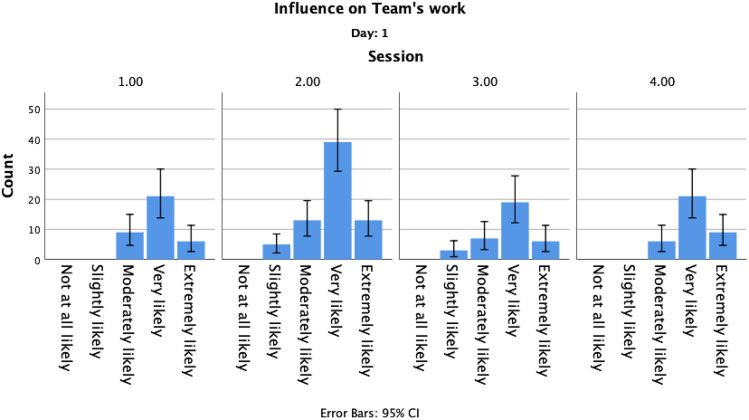
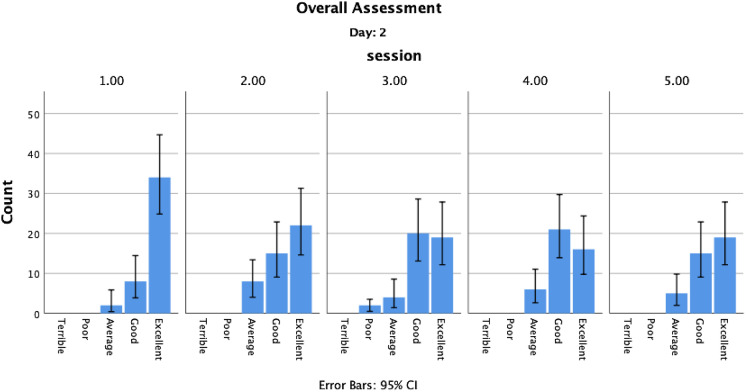
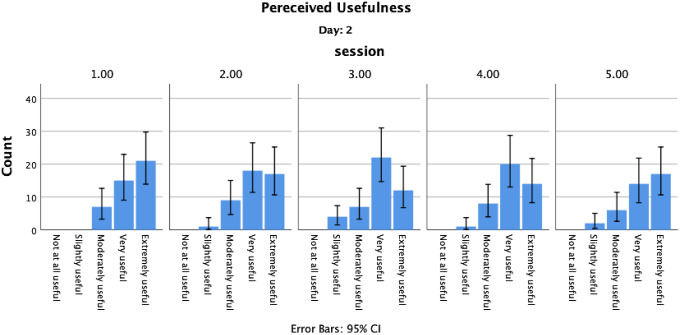
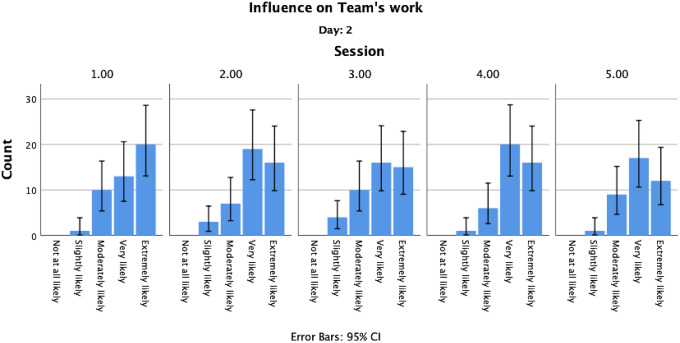
We evaluated the impact of a multifaceted team development intervention that included an eight-session workshop spanning two half-days. The workshop employed multiple methods for team development, including lectures on empirically supported best practices, skills-based modules, role plays, hands-on planning sessions, and social interaction within and across teams. We evaluated the impact of the intervention by (1) asking participants to assess each of the workshop sessions and (2) by completing a pre/postquestionnaire that included variables such as readiness to collaborate, goal clarity, process clarity, role ambiguity, and behavioral trust.
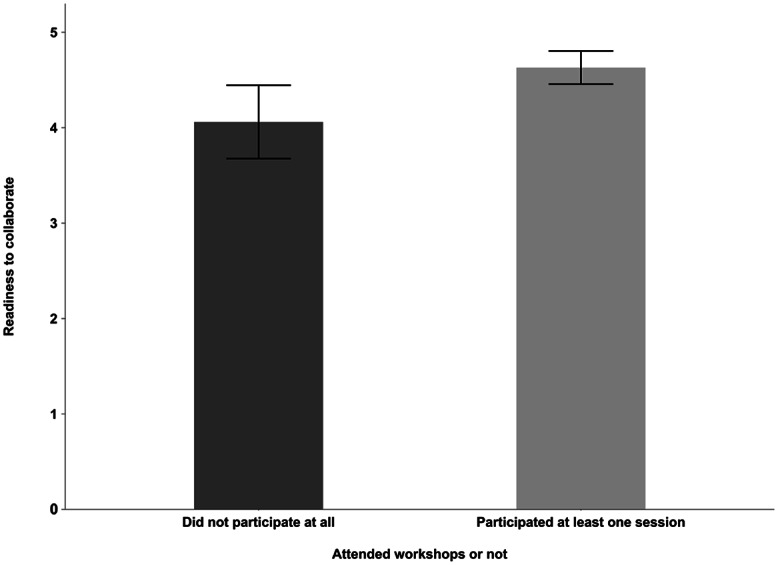
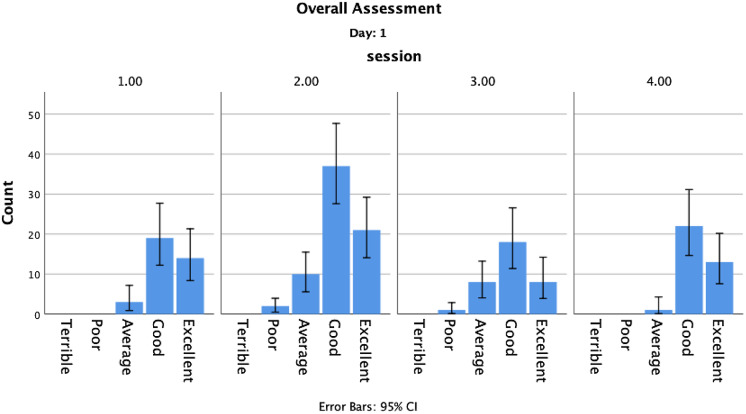
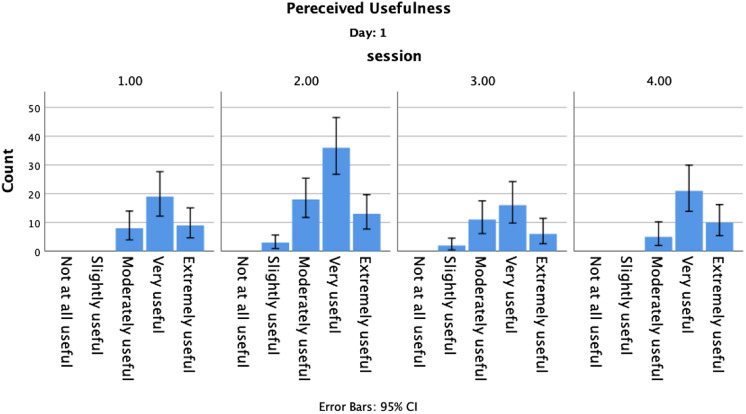
The content of the team development intervention was very well received, particularly the workshop session focused on psychological safety. Comparison of survey scores before and after the team development intervention indicated that scores on readiness to collaborate and behavioral trust were significantly higher among participants who attended the workshop. Goal clarity, process clarity, and role ambiguity did not differ among those who attended versus those who did not.
Multicomponent team development interventions that focus on key competencies required for interdisciplinary teams can support attitudes and cognitions that the literature on the science of team science indicate are predictive of success. We offer recommendations for the design of future interventions.
激励跨学科科研团队的发展以应对重大社会挑战通常采用试点资金的形式。然而,虽然试点资金可能是必要的,但对于成功的合作来说并不充分。当团队成员获得有助于团队成功的能力时,跨学科合作会得到加强。
我们评估了一个多方面的团队发展干预措施的影响,该干预措施包括一个为期两天、共八节的研讨会。该研讨会采用了多种团队发展方法,包括关于经验支持的最佳实践的讲座、基于技能的模块、角色扮演、实际操作规划会议以及团队内部和团队之间的社交互动。我们通过以下方式评估干预措施的影响:(1)要求参与者对每个研讨会环节进行评估;(2)完成一份前后调查问卷,其中包括诸如合作准备度、目标清晰度、流程清晰度、角色模糊性和行为信任等变量。
团队发展干预措施的内容受到了很好的评价,特别是专注于心理安全的研讨会环节。团队发展干预前后的调查得分比较表明,参加研讨会的参与者在合作准备度和行为信任方面的得分显著更高。目标清晰度、流程清晰度和角色模糊性在参加者和未参加者之间没有差异。
关注跨学科团队所需关键能力的多组件团队发展干预措施可以支持团队科学文献中表明可预测成功的态度和认知。我们为未来干预措施的设计提供了建议。