Shanxi Medical University, Taiyuan, Shanxi, China.
Department of Nephrology, The First Hospital of Shanxi Medical University, Taiyuan, Shanxi, China.
PLoS One. 2021 Nov 4;16(11):e0259436. doi: 10.1371/journal.pone.0259436. eCollection 2021.
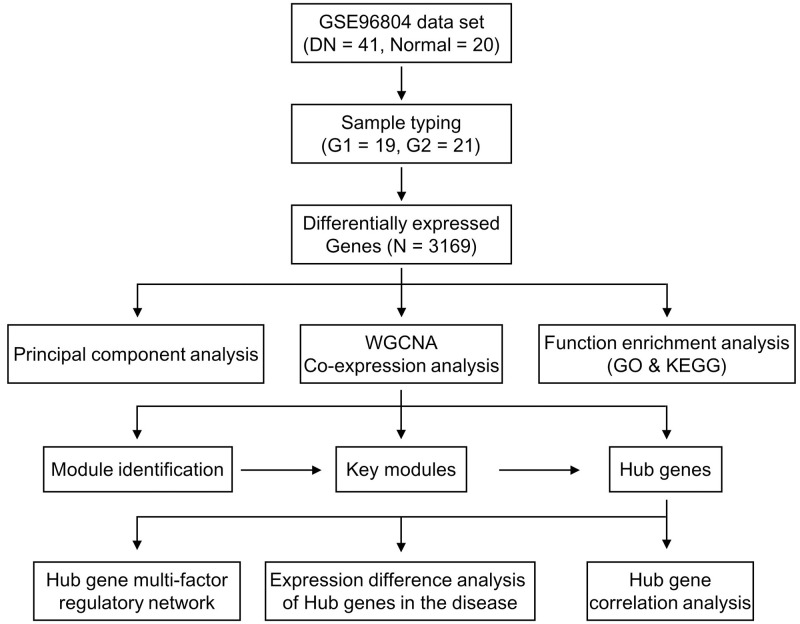
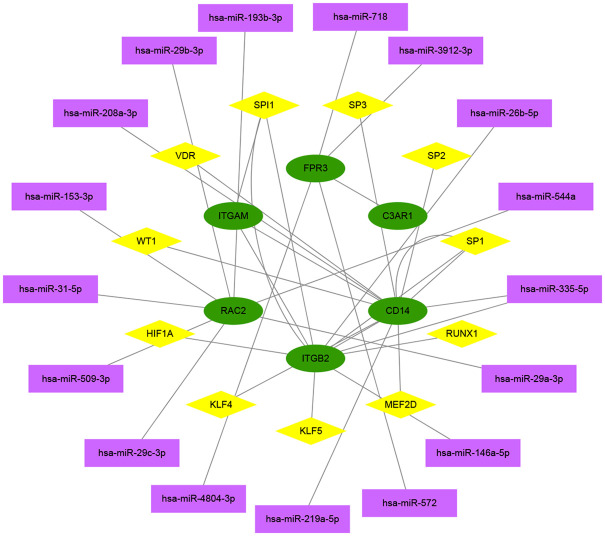
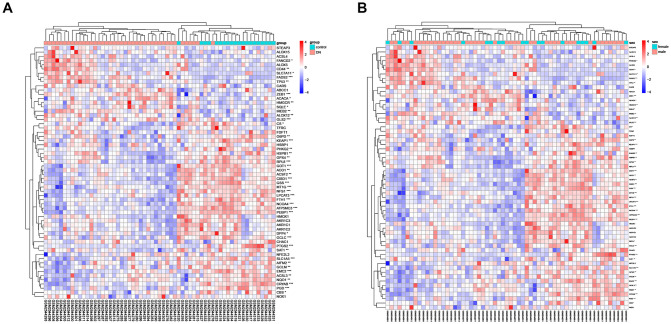
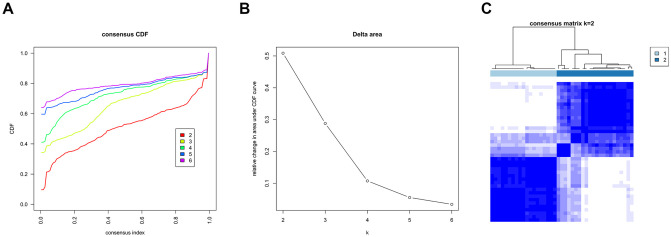
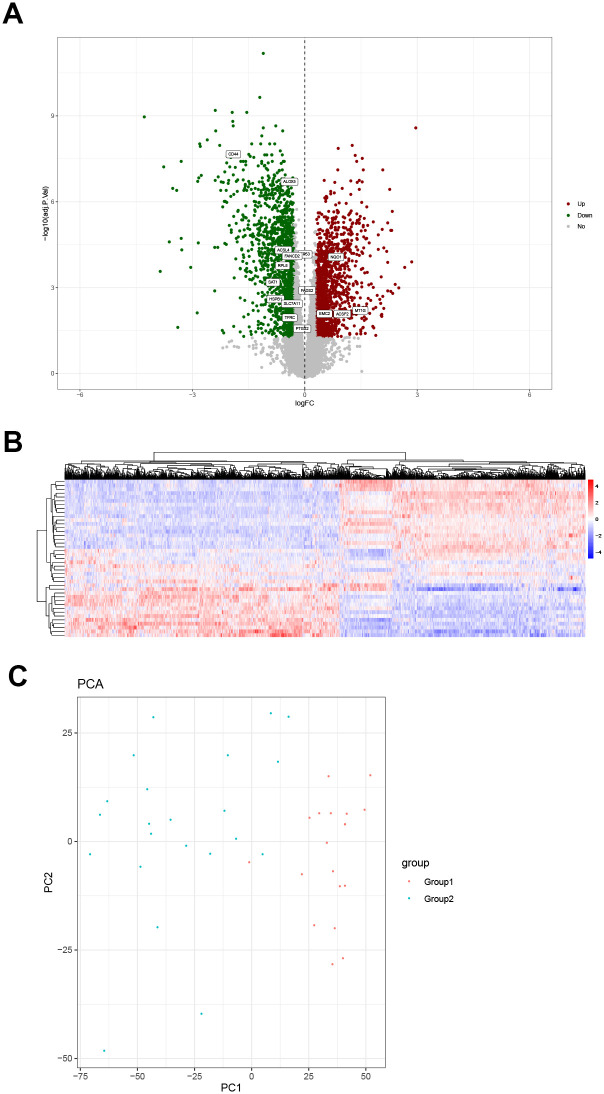
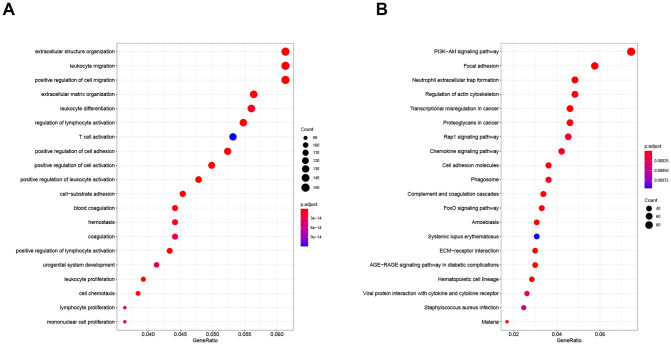
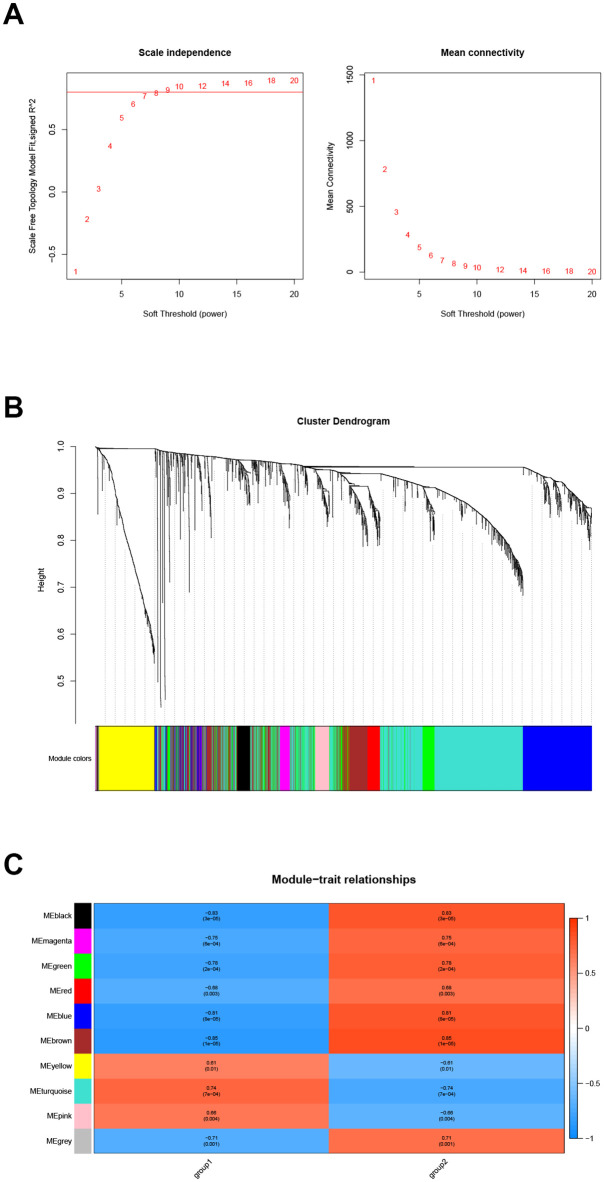
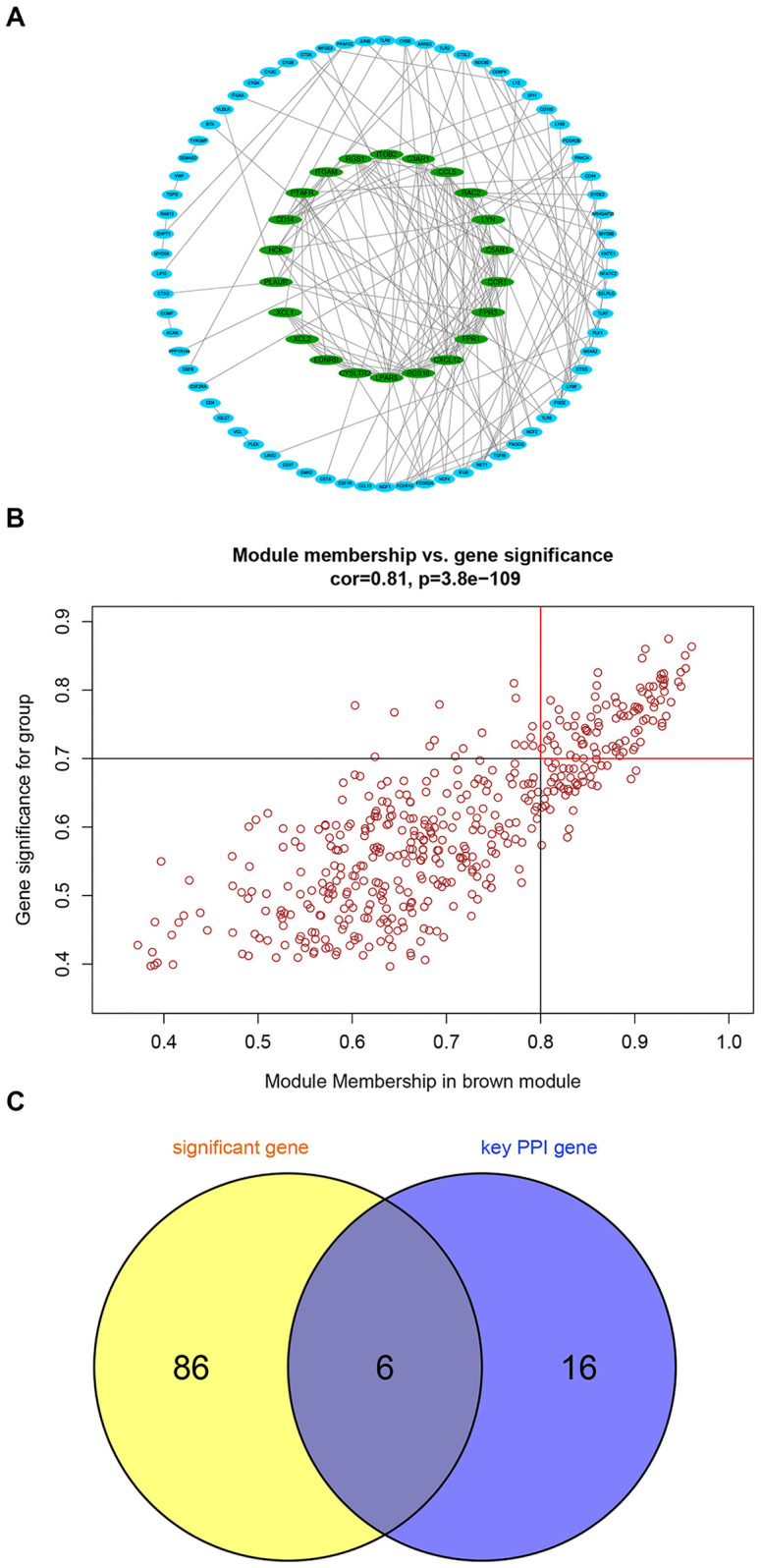
Diabetic nephropathy is one of the common microvascular complications of diabetes. Iron death is a recently reported way of cell death. To explore the effects of iron death on diabetic nephropathy, iron death score of diabetic nephropathy was analyzed based on the network and pathway levels. Furthermore, markers related to iron death were screened. Using RNA-seq data of diabetic nephropathy, samples were clustered uniformly and the disease was classified. Differentially expressed gene analysis was conducted on the typed disease samples, and the WGCNA algorithm was used to obtain key modules. String database was used to perform protein interaction analysis on key module genes for the selection of Hub genes. Moreover, principal component analysis method was applied to get transcription factors and non-coding genes, which interact with the Hub gene. All samples can be divided into two categories and principal component analysis shows that the two categories are significantly different. Hub genes (FPR3, C3AR1, CD14, ITGB2, RAC2 and ITGAM) related to iron death in diabetic nephropathy were obtained through gene expression differential analysis between different subtypes. Non-coding genes that interact with Hub genes, including hsa-miR-572, hsa-miR-29a-3p, hsa-miR-29b-3p, hsa-miR-208a-3p, hsa-miR-153-3p and hsa-miR-29c-3p, may be related to diabetic nephropathy. Transcription factors HIF1α, KLF4, KLF5, RUNX1, SP1, VDR and WT1 may be related to diabetic nephropathy. The above factors and Hub genes are collectively involved in the occurrence and development of diabetic nephropathy, which can be further studied in the future. Moreover, these factors and genes may be potential target for therapeutic drugs.
糖尿病肾病是糖尿病常见的微血管并发症之一。铁死亡是一种新近报道的细胞死亡方式。为了探讨铁死亡对糖尿病肾病的影响,基于网络和通路水平分析了糖尿病肾病的铁死亡评分。此外,筛选了与铁死亡相关的标志物。利用糖尿病肾病的 RNA-seq 数据,对样本进行均匀聚类,并对疾病进行分类。对分型疾病样本进行差异表达基因分析,应用 WGCNA 算法获取关键模块。利用 String 数据库对关键模块基因进行蛋白质相互作用分析,选择枢纽基因。此外,应用主成分分析方法获取与枢纽基因相互作用的转录因子和非编码基因。所有样本可分为两类,主成分分析表明这两类差异显著。通过不同亚型间基因表达差异分析,获得与糖尿病肾病中铁死亡相关的枢纽基因(FPR3、C3AR1、CD14、ITGB2、RAC2 和 ITGAM)。与枢纽基因相互作用的非编码基因,包括 hsa-miR-572、hsa-miR-29a-3p、hsa-miR-29b-3p、hsa-miR-208a-3p、hsa-miR-153-3p 和 hsa-miR-29c-3p,可能与糖尿病肾病有关。转录因子 HIF1α、KLF4、KLF5、RUNX1、SP1、VDR 和 WT1 可能与糖尿病肾病有关。上述因素和枢纽基因共同参与糖尿病肾病的发生发展,可进一步研究。此外,这些因素和基因可能是治疗药物的潜在靶点。