Department of Biochemistry, University of Oxford, South Parks Road, Oxford, OX1 3QU, UK.
Department of Biochemistry, University of Oxford, South Parks Road, Oxford, OX1 3QU, UK.
Curr Opin Biotechnol. 2022 Feb;73:346-354. doi: 10.1016/j.copbio.2021.09.012. Epub 2021 Oct 29.
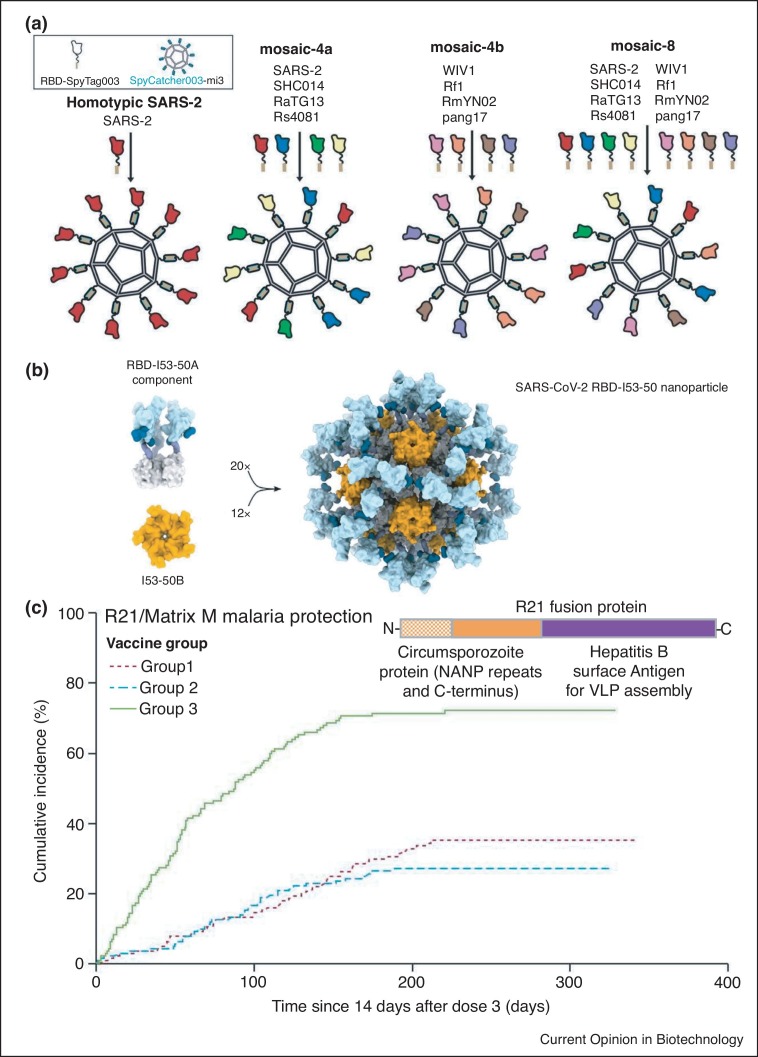
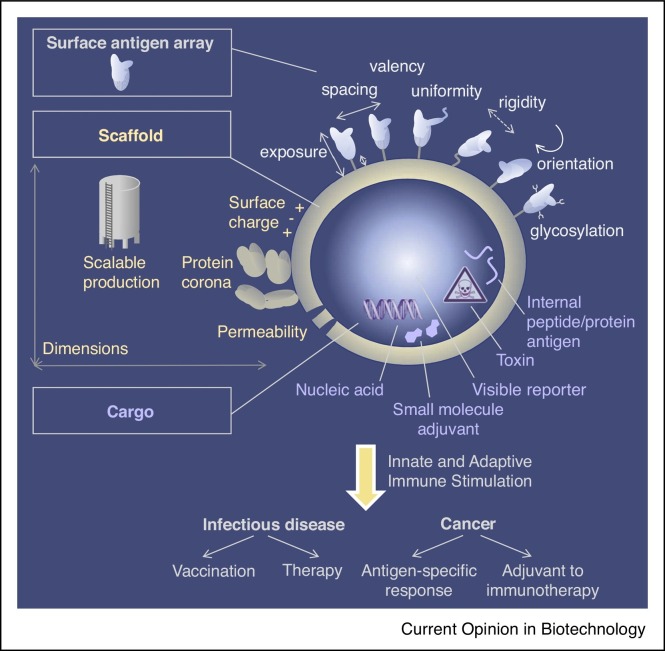
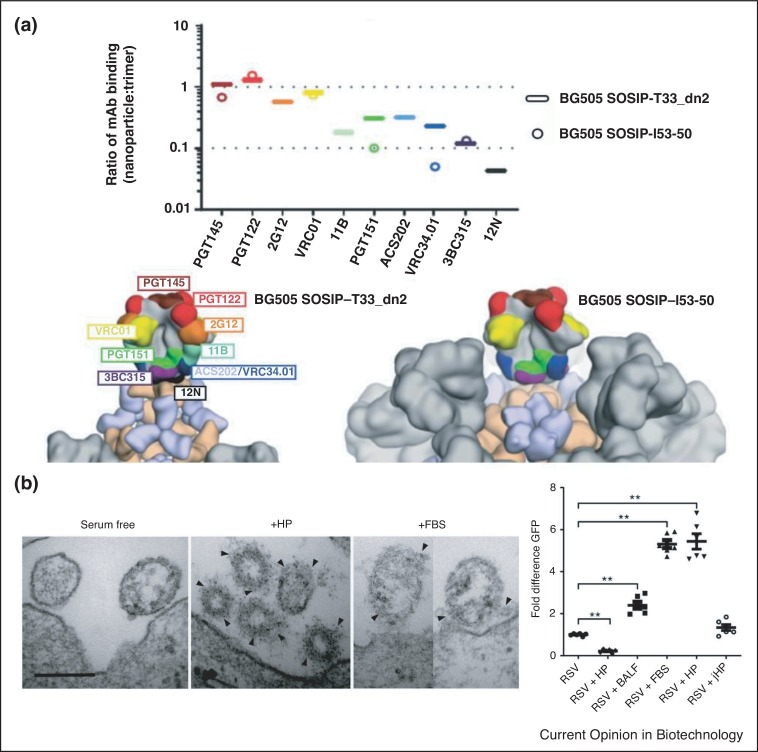
Virus-like particles (VLPs) can play important roles in prevention and therapy for infectious diseases and cancer. Here we describe recent advances in rational construction of VLP assemblies, as well as new approaches to enhance long-lasting antibody and CD8 T cell responses. DNA origami and computational protein design identified optimal spacing of antigens. Chemical biology advances enabled simple and irreversible VLP decoration with protein or polysaccharide antigens. Mosaic VLPs co-displayed antigens to generate cross-reactive antibodies against different influenza strains and coronaviruses. The mode of action of adjuvants inside VLPs was established through knock-outs and repackaging of innate immune stimuli. VLPs themselves showed their power as adjuvants in cancer models. Finally, landmark clinical results were obtained against malaria and the SARS-CoV-2 pandemic.
病毒样颗粒(VLPs)在传染病和癌症的预防和治疗中可以发挥重要作用。在这里,我们描述了 VLP 组装的合理构建的最新进展,以及增强长效抗体和 CD8 T 细胞反应的新方法。DNA 折纸术和计算蛋白质设计确定了抗原的最佳间距。化学生物学的进步使得用蛋白质或多糖抗原简单且不可逆地修饰 VLPs 成为可能。嵌合 VLPs 共同展示抗原,以产生针对不同流感株和冠状病毒的交叉反应性抗体。通过缺失和重新包装先天免疫刺激物,确定了 VLP 内佐剂的作用模式。VLPs 本身在癌症模型中表现出作为佐剂的功效。最后,在疟疾和 SARS-CoV-2 大流行方面取得了里程碑式的临床结果。