Wu Hao, Cheung Jason Pui Yin, Zhang Teng, Shan Zhi, Zhang Xuyang, Liu Junhui, Fan Shunwu, Zhao Fengdong
Department of Orthopaedics and Traumatology, The University of Hong Kong, Hong Kong SAR, China.
Department of Orthopaedics, Sir Run Run Shaw Hospital, Zhejiang University School of Medicine, Hangzhou, China.
Global Spine J. 2023 Sep;13(7):1829-1839. doi: 10.1177/21925682211052515. Epub 2021 Nov 4.
Retrospective clinical case series.
To investigate the risk factors for intraoperative endplate violations and delayed cage subsidence after oblique lateral interbody fusion (OLIF) surgery. Secondly, to examine whether low Hounsfield unit (HU) values at different regions of the endplate are associated with intraoperative endplate violation or delayed cage subsidence.
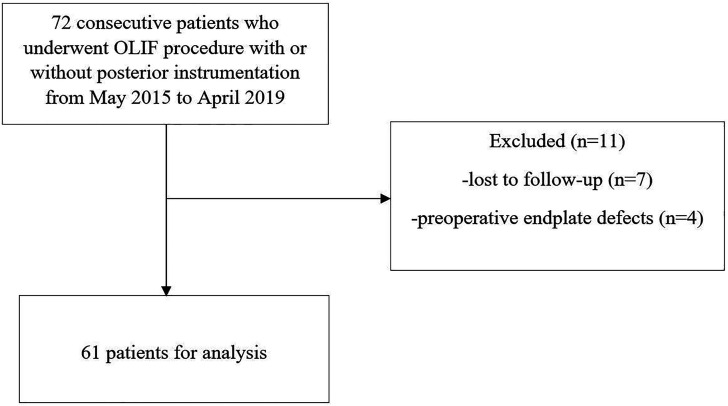
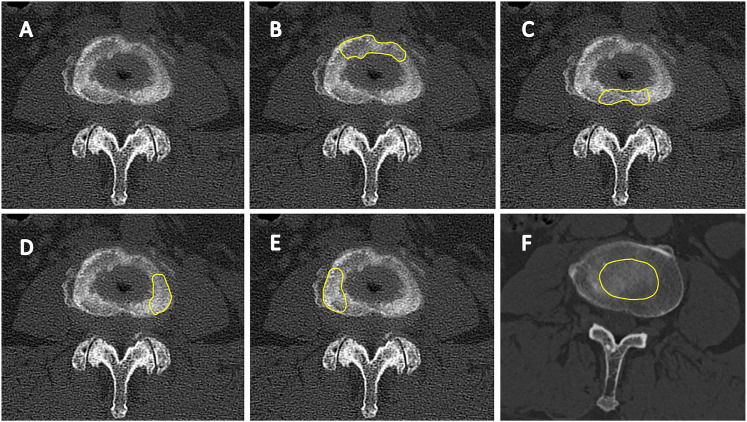
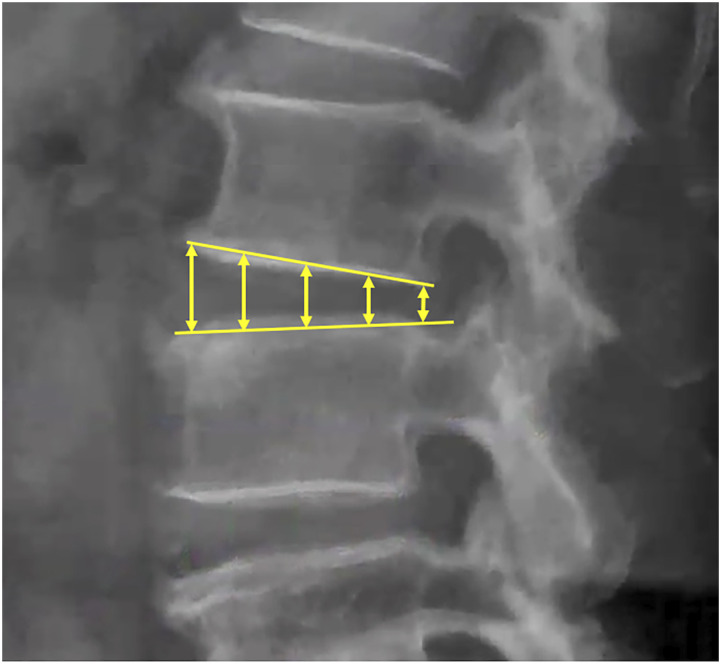
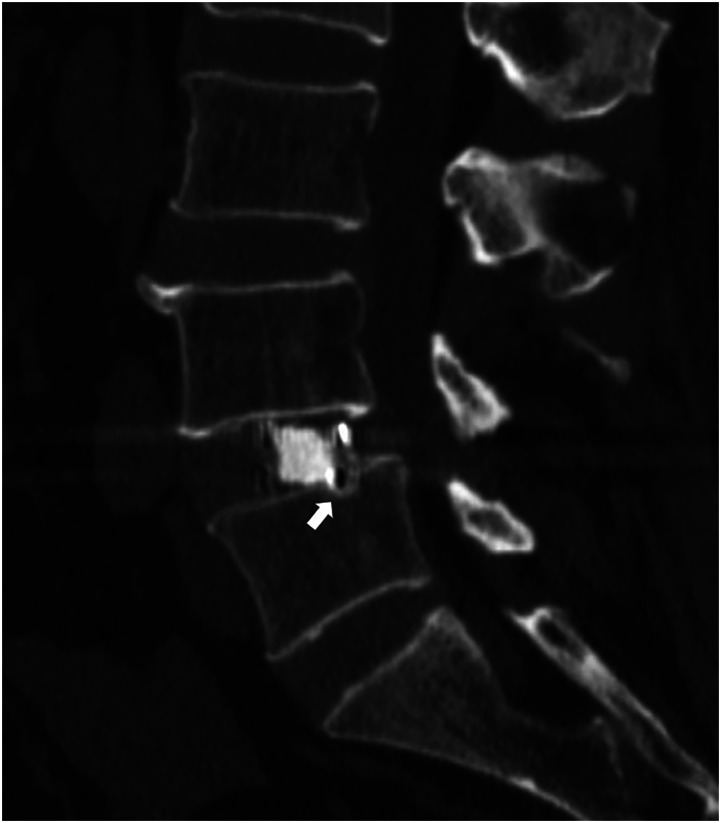
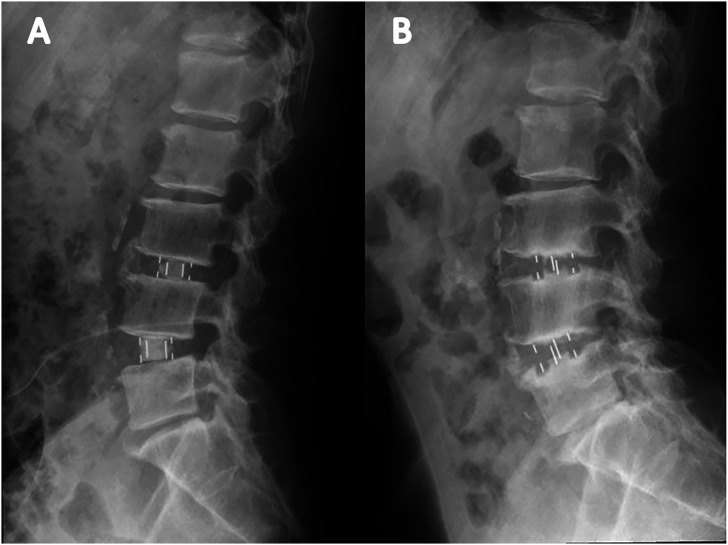
61 patients (aged 65.1 ± 9.5 years; 107 segments) who underwent OLIF with or without posterior instrumentation from May 2015 to April 2019 were retrospectively studied. Intraoperative endplate violation was measured on sagittal reconstructed computerized tomography (CT) images immediate postoperatively, while delayed cage subsidence was evaluated using lateral radiographs and defined at 1-month follow-up or later. Demographic information and clinical parameters such as age, body mass index, bone mineral density, number of surgical levels, cage dimension, disc height restoration, visual analogue scale (VAS), and HU at different regions of the endplate were obtained.
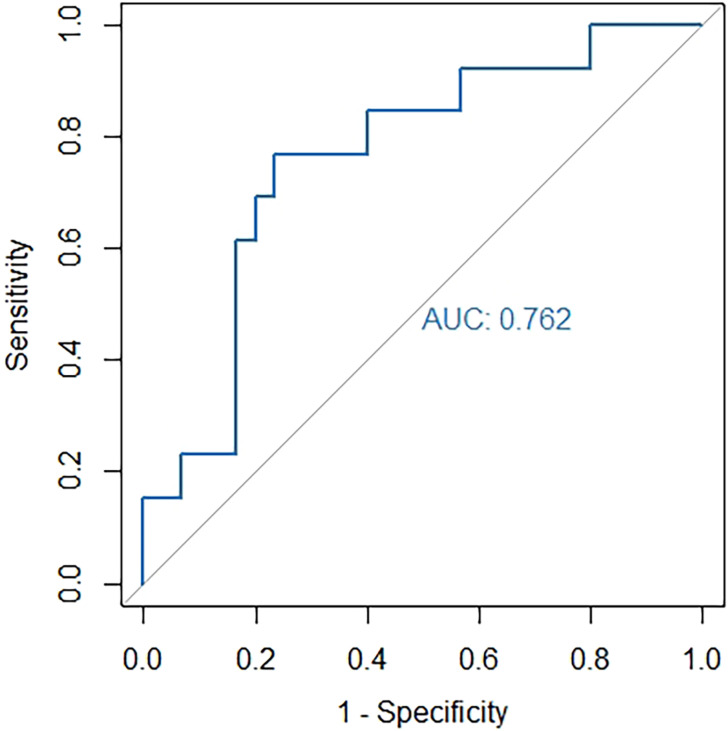
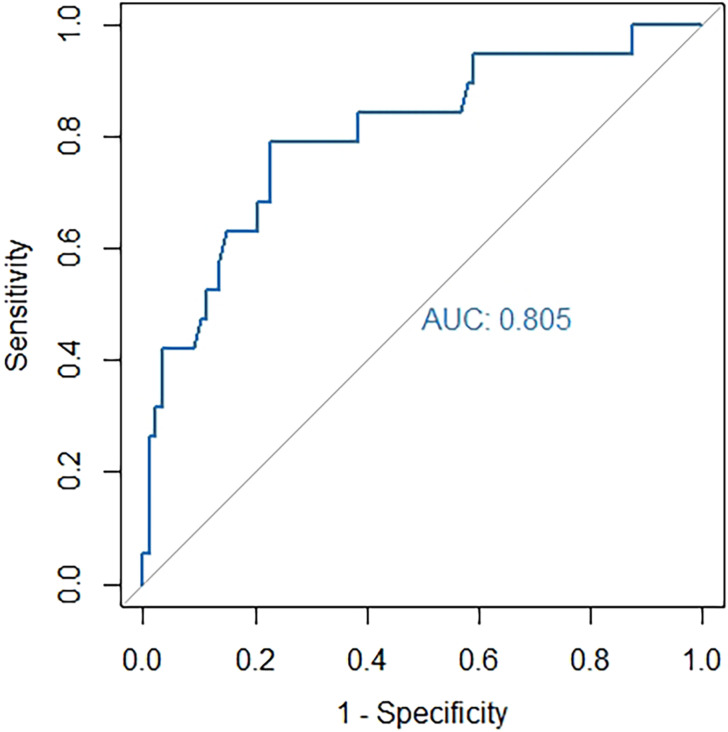
Total postoperative cage subsidence was identified in 45 surgical levels (42.0%) in 26 patients (42.6%) up till postoperative 1-year follow-up. Low HU value at the ipsilateral epiphyseal ring was an independent risk factor for intraoperative endplate violation ( = .008) with a cut-off value of 326.21 HUs. Low HU values at the central endplate had a significant correlation with delayed cage subsidence in stand-alone cases ( = .013) with a cut-off value of 296.42 HUs. VAS scores were not different at 1 week postoperatively in cases with or without intraoperative endplate violation (3.12 ± .73 vs 2.89 ± .72, = .166) and showed no difference at 1 year with or without delayed cage subsidence (1.95 ± .60 vs 2.26 ± .85, = .173).
Intraoperative endplate violation and delayed cage subsidence are not uncommon with OLIF surgery. HUs of the endplate are good predictors for intraoperative endplate violation and cage subsidence since they can represent the regional bone quality of the endplate in contact with the implant. VAS improvements were not affected by intraoperative endplate violation or delayed cage subsidence at 1-year follow-up.
Level III.
回顾性临床病例系列研究。
探讨斜外侧椎间融合术(OLIF)术后术中终板损伤及椎间融合器延迟下沉的危险因素。其次,研究终板不同区域的低亨氏单位(HU)值是否与术中终板损伤或椎间融合器延迟下沉有关。
回顾性研究2015年5月至2019年4月期间接受OLIF手术(有或无后路内固定)的61例患者(年龄65.1±9.5岁;107个节段)。术中终板损伤在术后即刻矢状位重建计算机断层扫描(CT)图像上测量,而椎间融合器延迟下沉通过侧位X线片评估,并在1个月或更晚的随访时确定。获取人口统计学信息和临床参数,如年龄、体重指数、骨密度、手术节段数、椎间融合器尺寸、椎间盘高度恢复情况、视觉模拟评分(VAS)以及终板不同区域的HU值。
截至术后1年随访,26例患者(42.6%)的45个手术节段(42.0%)出现了术后椎间融合器总下沉。同侧骨骺环的低HU值是术中终板损伤的独立危险因素(P = 0.008),临界值为326.21 HU。在单纯病例中,终板中央的低HU值与椎间融合器延迟下沉显著相关(P = 0.013),临界值为296.42 HU。术中有无终板损伤的患者术后1周VAS评分无差异(3.12±0.73 vs 2.89±0.72,P = 0.166),术后1年有无椎间融合器延迟下沉的患者VAS评分也无差异(1.95±0.60 vs 2.26±0.85,P = 0.173)。
OLIF手术中术中终板损伤和椎间融合器延迟下沉并不少见。终板的HU值是术中终板损伤和椎间融合器下沉的良好预测指标,因为它们可以代表与植入物接触的终板区域骨质量。在1年随访时,VAS改善不受术中终板损伤或椎间融合器延迟下沉的影响。
三级。