McNeish Daniel, Mackinnon David P, Marsch Lisa A, Poldrack Russell A
Arizona State University, Department of Psychology.
Dartmouth College, Geisel School of Medicine.
Struct Equ Modeling. 2021;28(5):807-822. doi: 10.1080/10705511.2021.1915788. Epub 2021 May 24.
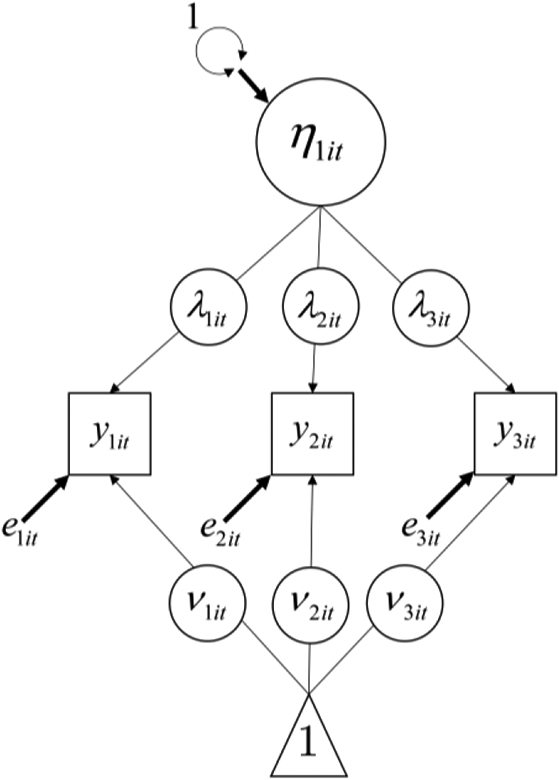
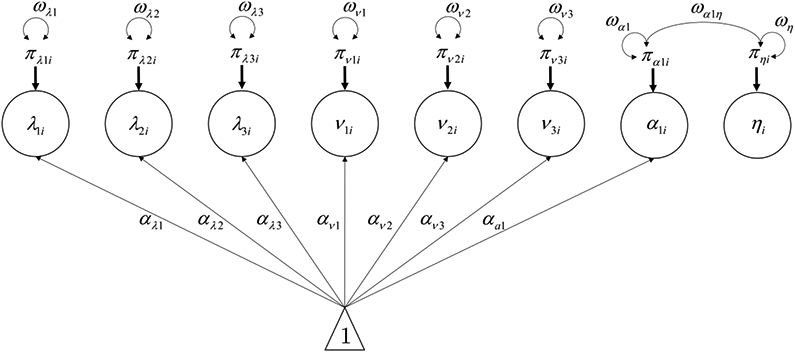
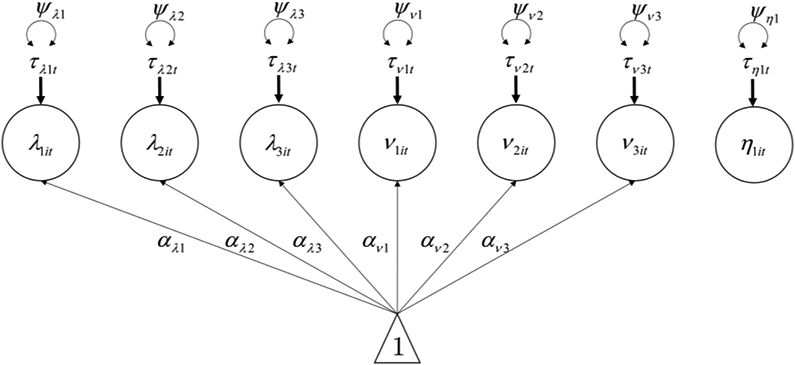
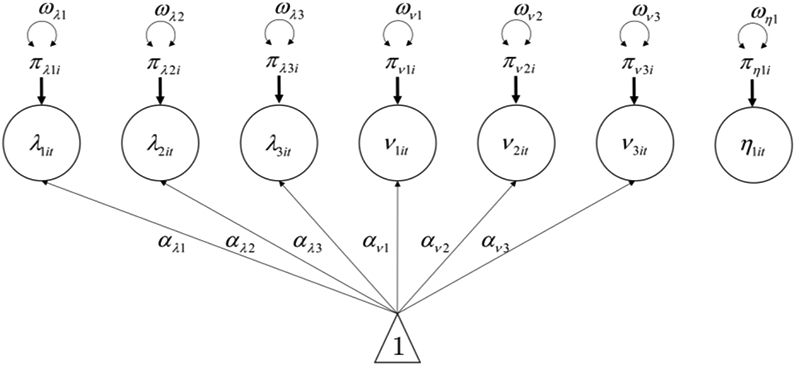
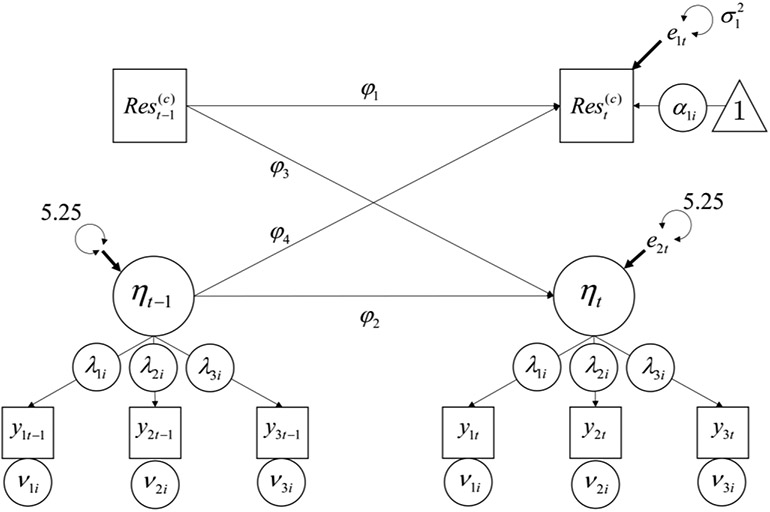
Technological advances have increased the prevalence of intensive longitudinal data as well as statistical techniques appropriate for these data, such as dynamic structural equation modeling (DSEM). Intensive longitudinal designs often investigate constructs related to affect or mood and do so with multiple item scales. However, applications of intensive longitudinal methods often rely on simple sums or averages of the administered items rather than considering a proper measurement model. This paper demonstrates how to incorporate measurement models into DSEM to (1) provide more rigorous measurement of constructs used in intensive longitudinal studies and (2) assess whether scales are invariant across time and across people, which is not possible when item responses are summed or averaged. We provide an example from an ecological momentary assessment study on self-regulation in adults with binge eating disorder and walkthrough how to fit the model in M and how to interpret the results.
技术进步提高了密集纵向数据的普及率以及适用于这些数据的统计技术,如动态结构方程模型(DSEM)。密集纵向设计通常研究与情感或情绪相关的构念,并使用多项目量表进行研究。然而,密集纵向方法的应用往往依赖于所施测项目的简单总和或平均值,而不是考虑适当的测量模型。本文展示了如何将测量模型纳入DSEM,以(1)对密集纵向研究中使用的构念进行更严格的测量,以及(2)评估量表在时间和人群中是否不变,这在对项目反应进行求和或平均时是不可能的。我们提供了一个来自对患有暴饮暴食症的成年人进行自我调节的生态瞬时评估研究的例子,并详细说明如何在M中拟合模型以及如何解释结果。