Lu Jianming, Zhong Chuanfan, Luo Junqi, Shu Fangpeng, Lv Daojun, Liu Zezhen, Tan Xiao, Wang Shuo, Wu Kaihui, Yang Taowei, Zhong Weibo, Wang Bin, Chen Yanfei, Li Yuehan, Jia Zhenyu, Zou Yaguang, Zhong Weide, Mao Xiangming
Department of Urology, Zhujiang Hospital, Southern Medical University, Guangzhou 510282, Guangdong, P.R. China.
Department of Urology, Minimally Invasive Surgery Center, the First Affiliated Hospital of Guangzhou Medical University, Guangdong Key Laboratory of Urology, Guangzhou Institute of Urology, Guangzhou 510120, Guangdong, P.R. China.
Mol Ther Nucleic Acids. 2021 Oct 19;26:927-944. doi: 10.1016/j.omtn.2021.10.006. eCollection 2021 Dec 3.
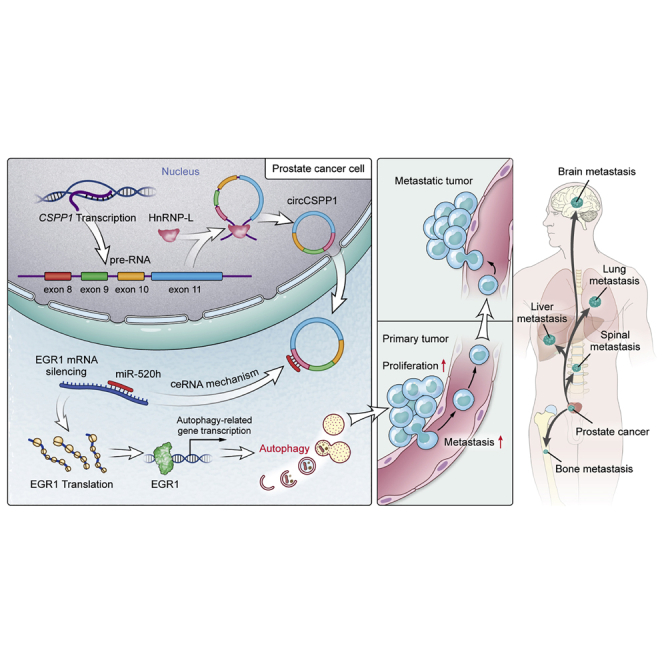
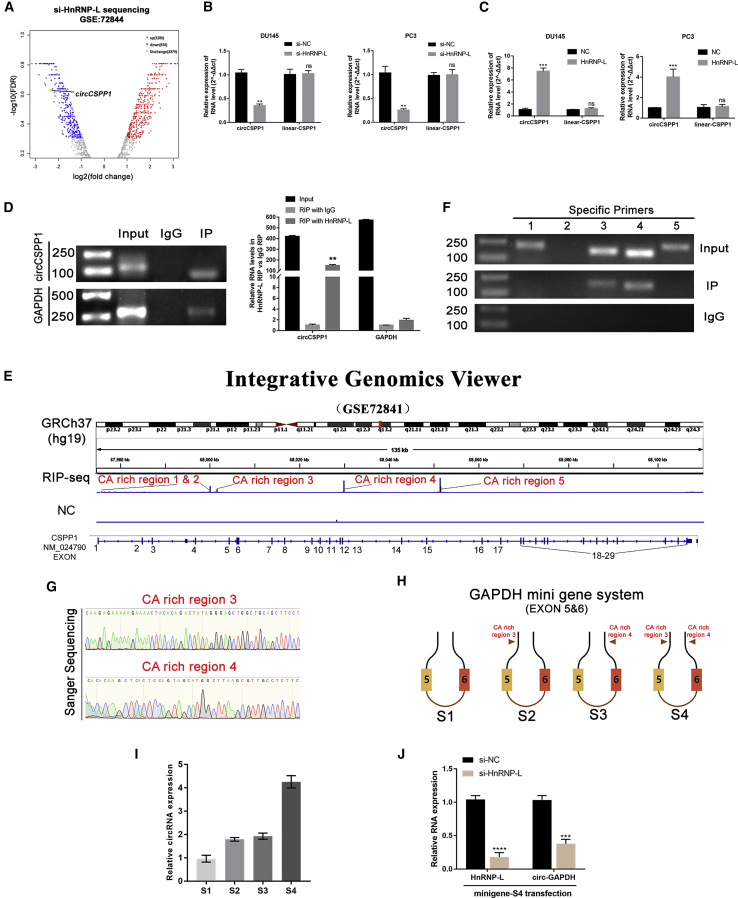
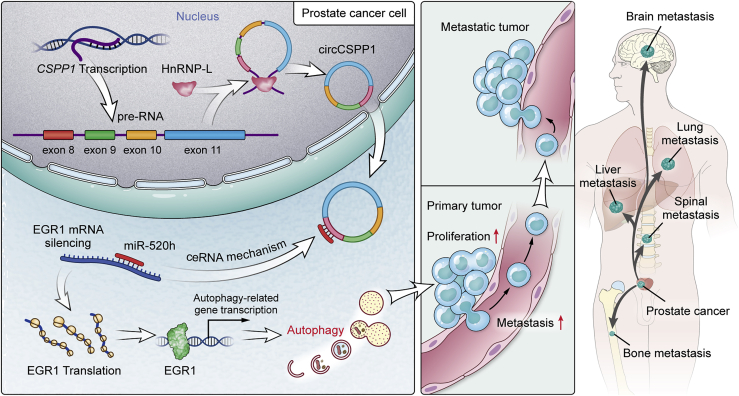
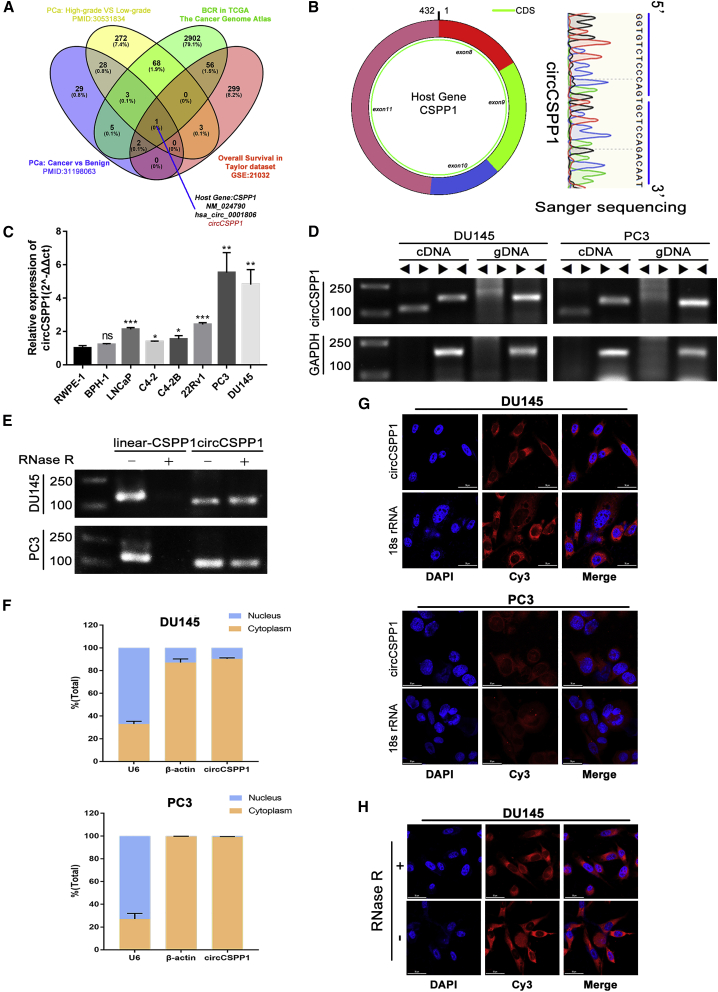
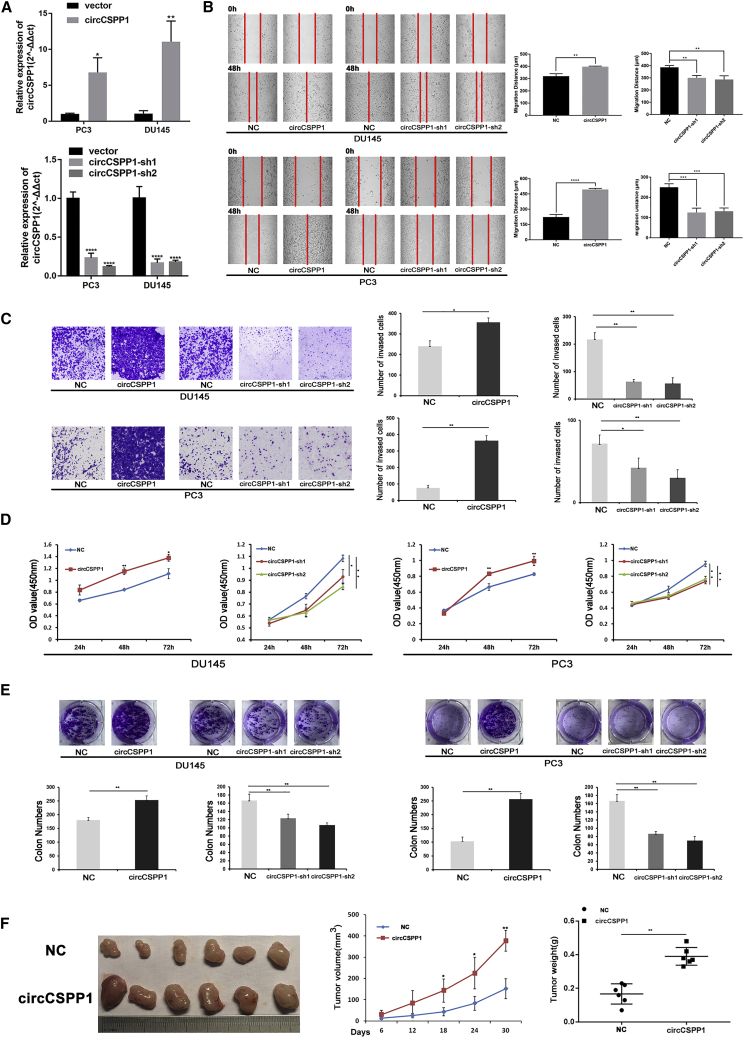
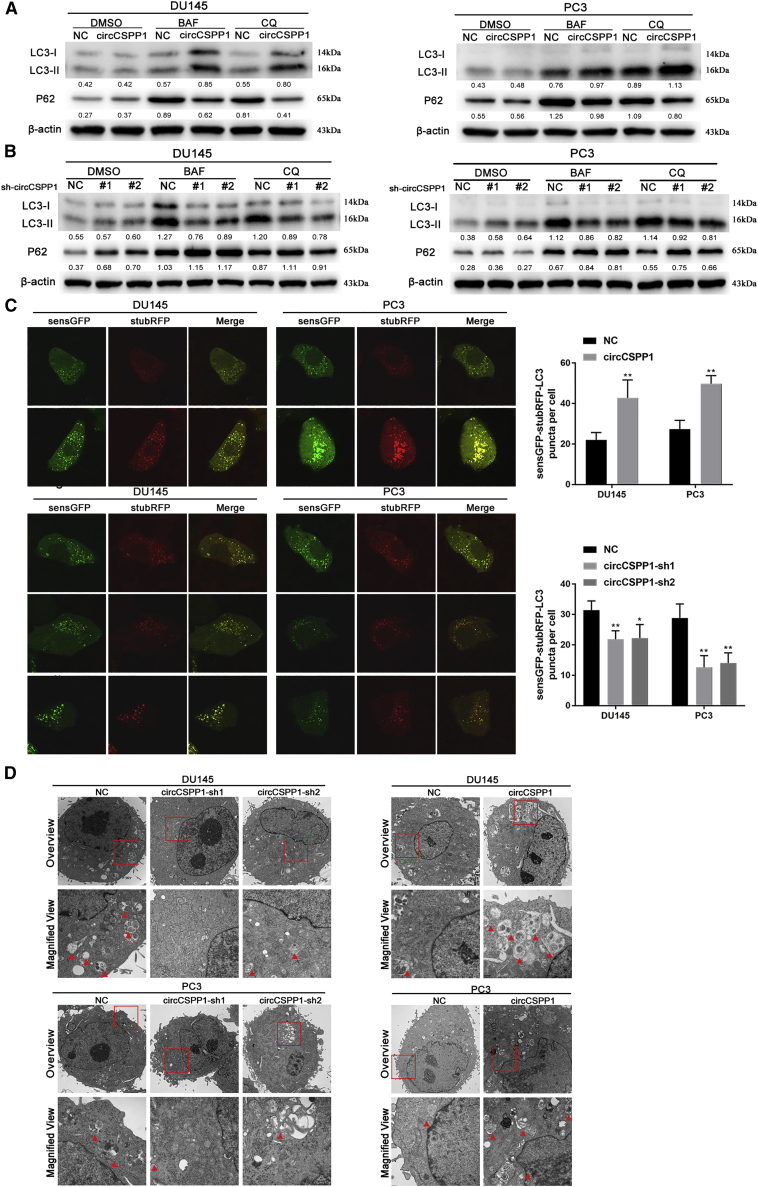
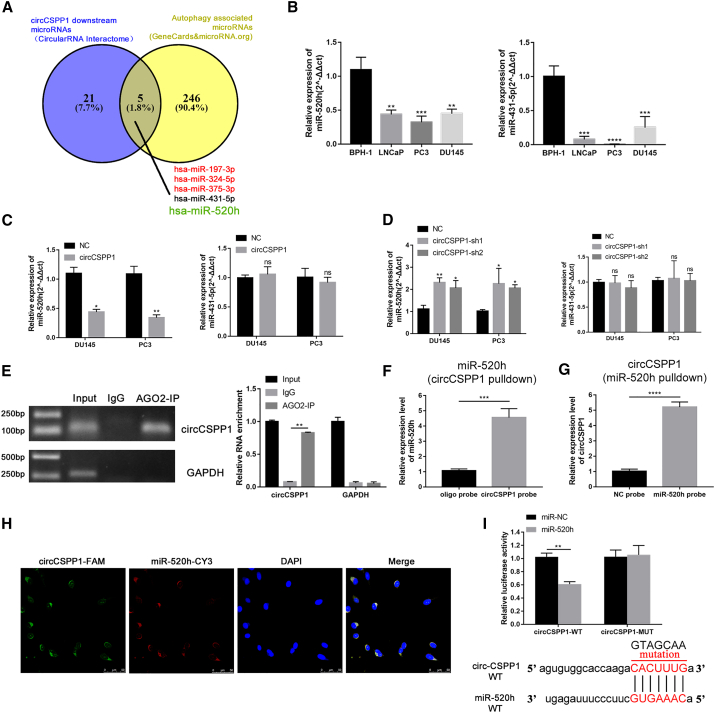
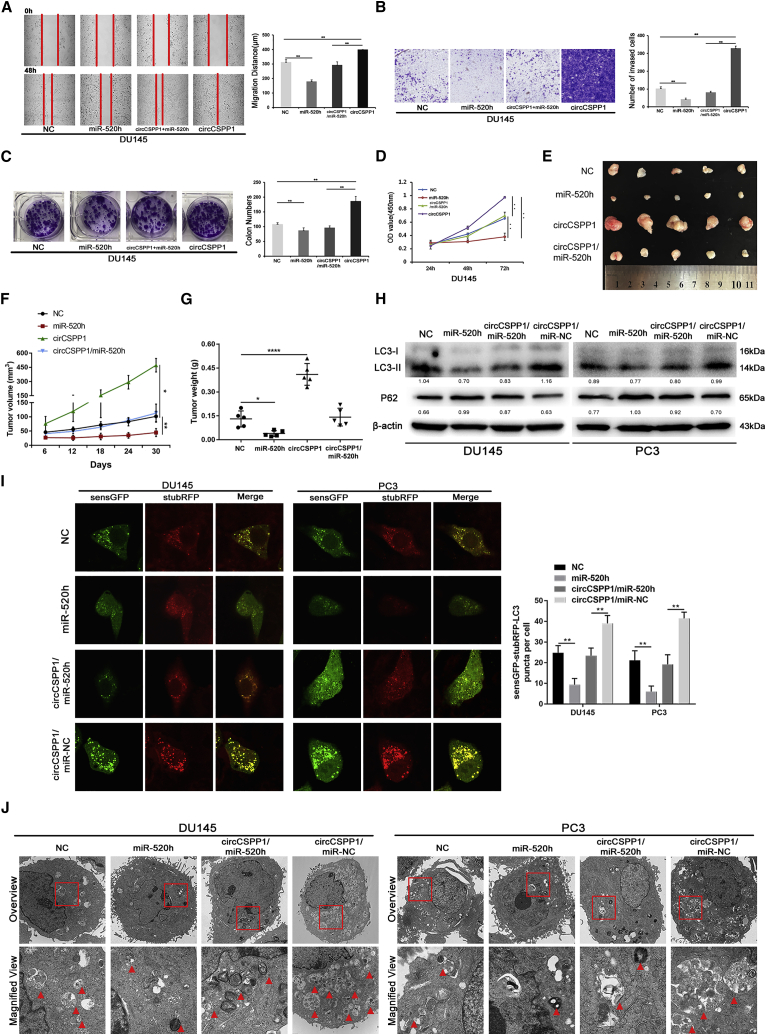
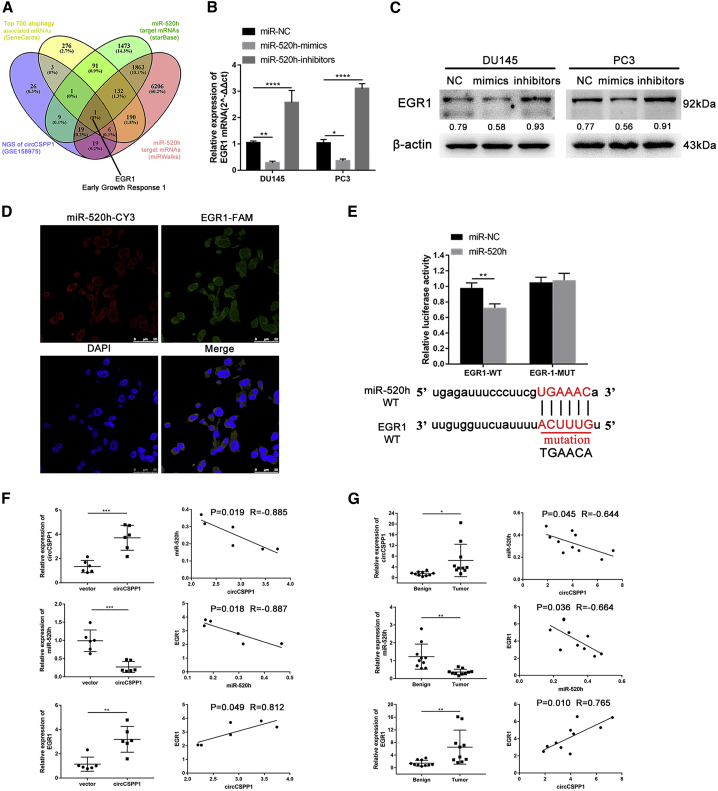
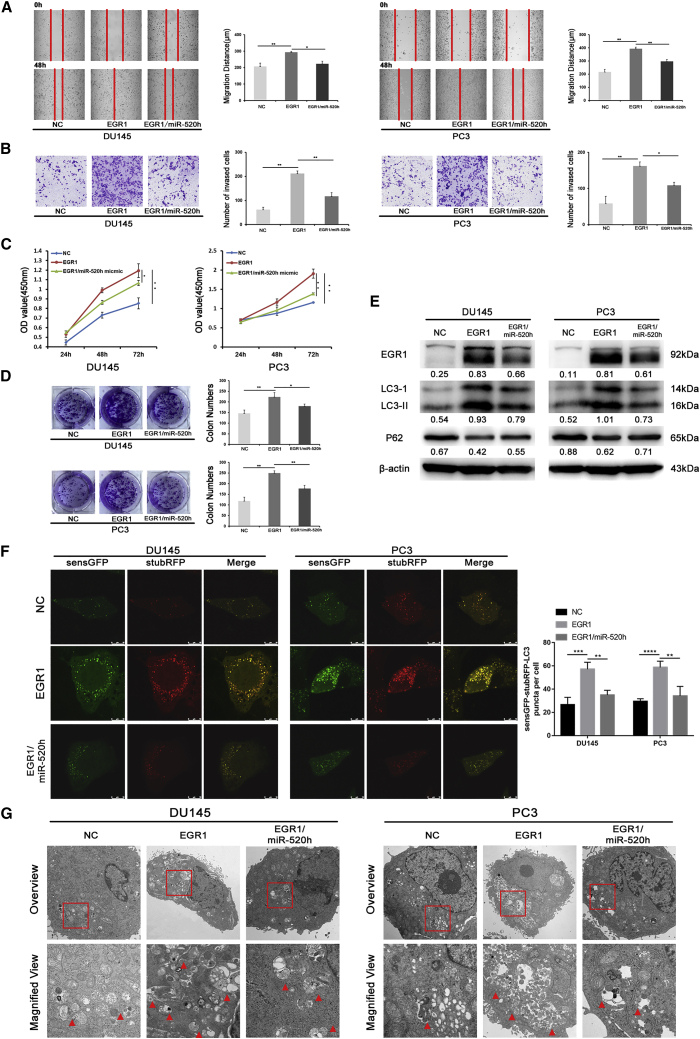
The circRNAs, a new subclass of non-coding RNAs that are catalyzed by RNA-binding proteins (RBPs), have been reported to be associated with the progression of multiple types of cancer. We previously discovered that heterogeneous nuclear ribonucleoprotein L (HnRNP-L), a multi-functional RBP, is associated with pro-proliferation and anti-apoptosis activities in prostate tumor cells. In this study, we aim to establish the biological relevance of circCSPP1 (a newly discovered signature circRNA in prostate cancer [PCa]) and HnRNP-L to prostate cancer progression. First, we demonstrated that circCSPP1 expression was higher in prostate cancer tissues than in benign tissues and higher in prostate cancer cells than in benign cells. Then, the gain- and loss-of-function experiments showed that the circCSPP1 expression in prostate cancer cells was regulated by HnRNP-L, and the increased circCSPP1 significantly induced autophagy, which led to an enhanced potential in proliferation, migration, and invasion of prostate cancer cells. These results were consistent with the experiment where increased or decreased circCSPP1 was associated with higher or slower growth rate in grafted tumors. Finally, we demonstrated the potential competing endogenous RNA network, involving circCSPP1, miR-520h, and early growth response factor 1 (), in prostate cancer cells, which may play an important role in prostate cancer progression. Our study indicated that the increase in circCSPP1 in prostate cancer, which may be catalyzed by HnRNP-L, can induce cellular autophagy through the circCSPP1-miR-520h- axis, leading to the progression of prostate tumor. This newly discovered circRNA biomarker may be used for clinical prognosis of prostate cancer as well as for development of novel therapy plans.
环状RNA(circRNAs)是一类由RNA结合蛋白(RBPs)催化产生的新型非编码RNA,据报道其与多种癌症的进展相关。我们之前发现,多功能RBP异质性细胞核核糖核蛋白L(HnRNP-L)与前列腺肿瘤细胞的促增殖和抗凋亡活性有关。在本研究中,我们旨在确定circCSPP1(前列腺癌[PCa]中一种新发现的标志性环状RNA)和HnRNP-L与前列腺癌进展的生物学相关性。首先,我们证明circCSPP1在前列腺癌组织中的表达高于良性组织,在前列腺癌细胞中的表达高于良性细胞。然后,功能获得和功能缺失实验表明,前列腺癌细胞中circCSPP1的表达受HnRNP-L调控,circCSPP1表达增加显著诱导自噬,从而导致前列腺癌细胞增殖、迁移和侵袭能力增强。这些结果与circCSPP1增加或减少与移植瘤生长速度加快或减慢相关的实验一致。最后,我们在前列腺癌细胞中证明了潜在的竞争性内源性RNA网络,涉及circCSPP1、miR-520h和早期生长反应因子1(),这可能在前列腺癌进展中起重要作用。我们的研究表明,前列腺癌中circCSPP1的增加可能由HnRNP-L催化,可通过circCSPP1-miR-520h-轴诱导细胞自噬,导致前列腺肿瘤进展。这种新发现的环状RNA生物标志物可用于前列腺癌的临床预后以及新治疗方案的开发。