Harvard Medical School, Departments of Surgery, Critical Care and Pain Medicine, Beth Israel Deaconess Medical Center, Boston, MA, 02215, USA.
Departments of Anesthesia, Critical Care and Pain Medicine, Beth Israel Deaconess Medical Center, Boston, MA, 02215, USA.
Redox Biol. 2021 Dec;48:102183. doi: 10.1016/j.redox.2021.102183. Epub 2021 Nov 8.
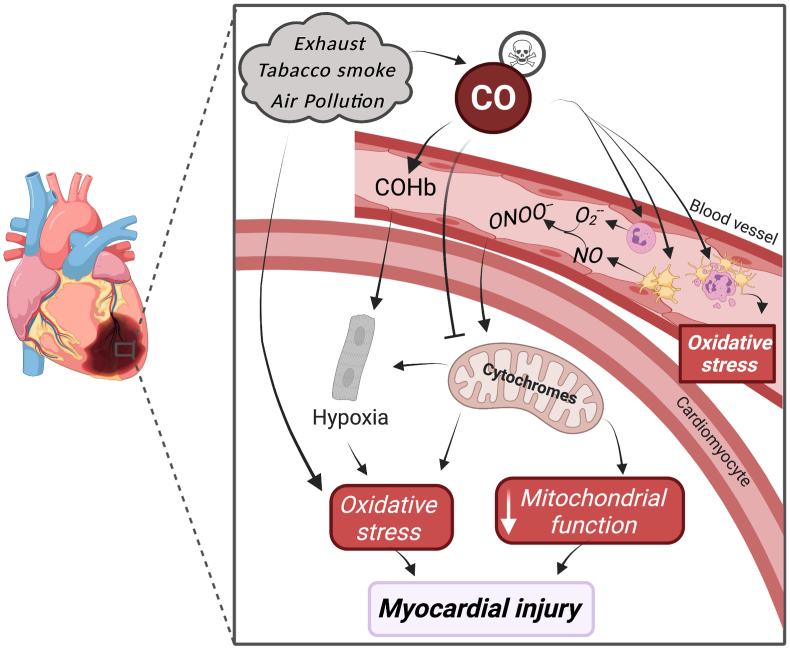
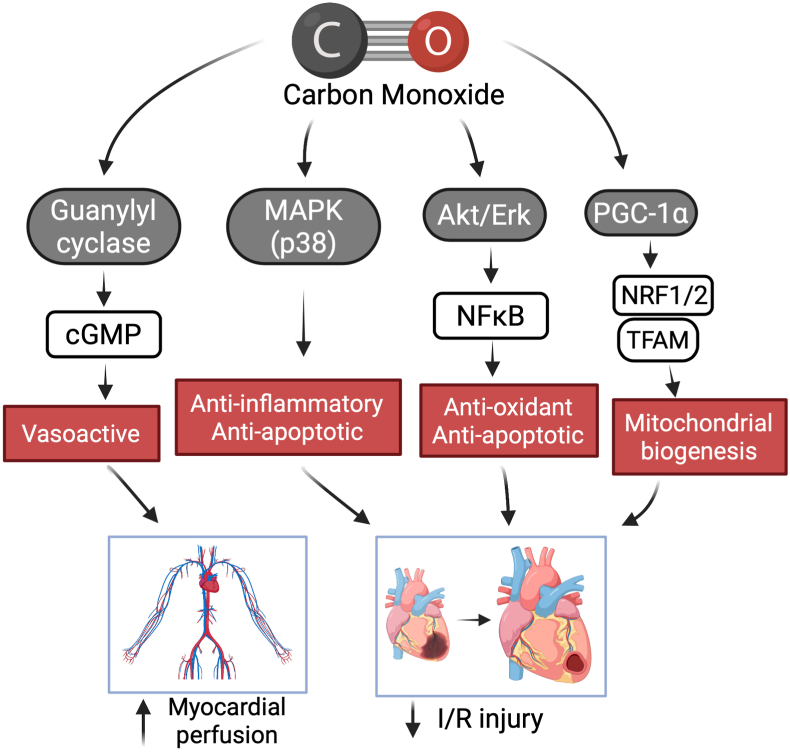
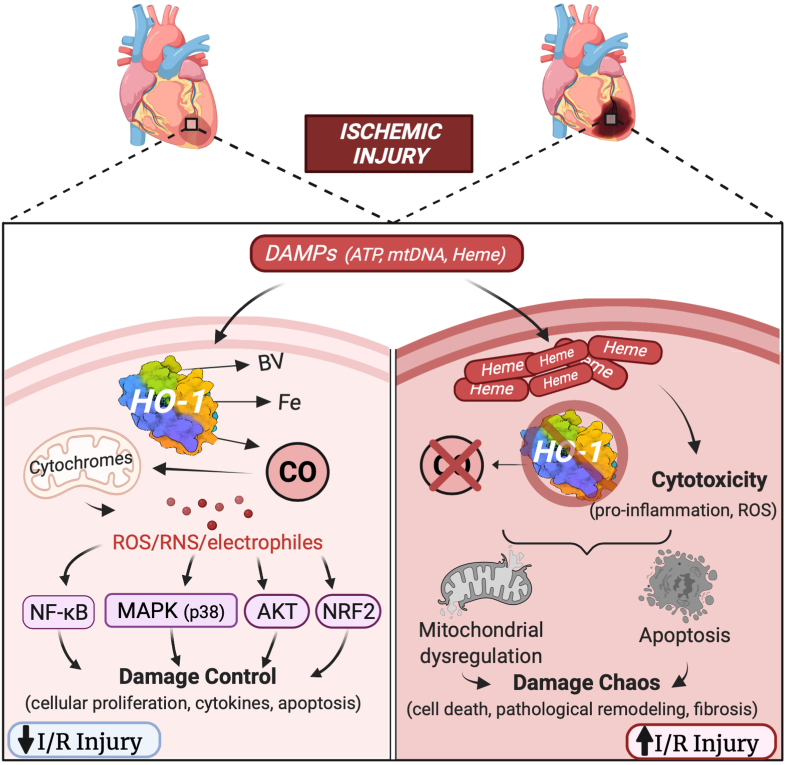
The relationship between carbon monoxide and the heart has been extensively studied in both clinical and preclinical settings. The Food and Drug Administration (FDA) is keenly focused on the ill effects of carbon monoxide on the heart when presented with proposals for clinical trials to evaluate efficacy of this gasotransmitter in a various disease settings. This review provides an overview of the rationale that examines the actions of the FDA when considering clinical testing of CO, and contrast that with the continued accumulation of data that clearly show not only that CO can be used safely, but is potently cardioprotective in clinically relevant small and large animal models. Data emerging from Phase I and Phase II clinical trials argues against CO being dangerous to the heart and thus it needs to be redefined and evaluated as any other substance being proposed for use in humans. More than twenty years ago, the belief that CO could be used as a salutary molecule was ridiculed by experts in physiology and medicine. Like all agents designed for use in humans, careful pharmacology and safety are paramount, but continuing to hinder progress based on long-standing dogma in the absence of data is improper. Now, CO is being tested in multiple clinical trials using innovative delivery methods and has proven to be safe. The hope, based on compelling preclinical data, is that it will continue to be evaluated and ultimately approved as an effective therapeutic.
一氧化碳与心脏之间的关系在临床和临床前环境中都得到了广泛研究。当提出临床试验提案以评估这种气体递质在各种疾病环境中的疗效时,美国食品和药物管理局 (FDA) 非常关注一氧化碳对心脏的不良影响。这篇综述概述了审查 FDA 在考虑 CO 临床测试时的基本原理,并将其与不断积累的数据进行了对比,这些数据清楚地表明,CO 不仅可以安全使用,而且在临床相关的小动物和大动物模型中具有强大的心脏保护作用。来自 I 期和 II 期临床试验的数据表明 CO 对心脏没有危险,因此需要对其进行重新定义和评估,就像评估任何其他拟用于人类的物质一样。二十多年前,认为 CO 可以用作有益分子的观点被生理学和医学专家嘲笑。像所有旨在用于人类的药物一样,仔细的药理学和安全性至关重要,但在缺乏数据的情况下,基于长期存在的教条继续阻碍进展是不合适的。现在,CO 正在使用创新的给药方法进行多项临床试验,并且已被证明是安全的。基于令人信服的临床前数据,人们希望它将继续得到评估,并最终被批准为有效的治疗方法。