• 文献检索
  • 文档翻译
  • 深度研究
  • 学术资讯
  • Suppr Zotero 插件Zotero 插件
  • 邀请有礼
  • 套餐&价格
  • 历史记录
应用&插件
Suppr Zotero 插件Zotero 插件浏览器插件Mac 客户端Windows 客户端微信小程序
定价
高级版会员购买积分包购买API积分包
服务
文献检索文档翻译深度研究API 文档MCP 服务
关于我们
关于 Suppr公司介绍联系我们用户协议隐私条款
关注我们

Suppr 超能文献

核心技术专利:CN118964589B侵权必究
粤ICP备2023148730 号-1Suppr @ 2026

文献检索

告别复杂PubMed语法,用中文像聊天一样搜索,搜遍4000万医学文献。AI智能推荐,让科研检索更轻松。

立即免费搜索

文件翻译

保留排版,准确专业,支持PDF/Word/PPT等文件格式,支持 12+语言互译。

免费翻译文档

深度研究

AI帮你快速写综述,25分钟生成高质量综述,智能提取关键信息,辅助科研写作。

立即免费体验

基于增强高斯过程回归的COVID-19疫情预测模型及其物联网检测的意义。

Enhanced Gaussian process regression-based forecasting model for COVID-19 outbreak and significance of IoT for its detection.

作者信息

Ketu Shwet, Mishra Pramod Kumar

机构信息

Department of Computer Science, Institute of Science, Banaras Hindu University, Varanasi, India.

出版信息

Appl Intell (Dordr). 2021;51(3):1492-1512. doi: 10.1007/s10489-020-01889-9. Epub 2020 Sep 28.

DOI:10.1007/s10489-020-01889-9
PMID:34764576
原文链接:https://pmc.ncbi.nlm.nih.gov/articles/PMC7785924/
Abstract

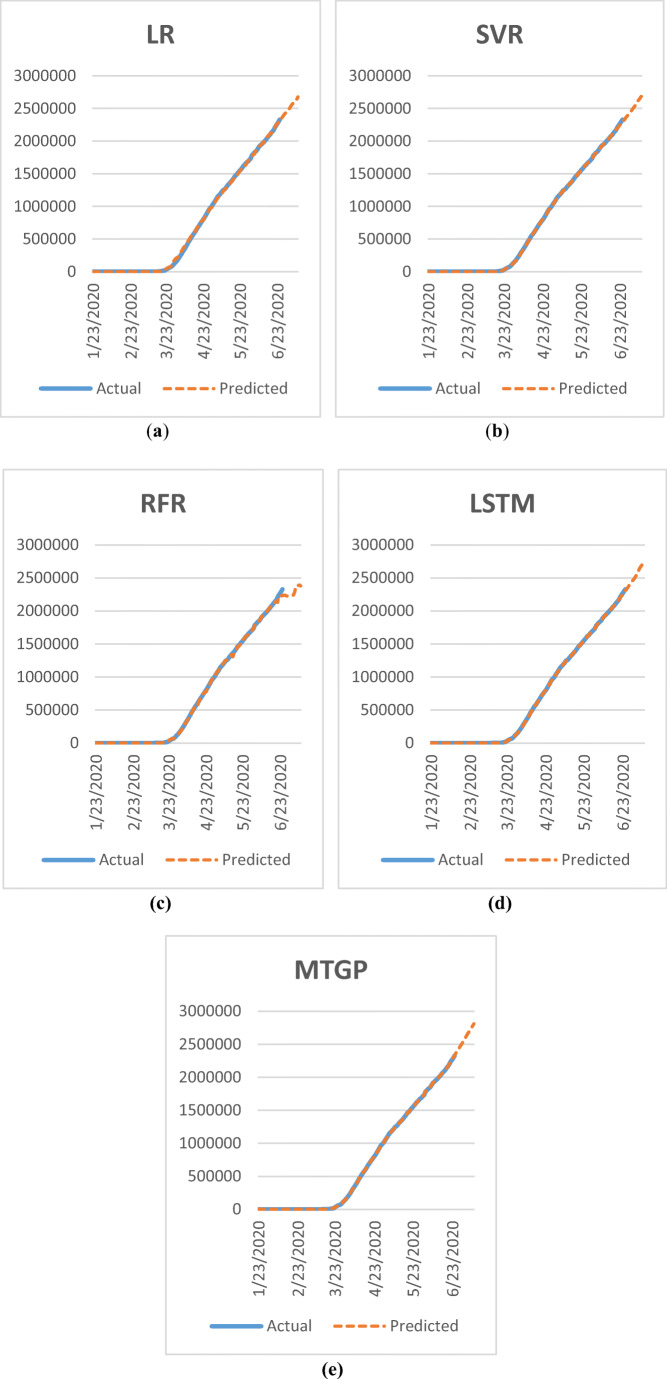
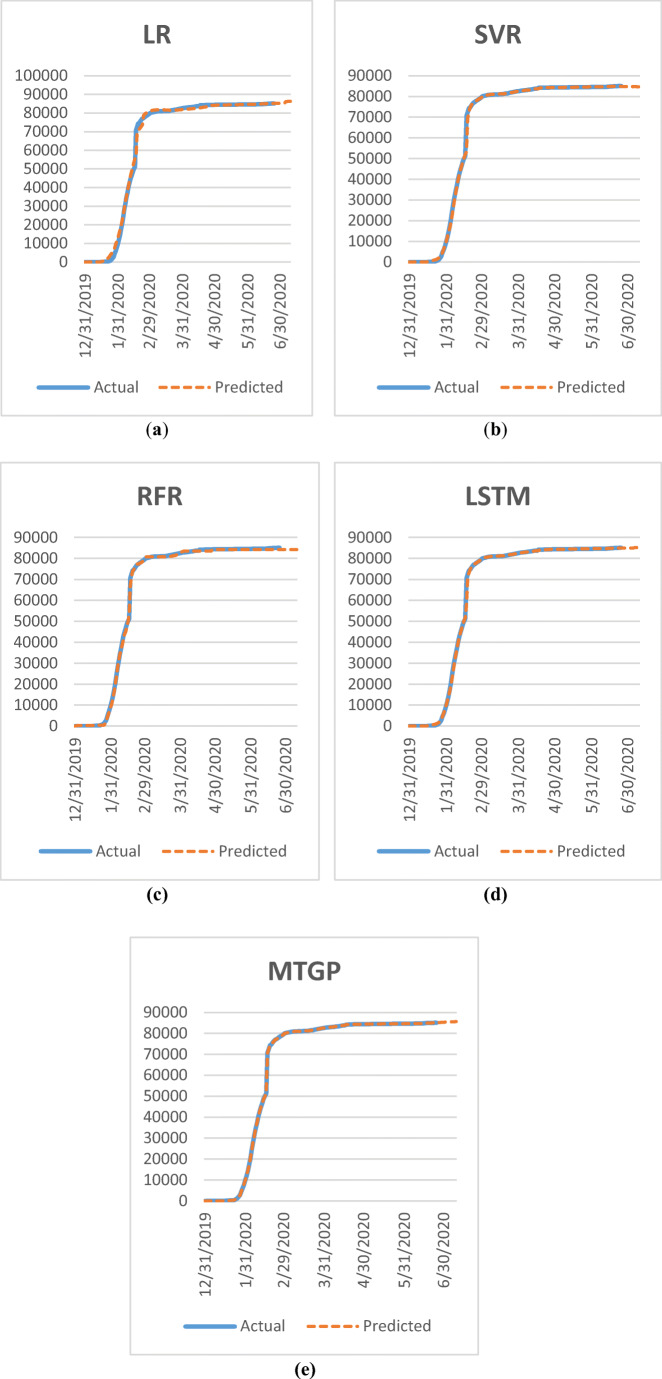
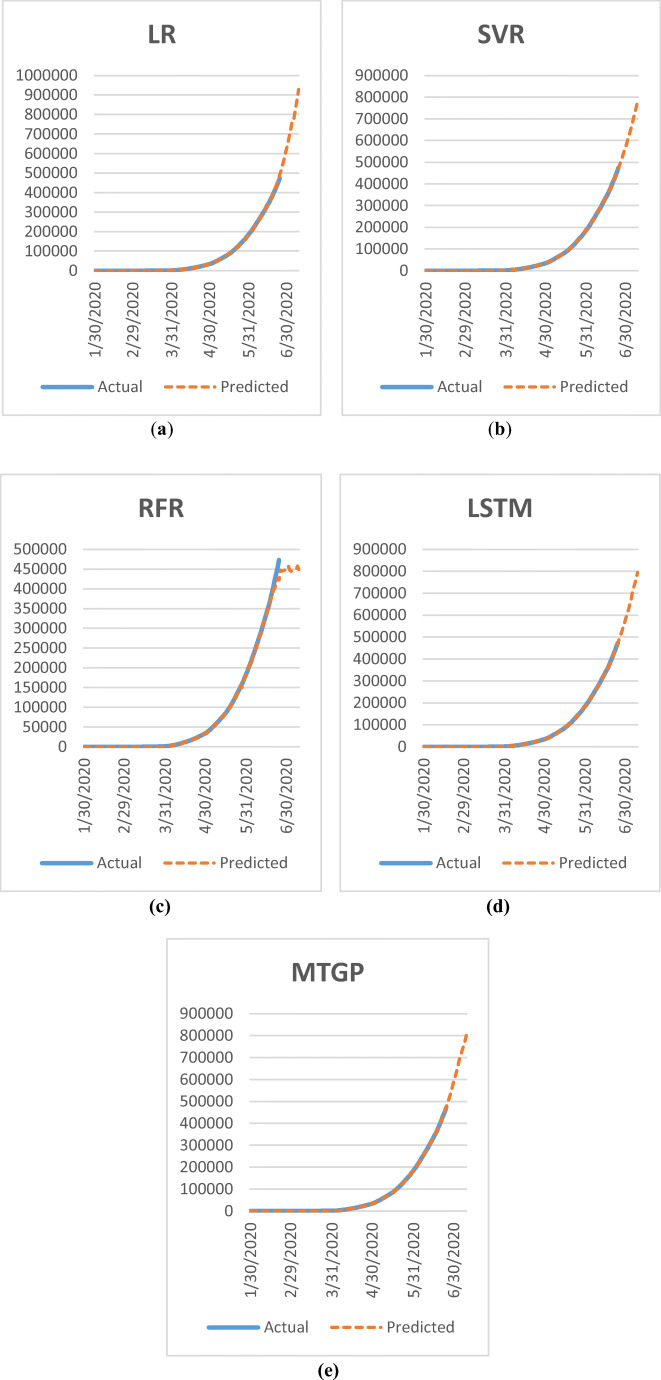
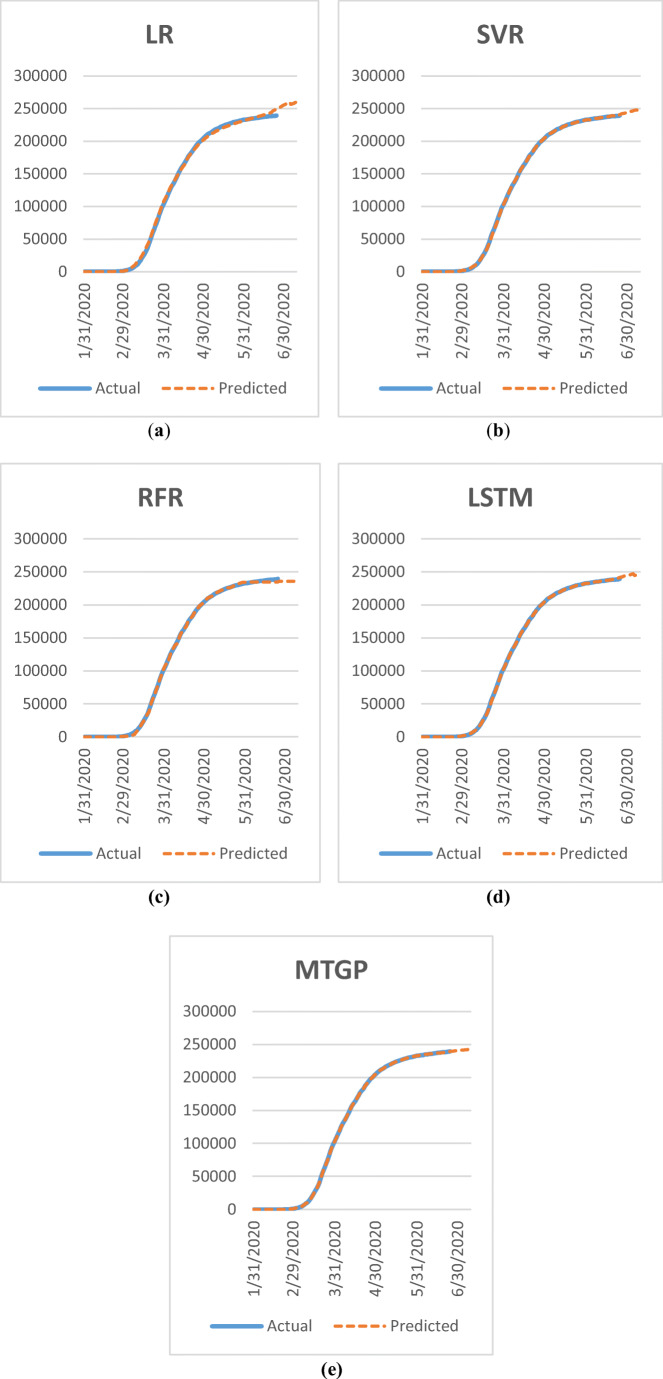
Virus based epidemic is one of the speedy and widely spread infectious disease which can affect the economy of the country as well as it is life-threatening too. So, there is a need to forecast the epidemic lifespan, which can help us in taking preventive measures and remedial action on time. These preventive measures and corrective action may consist of closing schools, closing malls, closing theaters, sealing of borders, suspension of public services, and suspension of traveling. Resuming such restrictions is depends upon the outbreak momentum and its decay rate. The accurate forecasting of the epidemic lifespan is one of the enormously essential and challenging tasks. It is a challenging task because the lack of knowledge about the novel virus-based diseases and its consequences with complicated societal-governmental factors can influence the widespread of this newly born disease. At this stage, any forecasting can play a vital role, and it will be reliable too. As we know, the novel virus-based diseases are in a growing phase, and we also do not have real-time data samples. Thus, the biggest challenge is to find out the machine learning-based best forecasting model, which could offer better forecasting with the limited training samples. In this paper, the Multi-Task Gaussian Process (MTGP) regression model with enhanced predictions of novel coronavirus (COVID-19) outbreak is proposed. The purpose of the proposed MTGP regression model is to predict the COVID-19 outbreak worldwide. It will help the countries in planning their preventive measures to reduce the overall impact of the speedy and widely spread infectious disease. The result of the proposed model has been compared with the other prediction model to find out its suitability and correctness. In subsequent analysis, the significance of IoT based devices in COVID-19 detection and prevention has been discussed.

摘要

基于病毒的疫情是迅速传播且广泛扩散的传染病之一,它会影响国家经济,同时也危及生命。因此,有必要预测疫情的持续时间,这有助于我们及时采取预防措施和补救行动。这些预防措施和纠正行动可能包括关闭学校、关闭商场、关闭剧院、封锁边境、暂停公共服务以及暂停旅行。恢复这些限制取决于疫情的爆发势头及其衰减率。准确预测疫情持续时间是极其重要且具有挑战性的任务之一。这是一项具有挑战性的任务,因为对新型病毒性疾病及其与复杂社会 - 政府因素的后果缺乏了解,可能会影响这种新出现疾病的传播。在现阶段,任何预测都能发挥重要作用,并且也会是可靠的。正如我们所知,新型病毒性疾病正处于发展阶段,而且我们也没有实时数据样本。因此,最大的挑战是找到基于机器学习的最佳预测模型,该模型能够在有限的训练样本下提供更好的预测。本文提出了具有增强的新型冠状病毒(COVID - 19)爆发预测功能的多任务高斯过程(MTGP)回归模型。所提出的MTGP回归模型的目的是预测全球范围内的COVID - 19疫情爆发。它将帮助各国规划预防措施,以减少这种迅速传播且广泛扩散的传染病的总体影响。已将所提出模型的结果与其他预测模型进行比较,以确定其适用性和正确性。在后续分析中,还讨论了基于物联网的设备在COVID - 19检测和预防中的重要性。

https://cdn.ncbi.nlm.nih.gov/pmc/blobs/f2a8/7785924/ea0a20d8d2dc/10489_2020_1889_Fig11_HTML.jpg
https://cdn.ncbi.nlm.nih.gov/pmc/blobs/f2a8/7785924/334a7d36f184/10489_2020_1889_Figa_HTML.jpg
https://cdn.ncbi.nlm.nih.gov/pmc/blobs/f2a8/7785924/70d7f06a2dbe/10489_2020_1889_Fig1_HTML.jpg
https://cdn.ncbi.nlm.nih.gov/pmc/blobs/f2a8/7785924/10cb45b71967/10489_2020_1889_Fig2_HTML.jpg
https://cdn.ncbi.nlm.nih.gov/pmc/blobs/f2a8/7785924/8a23a59781d3/10489_2020_1889_Fig3_HTML.jpg
https://cdn.ncbi.nlm.nih.gov/pmc/blobs/f2a8/7785924/8b5c03bece67/10489_2020_1889_Fig4_HTML.jpg
https://cdn.ncbi.nlm.nih.gov/pmc/blobs/f2a8/7785924/c5e7f2201328/10489_2020_1889_Fig5_HTML.jpg
https://cdn.ncbi.nlm.nih.gov/pmc/blobs/f2a8/7785924/a7eedcbe1a02/10489_2020_1889_Fig6_HTML.jpg
https://cdn.ncbi.nlm.nih.gov/pmc/blobs/f2a8/7785924/619fa9e90716/10489_2020_1889_Fig7_HTML.jpg
https://cdn.ncbi.nlm.nih.gov/pmc/blobs/f2a8/7785924/51fb7a8868dc/10489_2020_1889_Fig8_HTML.jpg
https://cdn.ncbi.nlm.nih.gov/pmc/blobs/f2a8/7785924/8b6c4c7ba093/10489_2020_1889_Fig9_HTML.jpg
https://cdn.ncbi.nlm.nih.gov/pmc/blobs/f2a8/7785924/0bde45c1ce63/10489_2020_1889_Fig10_HTML.jpg
https://cdn.ncbi.nlm.nih.gov/pmc/blobs/f2a8/7785924/ea0a20d8d2dc/10489_2020_1889_Fig11_HTML.jpg
https://cdn.ncbi.nlm.nih.gov/pmc/blobs/f2a8/7785924/334a7d36f184/10489_2020_1889_Figa_HTML.jpg
https://cdn.ncbi.nlm.nih.gov/pmc/blobs/f2a8/7785924/70d7f06a2dbe/10489_2020_1889_Fig1_HTML.jpg
https://cdn.ncbi.nlm.nih.gov/pmc/blobs/f2a8/7785924/10cb45b71967/10489_2020_1889_Fig2_HTML.jpg
https://cdn.ncbi.nlm.nih.gov/pmc/blobs/f2a8/7785924/8a23a59781d3/10489_2020_1889_Fig3_HTML.jpg
https://cdn.ncbi.nlm.nih.gov/pmc/blobs/f2a8/7785924/8b5c03bece67/10489_2020_1889_Fig4_HTML.jpg
https://cdn.ncbi.nlm.nih.gov/pmc/blobs/f2a8/7785924/c5e7f2201328/10489_2020_1889_Fig5_HTML.jpg
https://cdn.ncbi.nlm.nih.gov/pmc/blobs/f2a8/7785924/a7eedcbe1a02/10489_2020_1889_Fig6_HTML.jpg
https://cdn.ncbi.nlm.nih.gov/pmc/blobs/f2a8/7785924/619fa9e90716/10489_2020_1889_Fig7_HTML.jpg
https://cdn.ncbi.nlm.nih.gov/pmc/blobs/f2a8/7785924/51fb7a8868dc/10489_2020_1889_Fig8_HTML.jpg
https://cdn.ncbi.nlm.nih.gov/pmc/blobs/f2a8/7785924/8b6c4c7ba093/10489_2020_1889_Fig9_HTML.jpg
https://cdn.ncbi.nlm.nih.gov/pmc/blobs/f2a8/7785924/0bde45c1ce63/10489_2020_1889_Fig10_HTML.jpg
https://cdn.ncbi.nlm.nih.gov/pmc/blobs/f2a8/7785924/ea0a20d8d2dc/10489_2020_1889_Fig11_HTML.jpg

相似文献

1
Enhanced Gaussian process regression-based forecasting model for COVID-19 outbreak and significance of IoT for its detection.基于增强高斯过程回归的COVID-19疫情预测模型及其物联网检测的意义。
Appl Intell (Dordr). 2021;51(3):1492-1512. doi: 10.1007/s10489-020-01889-9. Epub 2020 Sep 28.
2
IoT-based analysis for controlling & spreading prediction of COVID-19 in Saudi Arabia.基于物联网的沙特阿拉伯新冠肺炎控制与传播预测分析
Soft comput. 2021;25(18):12551-12563. doi: 10.1007/s00500-021-06024-5. Epub 2021 Jul 19.
3
Predictive model with analysis of the initial spread of COVID-19 in India.预测模型分析印度 COVID-19 的初始传播情况。
Int J Med Inform. 2020 Nov;143:104262. doi: 10.1016/j.ijmedinf.2020.104262. Epub 2020 Aug 25.
4
Forecasting the long-term trend of COVID-19 epidemic using a dynamic model.利用动态模型预测 COVID-19 疫情的长期趋势。
Sci Rep. 2020 Dec 3;10(1):21122. doi: 10.1038/s41598-020-78084-w.
5
Outbreak Trends of Coronavirus Disease-2019 in India: A Prediction.印度 2019 年冠状病毒病疫情趋势预测。
Disaster Med Public Health Prep. 2020 Oct;14(5):e33-e38. doi: 10.1017/dmp.2020.115. Epub 2020 Apr 22.
6
Time series forecasting of COVID-19 transmission in Canada using LSTM networks.使用长短期记忆网络对加拿大新冠病毒传播进行时间序列预测。
Chaos Solitons Fractals. 2020 Jun;135:109864. doi: 10.1016/j.chaos.2020.109864. Epub 2020 May 8.
7
Prediction and forecasting of worldwide corona virus (COVID-19) outbreak using time series and machine learning.使用时间序列和机器学习对全球冠状病毒(COVID-19)疫情进行预测与预报。
Concurr Comput. 2022 Aug 29:e7286. doi: 10.1002/cpe.7286.
8
A Reminder of Skin Cancer During the COVID-19 Pandemic.新冠疫情期间对皮肤癌的提醒。
Acta Dermatovenerol Croat. 2021 Apr;291(1):58.
9
A COVID-19 Pandemic Artificial Intelligence-Based System With Deep Learning Forecasting and Automatic Statistical Data Acquisition: Development and Implementation Study.一种基于人工智能的新冠肺炎大流行深度学习预测与自动统计数据采集系统:开发与实施研究
J Med Internet Res. 2021 May 20;23(5):e27806. doi: 10.2196/27806.
10
Modeling and tracking Covid-19 cases using Big Data analytics on HPCC system platformm.在惠普高性能计算集群(HPCC)系统平台上使用大数据分析对新冠病毒疾病(Covid-19)病例进行建模和追踪。
J Big Data. 2021;8(1):33. doi: 10.1186/s40537-021-00423-z. Epub 2021 Feb 15.

引用本文的文献

1
Application of deep reinforcement learning in parameter optimization and refinement of turbulence models.深度强化学习在湍流模型参数优化与细化中的应用。
Sci Rep. 2025 Jul 12;15(1):25236. doi: 10.1038/s41598-025-00351-5.
2
Machine Learning Techniques Applied to COVID-19 Prediction: A Systematic Literature Review.应用于新冠肺炎预测的机器学习技术:系统文献综述
Bioengineering (Basel). 2025 May 13;12(5):514. doi: 10.3390/bioengineering12050514.
3
A self-driven ESN-DSS approach for effective COVID-19 time series prediction and modelling.

本文引用的文献

1
Spreading predictability in complex networks.在复杂网络中传播可预测性。
Sci Rep. 2021 Jul 12;11(1):14320. doi: 10.1038/s41598-021-93611-z.
2
Predicting the cumulative number of cases for the COVID-19 epidemic in China from early data.从早期数据预测中国 COVID-19 疫情的累计病例数。
Math Biosci Eng. 2020 Apr 8;17(4):3040-3051. doi: 10.3934/mbe.2020172.
3
Application of the ARIMA model on the COVID-2019 epidemic dataset.自回归积分滑动平均(ARIMA)模型在2019年冠状病毒病疫情数据集上的应用。
一种用于有效 COVID-19 时间序列预测和建模的自驱动 ESN-DSS 方法。
Epidemiol Infect. 2024 Nov 22;152:e146. doi: 10.1017/S0950268824000992.
4
Computer-aided methods for combating Covid-19 in prevention, detection, and service provision approaches.用于在预防、检测和服务提供方法中抗击新冠疫情的计算机辅助方法。
Neural Comput Appl. 2023;35(20):14739-14778. doi: 10.1007/s00521-023-08612-y. Epub 2023 May 5.
5
The role of machine learning in health policies during the COVID-19 pandemic and in long COVID management.机器学习在 COVID-19 大流行期间和长新冠管理中的卫生政策中的作用。
Front Public Health. 2023 Apr 11;11:1140353. doi: 10.3389/fpubh.2023.1140353. eCollection 2023.
6
Internet of Things (IoT) Adoption Model for Early Identification and Monitoring of COVID-19 Cases: A Systematic Review.用于早期识别和监测新冠肺炎病例的物联网采用模型:一项系统综述
Int J Prev Med. 2022 Aug 8;13:112. doi: 10.4103/ijpvm.IJPVM_667_20. eCollection 2022.
7
Image enhancement techniques on deep learning approaches for automated diagnosis of COVID-19 features using CXR images.基于深度学习方法的图像增强技术在使用胸部X光图像自动诊断新冠病毒特征中的应用
Multimed Tools Appl. 2022;81(29):42649-42690. doi: 10.1007/s11042-022-13486-8. Epub 2022 Aug 1.
8
Artificial intelligence-inspired comprehensive framework for Covid-19 outbreak control.人工智能启发的新冠疫情综合防控框架。
Artif Intell Med. 2022 May;127:102288. doi: 10.1016/j.artmed.2022.102288. Epub 2022 Mar 26.
9
Framework for enhancing the estimation of model parameters for data with a high level of uncertainty.用于增强对具有高度不确定性的数据的模型参数估计的框架。
Nonlinear Dyn. 2022;107(3):1919-1936. doi: 10.1007/s11071-021-07069-9. Epub 2022 Jan 7.
10
India perspective: CNN-LSTM hybrid deep learning model-based COVID-19 prediction and current status of medical resource availability.印度视角:基于CNN-LSTM混合深度学习模型的新冠疫情预测及医疗资源可及性现状
Soft comput. 2022;26(2):645-664. doi: 10.1007/s00500-021-06490-x. Epub 2021 Nov 19.
Data Brief. 2020 Feb 26;29:105340. doi: 10.1016/j.dib.2020.105340. eCollection 2020 Apr.
4
Prediction of Epidemic Spread of the 2019 Novel Coronavirus Driven by Spring Festival Transportation in China: A Population-Based Study.基于人群的研究:春运对中国 2019 年新型冠状病毒流行传播的预测。
Int J Environ Res Public Health. 2020 Mar 4;17(5):1679. doi: 10.3390/ijerph17051679.
5
Optimization Method for Forecasting Confirmed Cases of COVID-19 in China.中国新冠肺炎确诊病例预测的优化方法
J Clin Med. 2020 Mar 2;9(3):674. doi: 10.3390/jcm9030674.
6
Clinical characteristics and imaging manifestations of the 2019 novel coronavirus disease (COVID-19):A multi-center study in Wenzhou city, Zhejiang, China.中国浙江省温州市多中心研究:2019 年新型冠状病毒病(COVID-19)的临床特征和影像学表现。
J Infect. 2020 Apr;80(4):388-393. doi: 10.1016/j.jinf.2020.02.016. Epub 2020 Feb 26.
7
Short-term Forecasts of the COVID-19 Epidemic in Guangdong and Zhejiang, China: February 13-23, 2020.中国广东和浙江地区2019冠状病毒病疫情的短期预测:2020年2月13日至23日
J Clin Med. 2020 Feb 22;9(2):596. doi: 10.3390/jcm9020596.
8
Risk Assessment of Novel Coronavirus COVID-19 Outbreaks Outside China.中国境外新型冠状病毒COVID-19疫情的风险评估
J Clin Med. 2020 Feb 19;9(2):571. doi: 10.3390/jcm9020571.
9
Real-Time Estimation of the Risk of Death from Novel Coronavirus (COVID-19) Infection: Inference Using Exported Cases.新型冠状病毒(COVID-19)感染死亡风险的实时估计:基于输出病例的推断
J Clin Med. 2020 Feb 14;9(2):523. doi: 10.3390/jcm9020523.
10
Potential Maternal and Infant Outcomes from (Wuhan) Coronavirus 2019-nCoV Infecting Pregnant Women: Lessons from SARS, MERS, and Other Human Coronavirus Infections.新型冠状病毒(2019-nCoV)感染孕妇的母婴潜在结局:来自 SARS、MERS 和其他人类冠状病毒感染的教训。
Viruses. 2020 Feb 10;12(2):194. doi: 10.3390/v12020194.