Ketu Shwet, Mishra Pramod Kumar
Department of Computer Science, Institute of Science, Banaras Hindu University, Varanasi, India.
Soft comput. 2022;26(2):645-664. doi: 10.1007/s00500-021-06490-x. Epub 2021 Nov 19.
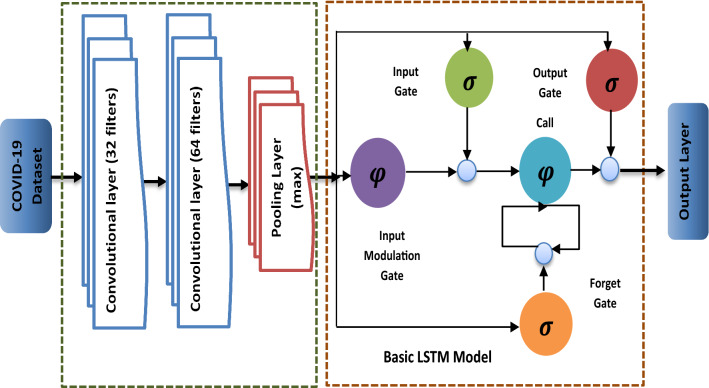
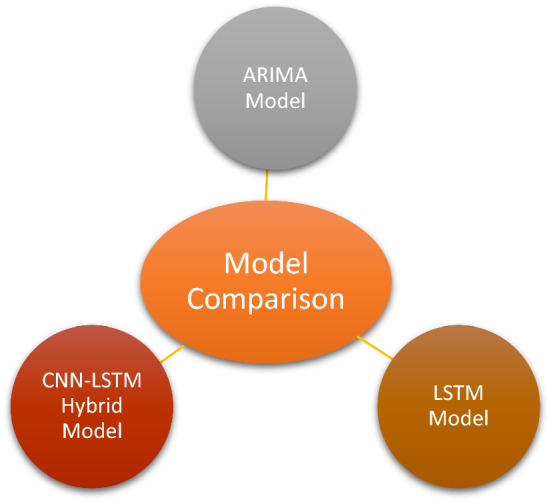
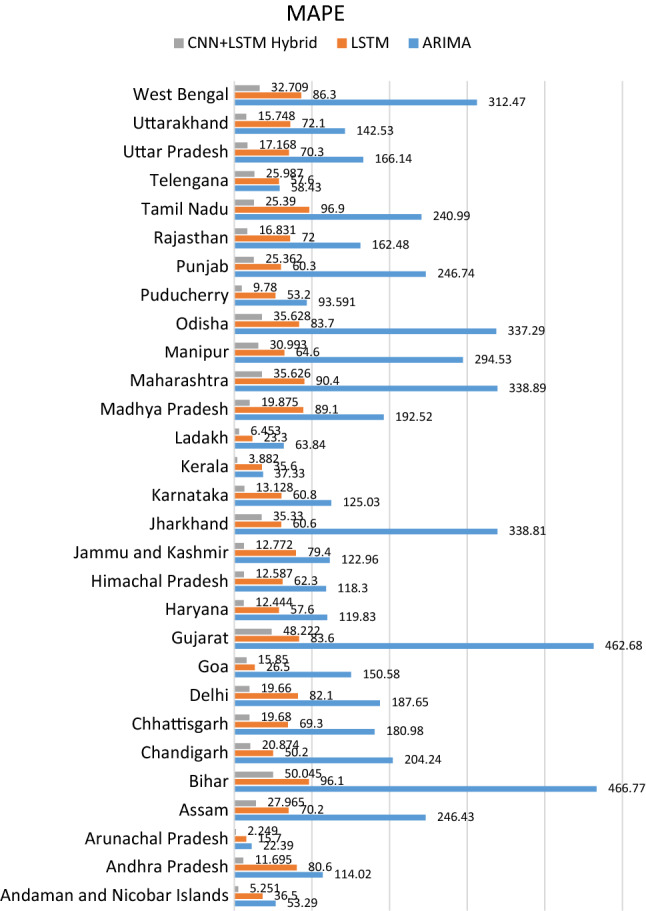
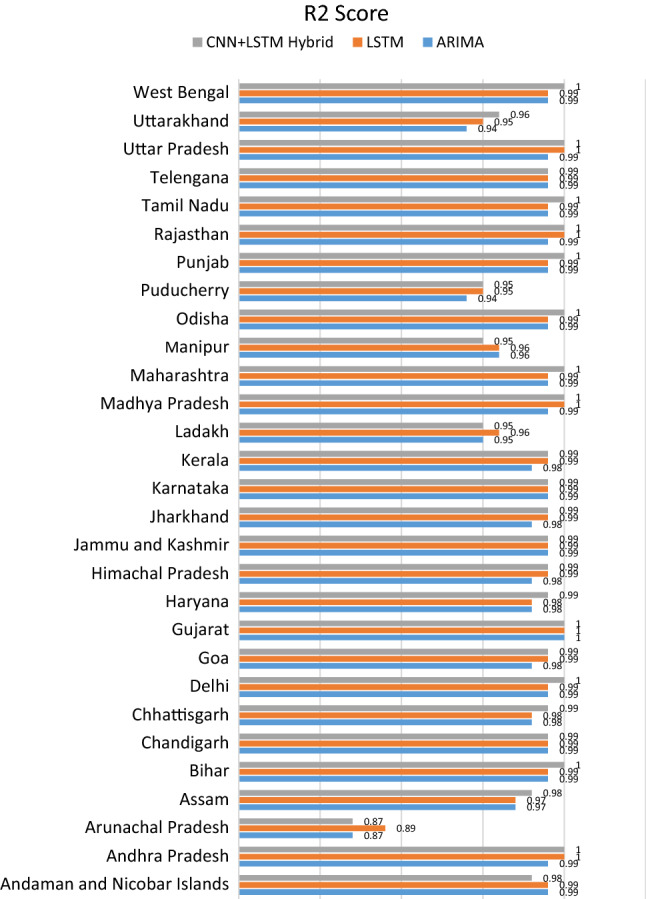
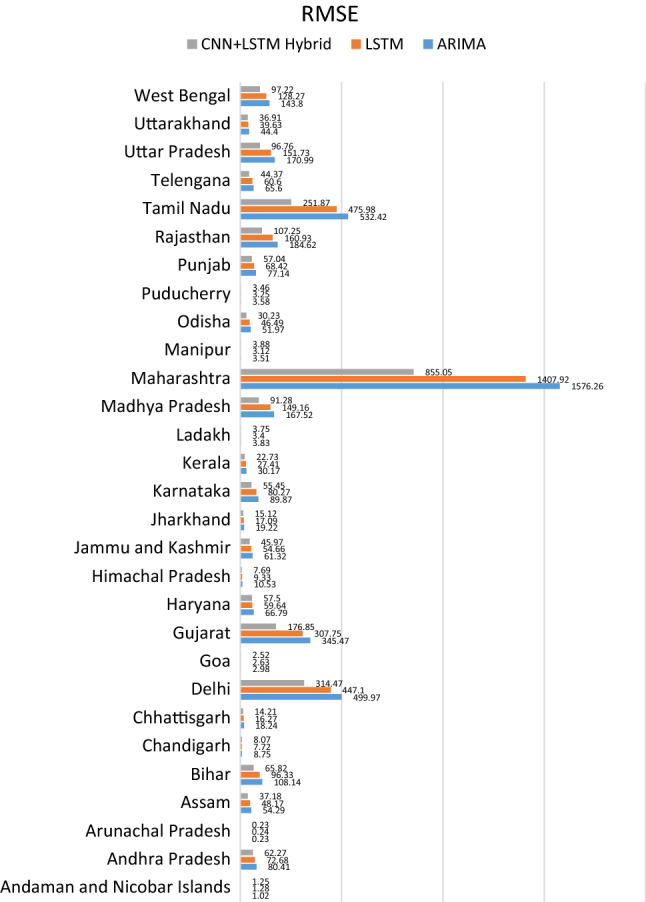
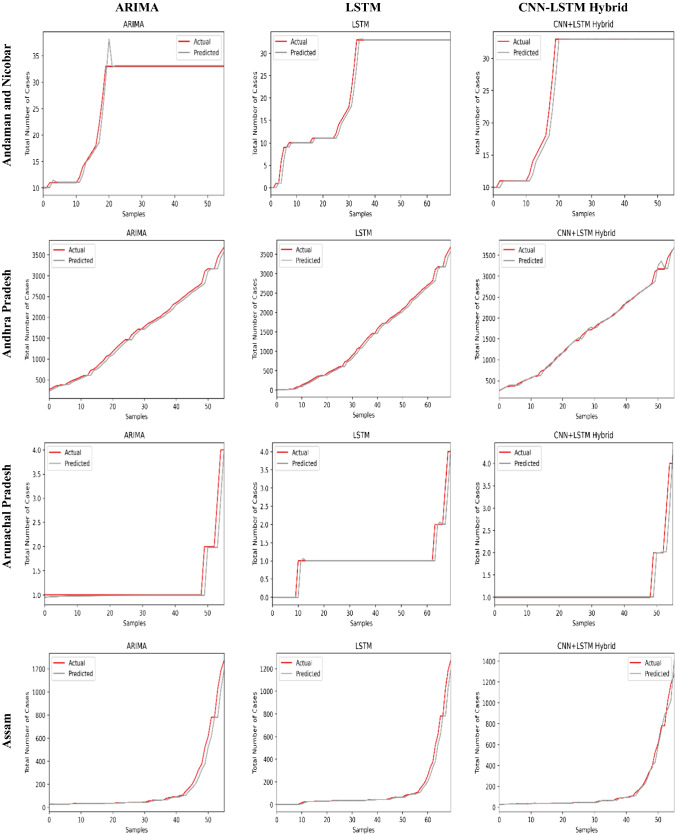
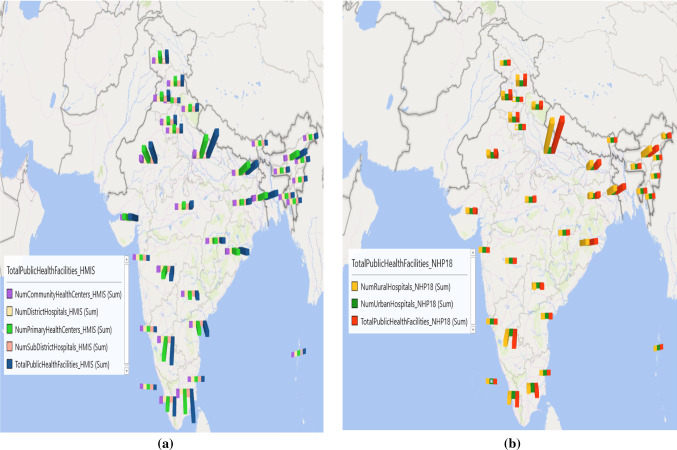
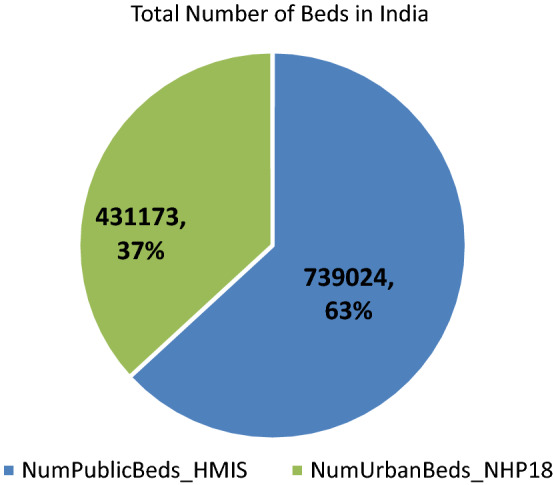
The epidemic situation may cause severe social and economic impacts on a country. So, there is a need for a trustworthy prediction model that can offer better prediction results. The forecasting result will help in making the prevention policies and remedial action in time, and thus, we can reduce the overall social and economic impacts on the country. This article introduces a CNN-LSTM hybrid deep learning prediction model, which can correctly forecast the COVID-19 epidemic across India. The proposed model uses convolutional layers, to extract meaningful information and learn from a given time series dataset. It is also enriched with the LSTM layer's capability, which means it can identify long-term and short-term dependencies. The experimental evaluation has been performed to gauge the performance and suitability of our proposed model among the other well-established time series forecasting models. From the empirical analysis, it is also clear that the use of extra convolutional layers with the LSTM layer may increase the forecasting model's performance. Apart from this, the deep insides of the current situation of medical resource availability across India have been discussed.
疫情可能会给一个国家带来严重的社会和经济影响。因此,需要一个可靠的预测模型,能够提供更好的预测结果。预测结果将有助于及时制定预防政策和采取补救措施,从而减少对该国的整体社会和经济影响。本文介绍了一种CNN-LSTM混合深度学习预测模型,它可以正确预测印度各地的新冠疫情。所提出的模型使用卷积层来提取有意义的信息,并从给定的时间序列数据集中学习。它还增强了LSTM层的能力,这意味着它可以识别长期和短期依赖性。已经进行了实验评估,以衡量我们提出的模型在其他成熟的时间序列预测模型中的性能和适用性。从实证分析中也可以清楚地看出,将额外的卷积层与LSTM层结合使用可能会提高预测模型的性能。除此之外,还讨论了印度各地医疗资源可用性现状的深层情况。